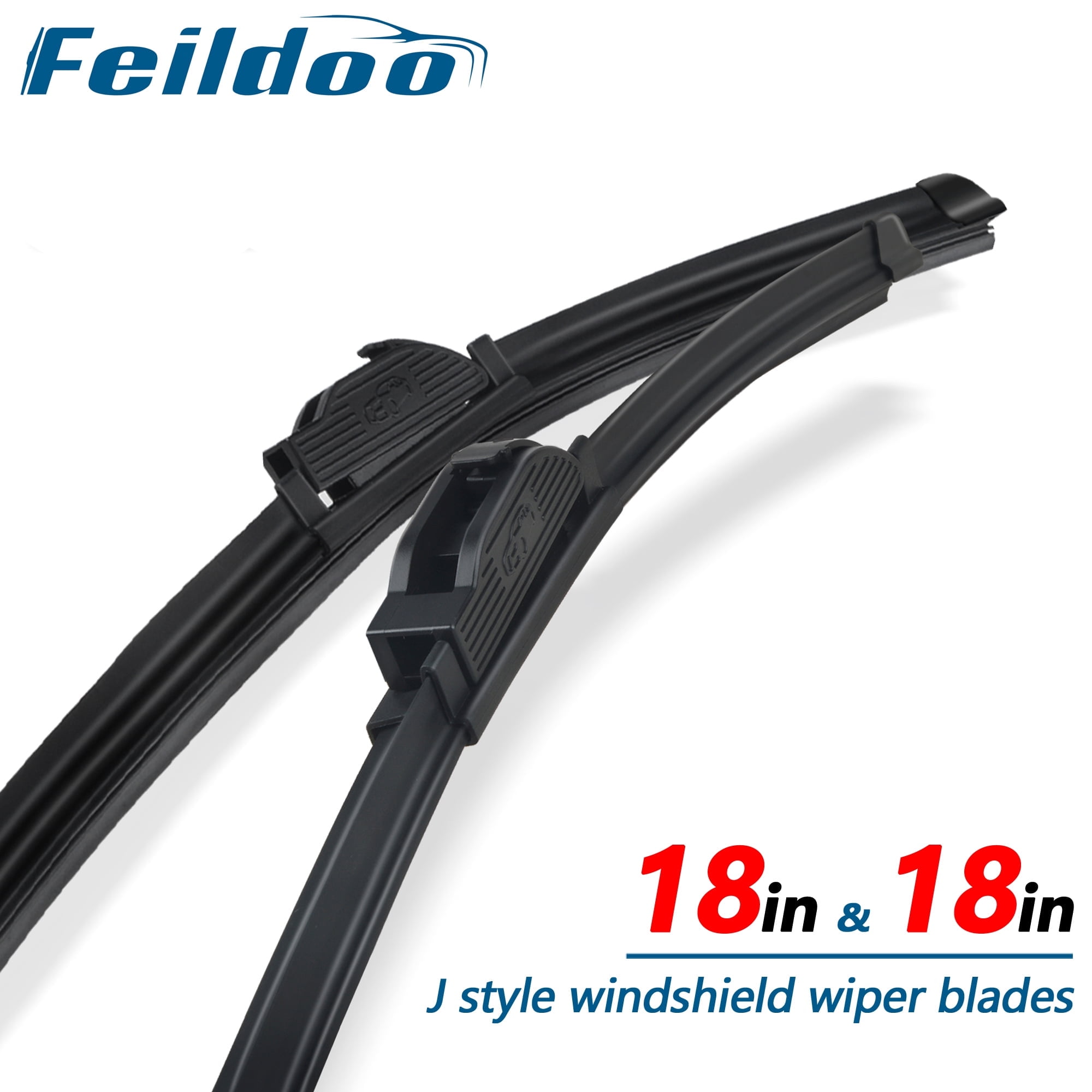
When replacing windshield wiper blades on a 2016 Ford F-150, understanding the precise factory specifications prevents purchasing errors, mounting frustration, and compromised visibility during heavy weather. The factual reality for this model year is that the vehicle requires asymmetrical wiper blade lengths—specifically a 22-inch blade for the driver's side and a 20-inch blade for the passenger's side—contrary to the common assumption that both sides utilize a matching 22-inch setup.
Understanding the 2016 Ford F-150 Wiper Blade System
Navigating aftermarket automotive parts requires precise data to ensure safety and performance on the road. For the 2016 Ford F-150, manufacturers designed the front windshield clearing system to handle a large glass surface area across various cab configurations, including Regular Cab, SuperCab, and SuperCrew.
Despite the vehicle's large footprint, the wiper arms are engineered for specific lengths and leverage points. Installing incorrect sizes can lead to blade interference, missed cleaning zones at the edges of the glass, or premature wear on the wiper motor and transmission linkage. Recognizing the exact dimensions and connection types is the first step toward maintaining clear outward visibility.
Driver Side vs. Passenger Side Length Discrepancy
The most common misconception regarding this vehicle generation involves the dual-blade setup. Many owners assume that modern full-size trucks utilize symmetrical 22-inch wiper blades on both the left and right sides. However, the factory configuration pairs a 22-inch blade on the driver's side with a 20-inch blade on the passenger's side.
| Wiper Position | Factory Specification | Common Misconception | Functional Consequence of Error |
|---|---|---|---|
| Driver's Side | 22 Inches | 22 Inches | Correct clearing zone; no interference. |
| Passenger's Side | 20 Inches | 22 Inches (Assumed matching pair) | Blades may overlap, strike each other, or catch the windshield trim. |
Attempting to mount a 22-inch blade on the passenger side often results in structural interference at the top or bottom of the sweep cycle, as the curvature of the windshield and the placement of the pivot arms cannot accommodate the extra length. Always verify individual side requirements rather than purchasing two identical boxes off a retail shelf.
Factory Arm Connections and Adapter Requirements
Beyond blade length, the physical connection between the wiper arm and the blade assembly dictates compatibility. The 2016 Ford F-150 utilizes a standard Push Button (19mm) wiper arm connection for both front positions.
Unlike older vehicles that relied exclusively on standard J-hook arms, modern trucks use specialized locking tabs that snap securely into the wiper arm opening. When shopping for replacement blades, verify that the package includes the correct Push Button adapter or comes pre-installed with the required connector.
- Push Button (19mm): The standard OEM configuration for 2016 F-150 models. Requires pressing a small plastic pin to release the old blade.
- Multi-Adapter Kits: Many premium aftermarket blades include a multi-fit adapter system. Ensure you select the correct plastic insert corresponding to the push-button style before attempting installation.
- Avoid Universal J-Hooks: If an aftermarket blade claims to fit via a J-hook adapter on a factory push-button arm, check for loose play or potential detachment risks at highway speeds.
Evaluating Replacement Options: Beam, Hybrid, and Conventional Blades
Vehicle owners have multiple choices when selecting replacement wiper materials and designs. Each category offers distinct advantages regarding weather resistance, durability, and cost.
Beam Blades
Beam-style blades feature a frameless, spring-steel curved spine that applies uniform pressure across the entire length of the rubber element. Because they lack exposed metal joints or hinges, they resist snow and ice packing during winter storms. They provide superior wiping performance at high highway speeds by utilizing the wind to press the blade against the glass.
Hybrid Blades
Hybrid blades combine the aerodynamic plastic shell of a beam blade with the internal articulated superstructure of a conventional frame. This design offers a sleek, modern appearance while maintaining robust pressure distribution across uneven glass contours. They are often chosen as a middle-ground option for durability and aesthetic integration.
Conventional Traditional Blades
Conventional metal-frame blades use an external superstructure of yokes and bridges to distribute downward force. While generally less expensive upfront, the exposed metal and pivot points are prone to clogging with ice, freezing in place during sub-zero temperatures, and producing wind lift at high speeds.
Step-by-Step Installation Procedure
Replacing the wiper blades on a 2016 Ford F-150 is a straightforward maintenance task that requires no specialized tools. However, improper handling can result in the metal wiper arm snapping back against and cracking the windshield.
- Prepare the Vehicle: Park on a level surface, engage the parking brake, and turn off the ignition. Ensure the wipers are in their resting position.
- Lift the Wiper Arm: Carefully pull the metal wiper arm away from the glass until it locks into its extended service position perpendicular to the windshield.
- Protect the Glass: Place a thick microfiber towel or folded blanket underneath the metal arm to protect the glass in case the arm slips during the process.
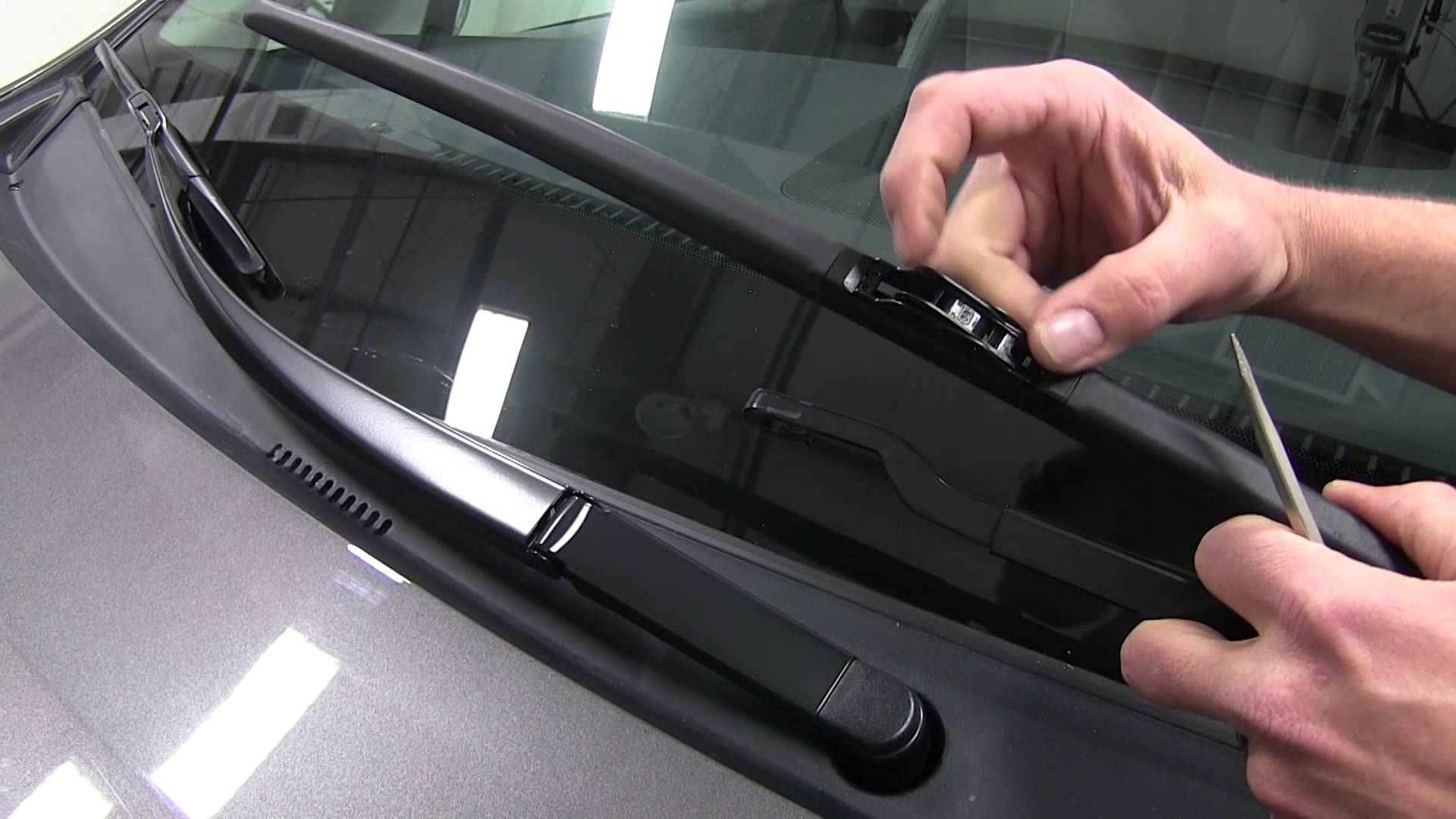
- Release the Old Blade: Locate the small plastic locking button on top of the connection point where the blade meets the arm. Depress the button firmly while sliding the blade downward toward the base of the arm.
- Detach the Blade: Once unclipped, slide the blade away from the hook or pin assembly on the wiper arm.
- Install the New Blade: Align the push-button connector of the new 22-inch blade (driver side) or 20-inch blade (passenger side) with the arm pin. Push upward until you hear an audible click, confirming the locking tab is fully engaged.
- Test the Connection: Gently tug on the blade assembly to ensure it is securely locked to the arm before lowering it back onto the windshield.
Common Maintenance Mistakes to Avoid
Preventable errors during replacement can damage components or result in suboptimal clearing performance during rain or snow storms.
- Forgetting the Towel Buffer: Allowing a bare metal wiper arm to snap back against an unprotected windshield is one of the most common causes of stress cracks and shattered glass.
- Mixing Up Blade Positions: Installing the 20-inch blade on the driver's side severely limits outward visibility, while placing the 22-inch blade on the passenger side causes mechanical interference.
- Forceful Installation: If a connector does not snap into place easily, forcing it can break the fragile plastic housing or bend the metal arm. Verify the adapter type matches the factory push-button design.
- Neglecting the Rear Window (If Applicable): While SuperCrew and SuperCab models do not feature rear window wipers, verify your specific cab configuration if purchasing auxiliary blades.
Frequently Asked Questions
Do all 2016 Ford F-150 trims use the same wiper blade size?
Yes. Whether driving an XL, XLT, Lariat, King Ranch, Platinum, or Limited trim, the front windshield geometry remains identical across cab styles, requiring a 22-inch driver side and a 20-inch passenger side blade.
Can I install a 22-inch blade on both sides to simplify replacements?
No. Installing a 22-inch blade on the passenger side causes the two blades to overlap during operation, leading to mechanical binding, potential arm damage, and excessive wear on the wiper motor.
How often should wiper blades be replaced on a truck?
Automotive experts recommend replacing wiper blades every 6 to 12 months. Factors such as intense UV exposure, extreme cold, road salt, and frequent use accelerate rubber degradation, leading to streaks, skipping, and reduced visibility.
What should I do if my new wiper blades streak immediately after installation?
First, clean the rubber squeegee element and the windshield glass with a dedicated glass cleaner or rubbing alcohol to remove road grime, oils, and manufacturing residue. If streaking persists, the rubber may be defective or damaged.
Are winter-specific wiper blades necessary for this truck?
Winter blades encased in a rubber boot prevent ice and snow buildup in the frame joints. While beam-style blades generally handle winter conditions well without a boot, dedicated winter blades offer extra protection in harsh northern climates.
Final Recommendations for Optimal Visibility
Maintaining clear vision through your 2016 Ford F-150 windshield requires adhering strictly to the factory-specified 22-inch driver and 20-inch passenger dimensions. When selecting replacements, prioritize reputable brands with beam-style designs for superior year-round performance and resistance to wind lift. Inspect your wiper elements semi-annually and replace them at the first sign of rubber cracking, chattering, or streaking to ensure safe driving conditions in all weather environments.