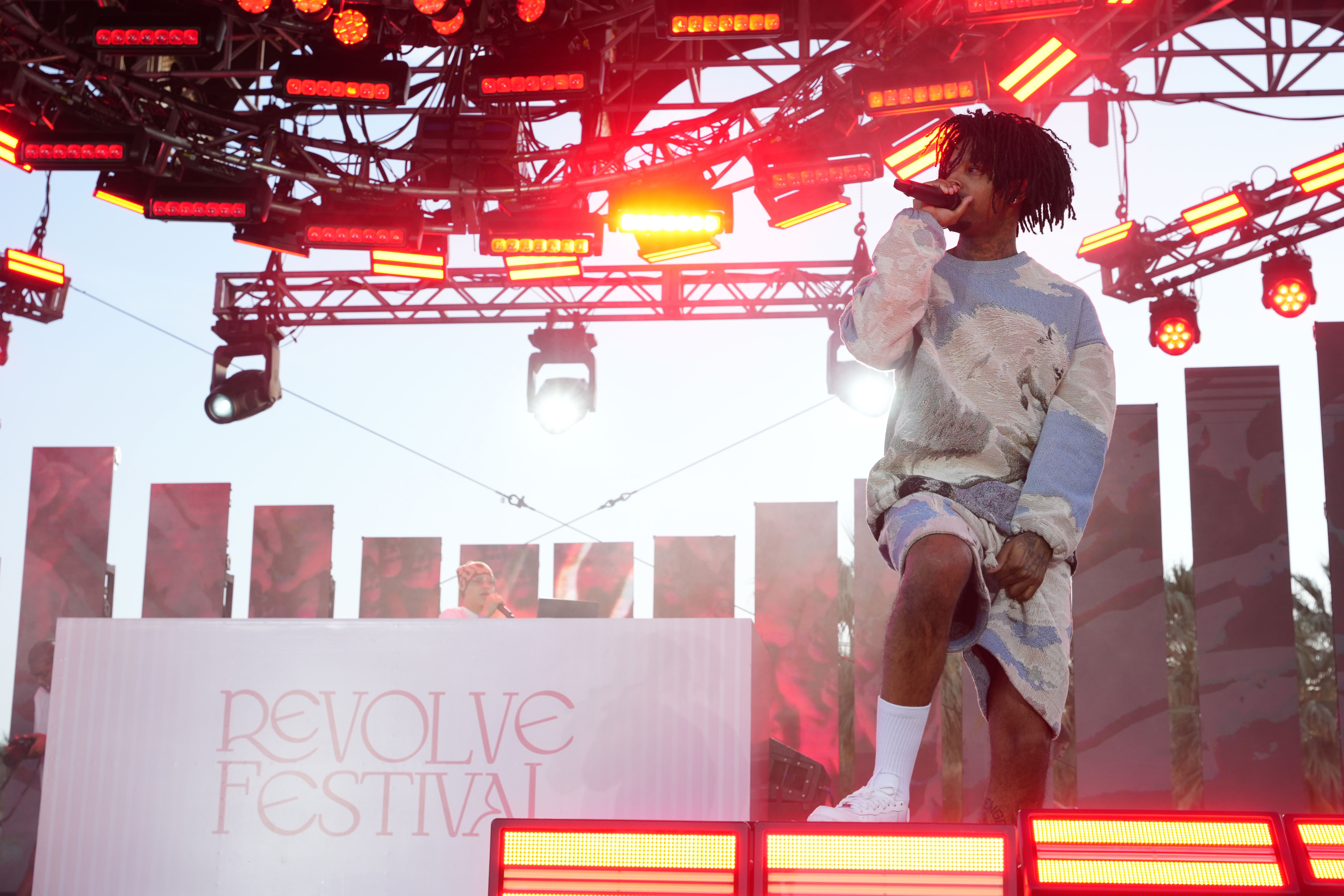
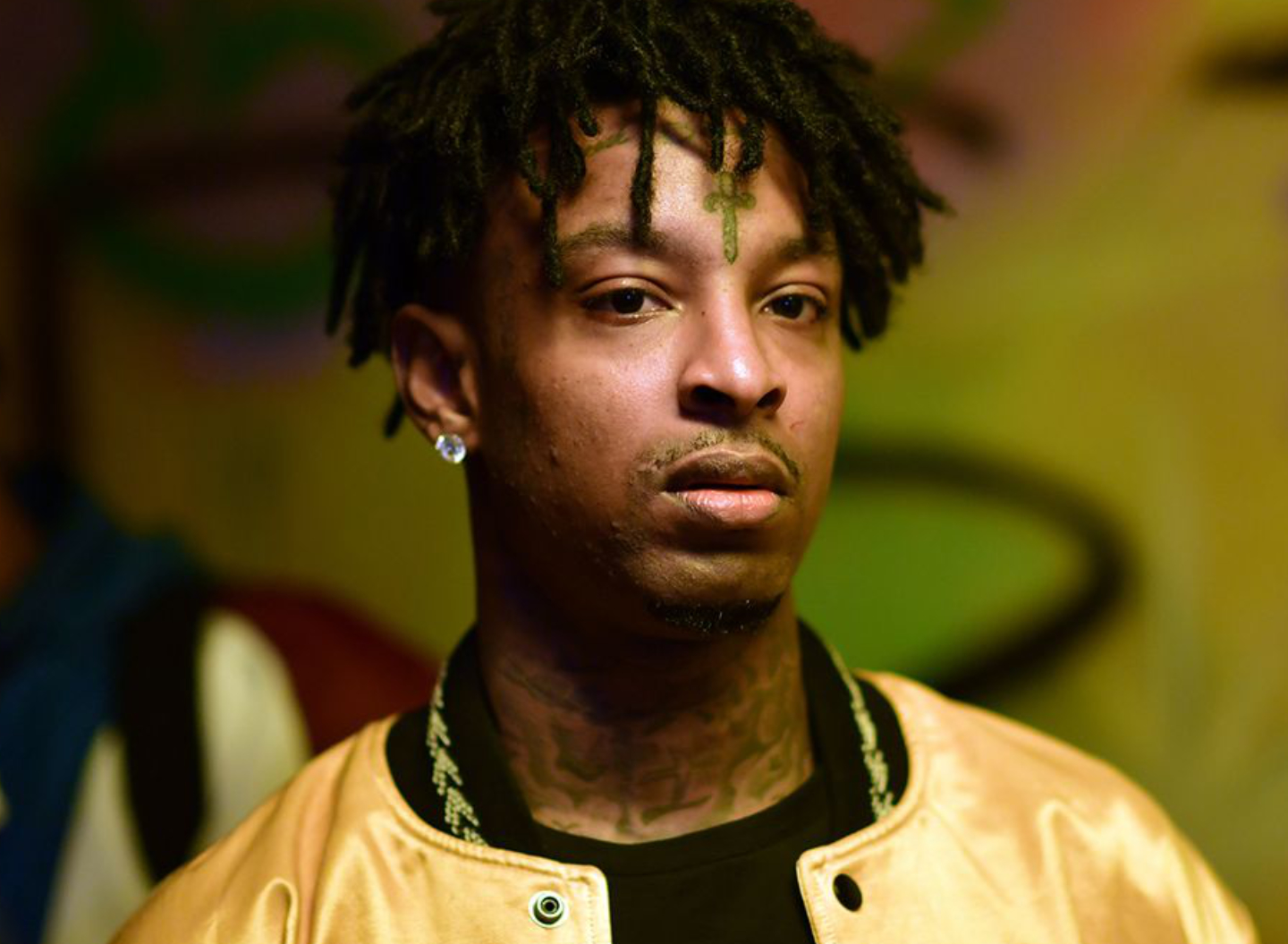
21 Savage has transitioned from an underground Atlanta trap artist into a sophisticated business mogul with an estimated net worth of $16 million. This financial milestone reflects a strategic evolution spanning high-streaming music catalogues, smart equity investments, luxury endorsements, and philanthropic ventures that anchor his long-term wealth accumulation outside traditional recording contracts.
The Foundation: Music Catalogs, Streaming Royalties, and Tour Revenue
At the core of any modern rap star's empire lies intellectual property. For 21 Savage, born Shayaa Bin Abraham-Joseph, his discography serves as the bedrock of his financial stability. Albums like Issa Album, I Am > I Was, Savage Mode II (with Metro Boomin), and American Dream have generated billions of streams across platforms such as Spotify, Apple Music, and YouTube. Streaming economics are complex, yielding fractions of a cent per stream, but at scale—combined with publishing royalties from songwriting credits—this revenue stream provides consistent, predictable cash flow.
In addition to recorded music, live touring represents a massive multiplier for hip-hop artists. High-grossing arena tours, international festival headlining sets, and merchandise sales during these runs generate millions in gross revenue. While production costs, venue fees, and crew salaries take a significant percentage, touring remains an essential engine for building a multi-million-dollar net worth.
Independent of major label advances, 21 Savage's ownership stakes or profit-sharing percentages in his master recordings and publishing portfolios have historically given him greater leverage. This structural approach ensures that every historical stream and sync license continues to monetize his past work long after the initial release cycle concludes.
Strategic Equity Investments and Corporate Partnerships
A critical component of the $16 million empire is the diversification of income away from music and into venture capital, technology, and consumer brands. Modern rap stars operate less like traditional recording artists and more like venture capitalists, leveraging cultural influence for equity ownership rather than flat endorsement fees.
One of the most notable examples of 21 Savage’s corporate acumen is his early equity stake and partnership with Chime, the digital financial services company. Rather than merely appearing in advertisements, he took an active role in promoting financial literacy, particularly through campaigns aimed at underserved youth. This partnership highlighted a shift toward equity-based compensation, where the artist benefits directly from the exponential valuation growth of the fintech firm.
Furthermore, his involvement in diverse sectors demonstrates a calculated approach to risk management:
- Technology and Fintech: Advocacy and equity alignment with mobile banking platforms.
- Fashion and Footwear: High-profile collaborations with major streetwear and luxury fashion houses.
- Beverage and Lifestyle: Strategic brand partnerships capitalizing on cultural relevance and lifestyle branding.
Real Estate and Tangible Assets
Real estate acquisitions form another pillar of the 21 Savage financial ecosystem. As earnings from music and investments scaled, capital was funneled into tangible, appreciating assets. Property investments in major metropolitan areas, particularly around Atlanta and suburban luxury markets, provide both residential security and a hedge against inflation.
Tangible assets also extend to luxury automotive portfolios, high-end jewelry, and custom pieces. While depreciating assets like cars and watches are often viewed skeptically from a strict financial planning perspective, within the hip-hop ecosystem, they serve as liquidatable assets, status symbols that command higher booking fees, and markers of commercial viability that attract corporate sponsors.
Financial Management, Philanthropy, and Community Infrastructure
Sustaining a multi-million-dollar enterprise requires structural financial management, including tax planning, legal protection, and corporate structuring. Managing royalties across multiple territories, international tour revenues, and LLCs demands a dedicated team of business managers, entertainment attorneys, and accountants.
Simultaneously, financial growth has scaled alongside community reinvestment. 21 Savage’s establishment of the Leading by Example Foundation and initiatives like the "Bank Account" financial literacy campaign (named after his breakout hit) focus on teaching high school students and young adults the basics of budgeting, bank accounts, and investing. This philanthropic infrastructure not only serves a vital social purpose in Atlanta but also integrates corporate social responsibility into his broader brand identity.
| Revenue & Asset Category | Primary Source / Mechanism | Financial Impact on Empire |
|---|---|---|
| Streaming & Publishing | Master recordings, songwriting royalties, sync licensing | Provides steady, recurring passive income globally. |
| Live Performances | Arena tours, international festivals, merchandise | Generates massive capital injections during active cycles. |
| Equity & Endorsements | Fintech partnerships (Chime), brand deals | Builds long-term net worth through corporate valuation growth. |
| Real Estate & Assets | Luxury residential property, automotive holdings | Secures capital in appreciating tangible assets. |
Comparative Financial Growth in Modern Hip-Hop
Evaluating a $16 million net worth requires context within the broader contemporary hip-hop landscape. While billionaire status has been achieved by mogul figures like Jay-Z, Dr. Dre, and Kanye West through massive, category-defining enterprises (such as Armand de Brignac, Beats by Dre, and Yeezy), artists of 21 Savage’s tier represent the modern middle-to-upper echelon of touring and streaming earners.
Unlike older generations who relied solely on physical CD sales and promoter-driven tours, current stars maximize digital real estate, social media monetization, and direct-to-consumer digital channels. This structural shift allows artists to build substantial empires earlier in their careers with leaner operational overheads.
Common Misconceptions Regarding Rap Star Net Worths
Publicly reported figures regarding celebrity net worths—including estimates placing 21 Savage around $16 million—often lead to public misunderstanding. Financial media estimates rarely account for liquid versus illiquid assets, ongoing tax liabilities, business expenses, and commissions paid to managers, agents, and lawyers.
Key factors that distort public perception include:
- Gross vs. Net Revenue: Total tour grosses or label advances are frequently mistaken for take-home profit.
- Valuation Volatility: Private equity stakes and real estate values fluctuate based on market conditions.
- Overhead Costs: Maintaining a touring crew, security, legal counsel, and corporate infrastructure requires significant capital outflow.
Understanding these variables contextualizes how an empire of this scale functions as a business machine rather than a simple bank account.
Frequently Asked Questions
How did 21 Savage build his $16 million net worth?
His wealth is accumulated through a combination of multi-platinum music sales, billions of digital streams, high-grossing international tours, strategic equity partnerships (such as with Chime), luxury brand endorsements, and real estate investments.
What is the significance of the Chime partnership in his financial portfolio?
Unlike traditional endorsement deals where an artist receives a flat fee, 21 Savage secured an equity-aligned partnership with Chime. This tied his financial success to the growth of the fintech company while supporting his philanthropic work in financial literacy.
Does 21 Savage own his master recordings?
While specific contractual details between artists and major labels remain proprietary, successful modern artists typically negotiate favorable profit-sharing agreements, distribution deals, or ownership stakes in their master catalogues over time.
How does touring contribute to a rapper's net worth?
Touring generates direct revenue from ticket sales, VIP packages, and exclusive merchandise. For major headliners, it serves as the most lucrative mechanism for generating immediate liquid capital outside of streaming royalties.
What role does philanthropy play in his business empire?
Through programs like the Leading by Example Foundation, he integrates financial literacy education for youth with his public profile, aligning his corporate brand values with measurable community impact in Atlanta.
Strategic Next Actions for Wealth Preservation
For artists and high-net-worth individuals scaling assets in the entertainment sector, long-term stability depends on continuous diversification. Transitioning from active income—such as touring and recording—to passive asset generation through private equity, real estate development, and diversified investment portfolios ensures that wealth outlasts active performance cycles. Maintaining rigorous financial compliance, asset protection trusts, and strategic corporate governance remains essential for preserving a multi-million-dollar entertainment enterprise.