Building a new habit does not take precisely 21 days, despite popular belief; behavioral research shows that automated routine formation actually requires anywhere from 18 to 254 days, with a median of 66 days depending on the complexity of the behavior and individual consistency.
The Origin of the 21-Day Habit Myth
The widespread belief that it takes exactly 21 days to form a habit is one of the most persistent misconceptions in personal development and psychology. To understand why this timeline feels so intuitive yet remains fundamentally inaccurate, it is necessary to examine its historical origins. The 21-day timeline traces back to the work of Dr. Maxwell Maltz, a plastic surgeon who published a remarkably influential self-help book titled Psycho-Cybernetics in 1960.
Maltz observed patterns among his surgical patients after operations. For example, he noticed that patients who underwent limb amputation or rhinoplasty typically required a minimum of about 21 days to adjust to their altered physical appearance and stop feeling phantom sensations. Similarly, individuals who changed their self-image or daily routines through his counseling practice seemed to take roughly three weeks to notice a shift in their subjective baseline.
Unfortunately, over subsequent decades, the nuances of Maltz’s clinical observations were stripped away by motivational speakers, coaches, and popular media. The phrase "it takes a minimum of 21 days" was shortened, exaggerated, and codified into a rigid rule: "it takes 21 days to form a habit." This reductionist view created widespread frustration among people attempting to adopt new routines. When an individual failed to completely automate a complex behavior like daily running or clean eating within three weeks, they frequently blamed themselves for a lack of willpower, unaware that the underlying biological timeline of behavioral automation is far more complex.
What Modern Behavioral Science Says About Habit Formation
In contemporary psychology and neuroscience, habit formation is defined as the process by which a behavior becomes automatic through regular repetition in a consistent context. As a behavior is repeated, neural pathways in the basal ganglia—the brain structure heavily involved in procedural memory and routine execution—strengthen, reducing the cognitive load required to perform the action.
The empirical benchmark for modern habit research comes from a landmark study conducted by Dr. Phillippa Lally and her research team at University College London, published in the European Journal of Social Psychology. Lally’s team tracked 96 participants over a 12-week period as they chose a new daily health behavior, such as eating a piece of fruit at lunch or running before dinner. The researchers measured the automaticity of the behavior daily using the Self-Report Habit Index.
The findings revealed stark departures from the 21-day myth:
- The time it took participants to reach a plateau of automaticity varied from 18 to 254 days.
- The median time across all participants was 66 days for a behavior to become relatively automatic.
- Simpler habits, such as drinking a glass of water after breakfast, automated much faster than complex habits, such as doing 50 sit-ups after morning coffee.
- Missing a single day of repetition did not derail the overall habit formation process, contrary to popular warnings that a broken chain ruins progress.
Understanding this broader spectrum helps reframe expectations. Rather than viewing habit acquisition as a short sprint that terminates at day 21, individuals should view it as a progressive physiological adaptation that requires sustained environmental cues and patience.
The Habit Loop: Cue, Routine, and Reward
To successfully build or break a habit, it is essential to understand the mechanics of the habit loop, a neurological framework popularized by researcher and author Charles Duhigg. The loop consists of three distinct components that govern how behavioral routines are encoded and retrieved in the brain.
[ Cue ] ---> [ Routine ] ---> [ Reward ]
The Cue
The cue is the trigger that initiates the behavior. It acts as an environmental or internal alarm clock, telling the brain to enter a specific mode and choose a routine. Cues generally fall into five primary categories:
- Time: Looking at the clock and seeing it is 7:00 AM.
- Location: Walking into the kitchen or gym.
- Preceding Event: Finishing your morning cup of coffee.
- Emotional State: Feeling stressed or bored.
- Other People: Seeing a colleague eating a snack.
The Routine
The routine is the actual behavior executed in response to the cue. This can be a physical action, a mental process, or an emotional reaction. During the early stages of habit formation, the routine requires conscious executive function managed by the prefrontal cortex. As repetition continues, control shifts to the basal ganglia, turning the routine into an automated script.
The Reward
The reward is the positive reinforcement that helps the brain evaluate whether this particular loop is worth remembering for the future. Rewards satisfy a craving and release dopamine, cementing the neural connection between the cue and the routine. Over time, the reward creates anticipation, which drives the craving that responds to the initial cue.
| Habit Component | Primary Function | Example (Morning Exercise) |
|---|---|---|
| Cue | Triggers the automatic brain response | Placing running shoes directly beside the bed |
| Routine | The physical or mental action performed | Jogging for 15 minutes around the neighborhood |
| Reward | Reinforces the loop and releases dopamine | Enjoying a post-run shower and preferred breakfast |
Factors That Influence Habit Formation Speeds
Because habit formation timelines range widely from under three weeks to over eight months, identifying the variables that accelerate or decelerate the process is vital for practical application.
Behavioral Complexity
The structural difficulty of the task is the single largest determinant of timeline duration. Drinking an extra glass of water requires minimal physical exertion, low cognitive planning, and negligible time commitment. Conversely, writing 1,000 words every morning demands high mental output, structured focus, and significant time blocks. The greater the friction involved in executing the routine, the longer the brain takes to automate it.
Environmental Design
The physical and social environment plays a massive role in shaping how quickly a habit forms. Habits that require overcoming high friction—such as driving past a gym to work out at home—take longer to establish. Conversely, reducing friction by placing workout gear in plain sight or clearing junk food from pantry shelves accelerates the habit loop by making the cue impossible to ignore and the routine effortless to initiate.
Individual Differences and Personality
Neuroscience indicates that individual baseline dopamine sensitivity, working memory capacity, and personality traits such as conscientiousness influence habit automaticity rates. People with higher intrinsic motivation and structured daily schedules often adapt to new routines faster, while individuals facing chronic stress or erratic work schedules experience slower neural encoding due to elevated cortisol levels, which impair prefrontal cortex function.
Practical Steps to Build Lasting Habits
Transitioning from theoretical models to daily execution requires a structured, evidence-based framework. The following steps integrate modern behavioral insights to help establish sustainable routines.
1. Start with Micro-Habits
Do not attempt to overhaul your entire lifestyle simultaneously. If you want to read more, do not commit to reading an hour a night immediately. Start with two pages. By lowering the initial barrier to entry, you eliminate procrastination and ensure consistency, which is far more critical in the early phases than intensity.
2. Anchor to Existing Routines (Habit Stacking)
Leverage existing neural pathways by attaching your new desired behavior to an established habit. This technique, known as habit stacking, uses an established routine as the cue. For example: "After I pour my morning coffee [Established Habit], I will meditate for two minutes [New Micro-Habit]."
3. Optimize Your Environment
Design your surroundings to support your goals automatically. If you want to practice guitar daily, leave the instrument on a stand in the middle of your living room rather than tucked away in its case inside a closet. Make good habits visible and bad habits invisible.
4. Track Consistency, Not Perfection
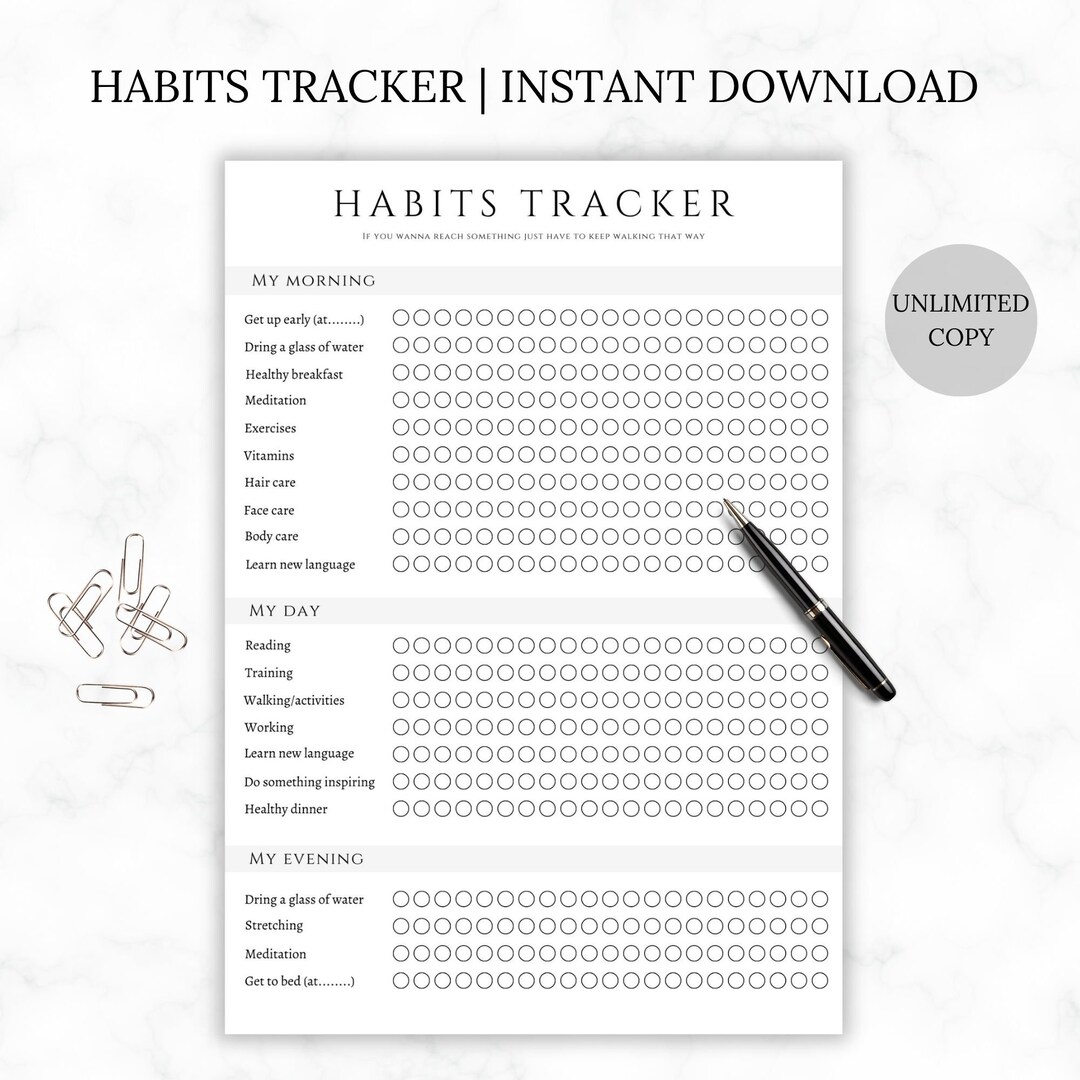
Do not panic if you miss a day. Research shows that missing a single repetition has no measurable impact on long-term habit formation, provided you resume the behavior the following day. Focus on maintaining a high completion rate over weeks and months rather than demanding flawless execution.
Common Mistakes and Troubleshooting
Even with clear intentions, many people struggle to maintain new routines. Recognizing common pitfalls helps prevent failure before it occurs.
- Relying Solely on Motivation: Motivation is a fluctuating emotional state, not a reliable engine. When initial enthusiasm fades after the first week, routines collapse unless supported by environmental cues and simple execution systems.
- Attempting Too Much Too Soon: Trying to adopt five new habits at once splits cognitive bandwidth, leading to mental exhaustion and complete abandonment of all goals. Focus on one or two core behaviors at a time.
- Neglecting Feedback Loops: If a habit feels consistently punishing or lacks any immediate reward, the brain will resist automation. Introduce immediate, healthy micro-rewards to reinforce the neural loop during the initial automation phase.
Frequently Asked Questions
Is the 21-day rule completely useless?
While the exact 21-day timeline is a myth for most complex habits, it is not entirely useless. It serves as a helpful psychological milestone for pushing through the initial discomfort of starting a new behavior, even if complete neural automation requires considerably longer.
What happens if I miss a day while trying to build a habit?
Missing a single day does not reset your progress or ruin your chances of forming the habit. Dr. Phillippa Lally’s research demonstrated that occasional missed days do not significantly alter the long-term trajectory of habit formation, as long as you do not allow a single miss to turn into a permanent abandonment of the routine.
Can I build multiple habits at the same time?
It is technically possible, but highly discouraged for most people. Dividing your cognitive resources across multiple new routines increases the risk of decision fatigue and failure. Focusing on one habit until it feels relatively automatic is statistically more effective.
Why do some habits form faster than others?
Habit formation speed is directly proportional to behavioral simplicity and reward frequency. Behaviors that require less physical or mental effort, and that provide immediate, clear positive feedback, integrate into daily neural pathways much faster than complex, delayed-gratification tasks.
Do bad habits take longer to break than good ones to build?
Bad habits often feel harder to break because they typically offer immediate, potent rewards while carrying delayed negative consequences. The underlying neurological mechanism is the same, but breaking a bad habit usually requires altering the cue or replacing the routine with a healthier alternative that satisfies the same underlying craving.
Next Actions and Implementation
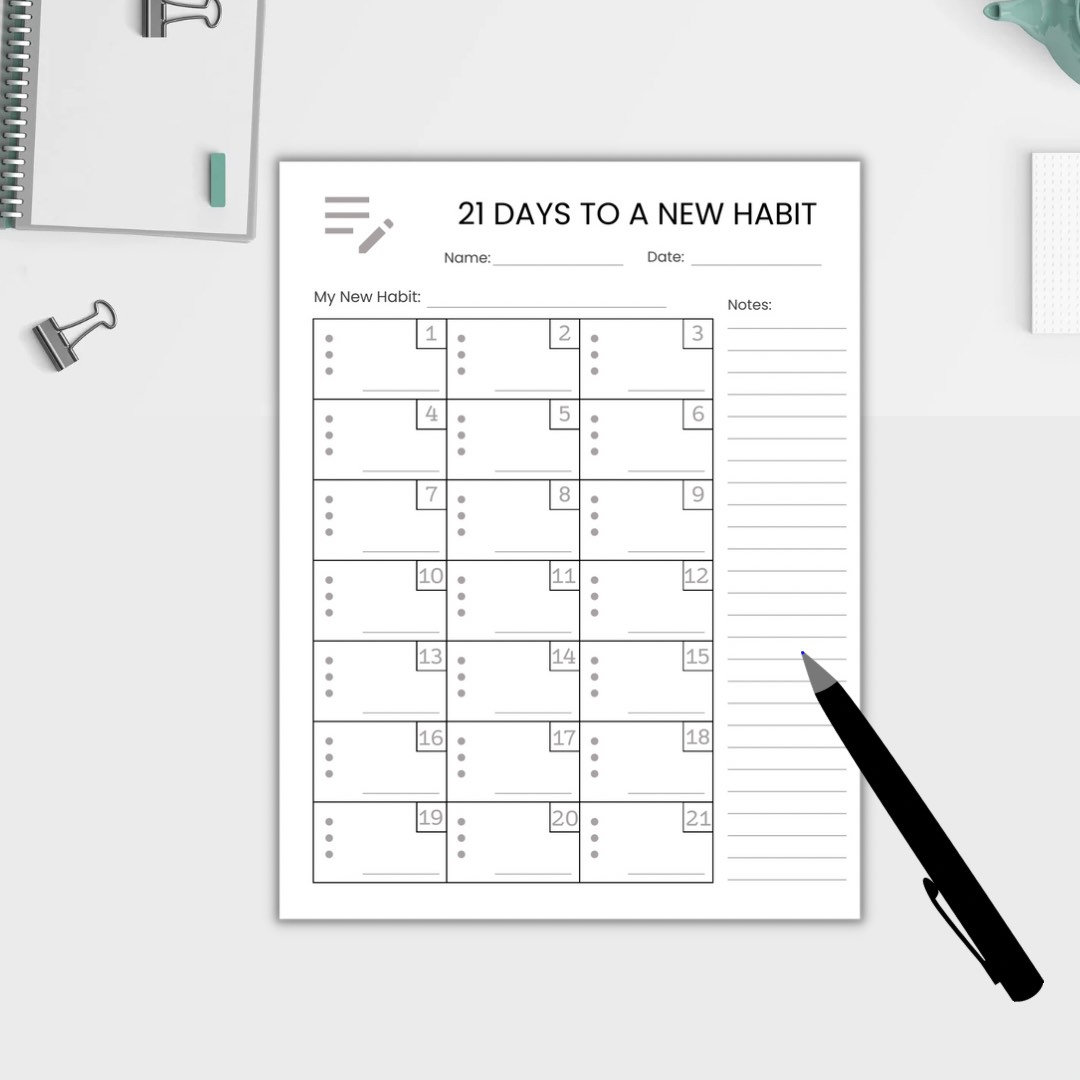
To put these insights into practice immediately, select a single, specific micro-habit you wish to adopt. Define a clear environmental cue using habit stacking, ensure the action takes less than five minutes to complete, and commit to tracking your daily consistency for the next 66 days without worrying about perfection.