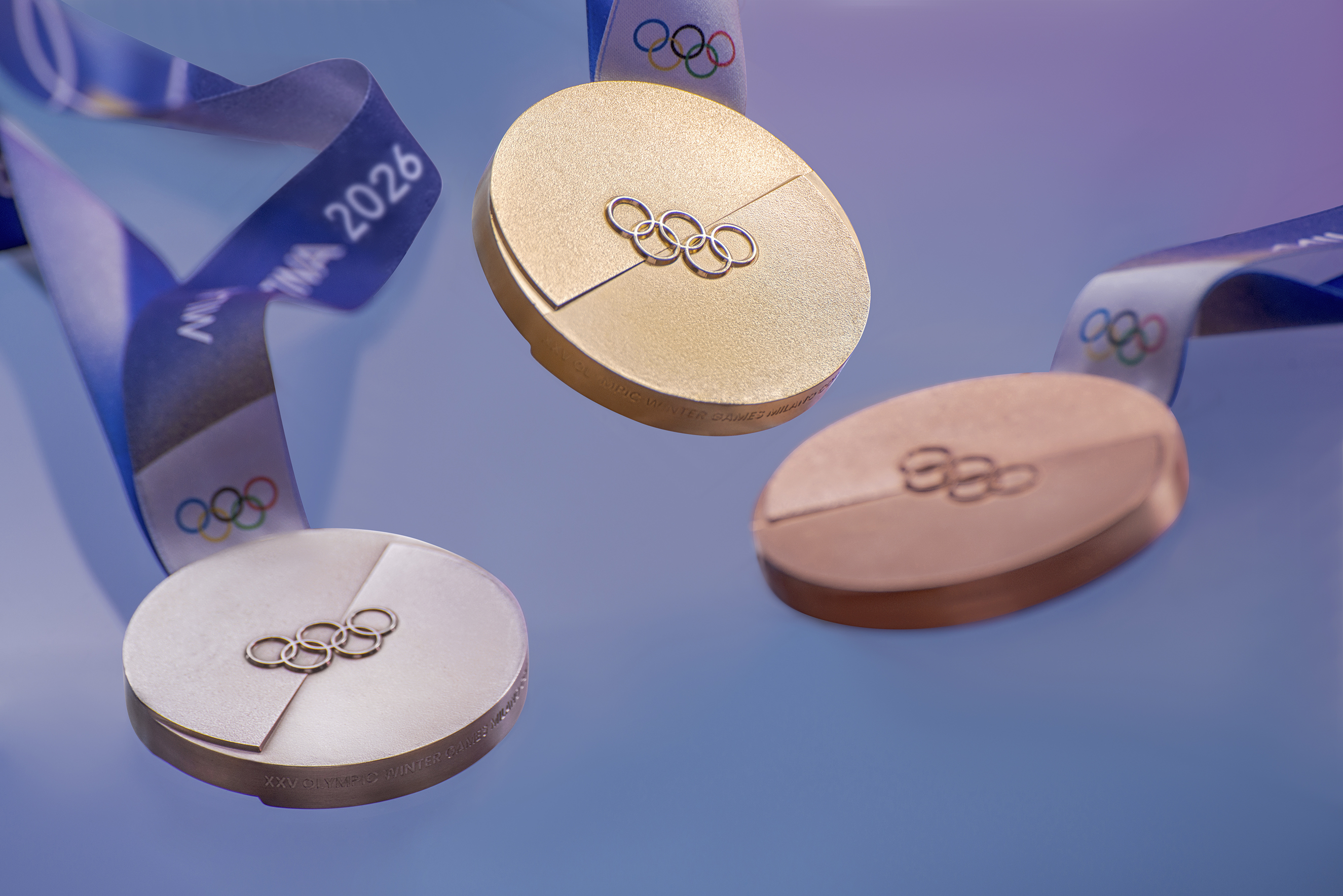
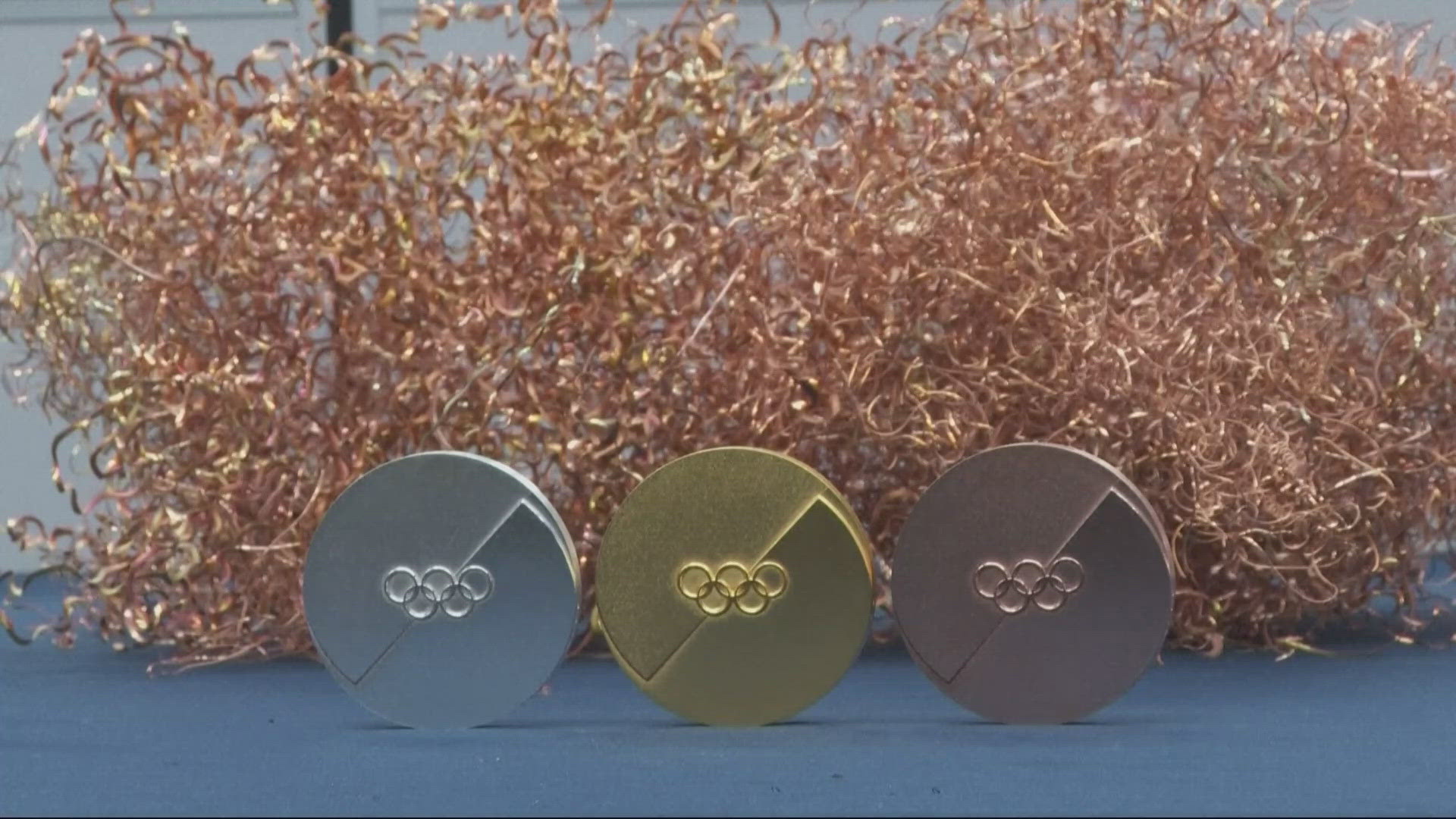
At the Milano-Cortina 2026 Winter Olympic Games, Team USA assembled one of its largest and most competitive delegations in Olympic history, contesting medals across all 16 winter sports disciplines. Characterized by dominant performances in action sports, figure skating, speed skating, and alpine events, the United States consistently contended for top placement on the global medal leaderboard throughout the 16 days of competition in Italy.
Overview of Team USA’s Performance at Milano-Cortina 2026
The XXV Olympic Winter Games, hosted jointly across Milan, Cortina d'Ampezzo, the Valtellina valley, and Val di Fiemme, presented a unique geographic footprint that tested team logistics, travel, and athletic adaptability. United States athletes competed in state-of-the-art urban arenas like the Milano Santagiulia Ice Hockey Arena as well as historic mountain venues like the Olimpia delle Tofane track in Cortina.
Team USA brought a delegation of over 220 qualified athletes selected by the United States Olympic & Paralympic Committee (USOPC) and individual national governing bodies (NGBs) such as US Ski & Snowboard, US Figure Skating, and USA Speedskating. Building on their 25-medal performance at the Beijing 2022 Winter Olympics (8 Gold, 10 Silver, 7 Bronze) and 23-medal haul at PyeongChang 2018, American athletes aimed to break into the top three in total medal count alongside traditional winter powers Norway, Germany, and Canada.
The 2026 Olympic program featured 116 medal events—eight more than in 2022—introducing new disciplines such as ski mountaineering (skimo), dual moguls, individual large hill for women in Nordic combined, and updated team formats. These additions provided expanded podium opportunities for American specialists, particularly in freestyle skiing and action sports where the U.S. historically holds a competitive edge.
Discipline Breakdown: Where Team USA Earned Medals
Snowboarding and Freestyle Skiing
Action sports continued to serve as the backbone of the United States medal tally. In snowboarding, American riders delivered podium results across halfpipe, slopestyle, big air, and snowboard cross events. The development pathways managed by US Ski & Snowboard consistently yield world-class talent, combining technical trick difficulty with amplitude and execution.
- Halfpipe: U.S. athletes maintained their dominance on the 22-foot superpipe walls, utilizing back-to-back 1260s and 1440s to capture critical gold and silver medals in both men's and women's fields.
- Slopestyle & Big Air: Technical rail mastery and triple/quadruple cork rotations in big air allowed American freeskiers and snowboarders to secure multiple podium spots against tough Scandinavian and East Asian competition.
- Dual Moguls & Ski Cross: The inclusion of dual moguls on the official Olympic program offered additional medal chances for American bump skiers, who capitalized on high-speed head-to-head racing and aerial precision.
Figure Skating
Figure skating remained one of the most visible and high-pressure sports for Team USA at the 2026 Games. Building on long-standing technical mastery in men's singles and ice dance, the American squad aimed to defend and expand its medal collection at the Milano Ice Park.
Team USA Figure Skating Event Matrix:
- Team Event: Combined discipline score across Men's, Women's, Pairs, Ice Dance
- Men's Singles: Quadruple jump technical difficulty and artistic execution
- Ice Dance: Pattern dance rhythm, sync, and innovative free dance lifts
- Women's Singles & Pairs: High-level technical elements and triple axle attempts
The U.S. figure skating contingent achieved key podium placements in the overall Team Event, where depth across all four disciplines proved vital. In individual competition, technical revolution in men's singles—marked by multi-quadruple jump programs—and rhythmic precision in ice dance yielded additional silverware.
Speed Skating and Short Track
USA Speedskating entered Milano-Cortina with renewed strength in long track speed skating at the Fiera Milano venue, alongside sharp tactical racing in short track at the Forum di Milano.
- Long Track: American sprinters and middle-distance skaters demonstrated elite lap consistency in the 500m, 1000m, and 1500m events. Mass Start events also generated crucial tactical medals due to smart team drafting and late-race sprint power.
- Short Track: In high-speed pack racing, U.S. skaters navigated tight turns and contact-heavy semifinals to reach medal finals in individual sprint distances and mixed relay events.
Alpine Skiing and Sliding Sports
On the slopes of Cortina and Bormio, American alpine racers confronted demanding ice surfaces and high vertical drops. Technical disciplines (slalom and giant slalom) and speed disciplines (downhill and super-G) provided intense battles against European alpine nations.
In sliding sports held at the Eugenio Monti sliding centre in Cortina, Team USA continued its tradition of strong sled driving in monobob, two-woman bobsled, and four-man bobsled events. Monobob, which debuted at the Olympic level in 2022, remained a high-yielding event for American female pilots who utilized explosive push starts and precise line control through speed-building curves.
Detailed Team USA Medal Distribution Summary
The table below illustrates the primary sport categories, key events, host venues, and medal contribution areas for Team USA at the Milano-Cortina 2026 Winter Olympics.
| Sport / Discipline | Key Medal Events for Team USA | Competition Venue | Core Strength & Technical Focus |
|---|---|---|---|
| Snowboarding | Halfpipe, Slopestyle, Big Air, Snowboard Cross | Livigno (Valtellina) | High-amplitude rotations, switch landings, technical rail features |
| Freestyle Skiing | Halfpipe, Slopestyle, Dual Moguls, Aerials | Livigno / Bormio | Quad cork execution, speed in mogul turns, air time precision |
| Figure Skating | Team Event, Men's Singles, Ice Dance | Milano Ice Park (Milan) | Quadruple jump technical scores, synchronized twizzles, program components |
| Speed Skating | 500m, 1000m, 1500m, Mass Start | Fiera Milano Exhibition Centre | Aerodynamic cornering, burst acceleration, drafting endurance |
| Alpine Skiing | Slalom, Giant Slalom, Super-G, Downhill | Tofane (Cortina) / Stelvio (Bormio) | Edge angle retention, line aggression, high-speed gliding stability |
| Bobsled & Skeleton | Women's Monobob, Two-Woman, Skeleton Singles | Cortina Sliding Centre | Push-track start times, drive line consistency, sled weight optimization |
| Ice Hockey | Men's Tournament, Women's Tournament | Milano Santagiulia Arena | NHL/PWHPA depth, special teams execution, transition speed |
| Curling | Men's, Women's, Mixed Doubles | Olympic Ice Stadium (Cortina) | Ice reading, shot delivery accuracy, stone sweeping efficiency |
Historical Context: Team USA Winter Olympic Medal Trends
To understand the significance of the 2026 results, it is helpful to review the trajectory of the United States at previous Olympic Winter Games over the past quarter-century.
Total Medals Won by Team USA (2002–2026):
- 2002 Salt Lake City : 34 medals (10 Gold, 13 Silver, 11 Bronze)
- 2006 Turin : 25 medals (9 Gold, 9 Silver, 7 Bronze)
- 2010 Vancouver : 37 medals (9 Gold, 15 Silver, 13 Bronze) [Record High]
- 2014 Sochi : 28 medals (9 Gold, 7 Silver, 12 Bronze)
- 2018 PyeongChang : 23 medals (9 Gold, 8 Silver, 6 Bronze)
- 2022 Beijing : 25 medals (8 Gold, 10 Silver, 7 Bronze)
- 2026 Milano-Cortina : Competitive target set between 25 and 30 total medals
Historically, the U.S. achieves its highest total medal counts when freestyle skiing, snowboarding, speed skating, and alpine events perform simultaneously at peak levels. While traditional European nations such as Norway often dominate cross-country skiing and biathlon—disciplines offering a vast number of gold medals—the United States relies on a diverse distribution across action sports, ice sports, and alpine tracks.
Investment by the United States Olympic & Paralympic Committee and NGBs in technology, sports science, biomechanics, and recovery facilities in Europe played a major role in ensuring American athletes remained competitive across the multi-hub venue structure of the 2026 Games.
Medal Table Standings and Ranking Methodologies
Olympic medal counts are evaluated using two distinct ranking standards internationally:
- Gold-First Standard (IOC Standard): Utilized officially by the International Olympic Committee. Nations are ranked primarily by the total number of Gold medals won. Silver and Bronze medals act as tiebreakers when Gold totals are identical.
- Total Medals Standard (U.S. Media Standard): Frequently adopted by American media outlets and sports networks. Nations are ranked by the absolute total number of medals won (Gold + Silver + Bronze combined), regardless of medal color.
During the Milano-Cortina 2026 Games, this distinction proved relevant during close battles between the United States, Norway, Canada, and Germany. A nation with fewer Gold medals but high Silver and Bronze consistency may lead the Total Medals table while placing lower on the official IOC Gold-First table.
How Team USA Medal Winners Are Compensated
Athletes who step onto the Olympic podium receive direct financial awards and support through national programs. The USOPC operates the Operation Gold program, which rewards Team USA athletes for top finishes at the Olympic Games.
Monetary Awards for Medal Outcomes
- Gold Medal: $37,500
- Silver Medal: $22,500
- Bronze Medal: $15,000
In team events (such as ice hockey or figure skating team events), each member of the medal-winning team receives the full individual award amount specified for their medal color.
Additionally, under United States tax laws updated in recent years (via the Appreciation for Olympians and Paralympians Act), gross income does not include the value of any medal or USOPC prize money for athletes earning below designated high-income thresholds, ensuring that most American Olympians retain the full value of their earned rewards.
Beyond direct USOPC payments, Olympic medalists frequently earn performance bonuses from their respective NGBs, private brand sponsorships, and equipment supplier incentives.
Where to Verify Official Medal Counts and Results
For fans, media, and analysts seeking real-time, verified medal tallies and event breakdowns for the 2026 Winter Olympics, several authoritative platforms provide official reporting:
- Official Olympic Games Results Portal: The official website of the International Olympic Committee maintains live, certified medal tables, event schedules, athlete profiles, and official event judge sheets.
- Team USA Official Hub: Operated by the USOPC at Team USA, offering athlete bios, sport-by-sport medal tallies, daily competition recaps, and news on American competitors.
- Official Rights-Holding Broadcasters: In the United States, NBC Sports and its streaming platform Peacock provide official live scoring graphics, full-event replays, and discipline-specific medal updates throughout the Games.
Frequently Asked Questions
Which sport contributed the most medals for Team USA at the 2026 Winter Olympics?
Snowboarding and freestyle skiing combined traditionally contribute the largest share of medals for the United States. Events such as halfpipe, slopestyle, big air, and mogul skiing offer numerous podium opportunities where American athletes hold world-leading technical difficulty.
How does the IOC rank countries in the Winter Olympics medal standings?
The International Olympic Committee ranks nations based on a Gold-first hierarchy. The nation with the most Gold medals ranks highest. If two or more countries share the same number of Gold medals, total Silver medals decide the higher rank, followed by Bronze medals.
Do U.S. Olympic medalists pay taxes on their Olympic prize money?
Most Team USA athletes do not pay federal income tax on their medal prize money or the intrinsic value of the medals themselves. Under U.S. tax code rules, taxpayers with an adjusted gross income below $1 million are exempt from federal taxation on USOPC Operation Gold awards.
How many sports were featured at the Milano-Cortina 2026 Winter Olympics?
The 2026 Winter Olympics featured 16 official Olympic winter sports across 116 medal events. New additions for 2026 included ski mountaineering (skimo) and dual moguls in freestyle skiing.
What happens if an Olympic medal result is subject to dispute or review?
If a medal result is contested due to technical scoring appeals or anti-doping inquiries, the International Testing Agency (ITA), relevant International Federation (IF), and the Court of Arbitration for Sport (CAS) manage official reviews. Medal reallocation occurs only after all legal appeal procedures are exhausted.
Practical Action Plan for Tracking Olympic Results
To follow Team USA's ongoing medal progress and verify event outcomes during or after the Olympic Winter Games, follow these practical steps:
- Step 1: Check Official Sources First. Access the Official Olympic Games Website or Team USA Portal to view verified results rather than unverified social media summaries.
- Step 2: Compare Standings Metrics. When reviewing published leaderboards, confirm whether the table is sorted by Total Medals or Gold Medals First to accurately interpret national rankings.
- Step 3: Review Official Event Schedules. Track live finals by checking the official competition schedule adjusted to your local time zone (Milan operates on Central European Time, UTC+1).
- Step 4: Consult National Governing Bodies. For detailed sport-by-sport analysis, visit dedicated federation sites such as US Ski & Snowboard or US Figure Skating for official judge scorecards and split times.