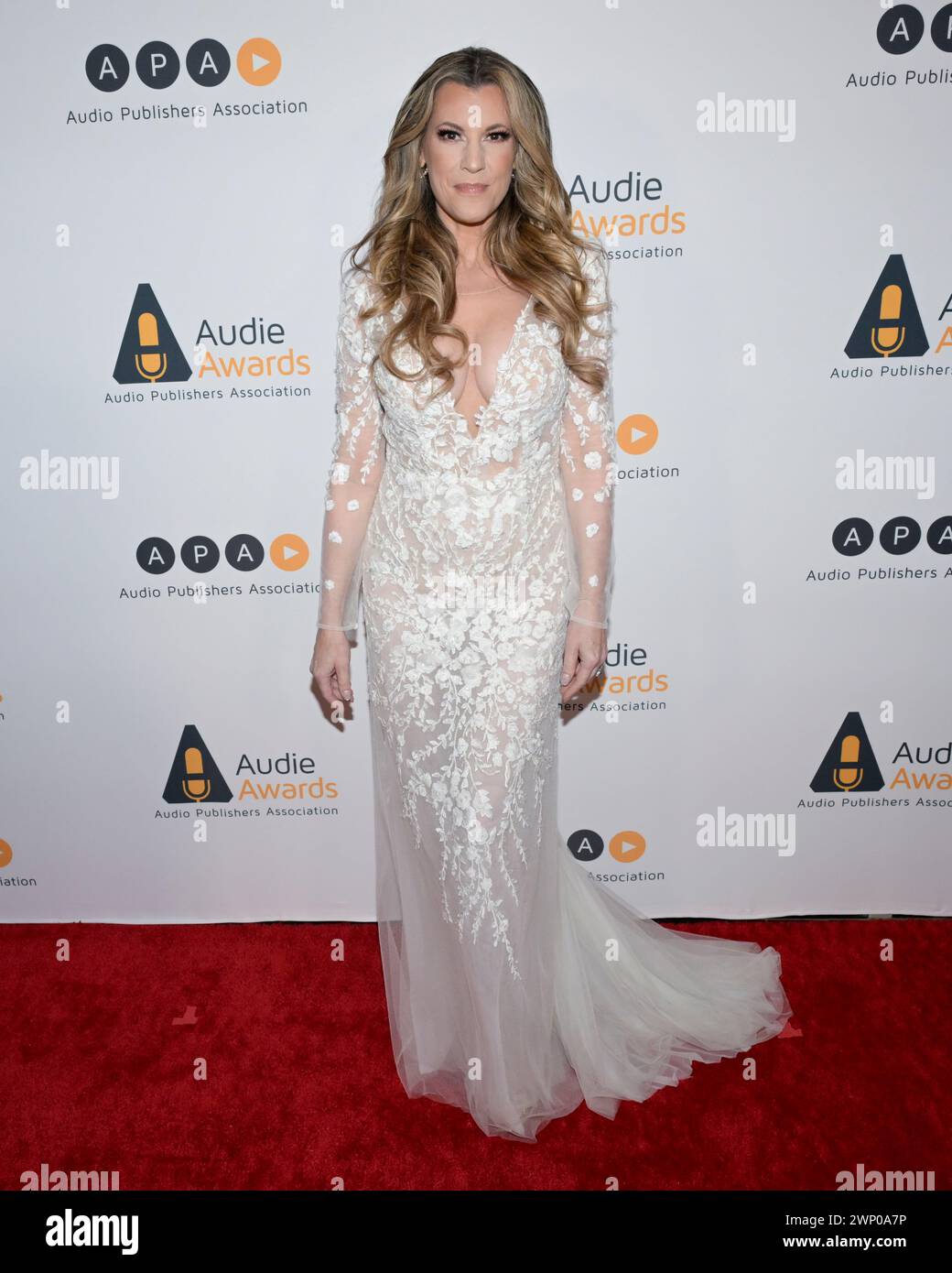
The 2024 Audie Awards served as a definitive barometer for the audio entertainment industry, highlighting a significant shift toward immersive sound design, celebrity-led high-production value, and the increasing prestige of short-form original audio. By examining the winners and nominees, creators and listeners alike can identify the technical and creative standards currently defining the top tier of audiobook production and podcasting.
The Audie Awards, presented annually by the Audio Publishers Association (APA), represent the highest honor in the audiobook industry. The 2024 ceremony provided more than just a list of accolades; it functioned as a snapshot of a maturing market. As audiobooks transition from simple transcriptions of print literature into standalone, high-fidelity auditory experiences, the industry has responded with increased budgets, star-studded casting, and advanced post-production techniques. Understanding these shifts is essential for authors looking to adapt their work, producers aiming to innovate, and listeners seeking the best in current audio media.
The Evolution of Production Value and Sound Design
The most immediate trend observed in the 2024 Audie Awards winners is the move toward "cinema-quality" audio. It is no longer sufficient to provide a clear, narration-only reading of a manuscript. Winners in categories such as "Best Audio Drama" and "Best Original Work" demonstrated that sound effects (SFX), multi-actor casts, and complex acoustic environments are now the benchmarks for excellence.
This trend toward immersive audio is driven by the rise of platforms that prioritize high-quality streaming and the ubiquity of noise-canceling headphones. Listeners have become increasingly sophisticated; they expect soundscapes that mirror the visual fidelity of modern television and film. For producers, this requires a fundamental change in workflow. Where a traditional audiobook might require one narrator and a recording booth, the award-winning productions of 2024 required casting directors, Foley artists, and dialogue editors working in tandem to create a cohesive sonic world.
The Role of Celebrity Talent
The 2024 results underscored the continued influence of Hollywood and Broadway talent in the audiobook sphere. When A-list actors perform audiobooks, they bring not just their star power, but their experience with character-driven performance and emotional pacing. The trend of using full-cast productions—where specific voices are assigned to distinct characters rather than having a single narrator differentiate through pitch—has moved from a premium niche to a growing standard for major releases. This shift creates a bridge between traditional publishing and narrative podcasts, blurring the lines between these previously distinct formats.
The Convergence of Podcast and Audiobook Formats
In previous years, audiobooks and podcasts were often categorized and produced as entirely separate entities. The 2024 winners revealed a significant convergence. Many of the successful original works recognized by the APA were narrative-driven projects that would feel just as comfortable on a top-tier podcast network as they would in a traditional audiobook store.
This convergence is largely due to the demand for "on-demand storytelling." Listeners are looking for engaging, serialized content that fits into short commute windows or multi-tasking routines. For creators, this means that the strategies for keeping a listener engaged in a long-form audiobook are now being applied to short-form audio series. Pacing, hooks at the end of chapters (or episodes), and the development of recurring audio motifs are now industry-standard tools for maintaining audience retention in an increasingly competitive marketplace.
Comparison of Production Elements: Then vs. Now
To understand the shift in industry standards, one must compare the traditional approach to the current, award-winning standard exemplified by the 2024 cohort.
| Feature | Traditional Audiobook (Pre-2020) | Award-Winning Standard (2024-2026) |
|---|---|---|
| Casting | Solo narrator | Full-cast or ensemble performances |
| Soundscape | Minimal to non-existent | Layered SFX, original scores, ambient audio |
| Scripting | Direct adaptation of print | Audio-first scripting and adaptation |
| Editing | Pacing adjustments and error removal | Intricate sound design and mixing |
| Platform Distribution | Digital download stores | Integrated platforms and streaming apps |
The Rise of Non-Fiction as Narrative Performance
Historically, non-fiction audiobooks were often secondary to their print counterparts, serving as informational vehicles rather than entertainment. The 2024 Audie Awards helped dismantle this perception. Several winners in non-fiction categories showcased the "narrative non-fiction" trend, where investigative journalism or memoirs are produced with the same dramatic structure and sonic intensity as a thriller.
This trend reflects a broader consumer interest in "edutainment." Listeners want to learn, but they want the experience to be as engaging as a story. By using archival audio, interviews, and carefully curated music beds, producers of non-fiction audio are managing to turn technical subjects or historical accounts into gripping listening experiences. This change in approach has expanded the target audience for non-fiction significantly, moving beyond academic interest into the mainstream entertainment sector.
Technical Considerations for Modern Creators
For those entering the audio space in 2026, the 2024 winners offer a blueprint for technical requirements. The barriers to entry for "award-quality" audio remain high due to the technical proficiency required in signal processing.
- Acoustic Treatment: Even with the best microphones, an untreated space will result in "boxy" sound that fails to meet modern standards. Professional studios are still the industry preference, though home setups now require high-grade acoustic baffling and high-resolution interfaces.
- Bitrate and Sampling: Consumers expect high-fidelity streaming. While compression is necessary for storage, the source material must be captured and mastered at high resolution (typically 24-bit/48kHz or higher) to allow for the nuance required in modern sound design.
- Mixing for Binaural or Spatial Audio: Though not universal, the push toward immersive audio means that creators are increasingly thinking about how sound is positioned in a 360-degree field.
Frequently Asked Questions
What does it mean for an audiobook to be "industry standard" in 2026? An industry-standard audiobook is characterized by clean, crisp narration with an absence of room noise, breath artifacts, or digital clipping. Increasingly, it also includes purposeful, non-distracting sound design that enhances rather than overrides the narrative.
Are full-cast productions necessary for success? No. While many 2024 winners used full-cast productions, a skilled solo narrator who can differentiate voices, accents, and emotional tones remains the gold standard for traditional literature. The "trend" is toward higher production value, which can be achieved through both solo narration and ensemble casts.
How do I decide between an audiobook and a podcast format? The choice depends on your distribution strategy and content structure. Audiobooks are typically sold as complete units through dedicated marketplaces, whereas podcasts are distributed via RSS feeds and streaming platforms. Many modern projects now utilize a hybrid strategy, releasing as both to reach different segments of the audio audience.
How does the 2024 Audie Awards influence current copyright or licensing trends? The focus on high-production value has led to more complex licensing agreements regarding music rights, original scores, and talent performance residuals. Creators are increasingly securing "all-media" rights to ensure their work can be adapted across different audio platforms without legal friction.
Is it possible for independent creators to compete with major publishers? Yes, but it requires significant investment in post-production. The gap between independent and big-publisher content is shrinking because professional-grade editing software and high-quality voiceover hardware have become more accessible. Success now relies on creative vision and production quality rather than just publisher budget.
Next Actions for Creators and Listeners
For listeners, the 2024 winners provide a curated list of the most sophisticated audio experiences available. If you have not explored the "Audio Drama" or "Original Work" categories, these are the best places to experience the current state of the art.
For creators, the path forward is clear: start by analyzing the soundscapes of the 2024 winners. Pay close attention to how they use music to transition between scenes and how they utilize silence to build tension. Regardless of your budget, prioritize the clarity of your vocal performance above all else, as this remains the anchor of the listener’s experience. Invest in proper acoustic treatment and, if the budget allows, collaborate with a professional sound engineer who understands the nuance of narrative audio.