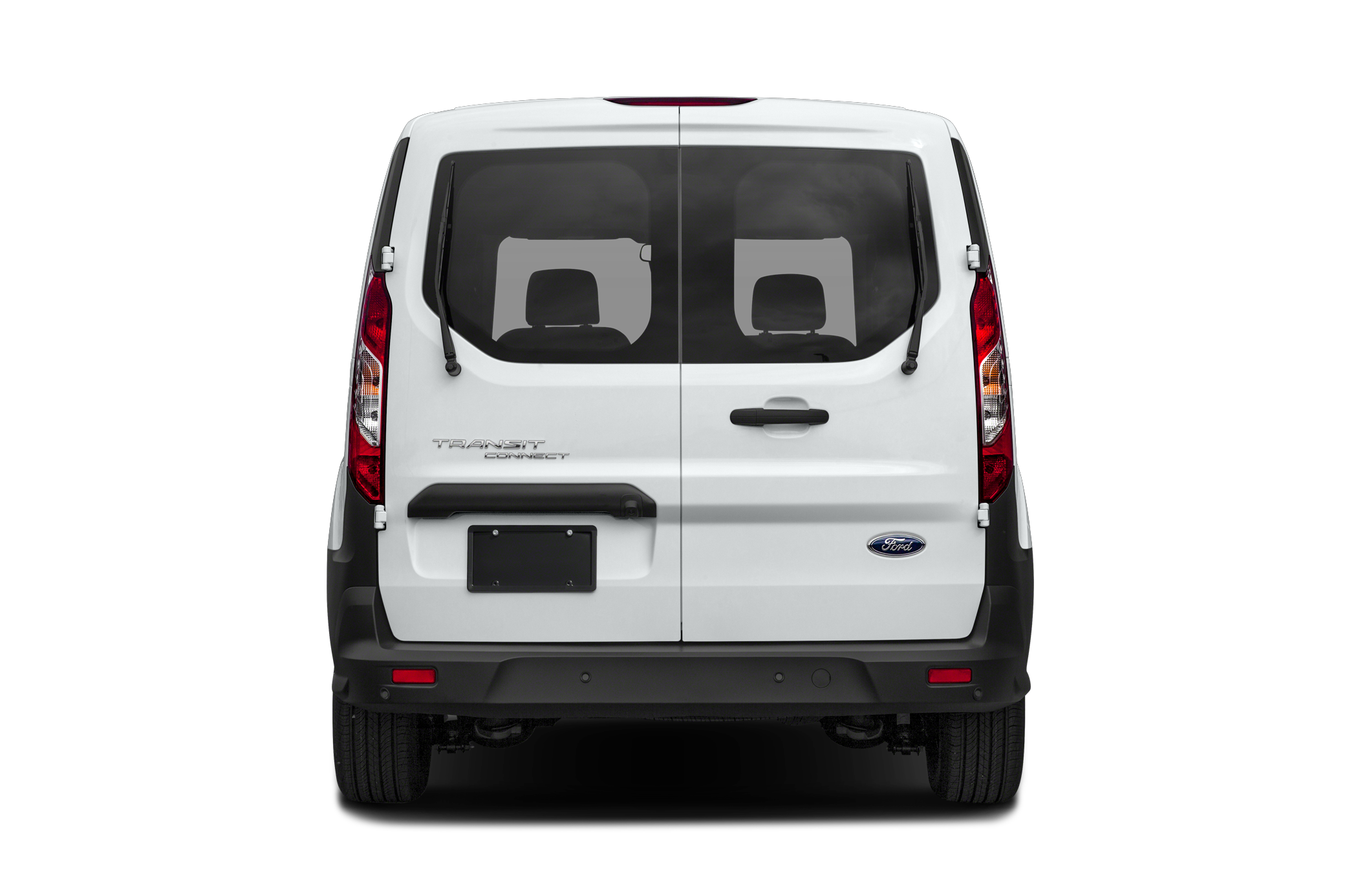
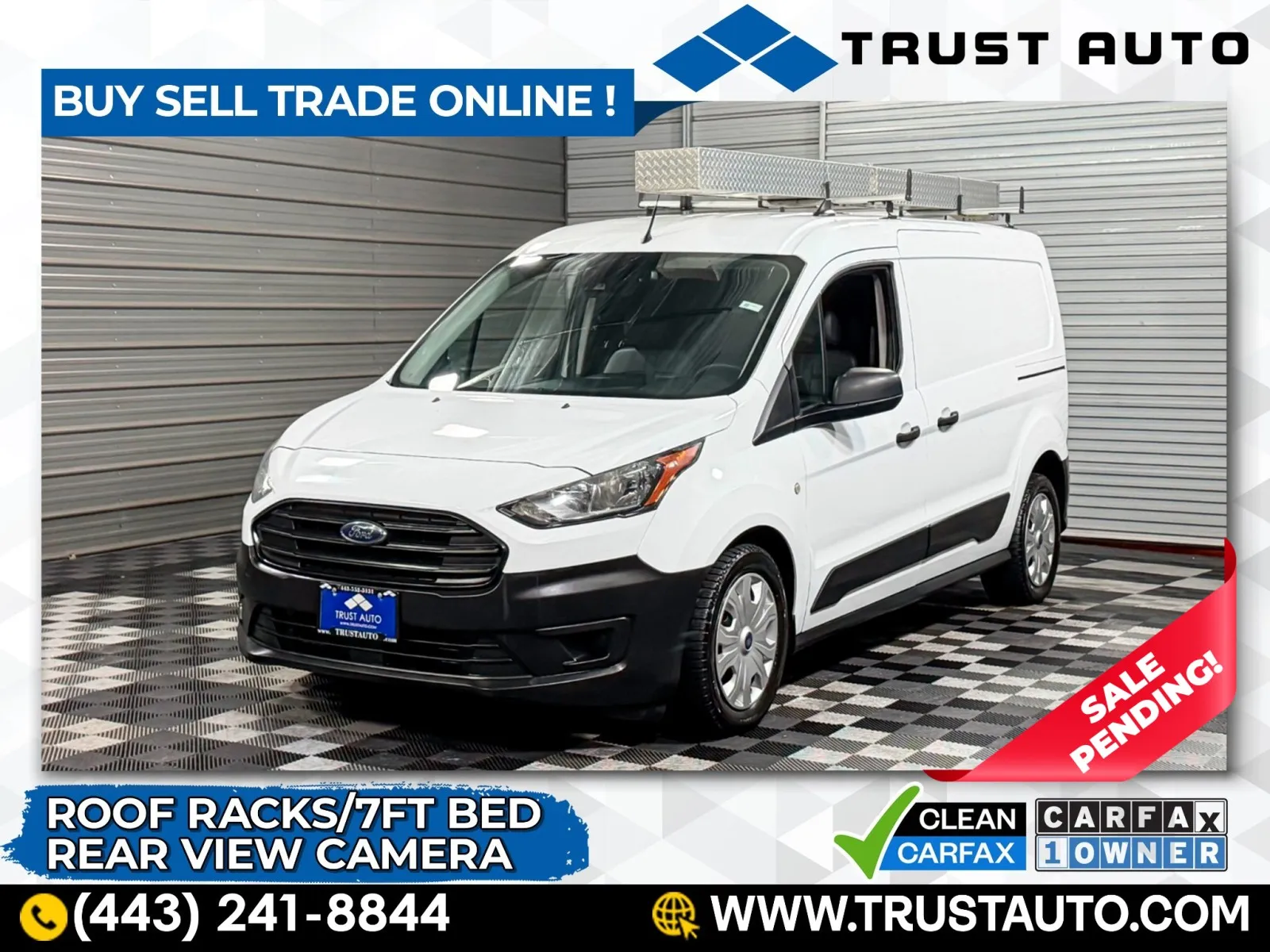
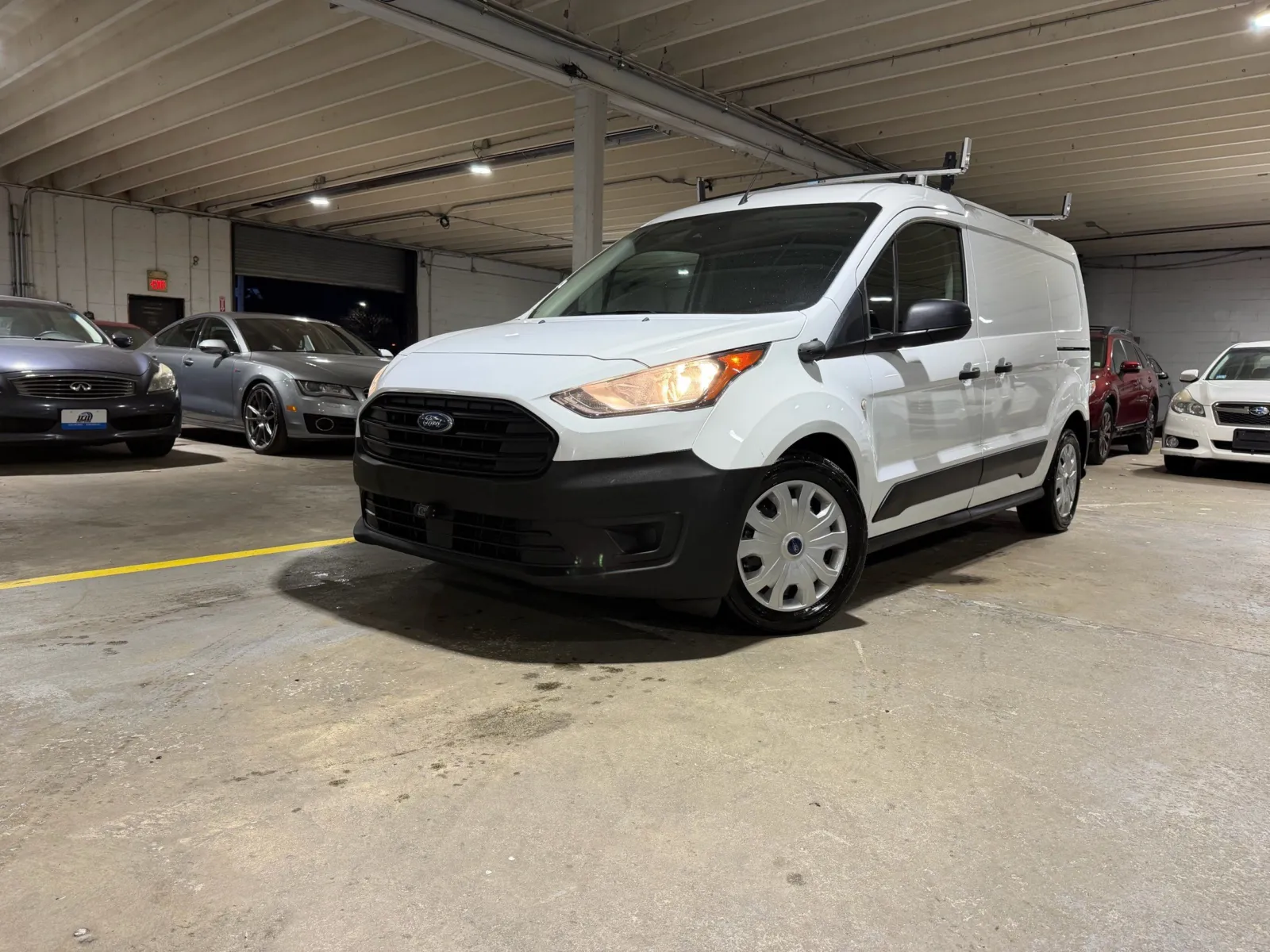
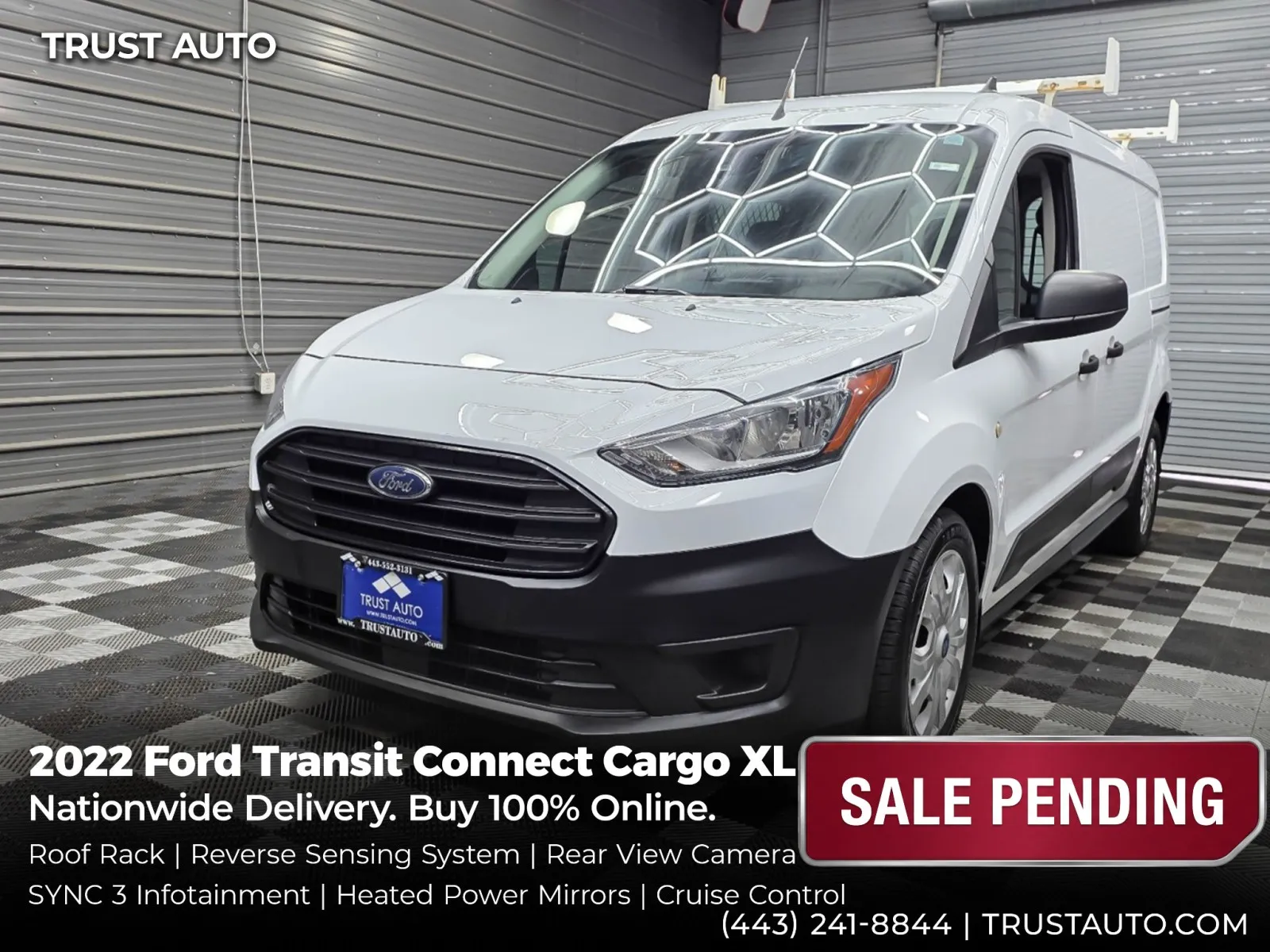
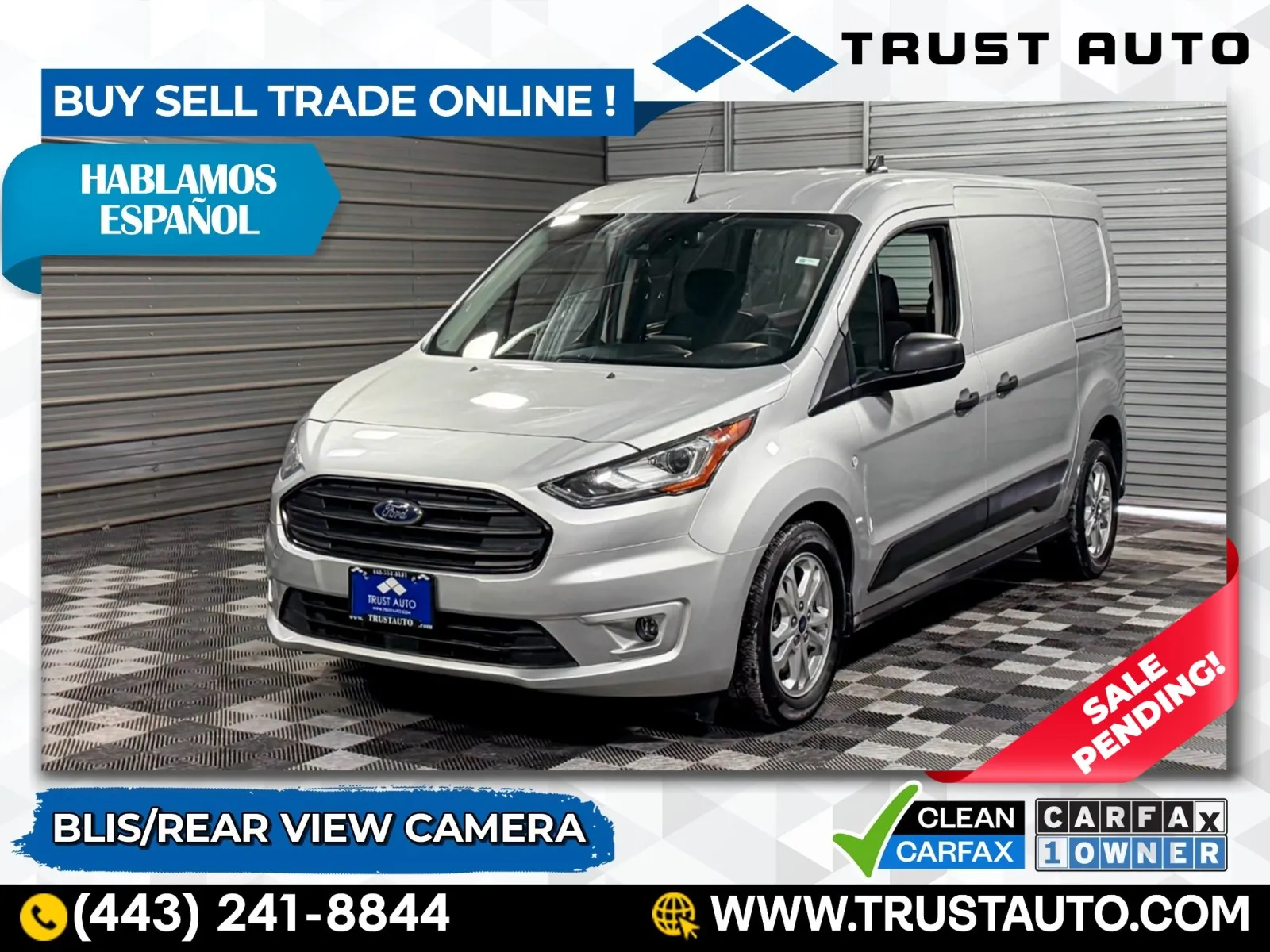
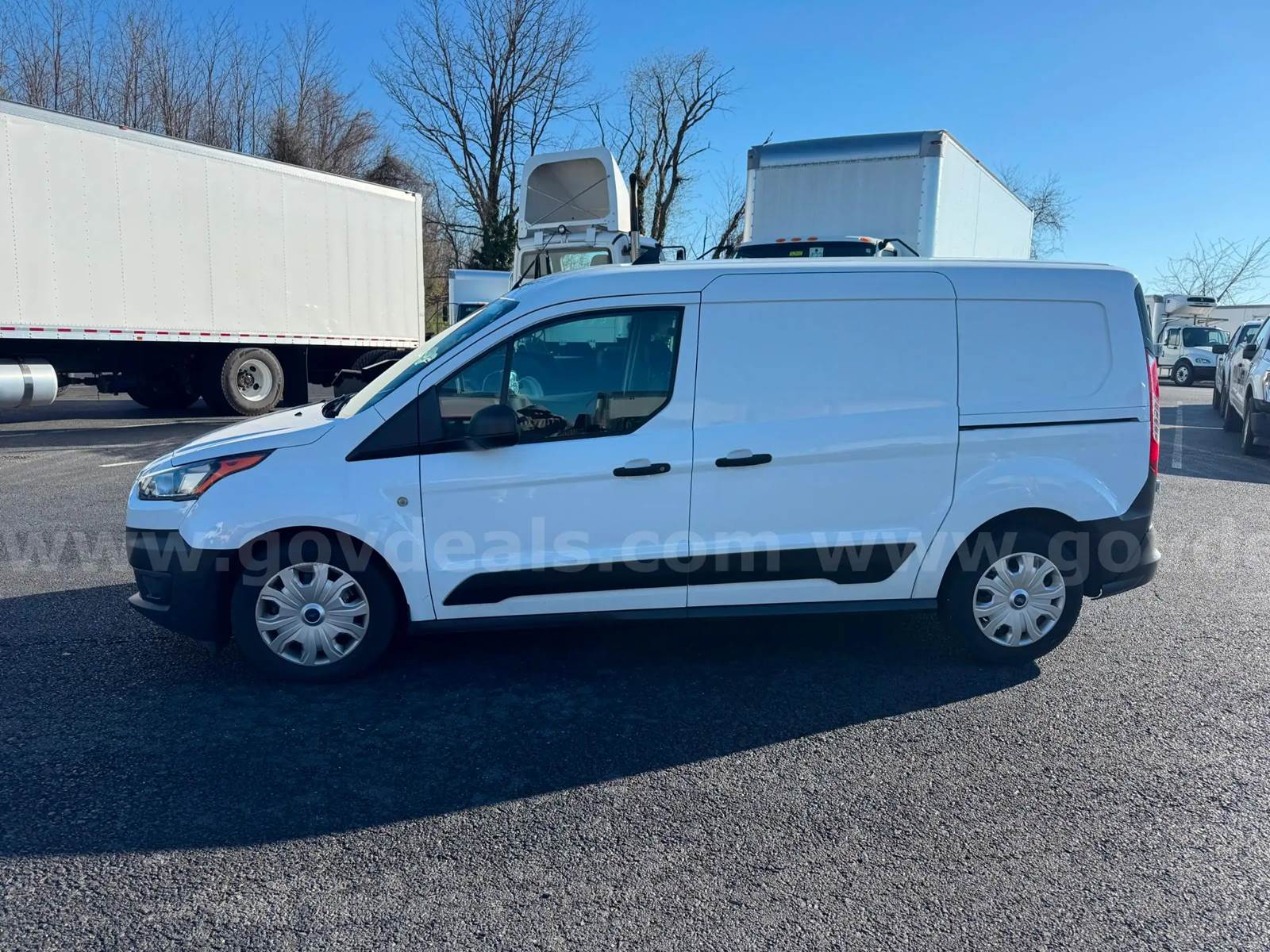
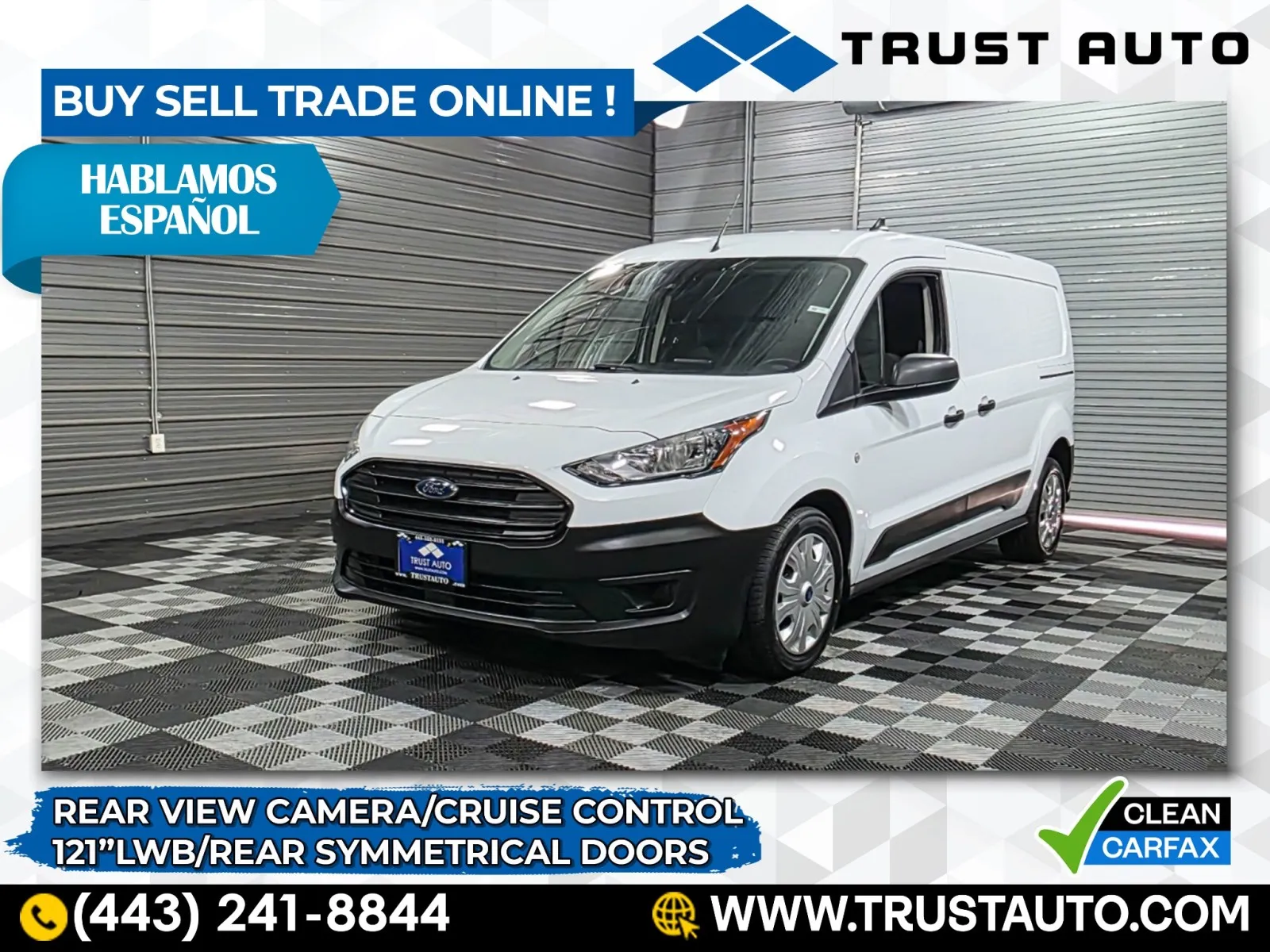
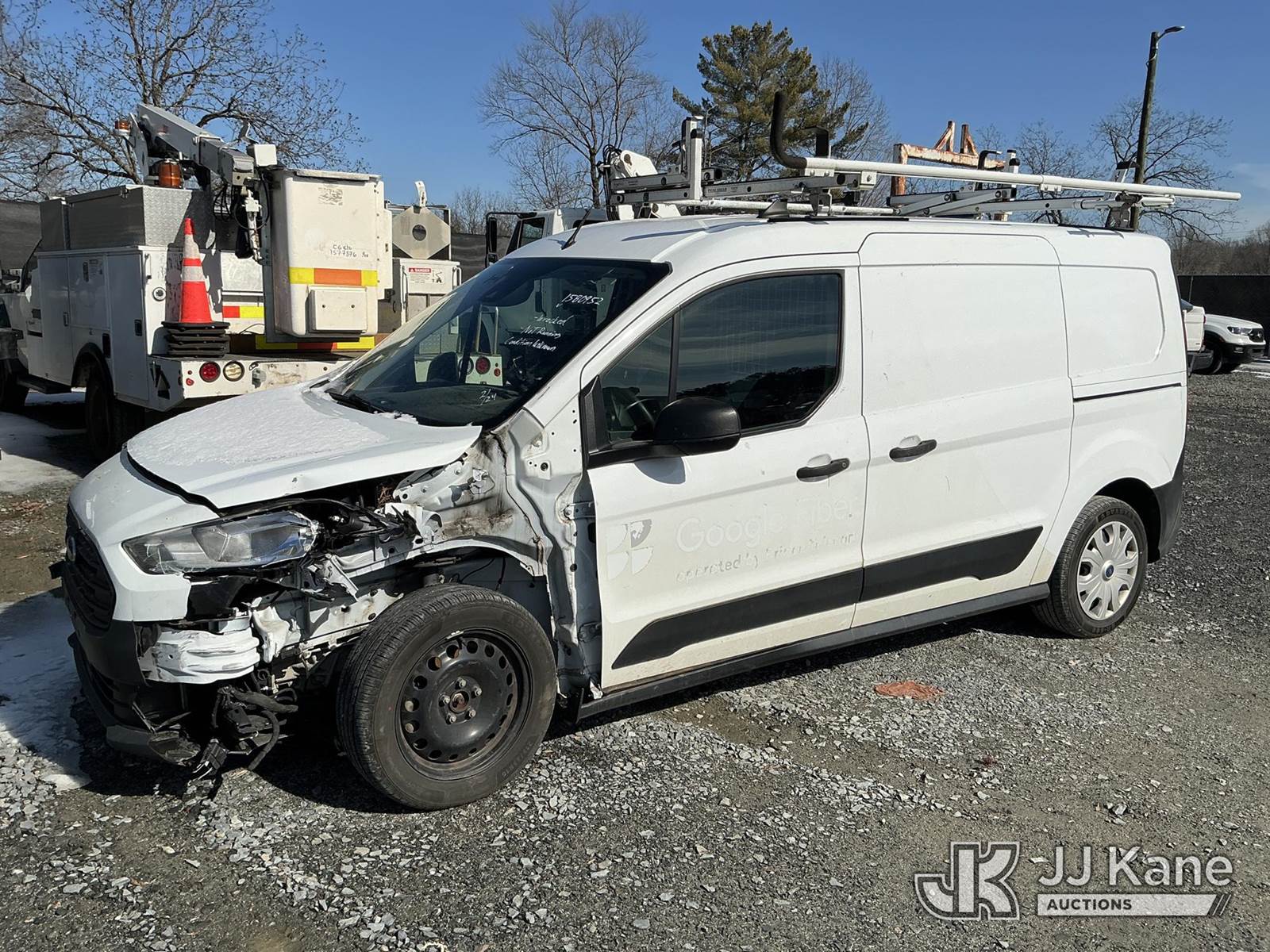
The 2022 Ford Transit Connect Cargo Van serves as a versatile, fuel-efficient solution for small businesses requiring urban maneuverability without the footprint of a full-sized van. Offering two wheelbase lengths and a manageable towing capacity, it bridges the gap between a standard minivan and a heavy-duty hauler for specialized trades.
For small business owners and fleet managers operating in 2026, the 2022 Ford Transit Connect represents one of the most balanced entries in the compact van segment. Although the automotive landscape has shifted toward electrification and larger platforms, this specific model year remains a staple in the secondary commercial market due to its reliability, ease of upfitting, and low cost of ownership. Whether you are a florist navigating tight city streets, a mobile technician requiring organized tool storage, or a delivery service prioritizing fuel economy, understanding the technical specifications and operational advantages of the 2022 Transit Connect is essential for making a sound capital investment.
Understanding the Configuration: SWB vs. LWB
One of the primary decisions for any business acquiring a 2022 Transit Connect is the choice between the Short Wheelbase (SWB) and the Long Wheelbase (LWB) configurations. This choice dictates not just the physical length of the vehicle, but also its turning radius, maximum payload, and total cargo volume.
The Short Wheelbase version features a 104.8-inch wheelbase and an overall length of approximately 174 inches. This configuration is specifically designed for high-density urban environments where parallel parking and narrow alleyway navigation are daily requirements. With a curb-to-curb turning diameter of just 38.3 feet, the SWB model handles more like a compact sedan than a commercial truck. However, the trade-off is found in the cargo area, which offers approximately 104.8 cubic feet of space.
The Long Wheelbase version extends the wheelbase to 120.6 inches, bringing the total vehicle length to 190 inches. This extension is critical for businesses that carry longer items, such as ladders, piping, or standard-sized catering trays. The LWB configuration increases the cargo volume significantly to 127.4 cubic feet. For most businesses, the LWB is the preferred choice because the slight increase in turning radius (to 40 feet) is often outweighed by the substantial gain in floor length, which extends to 87.6 inches behind the front seats.
Powertrain and Performance Specs
Under the hood, the 2022 Ford Transit Connect Cargo Van is engineered for efficiency rather than raw towing power. Most models found on the market are equipped with the 2.0L GDI I-4 engine, which produces 162 horsepower and 144 lb.-ft. of torque. This engine is paired with an 8-speed SelectShift automatic transmission, designed to optimize gear ratios for city stop-and-go traffic while maintaining decent highway fuel economy.
For fleet-specific orders, some 2022 models may be equipped with the 2.5L iVCT I-4 engine, delivering 169 horsepower and 171 lb.-ft. of torque. This engine was often paired with a 6-speed automatic transmission and was a popular choice for businesses that intended to convert their vans to run on Compressed Natural Gas (CNG) or Propane Autogas, thanks to the available Gaseous Engine Prep Package.
When evaluating performance for business use, the payload and towing capacities are the most critical metrics:
- Maximum Payload: Up to 1,550 lbs. (depending on configuration).
- Maximum Towing: 2,000 lbs. when equipped with the Trailer Tow Package.
While a 2,000-lb. towing capacity is modest, it is sufficient for small utility trailers carrying extra supplies or light machinery, making the Transit Connect a surprisingly capable "mule" for landscaping or light construction businesses.
Detailed Cargo Dimensions and Volume
The true value of a cargo van lies in its interior dimensions. Ford designed the 2022 Transit Connect with near-vertical side walls, which maximizes the usable width for shelving and bins. The load floor height is remarkably low, sitting at approximately 23 inches, which reduces physical strain on employees during repetitive loading and unloading tasks.
| Specification | Short Wheelbase (SWB) | Long Wheelbase (LWB) |
|---|---|---|
| Max Cargo Volume (Behind 1st Row) | 104.8 cu. ft. | 127.4 cu. ft. |
| Max Cargo Length (at floor) | 70.9 in. | 87.6 in. |
| Max Cargo Width (between wheelhouses) | 48.7 in. | 48.7 in. |
| Max Cargo Height | 49.8 in. | 49.7 in. |
| Liftover Height (Unladen) | 23.3 in. | 23.4 in. |
| Turning Diameter (Curb-to-Curb) | 38.3 ft. | 40.0 ft. |
The 48.7-inch width between the wheelhouses is particularly noteworthy. While it cannot fit a standard 4x8 sheet of plywood flat on the floor, it is perfectly sized for standard Euro-pallets or custom shelving units from major upfitters like Adrian Steel or Weather Guard.
Business-First Interior and Technology
The interior of the 2022 Transit Connect is built for durability. The XL trim features hard-wearing vinyl floor coverings and cloth or vinyl seats that can withstand the rigors of a dirty job site. However, the XLT trim offers more creature comforts, including the SYNC 3 infotainment system with a 6.5-inch touchscreen, Apple CarPlay, and Android Auto.
For modern business operations, connectivity is not a luxury but a requirement. The 2022 model includes FordPass Connect, which allows fleet managers to track vehicle location, monitor fuel usage, and receive health alerts via a smartphone app or a more robust fleet management software suite. This telematics data is invaluable for reducing idle time and optimizing delivery routes.
Safety is another area where the 2022 model excels. Standard across all trims is Automatic Emergency Braking (AEB) with Pedestrian Detection. Many units also come equipped with the Ford Co-Pilot360 suite, which adds:
- Blind Spot Information System (BLIS) with Cross-Traffic Alert: Essential for vans with solid metal cargo doors that lack rear-quarter visibility.
- Lane-Keeping System: Helps prevent driver fatigue-related accidents on long highway hauls.
- Auto High-Beam Headlamps: Improves safety during late-night or early-morning shifts.
Upfitting and Specialized Trade Packages
The 2022 Ford Transit Connect is essentially a "blank canvas" for business owners. Because the model remained relatively consistent for several years, a vast ecosystem of third-party upfitting equipment exists. Businesses can customize the cargo area based on their specific industry needs:
- HVAC and Plumbing: High-density polyethylene (HDPE) or steel shelving units, tank racks for refrigerant, and heavy-duty bulkheads to protect the driver from shifting cargo.
- Electrician Packages: Specialized wire spool racks, small-part drawers, and locking cabinets for expensive testing equipment.
- Delivery and Catering: Interior LED lighting upgrades, non-slip floor mats, and folding shelves that allow for maximum floor space when needed.
- Mobile Workshop: Workbench surfaces can be installed over the wheel wells, allowing technicians to perform repairs inside the van during inclement weather.
The rear doors also offer customization. The standard 180-degree swing-out rear doors are ideal for loading with a forklift, as they open wide enough to clear the sides of the vehicle. Alternatively, a rear liftgate is available, which provides a measure of shelter from rain or sun during curbside deliveries, a feature highly prized by florists and couriers.
Total Cost of Ownership (TCO) in 2026
When evaluating the 2022 Ford Transit Connect from the perspective of 2026, the Total Cost of Ownership (TCO) is the most compelling argument for its purchase. Since Ford discontinued the gasoline-powered Transit Connect for the North American market shortly after this model year, these vehicles have held their value remarkably well due to the lack of direct compact competitors.
Fuel Efficiency: The 2.0L engine typically achieves an EPA-estimated 24 mpg city and 27 mpg highway. In an era of fluctuating fuel prices, these figures are significantly better than full-sized vans like the Ford Transit or Ram ProMaster, which often struggle to break 15-18 mpg in city cycles.
Maintenance: The mechanical components of the 2022 model are well-understood by technicians nationwide. Parts are readily available and generally affordable. Unlike some European competitors in the compact van space, the Transit Connect does not require specialized tools or "boutique" European-spec oils for standard service, keeping routine maintenance costs low.
Insurance and Registration: Because of its smaller engine and classification as a light commercial vehicle, insurance premiums for the Transit Connect are generally lower than those for heavy-duty 2500 or 3500 series vans. Furthermore, its weight class often exempts it from the more stringent (and expensive) commercial registration requirements found in certain jurisdictions.
Common Considerations and Potential Drawbacks
While the 2022 Transit Connect is a robust tool, it is not without limitations. Businesses should be aware of the following before committing to a fleet purchase:
- Payload Sensitivity: While rated for 1,550 lbs., hitting this limit consistently will accelerate wear on the suspension and braking systems. Businesses that regularly carry heavy machinery or dense materials (like tile or liquid tanks) may find the Transit Connect underpowered.
- Cabin Storage: While the cargo area is cavernous for its size, the cabin itself is somewhat tight for larger drivers. Storage for clipboards, tablets, and personal items is adequate but not as expansive as in larger trucks.
- Ground Clearance: The low floor height that makes loading easy also means the van has limited ground clearance. It is not designed for unpaved construction sites or deep snow; it is strictly a "pavement-first" vehicle.
Comparison with Market Alternatives
By 2022, the compact van market had begun to shrink. The Ram ProMaster City was its closest rival, offering slightly more horsepower but lacking the same level of driver-assist technology and refined interior ergonomics. The Mercedes-Benz Metris was another alternative, providing more power and a higher payload, but at a significantly higher purchase price and substantially higher maintenance costs.
In 2026, the 2022 Transit Connect stands out because of Ford's massive service network. For a business, downtime is lost revenue. The ability to get a 2022 Transit Connect serviced at almost any Ford dealership in the country remains a significant competitive advantage over discontinued or less-supported brands.
FAQs About the 2022 Ford Transit Connect
Can the 2022 Ford Transit Connect fit a standard pallet?
Yes, but with caveats. The width between the rear wheel wells is 48.7 inches, which accommodates a standard North American pallet (48" x 40") or a Euro-pallet. However, the LWB model is highly recommended for this purpose to ensure there is enough depth to secure the load and still close the rear doors safely.
Is the 2022 Transit Connect available in All-Wheel Drive (AWD)?
No. The 2022 Ford Transit Connect was only manufactured with a Front-Wheel Drive (FWD) drivetrain. While FWD provides good traction in light rain and urban conditions due to the weight of the engine over the drive wheels, businesses in heavy snow belts should invest in high-quality winter tires to maintain mobility.
What is the difference between the XL and XLT trims for a business?
The XL is the "workhorse" trim, featuring vinyl seats, a basic radio, and fewer power features, making it easy to clean and difficult to damage. The XLT adds the SYNC 3 touchscreen, fog lamps, and body-colored bumpers. For businesses where the driver is also the owner or salesperson, the XLT’s added comfort and connectivity are usually worth the slightly higher used-market price.
How does the 2022 model year differ from the 2021 model?
The 2022 model was largely a carryover from 2021. The primary differences were minor changes in exterior paint availability and packaging of certain safety features. Mechanically, they are nearly identical, which is beneficial for fleets looking to maintain a uniform set of parts and maintenance schedules across multiple vehicles.
What is the expected lifespan of a 2022 Transit Connect in a commercial fleet?
With proper maintenance, these vehicles are known to reach 150,000 to 200,000 miles. The 2.0L GDI engine and the 8-speed transmission are a durable combination. To maximize lifespan, businesses should strictly adhere to the "Severe Duty" maintenance schedule outlined in the owner’s manual, which accounts for the high-idle and heavy-load conditions typical of commercial use.
Recommended Next Actions for Business Buyers
If you are considering adding a 2022 Ford Transit Connect to your business in 2026, start by conducting a payload audit. Weigh your typical equipment and inventory to ensure it falls comfortably within the 1,550-lb. limit. Overloading is the leading cause of premature transmission and suspension failure in compact vans.
Next, prioritize vehicles with a documented service history and the Ford Co-Pilot360 package. The safety features included in that suite can significantly reduce the risk of minor "fender benders" in urban traffic, which keeps your insurance premiums stable and your drivers on the road. Finally, consult with a local upfitter to see if existing shelving and bins can be transferred from your current vehicles or if a new, model-specific kit is required to optimize your workflow.