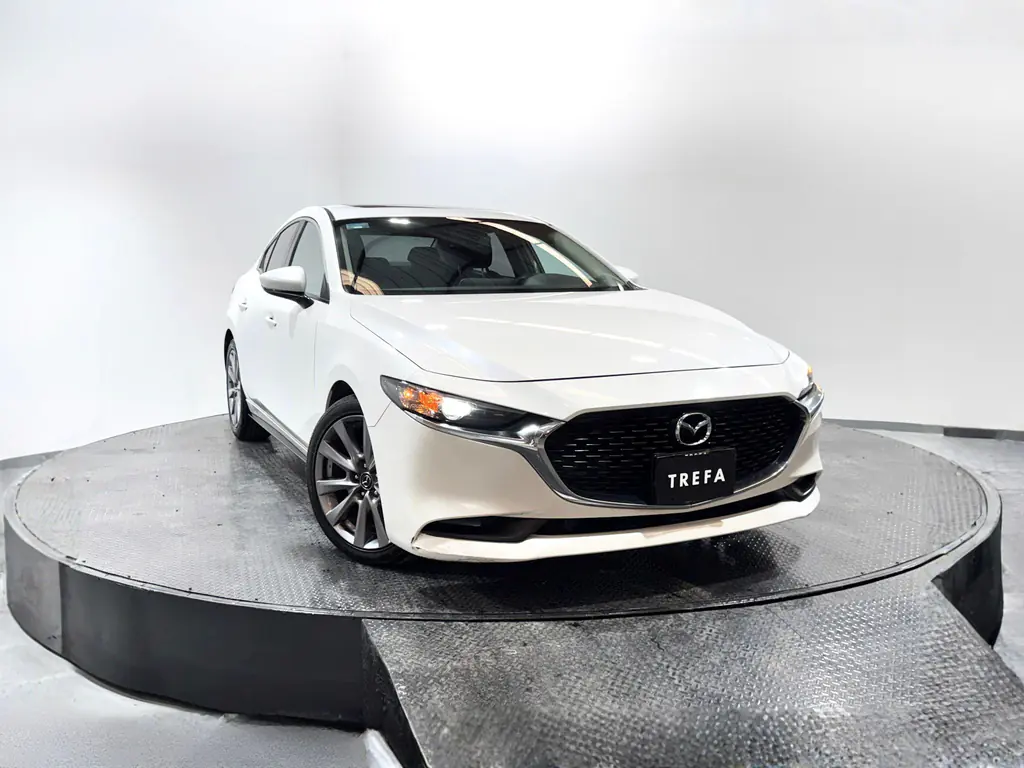
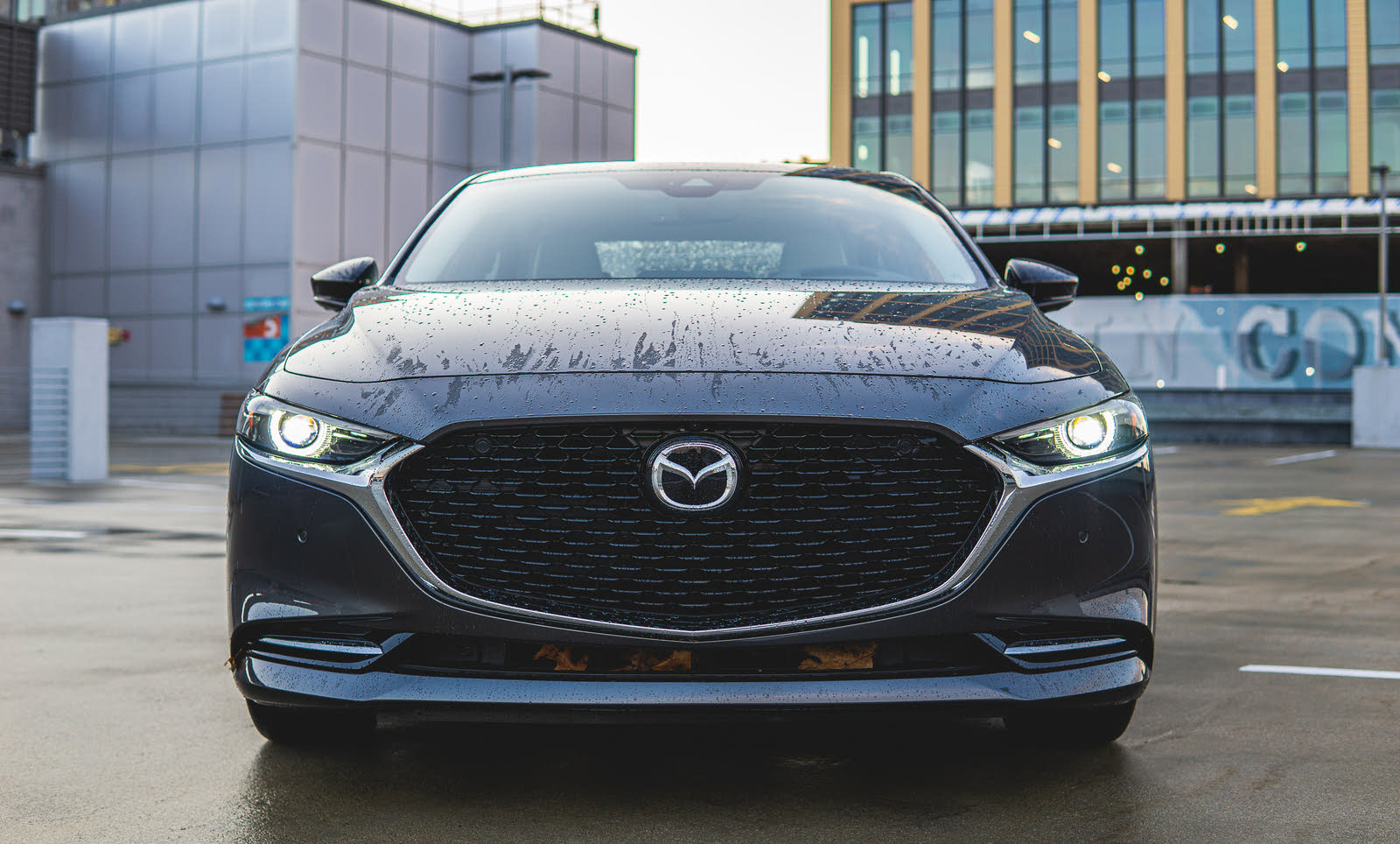
The 2021 Mazda 3 demonstrates varying 0-60 mph acceleration times depending primarily on its engine configuration, transmission, and drivetrain. Base 2.5-liter naturally aspirated models generally achieve the 0-60 mph sprint in approximately 7.5 to 8.0 seconds, while the turbocharged variants significantly reduce this time, clocking in between 5.6 and 6.1 seconds.
The Evolution of the Mazda 3 Performance Profile
When evaluating the 2021 Mazda 3, it is essential to recognize that this model year represents a pivotal point in the brand's shift toward a more premium market positioning. Mazda moved away from positioning the 3 as a strictly economy-focused compact car, instead opting for a "near-luxury" aesthetic and mechanical sophistication. This philosophy directly influences how the vehicle performs. The 2021 lineup features three distinct engine options that cater to different driving needs: the standard 2.0-liter engine, the 2.5-liter Skyactiv-G engine, and the potent 2.5-liter Skyactiv-G Turbo engine.
The performance of the 2021 Mazda 3 is not solely defined by the engine displacement but by the integration of Mazda’s chassis engineering. The vehicle is designed to provide a "Jinba Ittai" experience—a Japanese term translating to "horse and rider as one." This emphasis on handling and responsiveness means that 0-60 times are only one metric in a much larger narrative about how the car handles torque delivery, steering feedback, and gear ratios in the six-speed automatic transmission.
Analyzing the Powertrain Configurations
To understand the specific acceleration figures, one must look at the technical specifications of the 2021 powertrain options. The variance between the base models and the top-tier Turbo models is substantial, and for many prospective owners or enthusiasts, this is the deciding factor in vehicle selection.
The 2.0-Liter Naturally Aspirated Engine
Found primarily in the base sedan, this engine serves the efficiency-minded driver. With roughly 155 horsepower, it is not designed for track-style acceleration. In real-world testing, this configuration typically yields 0-60 times in the low 8-second range. It is tuned for city driving and fuel economy rather than quick-sprint performance.
The 2.5-Liter Naturally Aspirated Engine
This engine is the "middle ground" of the 2021 lineup. It offers 186 horsepower and 186 lb-ft of torque. Because this engine is available in both front-wheel drive (FWD) and all-wheel drive (AWD) configurations, the weight difference and traction capabilities affect the results. AWD models, while slightly heavier, often find better traction off the line, resulting in a consistent 0-60 time of approximately 7.5 to 7.8 seconds.
The 2.5-Liter Skyactiv-G Turbo Engine
This is the performance standout for the 2021 model year. By utilizing a turbocharger, Mazda increased the output to 250 horsepower and a robust 320 lb-ft of torque (when using 93-octane fuel). This version is exclusively paired with an AWD system, which is crucial for managing that amount of torque. It is this configuration that achieves the sub-6-second times, making the 2021 Mazda 3 Turbo a legitimate competitor in the hot-hatch and performance-compact segment.
Performance Data Comparison Table
| Engine Configuration | Drivetrain | Horsepower | Est. 0-60 mph (Seconds) |
|---|---|---|---|
| 2.0L Skyactiv-G | FWD | 155 hp | 8.2 - 8.5 |
| 2.5L Skyactiv-G | FWD | 186 hp | 7.6 - 7.9 |
| 2.5L Skyactiv-G | AWD | 186 hp | 7.4 - 7.7 |
| 2.5L Turbo | AWD | 250 hp | 5.6 - 6.1 |
Note: The times listed above represent typical results from independent automotive testing. Real-world performance can vary based on tire choice, road conditions, fuel quality, and altitude.
Factors Influencing Acceleration Results
Beyond the raw engine specs, several variables dictate whether a driver hits the manufacturer-estimated or magazine-tested times. Understanding these factors is vital for any driver attempting to evaluate the car's performance capabilities.
The Impact of Fuel Octane
Mazda’s turbo engine is somewhat unique in that its power output is dependent on the fuel grade. Using 87-octane fuel will lower the output to 227 horsepower and 310 lb-ft of torque. When using 93-octane, the engine reaches its full 250 horsepower and 320 lb-ft. This difference is not merely theoretical; it directly impacts the 0-60 acceleration time, often causing a variation of a few tenths of a second in controlled conditions.
Drivetrain and Traction
The inclusion of Mazda's i-Activ AWD system plays a significant role. In the 2021 Turbo models, the AWD system is tuned to prioritize grip during hard acceleration. By distributing torque to the rear wheels before the front wheels lose traction, the car minimizes wheel spin. In contrast, the FWD models rely solely on the front tires, which can lead to "torque steer" and hesitation off the starting line during aggressive acceleration, potentially skewing the 0-60 times higher if the driver does not manage throttle input carefully.
Transmission Characteristics
The 2021 Mazda 3 utilizes a traditional six-speed automatic transmission rather than the Continuously Variable Transmissions (CVTs) found in many competitors. While some modern dual-clutch transmissions (DCTs) can shift faster, Mazda's six-speed is prized for its reliability and direct mechanical feel. The gear ratios are specifically spaced to keep the engine in the power band, which aids in maintaining linear acceleration throughout the sprint.
Practical Performance: Beyond the 0-60 Metric
While the 0-60 mph metric is the standard benchmark for automotive performance, it is often a misleading indicator of a car's character. The 2021 Mazda 3 is widely regarded for its "in-gear" acceleration—the ability to pass at highway speeds. The high torque output of the Turbo variant makes it feel significantly faster in day-to-day driving than the 0-60 time might suggest.
Because the peak torque in the Turbo model is available at relatively low RPMs (2,500 RPM), the car feels eager and responsive in traffic. For the average owner, this "mid-range punch" is more relevant to the driving experience than shaving a tenth of a second off a stoplight sprint.
Common Misconceptions and Limitations
When researching the 2021 Mazda 3 performance, it is easy to find conflicting reports regarding its speed. A primary source of confusion is the difference between sedan and hatchback body styles, as well as the equipment packages (such as Premium Plus). While these aesthetic and interior packages add weight, they do not materially change the engine or transmission performance.
However, users should be aware that "performance" in a Mazda 3 context refers to a balanced approach. It is not an "Evo" or "STI" style rally-bred machine. The suspension is tuned for comfort and composure, meaning that while the engine is capable of sub-6-second sprints, the chassis is designed to handle those forces with stability rather than aggressive, twitchy feedback. It is a mature performance vehicle, not a raw track toy.
Maintenance Considerations for Performance
Achieving consistent performance requires strict adherence to maintenance protocols. The Skyactiv-G Turbo engine, specifically, requires high-quality full-synthetic motor oil and timely replacements of air filters. A clogged air filter or degraded engine oil will negatively affect throttle response and, by extension, acceleration times. Furthermore, tire selection is critical. The factory-provided all-season tires are designed for longevity and all-weather capability, not for maximum grip. Upgrading to a performance-oriented summer tire will significantly improve the 0-60 times by increasing traction during the initial launch phase.
Frequently Asked Questions
Does the 2021 Mazda 3 Turbo require premium fuel to reach its stated 0-60 time? Yes, to achieve the full 250 horsepower, you must use 93-octane fuel. While the engine will run safely on 87-octane, the electronic control unit will adjust timing, resulting in a lower power output of 227 horsepower and slightly slower acceleration.
Is the AWD system in the 2021 Mazda 3 always active? Yes, the i-Activ AWD system is a predictive, permanent system. It constantly monitors various sensors, including steering angle, throttle position, and wheel speed, to shift power proactively. This helps it achieve better 0-60 times than the FWD versions by ensuring maximum traction at the moment of launch.
Can a base model 2021 Mazda 3 be modified to match the Turbo's 0-60 time? While aftermarket tuning and intake modifications can increase the horsepower of the 2.5-liter naturally aspirated engine, it is highly unlikely to match the performance of the factory Turbo model. The internal construction of the engine and the presence of the turbocharger make the factory performance tier inherently superior in terms of both power and reliability.
How does the transmission affect the 0-60 sprint? The 2021 Mazda 3 uses a six-speed automatic transmission. Unlike many modern competitors that use CVTs, which can feel sluggish or noisy during hard acceleration, Mazda's transmission provides a traditional, stepped-gear sensation. This allows for more predictable power delivery and a more engaging experience during a 0-60 run.
Why do some reviews show different 0-60 times for the same trim? Variations in testing conditions are the primary cause. Factors such as pavement surface, air temperature, elevation (air density), and even the weight of the driver can change results by a significant margin. Professional testing organizations often perform "corrected" runs to account for these variables, but individual owner testing will always have a variance.
Next Steps for Enthusiasts
If your interest in the 2021 Mazda 3 is driven by its performance capability, your next action should be a test drive of the Turbo variant on a varied route. Focus not just on the initial acceleration from a stop, but on how the car handles merging onto a highway or passing at higher speeds. Pay attention to how the transmission downshifts under load, as this is where the car’s personality truly shines. If you are looking to maximize the vehicle's potential, ensure that your tire pressure is set correctly per the manufacturer's door-jamb specifications, as even minor deviations can hinder traction and performance during acceleration tests.