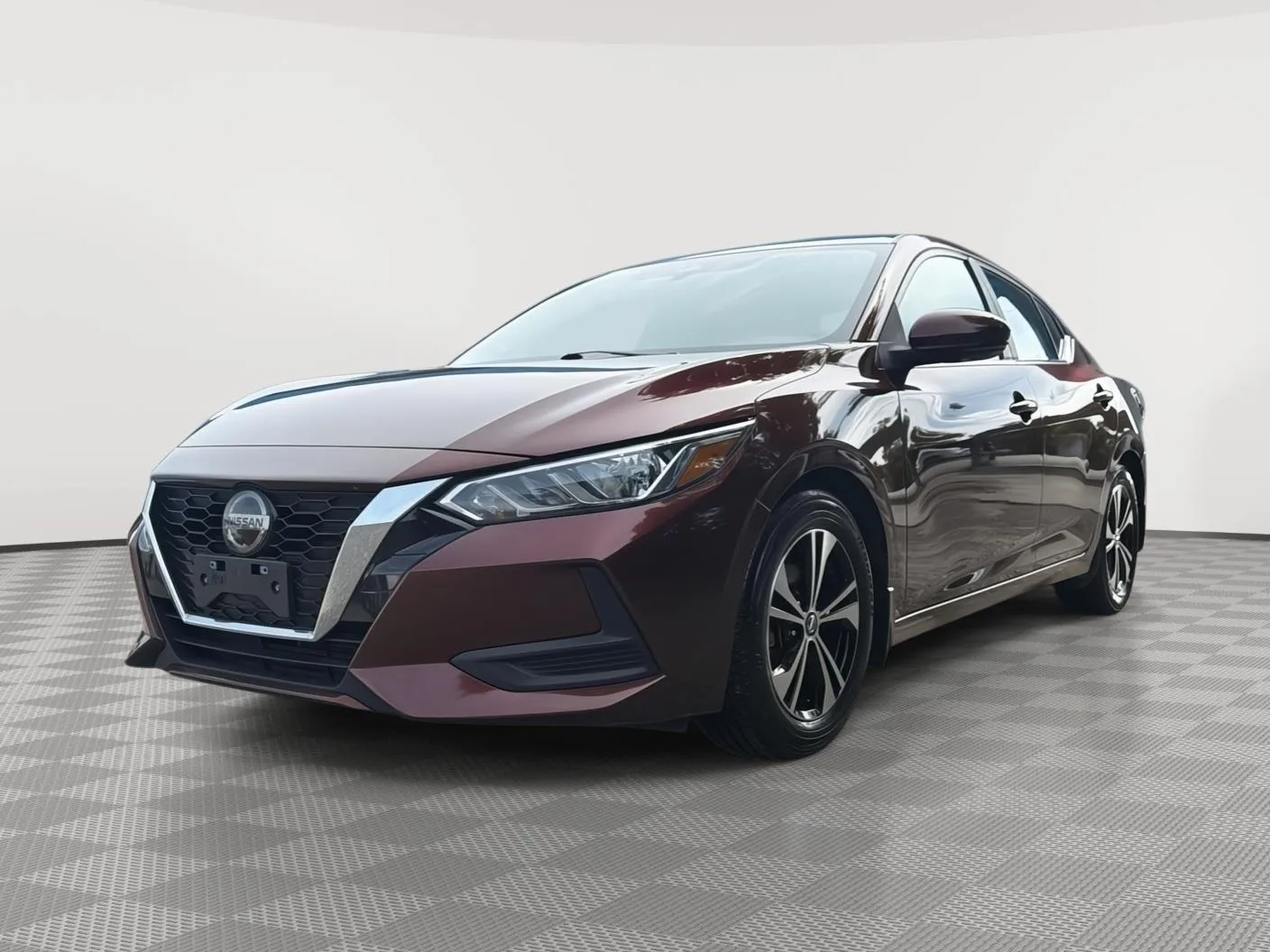
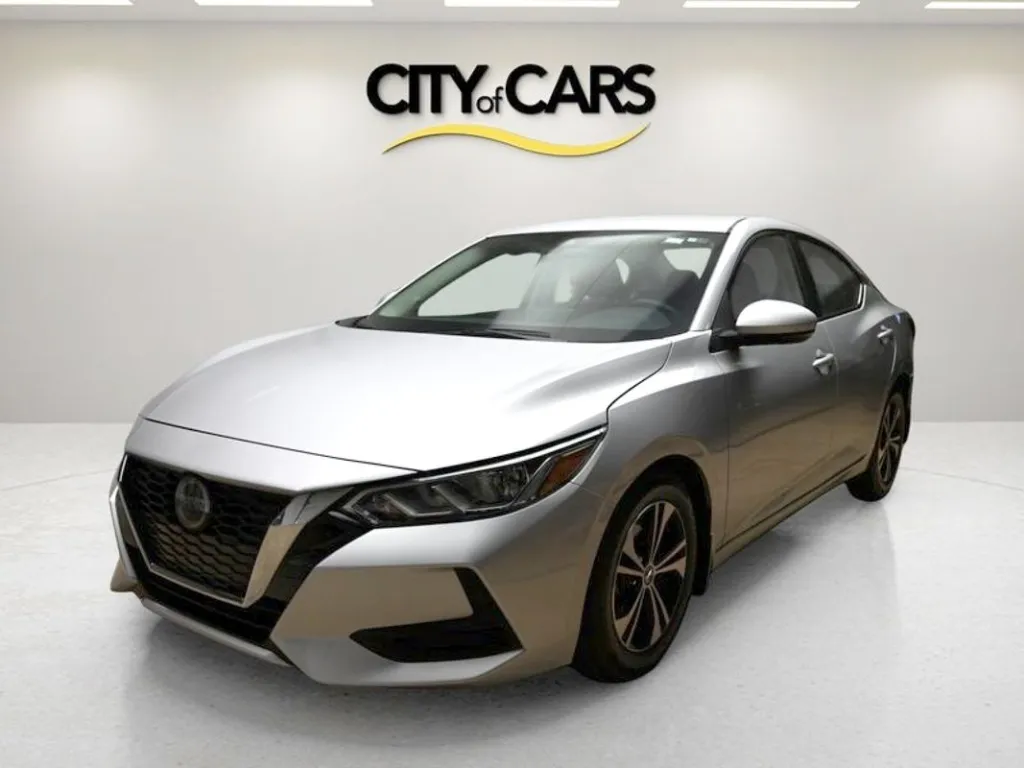
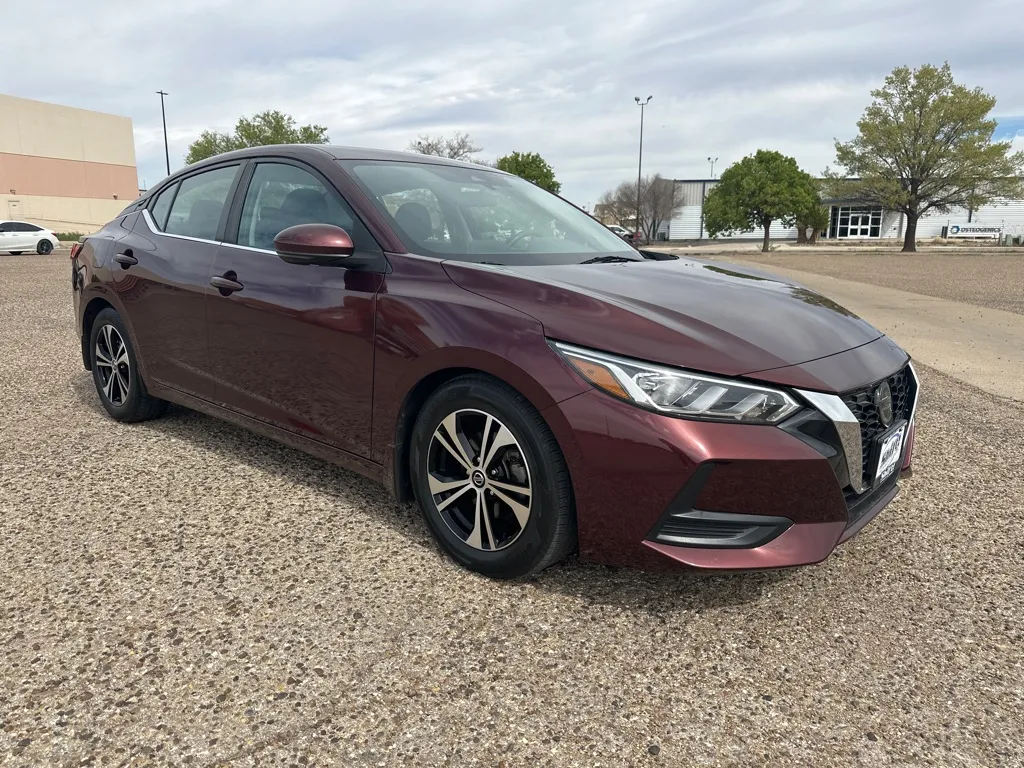
The 2020 Nissan Sentra SV generates 149 horsepower at 6,000 RPM and 146 lb-ft of torque at 4,000 RPM. This output comes from a naturally aspirated 2.0-liter four-cylinder engine paired with an Xtronic continuously variable transmission, providing daily drivers with balanced efficiency and predictable acceleration for standard commuting conditions.
When evaluating a compact sedan like the eighth-generation Nissan Sentra, buyers often focus heavily on fuel economy, but engine output remains a critical factor for highway merging, passing maneuvers, and overall driving dynamics. The 2020 model year marked a complete redesign for the Sentra line, replacing the aging powertrain options of the previous generation with a more refined, larger-displacement engine. Understanding the exact mechanical capabilities, transmission pairing, and real-world performance of the SV trim level helps potential owners and automotive enthusiasts determine whether this compact sedan meets their specific driving requirements.
Evolution of the Sentra Powertrain: The 2020 Redesign
The 2020 model year introduced a watershed moment for the Nissan Sentra nameplate. Prior generations relied on smaller displacement engines, such as the 1.8-liter four-cylinder found in the 2013 through 2019 models, which produced a modest 130 horsepower and 128 lb-ft of torque. That previous setup frequently drew criticism from automotive reviewers for feeling sluggish under heavy acceleration and noisy when pushed to high revolutions per minute.
To address these performance shortcomings, Nissan engineered an entirely new platform and powertrain combination for 2020. The transition to the MRA4DE engine code brought a 2.0-liter displacement increase, boosting output significantly. The 2020 Nissan Sentra SV horsepower rating of 149 hp represents a roughly 15 percent increase over the outgoing model. This mechanical upgrade transformed the vehicle from an underpowered commuter car into a more competitive entry in the compact sedan segment, aligning it more closely with rivals like the Honda Civic and Toyota Corolla.
Furthermore, the redesign included a switch to an independent rear multi-link suspension setup across all trim levels, replacing the older torsion beam design. This chassis improvement works in tandem with the revised engine output to provide a more planted, confident driving experience, ensuring the chassis can effectively manage the power delivered to the front wheels.
Detailed Technical Specifications of the 2020 Nissan Sentra SV Engine
The heart of the 2020 Nissan Sentra SV is the 2.0-liter (1,997 cc) inline-four engine. Unlike some modern competitors that utilize turbochargers to eke out power from tiny displacements, Nissan opted for a naturally aspirated design. This configuration relies on atmospheric pressure to introduce air into the combustion chambers, leading to a linear and predictable power delivery curve without turbo lag.
Core Engine Metrics
- Engine Type: DOHC 16-valve 4-cylinder gasoline engine
- Displacement: 2.0 liters (1997 cc)
- Horsepower: 149 hp @ 6,000 RPM
- Torque: 146 lb-ft @ 4,000 RPM
- Compression Ratio: 11.7:1
- Bore x Stroke: 84.0 mm × 90.1 mm
- Fuel Induction: Sequential Multi-Point Fuel Injection (MFI)
- Recommended Fuel: Regular Unleaded (87 octane)
The relatively high compression ratio of 11.7:1 aids in thermal efficiency, extracting more energy from every drop of regular unleaded fuel. The dual overhead camshafts (DOHC) and four valves per cylinder allow the engine to breathe efficiently at higher RPM ranges, where the peak 149 horsepower is unlocked at 6,000 RPM. Meanwhile, the peak torque of 146 lb-ft arrives earlier in the rev band at 4,000 RPM, giving the car adequate pull when moving from a standstill or pulling away from a low-speed turn.
Transmission Pairing: The Xtronic CVT
Engine output figures only tell part of the story; how that power reaches the front wheels dictates the actual driving feel. The 2020 Nissan Sentra SV utilizes an Xtronic continuously variable transmission (CVT). Nissan has refined its CVT technology over multiple generations, and the version paired with the 2.0-liter engine incorporates D-Step Logic simulation.
D-Step Logic mimics the stepped shift points of a traditional automatic transmission during heavy acceleration. By artificially creating "shift points," the transmission reduces the persistent, droning engine noise typically associated with older CVTs under wide-open throttle. While enthusiasts often prefer manual gearboxes or conventional geared automatics, this CVT is tuned primarily for fuel efficiency and smooth power delivery.
The seamless gearless ratio changes help keep the engine operating within its optimal efficiency band. This optimization contributes directly to the Environmental Protection Agency (EPA) fuel economy estimates for the Sentra SV, which typically sit around 29 mpg city, 39 mpg highway, and 33 mpg combined, allowing drivers to balance daily commuting costs with adequate power output.
Performance Comparison Across the 2020 Sentra Lineup
The 2020 Sentra lineup features three primary trim levels: S, SV, and SR. Mechanically, Nissan maintained a consistent powertrain across all three variants. Every standard 2020 Sentra utilizes the identical 2.0-liter engine and Xtronic CVT combination, meaning the horsepower and torque figures remain uniform whether you purchase the base model or the sportier-themed trim.
| Trim Level | Horsepower | Torque | Transmission | Drive Type | Front Brakes | Rear Brakes |
|---|---|---|---|---|---|---|
| Sentra S | 149 hp @ 6,000 RPM | 146 lb-ft @ 4,000 RPM | Xtronic CVT | FWD | Vented Disc | Solid Disc |
| Sentra SV | 149 hp @ 6,000 RPM | 146 lb-ft @ 4,000 RPM | Xtronic CVT | FWD | Vented Disc | Solid Disc |
| Sentra SR | 149 hp @ 6,000 RPM | 146 lb-ft @ 4,000 RPM | Xtronic CVT | FWD | Vented Disc | Solid Disc |
As shown in the comparison table, upgrading from the S trim to the SV trim does not alter the engine's mechanical output. Instead, the SV trim introduces enhancements such as 16-inch alloy wheels, an upgraded 8-inch touchscreen infotainment display with Apple CarPlay and Android Auto integration, premium cloth seat trim, and available adaptive cruise control. Therefore, choosing the SV trim provides a higher level of interior technology and comfort features without sacrificing or altering the base vehicle's mechanical horsepower metrics.
Real-World Driving Dynamics and Acceleration
Numbers on a spec sheet provide a baseline, but real-world performance dictates how a car feels during daily operation. With 149 horsepower moving a curb weight of approximately 3,039 pounds, the 2020 Nissan Sentra SV achieves a power-to-weight ratio that is competitive within the compact sedan class.
City Driving
In urban environments, the Sentra SV feels nimble and responsive. Because peak torque is available at 4,000 RPM, the car launches smoothly from traffic lights without requiring heavy throttle inputs. The electronic power-assisted steering provides light effort at low speeds, making parallel parking and tight maneuvers effortless.
Highway Driving and Passing
When merging onto high-speed interstates or executing passing maneuvers at 65 mph, the naturally aspirated engine requires full throttle input to reach its 6,000 RPM power peak. While acceleration is adequate for safe highway merging, it lacks the immediate low-end punch of turbocharged rivals like the Hyundai Elantra GT or Honda Civic 1.5T. Drivers must anticipate passing windows, but once up to cruising speed, the cabin remains relatively quiet, and the vehicle tracks straight with minimal steering corrections.
Maintenance Considerations for Optimal Engine Performance
Maintaining the 149-horsepower output of the 2020 Nissan Sentra SV requires adherence to routine factory maintenance schedules. Neglecting basic upkeep can lead to carbon buildup, restricted airflow, or transmission degradation, all of which diminish real-world power delivery.
- Oil Changes: Use genuine Nissan-approved synthetic 0W-20 engine oil at recommended intervals (typically every 5,000 to 7,500 miles). Fresh oil reduces internal friction, protecting the tight tolerances of the DOHC valvetrain.
- Air Filter Replacement: Inspect and replace the engine air filter every 15,000 to 30,000 miles. A restricted filter starves the naturally aspirated 2.0-liter engine of air, directly reducing throttle response and top-end horsepower.
- Spark Plug Service: The factory iridium-tipped spark plugs should be inspected and replaced according to the maintenance guide, usually around 105,000 miles, to ensure complete combustion and prevent misfires.
- CVT Fluid Inspection: While Nissan has improved the durability of its Xtronic transmissions, periodic inspection of the CVT fluid by a certified technician is vital for longevity, ensuring smooth power transfer from the engine to the wheels.
Frequently Asked Questions
Is the 2020 Nissan Sentra SV engine turbocharged?
No, the 2.0-liter four-cylinder engine in the 2020 Nissan Sentra SV is naturally aspirated. It relies on standard atmospheric pressure rather than a turbocharger or supercharger to induct air, which results in linear power delivery without turbo lag.
What is the 0-60 mph time for the 2020 Nissan Sentra SV?
Independent automotive testing organizations generally record a 0 to 60 mph acceleration time of approximately 8.0 to 8.2 seconds for the 2020 Nissan Sentra. This performance is typical for non-luxury compact sedans powered by naturally aspirated engines.
Does the 2020 Nissan Sentra SV require premium fuel?
No, the engine is designed to run efficiently on standard regular unleaded gasoline with an octane rating of 87. Using higher-octane fuel will not increase the 149-horsepower rating or provide measurable performance benefits.
Can the horsepower of the 2020 Nissan Sentra SV be easily upgraded?
Because the engine is naturally aspirated, aftermarket performance modifications such as cold air intakes, exhaust systems, or ECU tunes yield minimal horsepower gains. Significant power increases would require forced induction fabrication, which is generally impractical and costly for this platform.
How does the 2020 Sentra SV horsepower compare to the previous generation?
The 2020 model produces 149 horsepower, which is an increase of 19 horsepower over the 2013-2019 Sentra models that featured a 1.8-liter engine rated at 130 horsepower.
Conclusion and Next Actions
The 2020 Nissan Sentra SV delivers a dependable 149 horsepower, providing sufficient performance for daily commuting, school drop-offs, and highway road trips. While it is not designed to be a high-performance sports sedan, its balanced power output, paired with a comfortable interior and modern tech suite, makes it a practical choice in the used compact car market. If you are considering purchasing or maintaining a Sentra SV, verify its maintenance history, ensure the CVT has been serviced properly, and take it for a test drive to confirm the power delivery aligns with your driving expectations.