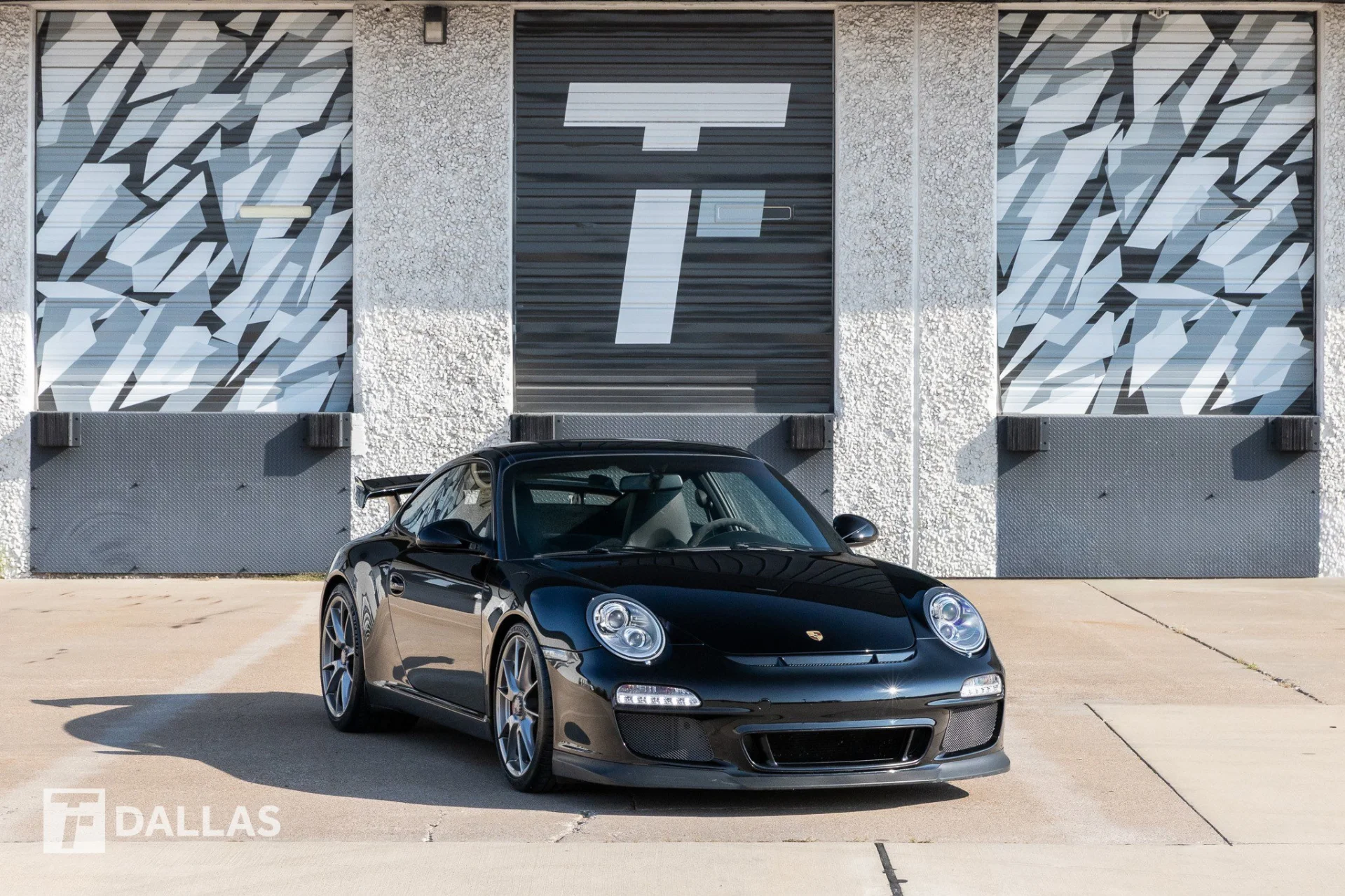
The 2010 Porsche 911 GT3 remains one of the most significant iterations of the 997 generation, representing a bridge between analog driving purity and modern performance standards. Known for its high-revving naturally aspirated engine, track-focused suspension geometry, and driver-centric manual transmission, it serves as the definitive benchmark for purists seeking a visceral, mechanical connection to the road.
The Engineering Evolution of the 997.2 GT3
The 2010 model year marked the introduction of the 997.2 update to the GT3, a refinement that addressed many of the mechanical nuances of its predecessor. Central to its identity is the 3.8-liter flat-six engine. Departing from the 3.6-liter displacement of the 997.1, this Mezger-derived engine—a lineage of powerplants renowned for their racing pedigree and dry-sump lubrication—produced 435 horsepower.
For the automotive enthusiast, the significance of this engine cannot be overstated. It was one of the final production applications of the Hans Mezger-designed engine architecture before Porsche shifted toward different configurations. The 2010 model utilized a sophisticated VarioCam system, which allowed for variable valve timing on both intake and exhaust sides, resulting in a broader torque curve and more responsive power delivery throughout the rev range. This engine is capable of reaching a redline of 8,500 rpm, a figure that continues to command respect in the automotive world as of 2026.
Precision Dynamics and Chassis Tuning
The chassis of the 2010 Porsche 911 GT3 was specifically engineered for the driver who spends significant time on a circuit. Unlike the standard Carrera models, the GT3 featured a widened track, stiffer anti-roll bars, and a significantly lower ride height. Porsche Active Suspension Management (PASM) was recalibrated for the GT3, offering a "Sport" mode that significantly firms up the damping rates, effectively minimizing body roll during high-speed cornering.
Another critical component of the 2010 GT3’s handling profile is the rear-wheel-drive architecture combined with a mechanical limited-slip differential. This setup provides predictable power delivery out of corners, allowing the driver to manipulate the car’s balance with the throttle. The use of forged aluminum wheels and ultra-high-performance tires further reduced unsprung mass, contributing to the steering precision that defines the 911 GT3 experience.
Technical Comparison: Performance Specs
To understand the position of the 2010 GT3 within the Porsche hierarchy, one must look at its performance data relative to the base Carrera and the more aggressive GT3 RS of the same era.
| Feature | 2010 911 GT3 | 2010 911 Carrera S | 2010 911 GT3 RS |
|---|---|---|---|
| Engine Size | 3.8L Flat-6 | 3.8L Flat-6 | 3.8L Flat-6 |
| Horsepower | 435 hp | 385 hp | 450 hp |
| 0–60 mph (sec) | 4.0 | 4.5 | 3.9 |
| Transmission | 6-Speed Manual | 6-Speed Manual / PDK | 6-Speed Manual |
| Curb Weight | ~3,075 lbs | ~3,130 lbs | ~3,020 lbs |
The Driver Interface: Manual Exclusivity
A defining characteristic of the 2010 Porsche 911 GT3 is its exclusive use of a six-speed manual transmission. In 2026, as modern sports cars increasingly shift toward dual-clutch transmissions (PDK) or fully electric powertrains, the 2010 GT3 offers a tactile, manual experience that is increasingly rare.
The gear ratios are closely stacked, specifically designed to keep the engine in its power band during spirited driving. The clutch weighting is deliberate and communicative, providing the driver with clear feedback on engagement. For collectors and enthusiasts, this transmission is a primary driver of the vehicle's long-term value, as it necessitates a high level of skill to extract the car's full potential, reinforcing its reputation as a "driver's car."
Maintenance and Ownership Requirements
Owning a 2010 Porsche 911 GT3 requires an understanding of its specialized maintenance needs. Because this model uses a race-derived engine, consistent upkeep is non-negotiable.
- Oil Management: The dry-sump lubrication system requires precise oil volume checks, typically when the engine is at operating temperature. Using the correct Porsche-approved synthetic oil is critical to preventing premature wear on the cylinder liners.
- Cooling System: The coolant pipes on the Mezger engines of this era are known to have bonded connections that can occasionally fail over long periods. Preventative pinning or welding of these fittings is a common recommendation among specialized shops.
- Suspension Components: The spherical joints used in the GT3 suspension, while offering superior precision, are wear items. Owners should expect to inspect bushings and dampers every few years, especially if the vehicle is used for track days.
- Brake Systems: The 2010 GT3 was offered with either standard steel discs or Porsche Ceramic Composite Brakes (PCCB). While the PCCBs offer incredible stopping power and reduced weight, they require specific maintenance protocols to ensure the longevity of the rotors.
Practical Considerations for Buyers in 2026
For those looking to acquire a 2010 Porsche 911 GT3 in the current market, the vehicle’s provenance is the most important factor. Verification of the car’s history—specifically regarding "over-rev" reports (DME readouts)—is essential. These reports reveal whether the engine has been subjected to mechanical over-revs that could indicate past abuse.
Prospective buyers should also prioritize cars with a comprehensive service history. Given the age of the vehicle, rubber components, hoses, and seals may be nearing the end of their design life regardless of mileage. A pre-purchase inspection (PPI) performed by a technician who specializes in air-cooled and Mezger-engine Porsches is the most reliable way to assess the true condition of the vehicle.
Frequently Asked Questions
Is the 2010 Porsche 911 GT3 a good investment? The 2010 GT3 is generally considered a strong enthusiast asset. Its status as one of the last high-revving, manual-only, Mezger-engine GT3s gives it significant collector appeal, which has historically helped it maintain or appreciate in value compared to mass-produced sports cars.
What is the main difference between the 2010 GT3 and the 2010 GT3 RS? While they share the same engine architecture, the GT3 RS features wider bodywork, a more aggressive rear wing for increased downforce, and slightly higher horsepower output. The RS is tuned even more heavily toward track usage, whereas the standard GT3 is often viewed as a more versatile "road and track" machine.
Can the 2010 GT3 be used as a daily driver? While technically possible, the GT3’s firm suspension, lack of sound deadening, and low ground clearance make it less comfortable than a standard Carrera. Its aggressive gearing and track-focused setup are designed for high-speed performance, not the stop-and-go nature of commuting.
How does the 2010 GT3 compare to modern Porsche GT cars? Modern GT3 models (such as those from 2024–2026) are faster due to aerodynamic advancements and sophisticated electronic assists. However, the 2010 GT3 provides a more analog, "raw" experience that many drivers find more engaging because the car relies less on software intervention to manage its grip.
Are parts for the 2010 GT3 still readily available? Yes, Porsche Classic provides excellent support for the 997 generation. While some specific cosmetic or trim pieces may become harder to source over time, the core mechanical components remain available through authorized dealers and specialized parts suppliers.
Final Recommendation
The 2010 Porsche 911 GT3 is an exemplary piece of automotive engineering that rewards precision and dedication. For those seeking the tactile engagement of a naturally aspirated, manual-transmission sports car, it remains an elite choice. To ensure a satisfying ownership experience, focus on identifying a well-maintained, low-abuse example with verified service records, and budget for the specialized care that an authentic Mezger-engined Porsche deserves.