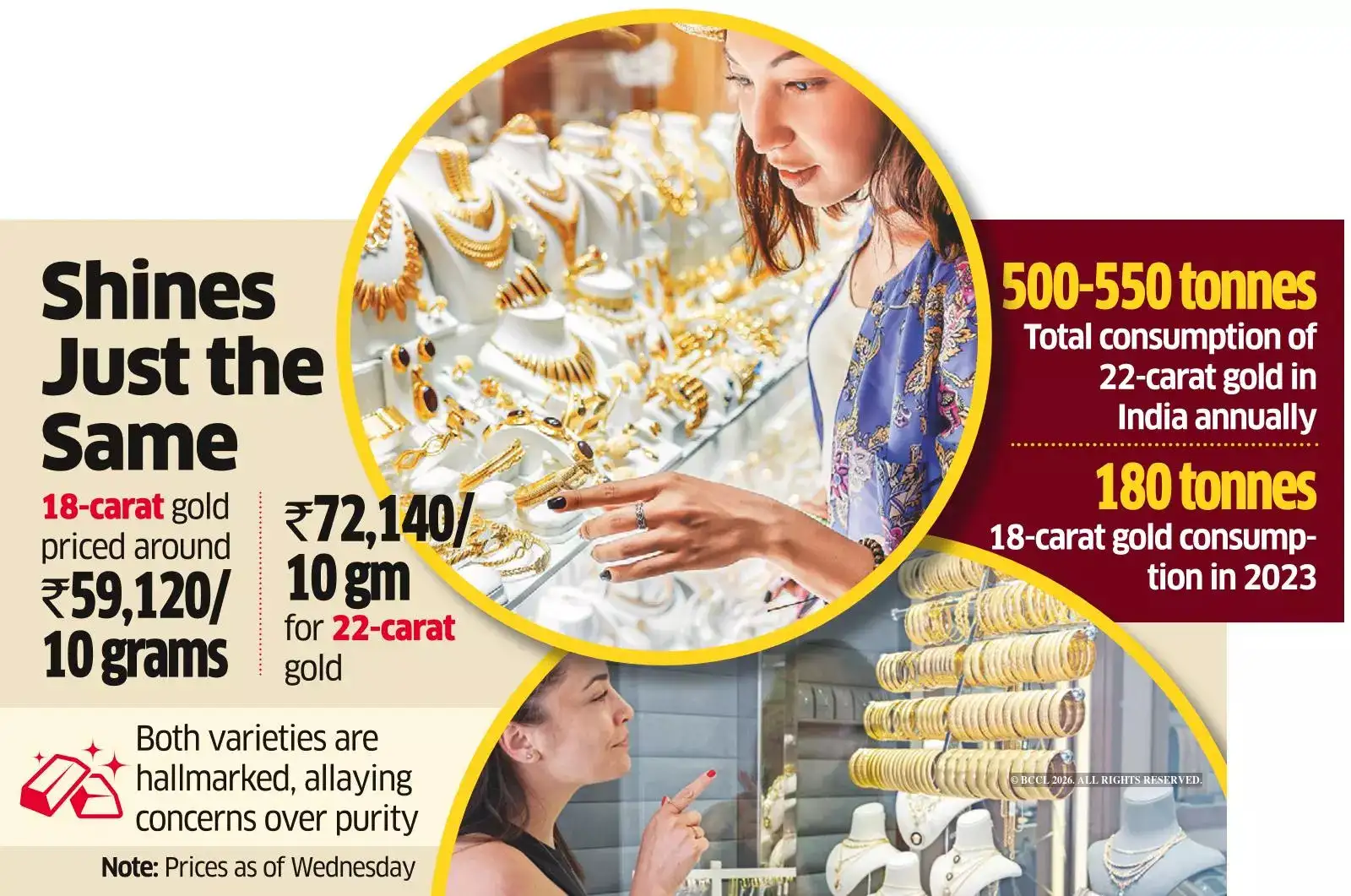
The cost of 22 carat gold per gram is determined by international spot market prices, currency exchange rates, import duties, and local taxes, making it a fluctuating figure that changes multiple times a day. While global benchmark prices set a baseline for pure 24 carat gold, retail pricing for 22 carat gold incorporates structural adjustments for alloy composition, manufacturing fees, and regional regulatory frameworks.
The Fundamentals of Gold Carats and Purity
To understand why gold is priced the way it is, one must first understand the concept of the carat (often spelled karat in North America). A carat is a unit of measurement used to express the purity of gold alloys, with 24 parts representing absolute, unadulterated purity. When gold is mined in its natural state, it is far too soft and malleable to be used practically for fine jewelry, intricate mountings, or everyday bullion handling. It bends easily, scratches under minimal pressure, and wears down quickly over time.
To resolve these physical limitations, precious metals refiners and jewelry manufacturers combine pure gold with other durable trace metals—most commonly copper, silver, zinc, and nickel. This creates a stronger alloy capable of withstanding the rigors of daily wear and tear.
The Composition of 22 Carat Gold
When an item is classified as 22 carat (22k) gold, it means the alloy consists of 22 parts of pure gold and 2 parts of other metals. Expressed mathematically:
- Purity Percentage: $\frac{22}{24} \times 100 \approx 91.67%$ pure gold.
- Alloy Content: Approximately $8.33%$ mixture of stabilizing metals (such as silver and copper).
This specific proportion strikes a balance between rich, deep yellow color and structural integrity. Because of this high gold concentration, 22k gold commands a significantly higher price per gram than 18k or 14k gold, while still offering enough durability to secure gemstones and retain complex structural designs.
Global Benchmark Pricing vs. Retail Pricing
The daily cost of 22 carat gold per gram does not materialize in a vacuum; it is anchored directly to global financial markets. However, consumers rarely buy or sell gold at the exact wholesale spot rate. Understanding the bridge between international markets and the final retail counter price requires examining how gold is traded globally.
The Role of the London Bullion Market Association (LBMA)
Globally, the wholesale price of gold is driven by over-the-counter transactions coordinated largely through the London Bullion Market Association and major commodity exchanges like the New York Mercantile Exchange (COMEX). Twice daily, London fixings establish benchmark prices per troy ounce for pure (24k) gold.
A troy ounce equals approximately 31.1035 grams. Therefore, to determine the raw material value of 22 carat gold, markets take the prevailing 24k spot price per troy ounce, convert it to grams, adjust for the 91.67% purity factor, and apply local currency conversions.
Additional Costs Incorporated into the Per-Gram Price
When a buyer checks the daily rate for 22k gold at a local bullion dealer or jewelry storefront, the quoted price per gram almost always includes several overhead layers:
- Refining and Assaying Charges: The cost of purifying mined ore into standardized bars or casting grains.
- Import Duties and Tariffs: Government-levied taxes on incoming precious metals, which vary considerably by jurisdiction.
- Local Sales Taxes and Value-Added Taxes (VAT): Consumption taxes applied at the point of retail purchase.
- Making Charges (Design and Labor Fees): For manufactured items like jewelry, artisans and manufacturers add a labor fee that can be calculated as a flat rate per gram or a percentage of the gold's intrinsic value.
Factors Influencing Daily Fluctuations
The cost of 22 carat gold per gram shifts continuously during trading days. These fluctuations are driven by macroeconomic indicators, geopolitical events, and currency market volatility.
Macroeconomic Drivers
Gold has historically functioned as a safe-haven asset. When global economic conditions become uncertain, investors frequently shift capital away from equities and fiat currencies toward physical bullion. This surge in institutional demand drives up the spot price per ounce, which instantly elevates the daily per-gram price of 22k gold.
Key economic factors influencing these movements include:
- Interest Rates and Central Bank Policies: Higher real interest rates typically increase the opportunity cost of holding non-yielding assets like gold, putting downward pressure on prices. Conversely, lowering interest rates tends to weaken fiat currencies and boost gold values.
- Inflationary Pressures: When the purchasing power of fiat currencies declines due to inflation, gold often rallies as a traditional hedge against currency devaluation.
- Currency Strength: Gold is internationally priced in US dollars. Consequently, fluctuations in the strength of the US dollar relative to other global currencies directly alter local-currency gold valuations worldwide.
Comparison of Gold Carat Purities
To evaluate whether 22 carat gold suits a particular investment or purchasing strategy, it helps to compare its characteristics side-by-side with other common gold purities.
| Carat Rating | Gold Purity (%) | Alloy Content (%) | Primary Use Cases | Durability & Value Trade-off |
|---|---|---|---|---|
| 24 Carat (24k) | 99.9% | 0.1% | Investment bars, coins, sovereign bullion | Maximum purity; very soft, easily scratched, impractical for everyday jewelry. |
| 22 Carat (22k) | 91.67% | 8.33% | Traditional fine jewelry, high-value gold coins | Excellent balance of high purity, rich color, and moderate structural durability. |
| 18 Carat (18k) | 75.0% | 25.0% | Designer jewelry, luxury watches, gemstone settings | High durability; harder alloy, ideal for securing delicate diamonds and complex settings. |
| 14 Carat (14k) | 58.3% | 41.7% | Everyday commercial jewelry, affordable rings | Superior durability and scratch resistance; lower gold content and lighter color tone. |
Verification, Buying Strategies, and Consumer Protection
Purchasing 22 carat gold requires careful verification to ensure that the material matches its advertised purity. Because gold is a high-value asset, regulatory standards exist to protect consumers from counterfeit or substandard products.
Hallmarks and Certification
In many established markets, legitimate gold items must feature official hallmarks stamped directly onto the metal. These hallmarks typically indicate:
- The purity designation (e.g., "916" to signify 91.67% purity for 22k gold).
- The assay office or manufacturer’s registered trademark.
- The year of manufacture or certification code.
When buying bullion bars or minted coins, reputable dealers provide a tamper-evident assay certificate containing a unique serial number that matches the stamp on the bar itself.
Avoiding Common Purchasing Pitfalls
Buyers entering the precious metals market should keep several operational realities in mind:
- Understand the Buy-Sell Spread: Dealers typically buy gold back at a price slightly below the spot market rate and sell it at a price slightly above. Factor this spread into short-term financial calculations.
- Separate Intrinsic Value from Making Charges: When purchasing jewelry, remember that a significant portion of the per-gram price covers craftsmanship and design. When liquidating jewelry later, buyers generally recover only the intrinsic gold weight value, not the original making charges.
- Verify Scale Calibration: If purchasing physical pieces in person, ensure the transaction is weighed on a certified, regularly calibrated scale in front of the buyer.
Frequently Asked Questions
How is the price of 22 carat gold calculated from the 24 carat spot price?
The calculation takes the current global 24 carat spot price per gram, multiplies it by 22, and divides the result by 24 (or multiplies by 0.9167). For example, if 24k gold is trading at a baseline value, the raw 22k metal value represents roughly 91.67% of that figure, before local taxes and retail markups are added.
Is 22 carat gold a good choice for investment purposes?
While 22 carat gold holds substantial intrinsic value, pure 24 carat gold bars and coins are generally preferred for pure financial investment because they eliminate manufacturing premiums and are easier to liquidate at standard spot rates globally. However, 22k coins like the British Sovereign or South African Krugerrand are widely recognized investment-grade coins because their durable alloy composition prevents damage during handling.
Why do jewelry stores charge more than the raw gold market price per gram?
Retail prices include making charges, operating overhead, distribution logistics, and local sales taxes. The raw market price reflects only the unworked, wholesale commodity value of the metal before it is refined, shaped, and marketed as a finished consumer product.
How can I verify if my gold item is genuinely 22 carat?
The most reliable verification methods include professional acid testing, electronic gold testers, or X-ray fluorescence (XRF) spectrometry conducted by a certified jeweler or independent assay office. Visual inspection for official hallmarks like "916" provides an initial indicator, but non-destructive testing is required for absolute confirmation.
Does 22 carat gold tarnish over time?
Pure gold (24k) does not tarnish, corrode, or discolor because it is chemically inert. However, because 22 carat gold contains 8.33% alloy metals—typically copper or silver—those base metals can oxidize or react with chemicals, skin oils, or environmental sulfur over extended periods, requiring occasional cleaning to maintain their luster.
Conclusion and Next Actions
Evaluating the cost of 22 carat gold per gram requires looking beyond headline figures to understand the interplay between global commodity markets, purity ratios, and retail overhead. Before completing any transaction, verify current daily spot rates, confirm hallmark stamps or assay documentation, and clarify whether quoted prices include manufacturing labor and local taxes. For secure purchasing or liquidation, work exclusively with licensed bullion dealers, established financial institutions, or certified jewelers who transparently itemize metal weight versus design fees.