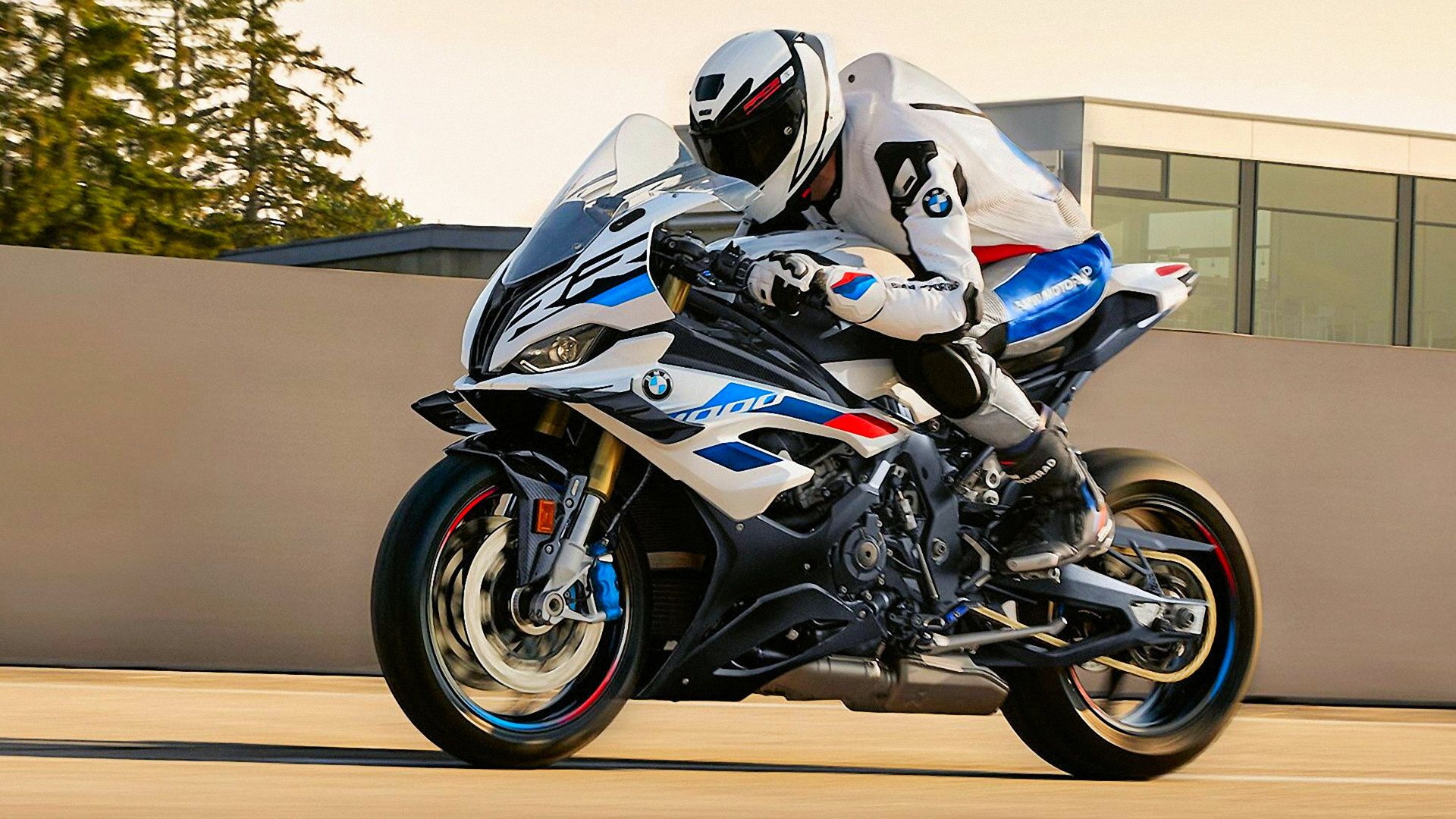
A 1000cc Ducati bike represents a pinnacle of Italian motorcycle engineering, historically bridging the gap between manageable middleweight agility and the raw, unadulterated power of open-class superbikes. These machines are defined by their signature Desmodromic valve actuation, iconic L-twin or V4 engine configurations, trellis or advanced monocoque chassis, and a rich racing heritage cultivated in World Superbike and MotoGP championships.
The Evolution of Ducati's 1000cc Displacement Class
The 1000cc displacement tier holds a legendary status within Borgo Panigale's corporate history. For decades, Ducati’s identity was inextricably linked to the air-cooled and later liquid-cooled 90-degree L-twin engine configuration. While the company initially built its reputation on smaller displacements, the shift toward the liter-class framework allowed Ducati to dominate endurance racing and production-based championships worldwide.
Historically, the introduction of the 1000cc architecture was driven by both racing regulations and consumer demand for road-going superbikes that mirrored factory race machines. Engines such as the Testastretta evolved directly from racing prototypes, offering tighter combustion chambers, steeper valve angles, and optimized fluid dynamics. These mechanical advancements allowed Ducati to extract massive horsepowers from two cylinders without sacrificing the mid-range grunt that defines the brand.
Over time, environmental regulations and the relentless pursuit of lap times forced a transition. While classic models relied entirely on air-cooled Desmodue or liquid-cooled Testastretta L-twins, modern iterations have expanded into sophisticated liquid-cooled powerplants. Despite these shifts in layout, the core philosophy of a 1000cc Ducati bike remains steadfast: lightweight chassis design, exceptional power-to-weight ratios, and uncompromising handling characteristics.
Mechanical Architecture: Desmodromic Valves and L-Twin/V4 Layouts
At the heart of almost every notable 1000cc Ducati bike is the proprietary Desmodromic valve system. Invented by Fabio Taglioni in the 1950s, this mechanical system utilizes positive closing lobes and rocker arms to force the intake and exhaust valves shut, rather than relying on traditional coil springs. This design eliminates valve float at high revolutions per minute (RPM), allowing historical and modern engines to spin freely into high-revving territory with mechanical precision.
The engine layout itself has undergone a profound transformation. Traditional 1000cc models—such as the iconic Superbike 999 (which displaced nearly 998cc) or the sport-touring and naked variants like the Monster S4R and Multistrada 1000DS—relied on the L-twin configuration. The L-twin provides exceptional primary balancing and a characteristic firing order that delivers immense torque right where riders need it on corner exits.
Conversely, modern high-performance liter-class machines often utilize the Desmosedici Stradale V4 architecture, though specific displacement caps and racing rules have historically seen 998cc to 1000cc variants developed specifically for World Superbike homologation (such as the Panigale V4 R). This layout shifts the mass centralization, introduces counter-rotating crankshafts to combat gyroscopic forces during turn-in, and produces peak power figures that exceed traditional twin-cylinder limitations while maintaining the unmistakable Ducati acoustic signature.
Iconic Models in the 1000cc Ducati Lineup
Ducati has applied its 1000cc engineering philosophy across multiple motorcycle segments, creating distinct machine categories for track enthusiasts, naked bike purists, and adventure riders alike.
Superbikes and Track Machines
The superbike category is where the 1000cc displacement truly earned its racing pedigree. Models like the Ducati 998, the homologation specials of the 999 era, and later track-focused variants redefined the limits of production motorcycle performance. These bikes feature aggressive ergonomics, race-derived suspension systems from brands like Öhlins, and aerodynamic bodywork designed to cheat the wind at high velocities.
Naked and Performance Streetbikes
For riders seeking similar engine characteristics without the punishing clip-on handlebar ergonomics, the Monster series and the Streetfighter lineage offer potent 1000cc options. The Monster S4R, for instance, packed a liquid-cooled superbike engine into a stripped-down trellis frame, creating an upright powerhouse tailored for aggressive street riding.
Adventure and Touring
Ducati also harnessed the flexibility of its larger-displacement powerplants for long-distance travel. Early iterations of the Multistrada utilized 1000cc dual-spark (DS) engines, providing effortless torque for loaded touring coupled with upright handling geometry suitable for twisting mountain passes.
| Model Series | Engine Type | Primary Application | Key Characteristic |
|---|---|---|---|
| Superbike (e.g., 998/999 variants) | Liquid-Cooled L-Twin | Track & Sport | Radical ergonomics, trellis/frameless chassis, high top-end power. |
| Monster (e.g., S4R) | Liquid-Cooled L-Twin | Naked Street | Upright riding position combined with raw superbike motor performance. |
| Multistrada 1000DS | Air-Cooled L-Twin (DS) | Adventure / Touring | Versatile ergonomics, dual-spark combustion efficiency, torque-heavy delivery. |
| Panigale V4 R (Homologation) | 998cc V4 Desmosedici Stradale | Professional Racing & Track | Counter-rotating crankshaft, aerodynamic wings, extreme RPM ceiling. |
Riding Dynamics, Handling, and Chassis Engineering
Owning or riding a 1000cc Ducati bike is an exercise in dynamic feedback. Ducati has long championed the steel trellis frame, though modern high-output iterations have transitioned to aluminum front frames or monocoque designs that use the engine as a stressed member. This rigidity ensures that high horsepower outputs do not overwhelm the chassis, resulting in razor-sharp turn-in and exceptional mid-corner stability.
Suspension components are typically high-end, featuring fully adjustable front upside-down forks and rear monoshocks. Because liter-class Ducatis produce substantial torque, throttle control requires a nuanced approach. Modern machines mitigate this through sophisticated rider-aid suites, including cornering ABS, traction control, slide control, and selectable engine power maps. These electronic interventions act as safety nets, allowing riders to harness the prodigious output of a 1000cc engine across varying asphalt conditions without unsettling the rear contact patch.
Ownership Considerations: Maintenance, Costs, and Reliability
Operating a high-performance Italian motorcycle involves specific financial and mechanical responsibilities. Prospective owners must account for several key ownership factors:
- Desmo Service Intervals: Historically, Desmodromic valve clearances required inspection and adjustment at relatively short intervals. While modern engineering has extended these intervals significantly, valve service remains a specialized task requiring experienced technicians and precise shims.
- Component Costs: Premium parts—ranging from Brembo braking systems and Marchesini wheels to carbon fiber bodywork—command higher replacement and maintenance costs compared to mass-market Japanese counterparts.
- Thermal Management: High-compression 1000cc engines, particularly liquid-cooled L-twins and V4s, generate substantial heat. Urban commuting can test both the rider and the cooling system, making these bikes much happier on open backroads and racetracks than in stop-and-go city traffic.
- Insurance and Registration: Due to their high horsepower-to-weight ratios and classification as high-performance or superbike machinery, insurance premiums can be elevated, particularly for younger or less experienced riders.
Frequently Asked Questions
Are 1000cc Ducati bikes suitable for beginners?
No. A 1000cc Ducati bike—whether a classic air-cooled naked or a modern V4 superbike—features aggressive power delivery, sensitive brakes, and instant throttle response. These machines demand advanced machine control skills, track-day experience, or extensive street-riding maturity to operate safely.
How often does a Desmodromic valve service need to be performed?
Service intervals vary depending on the specific model year and engine generation. Older air-cooled models typically required checks every 6,000 to 7,500 miles, whereas modern liquid-cooled engines have extended major service intervals up to 15,000 miles or more. Always consult the official owner's manual for your exact production year.
What is the difference between an L-twin and a V4 Ducati engine?
An L-twin features two cylinders arranged in an "L" shape (essentially a 90-degree V-twin), providing massive low-end torque and a distinct pulsating exhaust note. A V4 engine utilizes four cylinders in a 90-degree configuration, allowing for higher RPM ceilings, smoother high-speed power delivery, and advanced technologies like counter-rotating crankshafts.
Do older 1000cc Ducati bikes hold their resale value?
Well-maintained, classic models—such as the Ducati 998, early Monster S4Rs, or limited-production homologation specials—frequently attract strong collector interest. Original condition, comprehensive service documentation, and low mileage significantly influence market value.
Can a 1000cc Ducati bike be used for daily commuting?
While it is mechanically possible, it is rarely optimal. High operating temperatures, aggressive riding postures, and tall first gears optimized for track acceleration make heavy traffic riding taxing on both the rider and the clutch mechanism.
Final Recommendation
For riders looking to acquire or study a 1000cc Ducati bike, the right choice depends entirely on intended use and mechanical patience. If you prioritize raw track performance and cutting-edge electronics, a modern liter-class or homologation V4 variant delivers breathtaking capabilities. If you appreciate mechanical character, analog feedback, and timeless Italian styling, well-preserved L-twin classics offer an unmatched motorcycling experience. Always verify service histories meticulously and budget appropriately for specialized maintenance to ensure optimal performance.