When a workers' compensation claim involves a settlement structured as "100 workers compensation divided between ct and stip," it typically refers to a specialized legal strategy where permanent disability benefits or a lump-sum award are split between a Compromise and Release (C&R or "CT") and a Stipulated Award ("Stip"). This dual-resolution mechanism allows injured workers and insurance carriers in jurisdictions like California to balance immediate cash settlements with ongoing medical care protections, resolving complex compensation disputes effectively.
Understanding Workers' Compensation Settlements: The Foundation
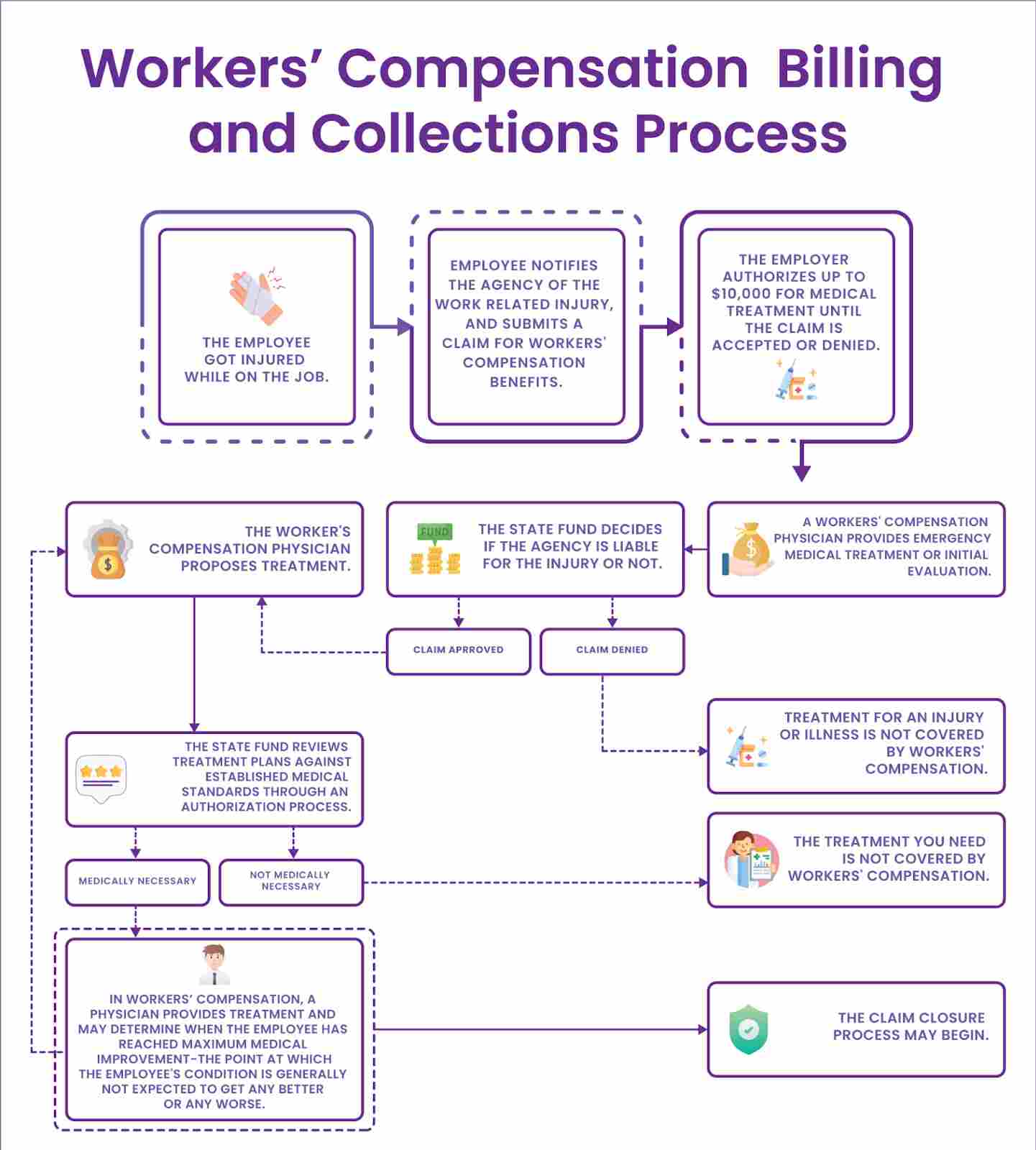
Workers' compensation systems are designed to provide medical treatment and wage replacement to employees who suffer job-related injuries or illnesses. When a claim reaches a point of maximum medical improvement (MMI)—meaning the condition has stabilized and no major change is expected—the parties must decide how to formally close or structure the remainder of the claim.
Two primary mechanisms dominate this phase: the Stipulated Award and the Compromise and Release. Understanding how these distinct legal vehicles operate independently is essential before evaluating how a single pool of compensation (such as a 100-unit or 100 percent disability rating value) can be strategically divided between them.
The Stipulated Award ("Stip")
A Stipulated Award is an agreement between the injured worker and the employer or insurance carrier regarding the level of permanent disability. Under a Stip:
- Medical Care Remains Open: The injured worker retains the right to lifetime medical treatment for the industrial injury, provided it is reasonable and necessary.
- Bi-Weekly Payments: Permanent disability indemnification is paid out in regular bi-weekly installments based on the agreed-upon percentage of disability.
- Future Modification: If the worker's condition significantly worsens within a statutory timeframe (typically five years from the date of injury), they may petition to reopen the case for increased disability benefits.
The Compromise and Release ("CT" or C&R)
A Compromise and Release is a final, lump-sum buyout of all aspects of the workers' compensation claim. Under a C&R:
- Lump-Sum Payment: The injured worker receives a single, final payment to resolve the entire claim.
- Closure of Medical Care: Future medical care is completely bought out. The worker assumes full financial and administrative responsibility for all future medical treatment related to the injury.
- Complete Finality: Once approved by a workers' compensation judge, the case is closed permanently and cannot be reopened, even if the medical condition deteriorates significantly.
The Mechanics of Splitting a Claim Between CT and Stip
In certain complex litigation scenarios, neither a pure Stip nor a pure C&R satisfies the needs of both parties. For instance, an injured worker may desperately need a lump-sum cash amount to clear debts or purchase accessible housing, but they may simultaneously require guaranteed, lifetime medical care due to a degenerative condition.
To bridge this gap, legal practitioners occasionally structure hybrid settlements. While a single claim cannot typically be split down the middle for the exact same body part under the exact same adjudication without careful procedural maneuvering, multi-injury claims or claims involving distinct periods of exposure (such as specific injuries combined with cumulative trauma, or "CT") allow for strategic allocation.
Multi-Body Part and Cumulative Trauma Apportionment
When an employee files claims for multiple injuries—such as a specific back injury combined with a cumulative trauma (CT) claim spanning years of repetitive stress—the overall disability rating (which may translate to a combined 100 percent or substantial monetary value) can be compartmentalized.
- The CT Component: The cumulative trauma portion of the award might be settled via a Compromise and Release to achieve a clean break and provide immediate liquidity.
- The Specific Injury Component: The specific traumatic injury might be resolved via a Stipulated Award to preserve lifetime medical care for that specific anatomical region.
Comparative Analysis of Settlement Structures
Evaluating whether to divide a claim, keep it entirely on a Stip, or execute a total C&R requires weighing distinct legal, financial, and medical factors. The following table compares these primary settlement pathways.
| Feature | Stipulated Award ("Stip") | Compromise and Release ("C&R") | Hybrid Split (CT and Stip) |
|---|---|---|---|
| Future Medical Care | Remains open for life. | Closed (bought out with lump sum). | Split: Open for Stip body parts; closed for C&R parts. |
| Payment Schedule | Bi-weekly installments. | Single lump-sum payment. | Combined lump-sum and installment schedule. |
| Right to Reopen | Yes, if condition worsens within statutory limits. | No. Final and irreversible. | Partial: Only the Stip portion may be reopened under specific conditions. |
| Administrative Complexity | Low to moderate. | Low. | High; requires meticulous drafting and judicial approval. |
| Best Suited For | Workers requiring ongoing, costly medical treatment. | Workers desiring financial independence and clean closure. | Complex multi-injury claims with competing financial and medical needs. |
Legal Requirements and Judicial Approval
Any agreement dividing workers' compensation benefits between a Compromise and Release and a Stipulated Award is subject to strict regulatory oversight. Workers' compensation appeals boards and administrative judges must review all settlement documents to ensure fairness and protect the interests of the injured worker.
The Role of the Workers' Compensation Judge (WCJ)
Judges do not automatically rubber-stamp hybrid settlement structures. When presented with a division between a CT settlement and a Stip award, the WCJ will examine:
- Adequacy of the Lump Sum: Ensuring the C&R portion fairly compensates the worker for relinquishing future medical rights.
- Accuracy of Disability Ratings: Verifying that the permanent disability percentages align with medical-legal evaluations.
- Child Support and Liens: Ensuring that mandatory liens (such as child support arrears, lien claimant medical bills, or attorney fees) are properly satisfied from the respective pools of money.
Attorney Representation and Fee Structuring
Hybrid settlements introduce complex fee calculations for applicant attorneys. Typically, attorney fees are awarded as a percentage (usually 12% to 15%) of the permanent disability indemnity. When a case is split, the attorney fee must be clearly allocated between the lump-sum C&R payout and the bi-weekly Stip payments, ensuring the legal counsel receives appropriate compensation without placing an undue immediate burden on the worker's cash flow.
Common Risks and Pitfalls in Hybrid Settlements
Attempting to divide a workers' compensation claim between a CT and a Stip carries inherent risks that both claimants and employers must navigate carefully.
1. Medical Treatment Coordination Disputes
When a worker maintains an open Stipulated Award for one body part while closing out medical care for a cumulative trauma (CT) claim via a C&R, friction frequently arises with medical providers and insurance adjusters. Proving whether a new medical treatment is necessitated by the open Stip injury or the closed C&R injury can lead to protracted disputes and delayed care.
2. Miscalculation of Permanent Disability
Apportionment between multiple injuries or between specific injuries and cumulative trauma must be backed by substantial medical evidence. If a settlement arbitrarily divides a 100-unit or percentage value without proper medical-legal justification, the WCJ will reject the agreement, requiring the parties to renegotiate.
3. Tax and Social Security Disability Implications
Lump-sum C&R settlements can sometimes interact unfavorably with Social Security Disability Insurance (SSDI) or Medicare Set-Aside (MSA) requirements. A poorly structured lump sum may trigger SSDI offset rules, unintentionally reducing monthly government benefits. Legal counsel must perform a thorough offset analysis before finalizing any lump-sum allocation.
Step-by-Step Considerations for Executing a Divided Settlement
For parties exploring a settlement divided between a cumulative trauma C&R and a Stipulated Award, following a rigorous procedural roadmap is essential.
- Comprehensive Medical-Legal Evaluation: Ensure all treating physicians and Qualified Medical Evaluators (QMEs) have issued final, ratable reports covering every distinct body part and injury period (CT versus specific).
- Drafting Separate Settlement Documents: Prepare distinct legal pleadings for the Stipulated Award and the Compromise and Release rather than attempting to merge them into a confusing, single document.
- Calculating Net Proceeds: Deduct approved attorney fees, liens, and any necessary Medicare Set-Aside allocations from the respective settlement sections.
- Submitting for Judicial Review: File the settlement documents jointly with the local workers' compensation appeals board for formal review and approval by a judge.
- Legal Disclaimer: Workers' compensation laws vary significantly by jurisdiction and are subject to frequent statutory updates. Individuals navigating complex settlement structures should consult with a licensed workers' compensation attorney or certified specialist to ensure compliance with local rules.
Frequently Asked Questions
Can a single injury be split into both a C&R and a Stip?
Generally, a single, indivisible injury to one specific body part cannot be split into both a Compromise and Release and a Stipulated Award. Division typically requires separate injuries, distinct dates of injury, or a combination of a specific injury and a cumulative trauma (CT) claim.
Does a hybrid settlement eliminate my right to future medical care?
It depends on which portion of the settlement is being evaluated. The portion resolved via a Stipulated Award keeps lifetime medical care open for those specific conditions, while the portion resolved via a C&R permanently terminates future medical rights for those specific claims.
How are attorney fees handled in a divided settlement?
Attorney fees are typically approved by the judge as a percentage of the overall recovery. The fee is then apportioned across the lump-sum C&R payment and deducted incrementally from the bi-weekly Stip payments according to local board rules.
What happens if my medical condition worsens after the settlement is approved?
You cannot reopen the Compromise and Release portion of the settlement under any circumstances. However, if your condition worsens within the statutory reopening window (typically five years from the date of injury), you may petition to reopen the Stipulated Award portion to seek increased permanent disability benefits.
Can Medicare deny coverage if I settle part of my claim via a C&R?
Yes, if the settlement involves future medical care and implicates Medicare's interests. Parties often must establish a Medicare Set-Aside (MSA) allocation to ensure Medicare is not forced to pay for future injury-related medical treatments that were ostensibly bought out by the C&R.
Conclusion
Navigating a workers' compensation settlement divided between a cumulative trauma C&R and a Stipulated Award requires precise legal strategy, clear medical documentation, and strict adherence to administrative regulations. While this hybrid approach offers the flexibility to secure immediate financial relief alongside guaranteed lifetime medical care, it introduces complex administrative and medical coordination challenges. Careful planning and professional legal guidance ensure that injured workers achieve a balanced, secure resolution to their claims.