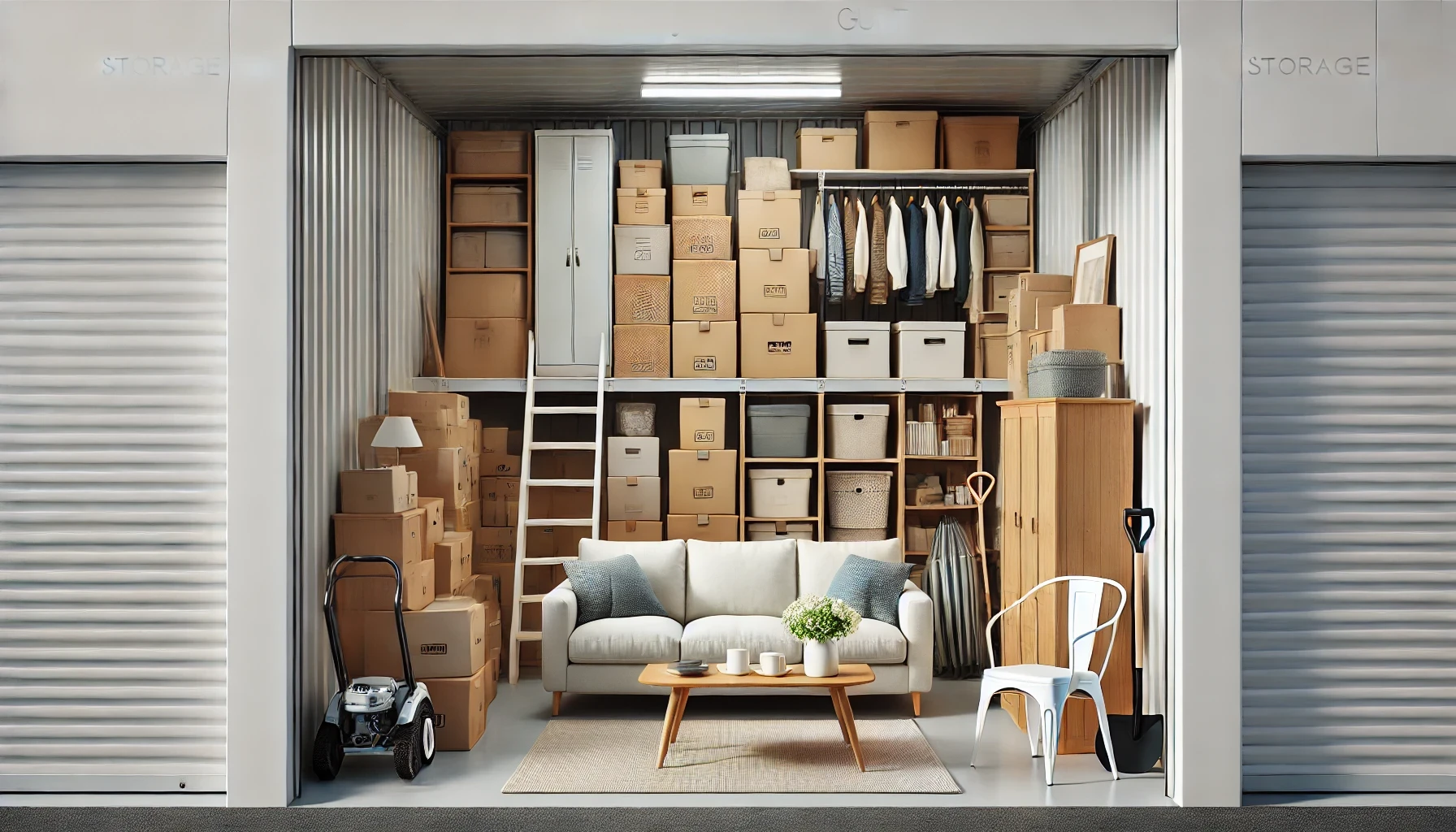
A 10x10 self-storage unit provides 100 square feet of floor space and roughly 800 cubic feet of volume, making it large enough to hold the contents of a standard two-to-three-bedroom apartment, major furniture sets, appliances, and numerous stacked boxes.
Navigating a self-storage transition requires balancing physical dimensions with spatial logistics, packing efficiency, and item preservation. Renting a 10x10 storage unit is one of the most popular choices in the self-storage industry because it bridges the gap between small, closet-sized lockers and massive vehicle-sized garages. However, understanding what fits inside 100 square feet goes beyond simply measuring the floor area. It requires a practical strategy for vertical stacking, weight distribution, item preparation, and security planning to maximize every cubic inch of available space.
Understanding the Physical Dimensions of a 10x10 Storage Unit
Before moving any boxes or furniture into a storage facility, renters must visualize the physical layout of a standard 10x10 unit. While 100 square feet sounds expansive on paper, facility design, ceiling heights, and door clearances introduce specific operational constraints that dictate how the space can be utilized.
Floor Area Versus Cubic Volume
The foundational metric of a 10x10 unit is its square footage, translating to a square room measuring 10 feet wide by 10 feet deep. In most modern indoor and outdoor storage facilities, standard ceiling heights measure 8 feet. This creates a total volume of approximately 800 cubic feet.
- 10 Feet
- 10x10 Storage Unit (100 Sq. Ft.)
- 10 Feet
Relying solely on floor area leads to underestimating capacity. Renters who only place items flat on the ground exhaust their space quickly. True capacity is unlocked by utilizing the vertical dimension. Stacking boxes three to four high and standing mattresses or sofas on their ends transforms the usable capacity of the room.
Architectural Constraints and Access Points
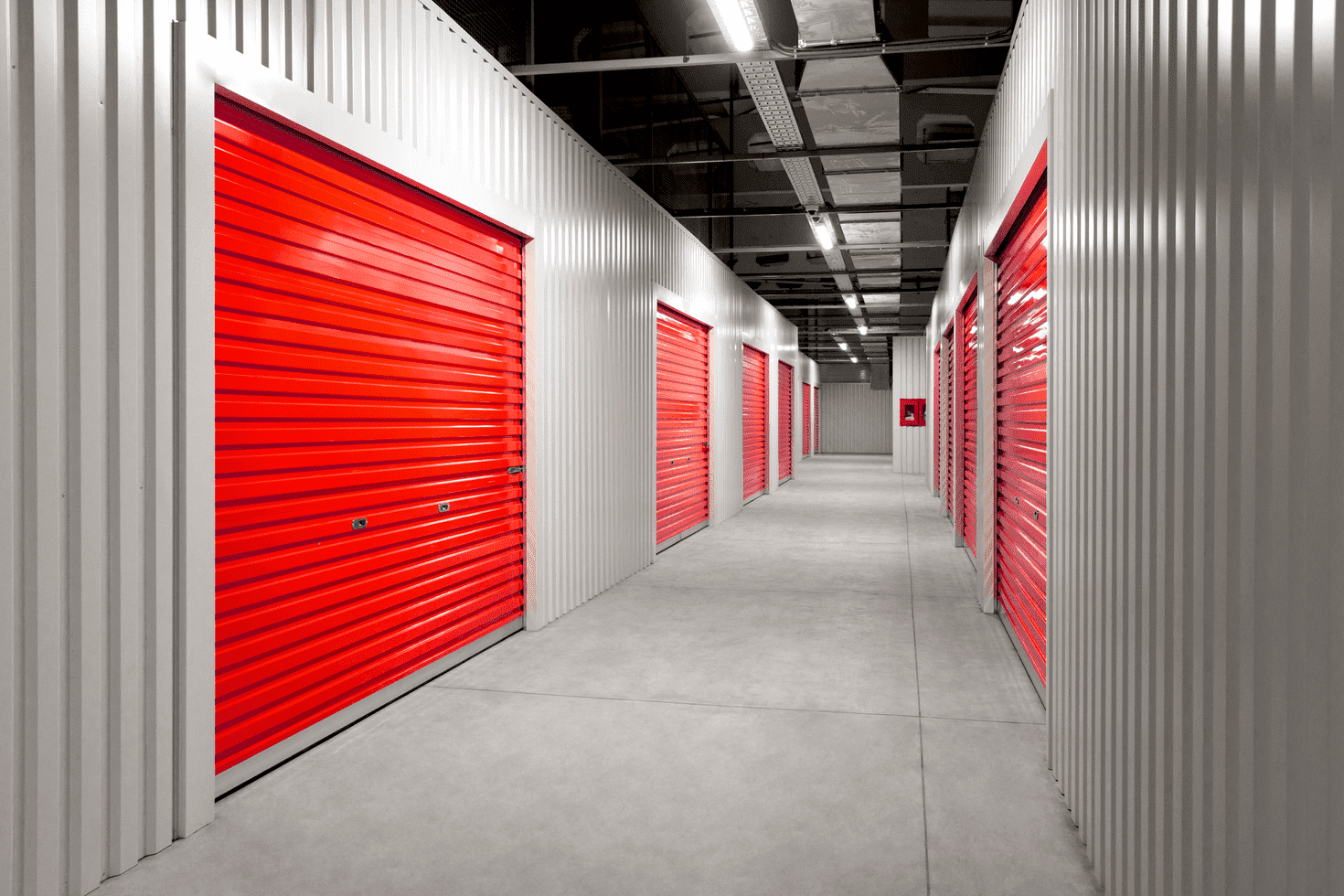
Not all 10x10 units feature identical architecture. Exterior drive-up units typically feature roll-up garage-style doors that maximize vertical clearance, allowing bulky items to slide in easily. Interior hallway units often feature traditional swing doors or smaller roll-up doors, sometimes accompanied by shared hallway turning radiuses that require careful maneuvering of long items like mattresses or dining tables.
Furthermore, structural support pillars occasionally run through the interior of larger storage buildings. A renter assigned a unit with a support column loses a small fraction of the square footage and must adapt their furniture layout around the obstruction. Inspecting the physical unit before signing a lease agreement ensures that awkward architectural features do not interfere with oversized belongings.
The Scope of What Fits: Two-to-Three-Bedroom Apartments
The most common benchmark for a 10x10 storage unit is the contents of a standard two-to-three-bedroom apartment or a modest single-family home. This capacity assumes systematic packing, disassembled furniture, and strategic box placement.
Major Furniture and Living Room Sets
Living room furniture occupies significant floor space, but a 10x10 unit accommodates substantial arrangements when items are positioned correctly. Standard items that comfortably fit together include:
- One full-size sofa or sectional (if separated into modular components)
- Two armchairs or recliners
- A wooden coffee table and two matching end tables
- An entertainment center or media console (up to medium size)
- Bookshelves and display cabinets
To optimize space, long items like couches should be stood vertically on end, provided the ceiling height allows, or placed flat against the back wall with lighter, stackable items placed on or around them. Placing fragile items on top of upholstered furniture should be avoided unless a rigid wooden board or protective barrier distributes the weight evenly.
Bedroom Suites and Mattresses
Bedroom furniture scales easily into a 10x10 unit. Mattress sizes ranging from twin to king fit securely, though king-size mattresses and box springs take up considerable vertical space when laid flat.
- Queen or king mattress sets (stood vertically against a long wall)
- Two dressers and matching nightstands
- A wardrobe or armoire
- Bed frames (dismantled into headboards, footboards, and side rails)
Standing mattresses vertically prevents them from warping and opens up the floor space beneath or beside them for heavy storage totes. Wrapping mattresses in heavy-duty polyethylene bags protects them from dust, moisture, and fabric tears during the storage period.
Comparing Self-Storage Unit Sizes
To appreciate the utility of a 10x10 unit, it helps to compare it directly with smaller and larger industry standards.
| Unit Size | Square Footage | Cubic Volume | Typical Capacity Benchmark | Best Suited For |
|---|---|---|---|---|
| 5x5 | 25 sq. ft. | 200 cu. ft. | Walk-in closet | Seasonal gear, luggage, 10–15 medium boxes |
| 5x10 | 50 sq. ft. | 400 cu. ft. | Large walk-in closet or half-bathroom | Studio apartment, mattress set, major appliances |
| 10x10 | 100 sq. ft. | 800 cu. ft. | Standard 2-to-3 bedroom apartment | Multi-room furniture, business inventory, large equipment |
| 10x20 | 200 sq. ft. | 1,600 cu. ft. | Multi-room house or standard vehicle | 3-to-4 bedroom home, car storage, boat, large machinery |
Reviewing this breakdown shows that the 10x10 unit doubles the capacity of a 5x10 space, making it the critical threshold where whole-household transitions become feasible without upgrading to an expensive garage-sized unit.
Specialized Uses Beyond Household Goods
While residential moves drive the demand for 10x10 units, commercial operators, hobbyists, and retailers rely heavily on this size for non-traditional storage needs.
Business Inventory and Document Archiving
Small business owners frequently use 10x10 units as off-site warehouses for excess stock, seasonal merchandising displays, and legal document archives.
- Retail Inventory: Shelving units can be installed along the perimeter walls (where permitted by facility rules and safety codes), creating functional aisles to organize plastic storage bins filled with clothing, electronics, or dry goods.
- Paper Records: Standard banker boxes filled with tax documents and financial records can be stacked securely on heavy-duty industrial metal shelving. Organizing these boxes with clear exterior labeling ensures quick retrieval during audits or tax seasons.
Recreational Equipment and Outdoor Gear
Bulky recreational gear that clutters residential garages finds a secure home in a 10x10 space. Kayaks, canoes, paddleboards, camping gear, bicycles, and ski equipment fit easily, especially when wall-mounted racks or vertical standing brackets are utilized. Renters storing outdoor gear must ensure items are thoroughly cleaned and completely dry before packing to eliminate mildew, rust, and pest attraction.
Climate Control Considerations: Protecting Sensitive Items
When evaluating what to store in a 10x10 unit, renters must determine whether a climate-controlled environment is necessary. Standard units experience ambient outdoor temperatures and humidity fluctuations, whereas climate-controlled units maintain regulated interior temperatures year-round, typically between 55°F and 85°F, with controlled humidity levels.
Items That Require Climate Control
- Wooden Furniture: Extreme temperature swings cause natural wood to expand, contract, warp, and crack. Solid wood antiques and veneer pieces are particularly vulnerable.
- Electronics and Media: Computers, televisions, gaming consoles, vinyl records, and photographic film degrade rapidly when exposed to high heat and moisture.
- Leather and Textiles: Leather sofas, fur coats, vintage clothing, and fine linens absorb ambient moisture, leading to mold growth, permanent staining, and fiber breakdown.
- Paper and Artwork: Photographs, oil paintings, books, and legal documents suffer irreversible damage from humidity, fading, and yellowing.
Items Suited for Standard Units
- Metal and Plastic Goods: Lawn mowers (drained of fuel and oil), metal tools, patio furniture, plastic storage totes, and outdoor exercise equipment withstand temperature fluctuations safely.
- Glassware and Ceramics: Properly padded and boxed glass items tolerate thermal shifts provided they are not subjected to freezing moisture inside unsealed containers.
Strategic Packing and Organization Techniques
A disorganized 10x10 unit quickly becomes an unusable labyrinth. Implementing professional spatial organization strategies transforms the unit from a chaotic pile into an accessible, orderly storage room.
Creating an Internal Aisle System
The cardinal rule of packing a storage unit is to leave a central walking path. Creating an "I-shape" or "L-shape" aisle—leaving a small pathway down the middle or along one side—ensures that boxes stored at the back of the unit remain accessible without requiring a total unload.
- Back Wall: Mattresses & Large Furniture
- Box Stack
- Central Aisle
- Box Stack
- Box Stack
- Central Aisle
- Box Stack
- Front Door: Frequently Needed Items / Access
Heavy items like appliances, heavy toolboxes, and dense furniture should be placed against the back and side walls. Fragile and frequently accessed items should be positioned near the front entrance of the unit for easy reach.
Box Standardization and Weight Distribution
Using uniform box sizes simplifies the stacking process significantly. Mixing random, weak cardboard boxes leads to crushed stacks and damaged contents.
- Small Boxes (1.5 cubic ft.): Best for heavy items such as books, canned goods, hand tools, and dense media. Heavy items in small boxes prevent bottom-heavy collapses.
- Medium Boxes (3.0 cubic ft.): Ideal for kitchenware, toys, linens, and folded clothing.
- Large Boxes (4.5 cubic ft. and up): Reserved strictly for lightweight, bulky items like pillows, comforters, and winter coats. Packing heavy items into large boxes makes them dangerous to lift and structurally unstable when stacked.
Common Mistakes to Avoid When Renting a 10x10 Unit
First-time storage renters frequently encounter avoidable pitfalls that compromise the safety of their belongings or result in wasted financial resources.
Overpacking and Spatial Miscalculation
A common error is attempting to force an entire three-to-four-bedroom home into a 10x10 unit. While a 10x10 space holds a two-bedroom apartment comfortably, larger homes require a 10x15 or 10x20 unit. Forcing excess items into a cramped space leads to crushed boxes, blocked doors, and zero visibility. Renters should measure their large furniture beforehand and consult facility managers if they feel uncertain about spatial requirements.
Ignoring Facility Security and Insurance Requirements
Relying solely on the facility's perimeter fence and gate code is insufficient for personal peace of mind. Renters must provide their own high-quality cylinder lock or hardened disc padlock, as standard brass padlocks are vulnerable to bolt cutters. Additionally, renters should verify whether their homeowner's or renter's insurance policy covers items stored off-premises. If off-site storage is excluded, purchasing specialized self-storage insurance through the facility or an independent provider protects against theft, fire, and water damage.
Conclusion and Next Actions
A 10x10 self-storage unit offers an adaptable, secure, and spacious solution for major life transitions, business expansion, or household decluttering. By understanding its 800-cubic-foot capacity, utilizing vertical stacking techniques, choosing climate control for sensitive items, and maintaining an internal aisle system, renters can optimize every square foot. To proceed, inventory your belongings, measure oversized furniture, compare local facility pricing, and select a unit configuration that matches your specific security and access needs.