The Sunshine Protection Act has consistently sparked national debate regarding whether the United States should permanently adopt year-round daylight saving time. As policymakers, businesses, and everyday citizens navigate ongoing legislative developments, examining the structural components, economic arguments, and legislative hurdles surrounding the measure provides clarity on how permanent time uniformity could impact daily life.
Introduction to the Sunshine Protection Act
The legislative push to eliminate biannual clock changes has a long history in the United States. Federal discussions center primarily on the Sunshine Protection Act, a bipartisan proposal designed to keep the nation on daylight saving time throughout the entire calendar year. While the core motivation of the legislation remains eliminating the disruption of "springing forward" and "falling back," the practical implications involve complex logistical, economic, and physiological considerations.
Navigating the nuances of this legislative effort requires understanding not just the text of the bill itself, but also the institutional processes required for federal enactment. Below is a detailed examination of the 10 key elements that define the discussion surrounding the legislation, its scope, its intended outcomes, and the structural challenges it faces.
1. Permanent Establishment of Daylight Saving Time
The primary mechanism of the legislation is simple: rather than alternating between standard time and daylight saving time, the entire nation would remain on daylight saving time year-round. This means moving clocks forward permanently by one hour relative to standard time.
Under this framework, standard time would effectively be abolished for participating jurisdictions. The rationale is that eliminating the transition periods prevents the well-documented disruptions associated with changing timepieces twice a year, providing a consistent temporal baseline across participating regions.
2. Legislative Origins and Congressional History
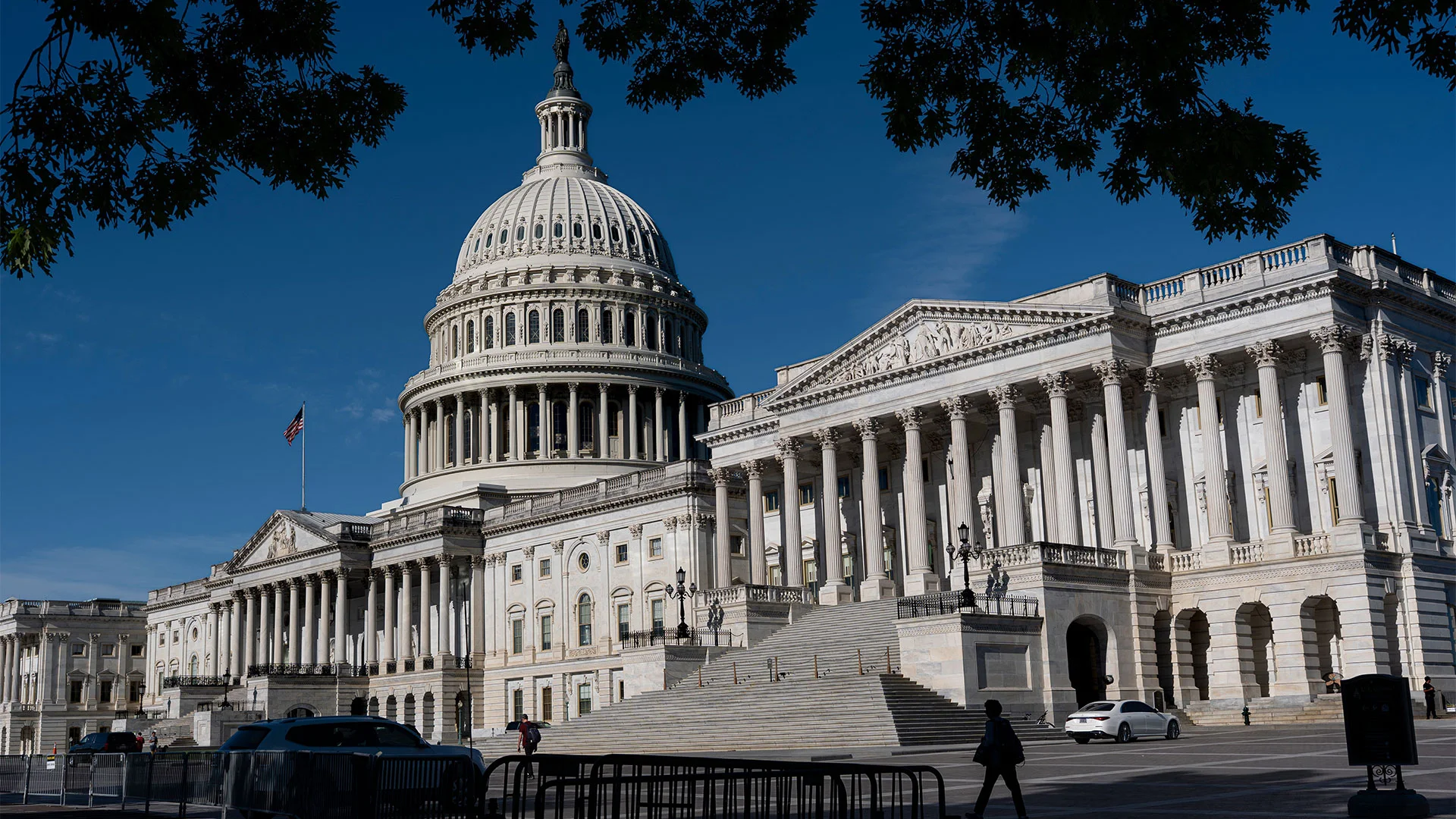
The modern iteration of the Sunshine Protection Act gained significant momentum in the United States Senate, where it famously passed by unanimous consent in March 2022. Sponsored by a bipartisan group of senators, the bill aimed to streamline timekeeping across the country.
However, despite passing the Senate quickly, the companion legislation stalled in the House of Representatives amid debates over whether year-round daylight saving time or year-round standard time was preferable. Subsequent legislative sessions have seen the bill reintroduced, keeping the conversation active in federal policy circles without achieving final enactment.
3. The Distinction Between Daylight Saving Time and Standard Time
A central point of discussion among chronobiologists, lawmakers, and public health advocates is the difference between permanent daylight saving time and permanent standard time.
- Permanent Daylight Saving Time: Results in later sunrises and later sunsets during the winter months. Proponents highlight extended evening daylight for commerce and recreation, while critics point to dark winter mornings that can create hazards for commuting children and workers.
- Permanent Standard Time: Aligns more closely with solar time, featuring earlier sunrises and earlier sunsets. Medical and sleep-health organizations generally favor permanent standard time because it aligns better with human circadian rhythms.
4. Potential Economic and Commercial Impacts
Proponents of the legislation frequently cite economic benefits associated with extended evening daylight. Retailers, restaurant owners, and the tourism industry often support year-round daylight saving time because longer daylight hours in the evening encourage consumer spending, outdoor dining, and recreational activities after traditional work hours.
Conversely, economic challenges exist for specific sectors, such as morning-dependent industries, agriculture, and broadcasting, which rely heavily on synchronized scheduling across time zones and daylight alignment for early-morning operations.
5. Public Health and Circadian Rhythm Considerations
The health implications of altering time structures are a major focus for medical professionals. The biannual time change is widely documented to cause temporary spikes in traffic accidents, workplace injuries, and cardiovascular events immediately following the spring transition.
However, sleep experts and medical associations—including the American Academy of Sleep Medicine—have raised concerns that permanent daylight saving time creates a permanent mismatch between human biological clocks and social schedules. Dark winter mornings can suppress melatonin regulation, leading to chronic sleep deprivation and associated health risks.
6. Transportation and Logistics Alignment
A nationwide shift to permanent daylight saving time would significantly affect transportation networks, including airlines, railways, and shipping logistics. Because the United States interacts closely with global trade partners, maintaining synchronized schedules is vital.
A unilateral federal change would alter how U.S. time zones relate to international partners that do not observe daylight saving time or that follow different transition schedules, requiring complex adjustments in software, scheduling algorithms, and logistical planning.
7. State-Level Exemptions and Regional Variations
Under current federal law (the Uniform Time Act of 1966), individual states can opt out of daylight saving time entirely, remaining on standard time year-round (as Hawaii and most of Arizona currently do). However, federal law does not permit states to adopt permanent daylight saving time unilaterally.
Numerous state legislatures have passed resolutions or contingent statutes expressing a desire to adopt year-round daylight saving time, but these state-level measures cannot take effect until federal law is amended to grant the necessary authorization.
| State Time Status | Current Federal Permission | Requires Federal Law Change? | Examples |
|---|---|---|---|
| Standard Time Year-Round | Permitted under Uniform Time Act | No (States can opt out) | Arizona, Hawaii |
| Daylight Saving Time Year-Round | Prohibited for individual states | Yes (Federal statute required) | Florida, California, and others with contingent laws |
8. Historical Precedents: The 1974 Experiment
Lawmakers frequently look to historical precedent when evaluating the Sunshine Protection Act. In January 1974, in response to the 1973 oil crisis, the U.S. enacted a year-round daylight saving time trial via the Emergency Daylight Saving Time Energy Conservation Act.
While the initial public reaction was positive, enthusiasm waned as the dark winter mornings brought safety concerns, particularly regarding school children commuting in the dark. Public opinion shifted rapidly, and Congress amended the law to shorten the trial period, providing a cautionary reference point for modern legislators.
9. Bipartisan Nature and Legislative Hurdles
The Sunshine Protection Act stands out for its rare bipartisan support, uniting lawmakers from across the political spectrum who share a common frustration with clock changes.
Despite this political alignment, the bill faces structural legislative hurdles. Disagreements over which time system is superior (standard versus daylight saving), procedural gridlock in congressional committees, and competing legislative priorities have consistently prevented the bill from clearing both chambers and reaching the president's desk for signature.
10. Practical Outlook and Future Steps for Citizens
As legislative discussions continue, citizens and businesses must prepare for a status quo of biannual time changes unless federal statute changes. For organizations and individuals tracking these developments, staying informed involves monitoring congressional committee actions and understanding how state-level contingency laws interact with federal authority.
Frequently Asked Questions
What does the Sunshine Protection Act propose to do?
The Sunshine Protection Act proposes making daylight saving time permanent across the United States, eliminating the need to turn clocks back one hour in the autumn. Under this legislation, the entire nation would remain on daylight saving time throughout the year.
Is daylight saving time currently permanent in any U.S. state?
No state currently observes permanent daylight saving time because federal law does not permit it. However, Arizona (with the exception of the Navajo Nation) and Hawaii remain on standard time year-round, which is permitted under existing federal guidelines.
Why do medical experts oppose permanent daylight saving time?
Major medical and sleep-health organizations argue that permanent daylight saving time causes a mismatch between human circadian rhythms and social schedules. Permanent standard time is frequently endorsed by these groups as a healthier alternative that better aligns with natural solar time.
What happened during the 1974 year-round daylight saving time trial?
In 1974, the U.S. experimented with year-round daylight saving time to conserve energy. The trial was curtailed early due to public dissatisfaction with dark winter mornings, particularly regarding the safety of children commuting to school before sunrise.
Can my state independently decide to stay on daylight saving time?
No. While many states have passed contingency legislation indicating a readiness to adopt year-round daylight saving time, federal law under the Uniform Time Act must be amended before any state can legally make daylight saving time permanent.
Conclusion and Next Actions
For stakeholders seeking to understand or influence timekeeping policy, monitoring federal legislative calendars and engaging with federal representatives remains the primary avenue of action. Businesses operating across multiple time zones should review internal scheduling infrastructure to ensure readiness for potential federal time uniformity changes should Congress eventually pass reform legislation.