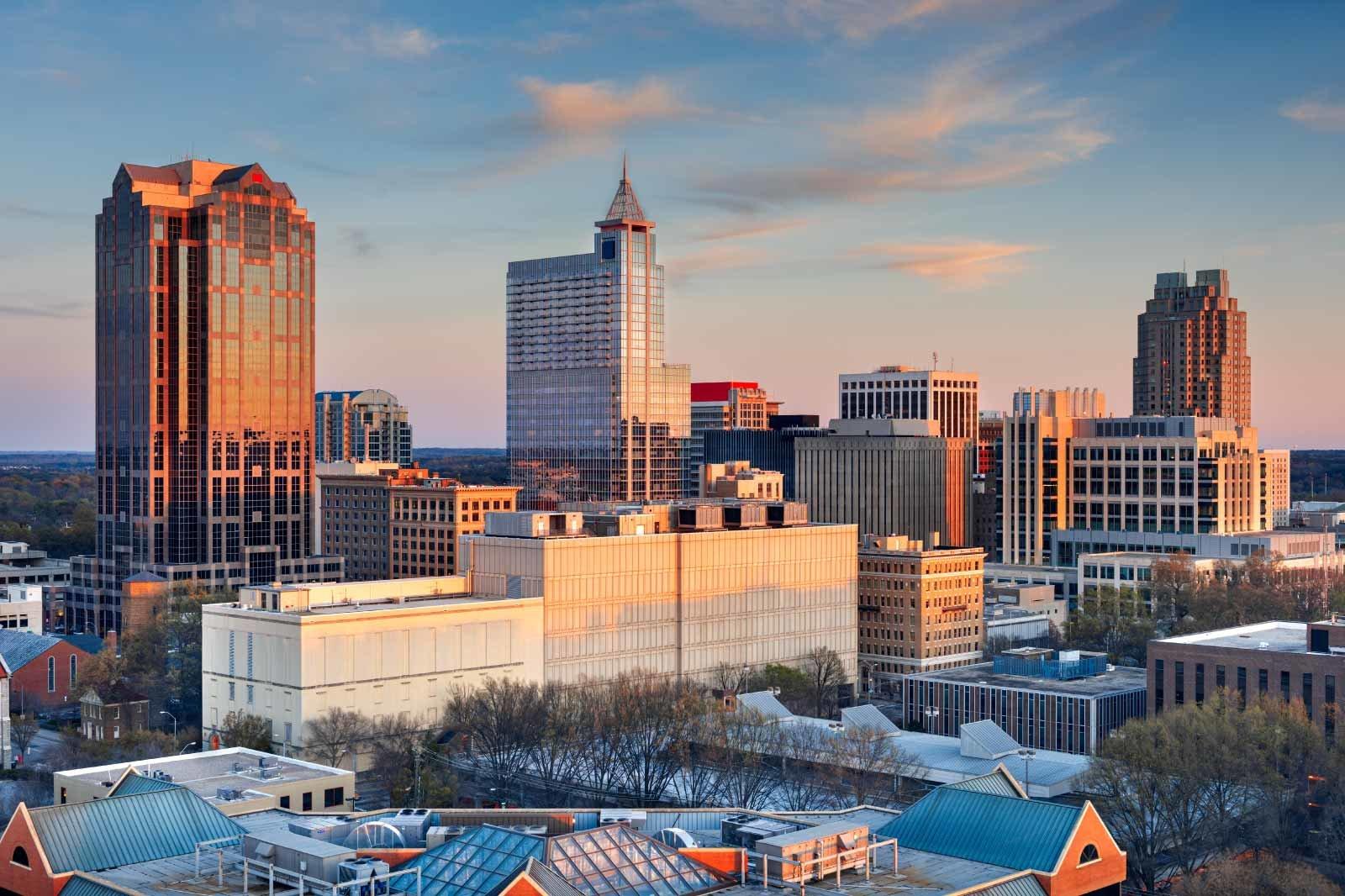
Raleigh, North Carolina, offers a diverse blend of history, science, outdoor recreation, and a rapidly evolving culinary scene. As the state capital, it serves as a central hub for the Research Triangle, providing visitors and residents with access to major museums, sprawling state parks, and professional sports venues that define the region's cultural identity.
The city of Raleigh—affectionately nicknamed the "City of Oaks"—balances its identity as a technology and academic powerhouse with a deeply rooted Southern charm. Navigating the city requires an understanding of its layout; while the downtown core is walkable, many of the most significant attractions are spread across the surrounding suburban and natural landscape. Whether you are interested in the interactive exhibits at the North Carolina Museum of Natural Sciences, the historical significance of the State Capitol, or the lush trail networks of Umstead State Park, Raleigh provides a variety of experiences that cater to different interests and schedules. Planning a trip here involves balancing these indoor educational environments with the temperate outdoor spaces that define North Carolina’s landscape, particularly during the mild spring and autumn months.
1. Explore the North Carolina Museum of Natural Sciences
Located in the heart of downtown, the North Carolina Museum of Natural Sciences is the largest of its kind in the Southeastern United States. It is a premier destination for learning about the state’s ecological diversity, ranging from the mountains to the coast. The museum is divided into two primary wings, the Nature Research Center and the Nature Exploration Center, connected by a dramatic skywalk. Visitors can view the "Terror of the South," a rare Acrocanthosaurus skeleton, and engage with research labs that highlight current scientific projects. Admission to the permanent exhibits is free, making it an accessible point of interest for families and students alike.
2. Experience William B. Umstead State Park
For those seeking an escape from the urban environment, William B. Umstead State Park offers over 5,500 acres of forest land situated between Raleigh, Cary, and Durham. The park features a dense network of hiking and biking trails that traverse lakes, streams, and rolling hills. Visitors often frequent the Sycamore or Reedy Creek trails for their scenic beauty and accessibility. It is important to note that the park is a protected space; while activities like fishing, paddling, and camping are permitted in designated areas, guests must adhere to park hours and regulations to ensure the preservation of local flora and fauna.
3. Visit the North Carolina Museum of Art (NCMA)
The North Carolina Museum of Art houses an expansive collection spanning over 5,000 years of history, including Egyptian artifacts, European masterworks, and contemporary American art. Beyond the interior galleries, the museum is renowned for its 164-acre Museum Park, which features commissioned large-scale art installations integrated into the landscape, alongside miles of walking and cycling trails. The integration of art into a public outdoor space makes the NCMA a unique cultural institution that bridges the gap between traditional fine arts and community recreation.
4. Walk Through the North Carolina State Capitol
The North Carolina State Capitol building is a masterpiece of Greek Revival architecture, completed in 1840. Located in a tranquil, tree-lined square in downtown Raleigh, it remains a focal point of state government history. Visitors can take self-guided tours of the interior, including the legislative chambers and the rotunda. The surrounding grounds, known as Capitol Square, provide a quiet space to observe monuments dedicated to significant figures in North Carolina history. It is highly recommended to verify guided tour schedules through the official state department of natural and cultural resources, as legislative sessions can sometimes impact public access.
5. Catch a Game at the Lenovo Center
As the home of the Carolina Hurricanes of the National Hockey League (NHL), the Lenovo Center (formerly PNC Arena) serves as the primary venue for major sports and entertainment events in the region. Beyond professional hockey, the arena hosts large-scale concerts, family shows, and collegiate events. Planning a visit to this venue requires coordination with the event calendar; parking and traffic management in the surrounding area can be significant during high-attendance games, so arriving early is a standard practice for local attendees.
6. Discover the Pullen Park Experience
Established in 1887, Pullen Park is the oldest public park in North Carolina and the fifth oldest in the United States. It is a quintessential family destination, featuring a historic carousel, miniature train, and pedal boat rentals on the park’s central lake. While the park is open year-round, its amusement facilities operate on a seasonal schedule. The park’s proximity to North Carolina State University adds to its vibrant, multi-generational atmosphere, making it a staple of community life in Raleigh.
7. Tour the Historic City Market
City Market, located in the Moore Square district, represents a slice of historic Raleigh, characterized by cobblestone streets and converted brick warehouses that now house boutique shops, art galleries, and restaurants. It is an ideal area for walking and experiencing the local culinary culture. The market area is particularly active during the weekends, offering a glimpse into the revitalization efforts that have preserved the district’s mid-19th-century architecture while adapting it for modern commerce.
8. Visit the Raleigh Little Theatre and Rose Garden
The Raleigh Little Theatre is one of the oldest continuously operating community theatres in the country. It offers a diverse range of performances throughout the year, from classic plays to experimental local works. Adjacent to the theatre is the Raleigh Rose Garden, which features over 1,200 roses. It serves as an excellent site for photography and quiet reflection. The garden is public property and remains a well-regarded landmark for its aesthetic value and historical significance to the local arts community.
9. Engage with the Marbles Kids Museum
Designed specifically for children and families, Marbles Kids Museum provides interactive, hands-on exhibits that emphasize learning through play. The museum’s themes range from artistic expression and building construction to STEM-based challenges. It is a highly popular venue for educational day trips and weekend activities. Parents should note that the museum is located within the downtown complex, providing easy access to nearby dining options that cater to families, making it a comprehensive destination for a day out.
10. Hike the Neuse River Greenway Trail
The Neuse River Greenway Trail is a key segment of the Capital Area Greenway System, providing an paved 30-plus-mile path that follows the Neuse River. It is suitable for cyclists, joggers, and walkers. Because it is a paved surface, it remains accessible for various skill levels and provides a long-distance route that connects different parts of the city’s perimeter. Utilizing this trail is an effective way to experience the geography of the Piedmont region without needing to travel deep into more remote wilderness areas.
Comparative Guide to Raleigh Attractions
| Attraction | Primary Interest | Best For | Admission Cost |
|---|---|---|---|
| NC Museum of Natural Sciences | Science & Education | Families/Students | Free |
| William B. Umstead State Park | Outdoor Recreation | Hikers/Cyclists | Free |
| NC Museum of Art | Fine Arts | Art Enthusiasts | Free (Special exhibits $) |
| Pullen Park | Family Amusement | Families | Nominal fees for rides |
| Lenovo Center | Sports/Events | Spectators | Varies by event |
Frequently Asked Questions
What is the best time of year to visit Raleigh? Raleigh is most comfortable during the spring (late March to May) and autumn (late September to early November). During these times, temperatures are moderate, allowing for full enjoyment of both the city’s outdoor parks and its indoor museums.
Are these attractions accessible via public transportation? Raleigh’s public transit system, GoRaleigh, provides access to the downtown area and major corridors. However, for reaching destinations like Umstead State Park or the NC Museum of Art, a personal vehicle or rideshare service is often the most efficient method of travel.
Do I need reservations for museums in Raleigh? Most museums in Raleigh do not require reservations for general admission. However, if you are visiting as part of a large group or intend to see a traveling special exhibition at the NC Museum of Art, it is advisable to check their official website in advance for ticketed entry requirements.
Is Raleigh a walkable city? The downtown core of Raleigh is walkable, with several museums and restaurants situated within a few blocks of each other. However, the greater Raleigh area is geographically spread out, and most residents and visitors use vehicles to traverse between the diverse neighborhoods and natural sites.
What is the recommended duration for a trip to Raleigh? A stay of three to four days is generally sufficient to cover the highlights mentioned in this guide. This duration allows enough time to balance outdoor activities like hiking in Umstead with visits to the cultural centers downtown.
Final Recommendation
To maximize your time in Raleigh, start your day early by visiting outdoor locations like Umstead State Park or the Neuse River Greenway when temperatures are coolest. Spend the mid-day hours exploring the air-conditioned, indoor galleries at the North Carolina Museum of Natural Sciences or the Museum of Art. End your evenings in the downtown core or at the City Market, where the concentration of dining and local atmosphere is highest. Always check the official event calendars for the Lenovo Center and the North Carolina state government websites prior to your arrival to ensure your itinerary accounts for any scheduled closures or major events that might impact local traffic.