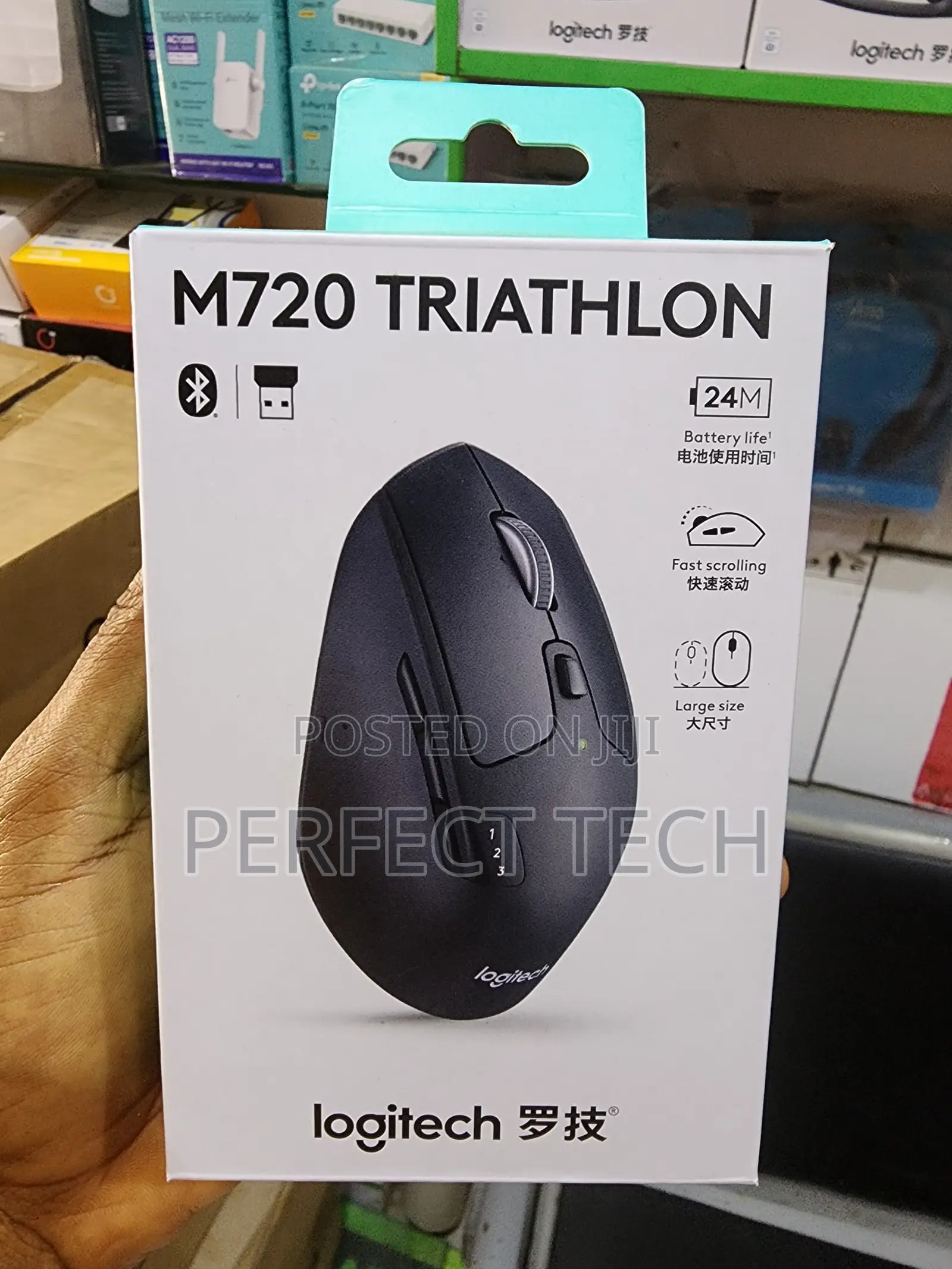
The 1 Triathlon M720 is a specialized piece of equipment designed for athletes seeking a balance between high-end aerodynamics and practical maintenance for competitive racing. This review evaluates the model's structural integrity, aerodynamic profile, and component compatibility, providing a clear assessment for those looking to upgrade their race-day performance in the 2026 season.
Understanding the 1 Triathlon M720 Ecosystem
The M720 from 1 Triathlon is positioned within the mid-to-high tier of performance-oriented cycling gear. Unlike mass-market frames or components that prioritize general comfort, the M720 is purpose-built for the unique demands of the triathlon circuit. The primary intent behind this design is to minimize drag while maintaining enough structural rigidity to facilitate efficient power transfer during the bike leg of a multi-sport race.
For the uninitiated, the M720 represents a specific engineering philosophy where every tube shape and junction is evaluated for its interaction with airflow. In the context of 2026 equipment standards, this means the frame utilizes high-modulus carbon fiber layups that allow for aggressive geometry without sacrificing the structural compliance necessary for long-distance comfort.
Structural Integrity and Material Composition
At the core of the M720 is a unidirectional carbon fiber construction. The engineers at 1 Triathlon have opted for a balance between stiffness and dampening. Stiffness is crucial for the standing-start accelerations often required out of transition zones or during steep technical climbs, while dampening is essential for reducing high-frequency vibrations from the road, which can lead to premature muscle fatigue.
The frame geometry is intentionally aggressive, featuring a steep seat tube angle. This design choice is common in modern triathlon bikes, as it opens up the hip angle, allowing the athlete to maintain a low, aerodynamic position in the aerobars while preserving some level of respiratory efficiency. The bottom bracket area is heavily reinforced to prevent lateral flex, ensuring that every watt generated by the athlete is translated directly into forward motion rather than being lost to frame deformation.
Aerodynamic Profile and Wind Tunnel Considerations
Aerodynamics remains the primary concern for any serious triathlete, and the M720 addresses this through tube profiling that adheres to modern "truncated airfoil" principles. While full airfoil shapes provide maximum aero efficiency in a straight line, they often struggle with crosswinds. The M720’s truncated shapes offer a compromise, maintaining low drag coefficients at zero degrees of yaw while remaining stable in unpredictable, gusty side-wind conditions.
Beyond the frame, the cable routing is fully internal, entering through the cockpit and flowing into the head tube. This eliminates "drag-heavy" external housings, which can create significant turbulence at higher speeds. The integration of the headset and stem interface is seamless, reducing the frontal surface area—a critical metric for maintaining speed over the typical 180km Ironman bike distance.
Component Compatibility and Maintenance
One of the most frequent pain points for triathletes using proprietary, highly integrated gear is maintenance. The 1 Triathlon M720 attempts to mitigate this by opting for standard derailleur hangers and common bottom bracket shells, such as the threaded T47 or standard PressFit variants, depending on the specific model year configuration.
When performing a technical review, it is essential to consider the "mechanic-friendliness" of the bike. The M720 allows for adjustment of the aerobar reach and stack through a modular pad system. This is a significant advantage over integrated "all-in-one" cockpits, which may require specialized, often expensive, replacement parts to adjust the fit. Athletes should be aware, however, that while the components are standard, the proprietary seatpost clamp requires periodic maintenance—specifically, the application of carbon-friendly anti-seize paste to prevent binding over time.
Comparative Analysis: Positioning in the Market
To understand the value of the M720, one must look at how it compares to the wider field of triathlon-specific bikes. The following table highlights the primary performance attributes compared against standard competitive road and TT-specific frames.
| Attribute | 1 Triathlon M720 | Standard Aero Road Frame | Dedicated TT Bike |
|---|---|---|---|
| Drag Reduction | High (Optimized) | Moderate | Extreme |
| Crosswind Stability | Excellent | Moderate | Variable |
| Fit Adjustability | High (Modular) | Low (Fixed) | Moderate |
| Maintenance Ease | Moderate | High | Low |
| Power Transfer | High | High | Very High |
As evidenced by the comparison, the M720 sits in a "sweet spot" for the age-group athlete who needs race-day performance but lacks a dedicated mechanical support team. It avoids the extreme rigidity of pure time-trial frames that can be punishing over 4–5 hours of racing, while offering significant aero advantages over standard road bikes modified for triathlon use.
Practical Performance and Handling
On the road, the handling characteristics of the M720 can be described as precise. The head tube angle is relatively slack compared to a crit-racing bike, which provides predictable steering when in the aerobars. This is a critical safety feature; triathletes spend the vast majority of their time in an unstable position, and a twitchy bike can be exhausting to control during a race.
Climbing efficiency is decent, though the bike's weight leans slightly toward the heavier side of the aero-bike spectrum—a typical trade-off for the reinforced carbon layups required to keep the structure stiff. Athletes tackling hilly courses might consider pairing the M720 with a lighter wheelset to balance the bike's overall weight profile.
Common Mistakes and Troubleshooting
When setting up the M720, the most common error is neglecting the "fit-first" approach. Because the bike is capable of such an aggressive position, many athletes force themselves into a posture that they cannot sustain for the duration of the bike segment. This leads to back pain and power loss. Always prioritize a professional bike fit before finalizing your cockpit adjustments.
Another frequent issue involves electronic shifting integration. If you are using an electronic groupset, ensure the internal battery is housed securely in the seat post. A loose battery can cause rattling and potential disconnection of the shift wires during high-vibration segments, such as rough pavement or cobblestones. Regularly inspect the junction box entries to ensure that seals remain intact, preventing moisture ingress—a common culprit for electrical short circuits in carbon frames.
Frequently Asked Questions
1. Is the 1 Triathlon M720 suitable for beginners? While the M720 is a high-performance machine, its modular adjustability makes it accessible to intermediate athletes. Beginners should be prepared for the learning curve associated with handling an aero bike in varied weather conditions.
2. Does the M720 frame include a hydration system? Most stock versions of the M720 include mounts for frame-integrated hydration, but the specific bottle and straw assembly are often sold separately. It is recommended to check the specific package inclusions at the point of purchase.
3. What is the maximum tire clearance for this frame? As of the 2026 production standards, the M720 comfortably accommodates up to 28mm tires. While some enthusiasts may want to go wider, 28mm offers an optimal balance of rolling resistance and aerodynamics for modern rims.
4. How often should the bottom bracket be serviced? For athletes riding in all-weather conditions, a bottom bracket inspection every 3,000 miles is standard. If you notice any creaking or lateral movement, it should be addressed immediately to avoid damaging the frame’s internal surface.
5. Is the frame UCI legal? Yes, the M720 geometry is designed to comply with standard UCI (Union Cycliste Internationale) regulations, making it eligible for sanctioned time trial events.
Final Recommendations
The 1 Triathlon M720 is a robust, well-engineered solution for the athlete who values speed and reliability in equal measure. It bridges the gap between ultra-specialized, difficult-to-maintain TT rigs and the more comfortable, yet less aerodynamic, aero-road bikes. If you are in the market for a bike that provides a competitive edge in your next triathlon while remaining practical for the solo mechanic, the M720 is a strong contender. Ensure your setup is dialed in by a professional, keep your cabling clean, and prioritize regular frame inspections to maximize the longevity of the carbon layup.