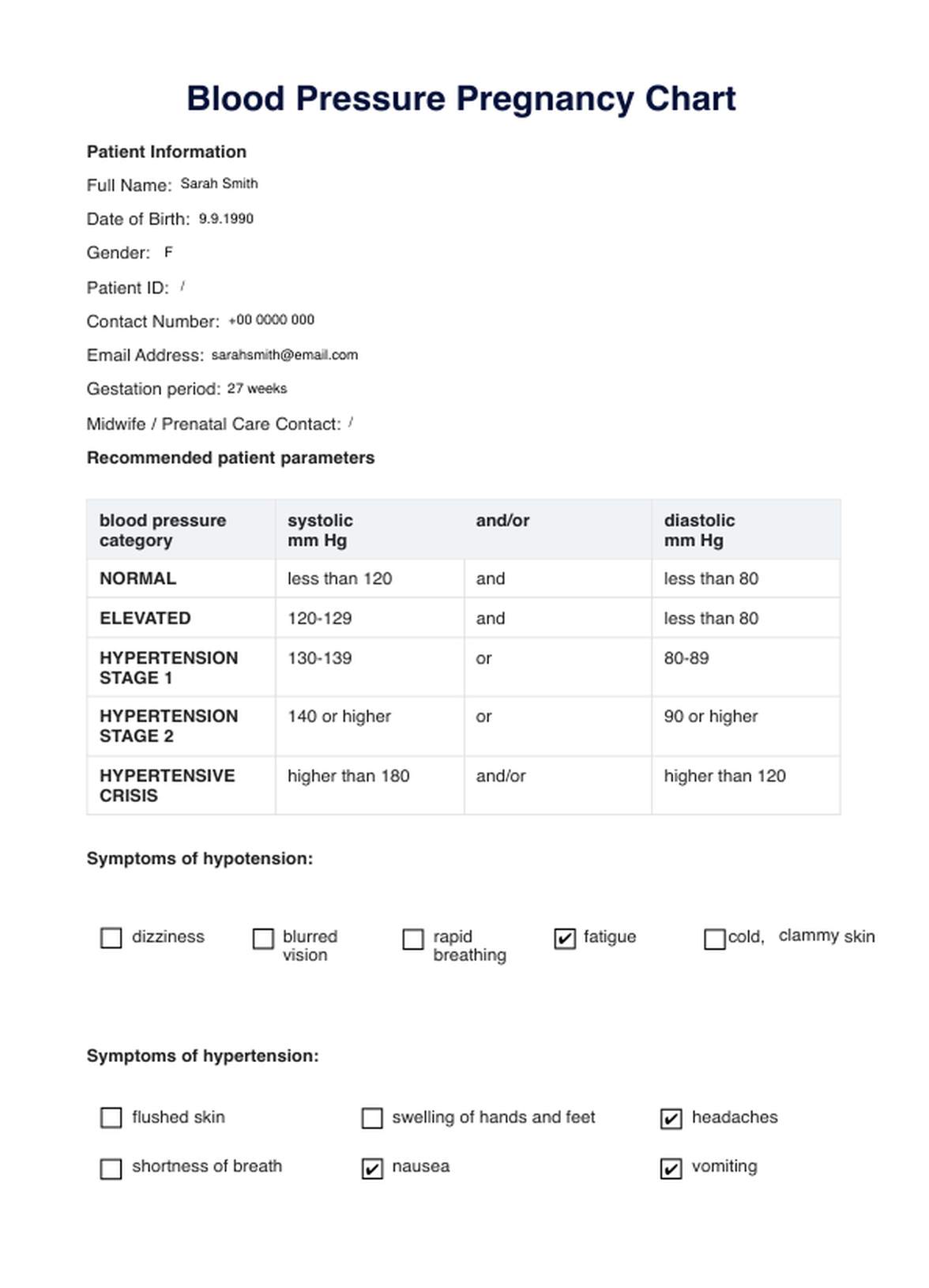
The accurate application of ICD-10-CM codes for elevated blood pressure in pregnancy requires distinguishing between pre-existing chronic hypertension, gestational hypertension, and pre-eclampsia. For the 2026 fiscal year, coders must prioritize Chapter 15 codes (O00–O9A), ensuring the specific trimester and any associated complications like proteinuria or organ dysfunction are documented to support the highest level of specificity.
Maternal health remains a cornerstone of clinical documentation and healthcare reimbursement. In the United States and internationally, the classification of hypertensive disorders during pregnancy is critical for tracking maternal morbidity and mortality. When a patient presents with "elevated blood pressure" during pregnancy, the medical coder cannot simply assign a generic code for high blood pressure. Instead, they must navigate the complexities of Chapter 15 of the ICD-10-CM (Pregnancy, Childbirth, and the Puerperium) to identify the exact nature of the condition, its onset, and its impact on both the mother and the fetus.
Understanding the Hierarchy of Maternal Hypertension Codes
In medical coding, specificity is the primary goal. For pregnant patients, the "O" codes in ICD-10-CM take precedence over codes from other chapters unless otherwise specified. When coding for elevated blood pressure, the first step is determining if the hypertension is a pre-existing condition or if it was induced by the pregnancy itself.
The clinical documentation must be robust enough to support these distinctions. A simple note of "high BP" is insufficient. As of 2026, payers and regulatory bodies like the Centers for Medicare & Medicaid Services (CMS) require detailed documentation of the trimester and any systemic symptoms.
Pre-existing (Chronic) Hypertension (O10 Series)
Pre-existing hypertension refers to high blood pressure that was present before the pregnancy or diagnosed before the 20th week of gestation. This condition persists after delivery.
- O10.0 (Essential hypertension complicating pregnancy, childbirth, and the puerperium): This is used when the patient has a known history of primary hypertension.
- O10.1 (Pre-existing hypertensive heart disease complicating pregnancy, childbirth, and the puerperium): This requires documentation of both hypertension and heart disease.
- O10.4 (Pre-existing secondary hypertension complicating pregnancy, childbirth, and the puerperium): Used when the hypertension is a result of another condition, such as renal artery stenosis.
When using codes from the O10 series, it is often necessary to use an additional code from Chapter 9 (Diseases of the Circulatory System) to identify the specific type of heart or kidney disease, if applicable.
Gestational (Pregnancy-Induced) Hypertension (O13 Series)
Gestational hypertension is defined as the new onset of hypertension (systolic BP ≥140 mmHg or diastolic BP ≥90 mmHg) after 20 weeks of gestation in a previously normotensive woman, without the presence of proteinuria.
- O13.1 (Gestational [pregnancy-induced] hypertension without significant proteinuria, first trimester)
- O13.2 (Gestational [pregnancy-induced] hypertension without significant proteinuria, second trimester)
- O13.3 (Gestational [pregnancy-induced] hypertension without significant proteinuria, third trimester)
The distinction between gestational hypertension and pre-eclampsia is the absence of proteinuria or other "severe features" such as low platelets, impaired liver function, or cerebral symptoms.
Pre-eclampsia and Eclampsia: Coding Complexities
Pre-eclampsia is a multisystem disorder that typically occurs after 20 weeks of gestation. It is characterized by hypertension and, most commonly, proteinuria. However, in the absence of proteinuria, pre-eclampsia can still be diagnosed if there is evidence of organ dysfunction.
Coding Pre-eclampsia (O14 Series)
The O14 category is divided by the severity of the condition. In 2026, clinical guidelines from organizations like the American College of Obstetricians and Gynecologists (ACOG) continue to emphasize the importance of identifying "severe features."
- Mild to Moderate Pre-eclampsia (O14.0): This code is applied when the blood pressure is elevated and proteinuria is present, but the patient does not meet the criteria for severe pre-eclampsia.
- Severe Pre-eclampsia (O14.1): This is assigned when the patient exhibits very high blood pressure (≥160/110 mmHg) or signs of end-organ damage, such as pulmonary edema, visual disturbances, or severe persistent right upper quadrant pain.
- HELLP Syndrome (O14.2): This is a severe variant of pre-eclampsia involving Hemolysis, Elevated Liver enzymes, and Low Platelet count. It is a critical diagnosis that requires specific coding (O14.2X) and immediate clinical intervention.
Eclampsia (O15 Series)
Eclampsia is the onset of seizures (convulsions) in a woman with pre-eclampsia. This is a medical emergency and is coded based on when the seizures occurred:
- O15.0: Eclampsia in pregnancy.
- O15.1: Eclampsia in labor.
- O15.2: Eclampsia in the puerperium (postpartum).
The Importance of Trimester-Specific Coding
A hallmark of ICD-10-CM coding for pregnancy is the requirement for the final character to represent the trimester. For hypertensive disorders, the trimester is often the 5th or 6th character of the code.
- 1st Trimester: Less than 14 weeks 0 days.
- 2nd Trimester: 14 weeks 0 days to less than 28 weeks 0 days.
- 3rd Trimester: 28 weeks 0 days until delivery.
If a patient is admitted during one trimester and remains hospitalized into the next, the code for the trimester in which the complication began should generally be used. However, if the condition resolves and a new complication arises in a later trimester, the later trimester code is applied.
Elevated Blood Pressure vs. Hypertension: Resolving Ambiguity
One of the most common mistakes in maternal coding is the misuse of code R03.0 (Elevated blood pressure reading, without diagnosis of hypertension). In a non-pregnant patient, R03.0 is used for a "one-off" high reading.
However, in pregnancy, use of R03.0 is rare. If the blood pressure is high enough to be clinically significant during pregnancy, the provider will typically diagnose it as gestational hypertension (O13) or pre-existing hypertension (O10). If the provider has not yet made a definitive diagnosis, they may use O16 (Unspecified maternal hypertension). This code serves as a placeholder when the documentation indicates high blood pressure but doesn't specify if it's pre-existing or gestational.
Table: Comparison of Hypertensive ICD-10 Codes in Pregnancy
| Condition | ICD-10 Category | Key Clinical Requirements | Trimester Required? |
|---|---|---|---|
| Pre-existing Essential HTN | O10.0 | History of HTN before 20 weeks. | Yes (as final digit) |
| Gestational HTN | O13 | Onset after 20 weeks; no proteinuria. | Yes |
| Mild/Mod Pre-eclampsia | O14.0 | HTN + Proteinuria; no severe features. | Yes |
| Severe Pre-eclampsia | O14.1 | BP ≥160/110 or organ dysfunction. | Yes |
| HELLP Syndrome | O14.2 | Lab evidence of Hemolysis, Elevated Liver, Low Platelets. | Yes |
| Eclampsia | O15 | Seizures in a pre-eclamptic patient. | Specified by stage (Pregnancy/Labor) |
| Unspecified HTN | O16 | High BP documented without further detail. | No (O16 is often a 3-character root) |
Sequencing Rules and Guidelines
When coding for a pregnancy encounter where hypertension is the primary reason for the visit, the Chapter 15 code (O10–O16) must be the principal diagnosis.
- Principal Diagnosis: The "O" code representing the hypertensive disorder.
- Secondary Diagnosis (Z3A): A code from the Z3A series must be used to identify the specific weeks of gestation. This is a requirement for all pregnancy-related encounters in 2026. For example, Z3A.32 indicates 32 weeks of gestation.
- Additional Conditions: If the hypertension is caused by an underlying condition (like renal disease), code the O10.4 series first, followed by the specific renal disease code from Chapter 14.
The "Superimposed" Pre-eclampsia Concept
A frequent clinical scenario involves a patient with pre-existing chronic hypertension who then develops pre-eclampsia. This is known as "superimposed pre-eclampsia" and is coded using the O11 series.
- O11.1: Pre-existing hypertension with superimposed pre-eclampsia, first trimester.
- O11.2: Pre-existing hypertension with superimposed pre-eclampsia, second trimester.
- O11.3: Pre-existing hypertension with superimposed pre-eclampsia, third trimester.
This combination code captures both the chronic nature of the patient's baseline health and the acute complication of the pregnancy.
Documentation Requirements for Clinicians
To ensure accurate coding and avoid claim denials in 2026, clinicians must be precise in their charting. Coders cannot assume a diagnosis based on lab results (like protein in the urine) or vitals (like 150/95 BP readings). The physician or mid-level provider must explicitly state the diagnosis.
Key elements for documentation include:
- The exact BP readings: To differentiate between moderate and severe features.
- The presence or absence of proteinuria: Essential for the O13 vs. O14 distinction.
- The onset timing: Was it present at the first prenatal visit or did it appear at 24 weeks?
- Associated symptoms: Mentioning headaches, scotoma (visual spots), or epigastric pain helps justify a "severe" pre-eclampsia code (O14.1).
Common Mistakes in Coding Maternal Hypertension
- Failing to use the Z3A code: Every pregnancy-related "O" code encounter requires an accompanying "weeks of gestation" code. Without this, the claim is often rejected as incomplete.
- Using Chapter 9 codes as primary: Never use I10 (Essential hypertension) as the primary diagnosis for a pregnant patient. Use O10.0 instead.
- Misidentifying the trimester: Ensure the weeks of gestation (Z3A) match the trimester character in the "O" code. For instance, a Z3A.12 (12 weeks) code should not be paired with an O13.2 (2nd trimester) code.
- Incomplete coding for HELLP: HELLP syndrome is often documented but coded simply as pre-eclampsia. Ensure O14.2 is used to reflect the severity and resource intensity of the case.
FAQs about ICD-10 Coding for Pregnancy Hypertension
What is the ICD-10 code for "high blood pressure in pregnancy" when no further info is given?
If the documentation only states "high blood pressure" or "hypertension" without specifying if it is pre-existing or pregnancy-induced, use O16 (Unspecified maternal hypertension). However, this should be avoided if possible, as it may lead to requests for additional information from payers.
Can I code R03.0 for a pregnant patient?
Technically, yes, if the provider specifically states "elevated blood pressure reading without a diagnosis of hypertension." However, in the context of pregnancy, clinicians are usually monitoring for gestational hypertension, so an "O" code is almost always more appropriate and specific.
How do I code hypertension that continues after delivery?
If the hypertension was gestational (O13) or pre-eclampsia (O14), it usually resolves within 6-12 weeks postpartum. If it persists beyond the puerperium, it is then coded as chronic essential hypertension (I10). If the patient is still in the postpartum period (6 weeks following delivery), you continue to use the Chapter 15 codes, typically adding a character to indicate the puerperium (e.g., O14.05 for mild pre-eclampsia in the puerperium).
Is there a difference between "pregnancy-induced hypertension" and "gestational hypertension"?
In ICD-10-CM, these terms are synonymous and both point to the O13 category. "Gestational hypertension" is the preferred clinical term in modern medicine.
What code is used for a patient with chronic hypertension who is now pregnant?
You use a code from the O10 series. For example, O10.012 represents pre-existing essential hypertension complicating pregnancy, second trimester. Do not use the standard I10 code.
How do I code for a patient who has a history of pre-eclampsia but is not currently hypertensive?
In this case, you would use a "Personal History" code. Specifically, Z87.59 (Personal history of other complications of pregnancy, childbirth and the puerperium) can be used to indicate a history of pre-eclampsia, which alerts the healthcare team to a higher risk profile for the current pregnancy.
Practical Recommendations for 2026
For healthcare organizations aiming to optimize their revenue cycle and clinical outcomes tracking, the following steps are recommended:
- Clinical Documentation Improvement (CDI): Implement templates in the Electronic Health Record (EHR) that prompt providers to specify the onset of hypertension (pre-20 weeks vs. post-20 weeks) and the presence of severe features.
- Dual Coding Audits: Regularly audit "O" code assignments against "Z3A" week assignments to ensure they are synchronized.
- Stay Updated on Official Guidelines: Review the CDC’s ICD-10-CM Official Guidelines for Coding and Reporting annually, as minor character changes or new sub-codes are often introduced in October.
By maintaining high standards of specificity, coding professionals ensure that maternal health data is accurate, which is essential for both individual patient care and broader public health initiatives aimed at reducing pregnancy-related complications.