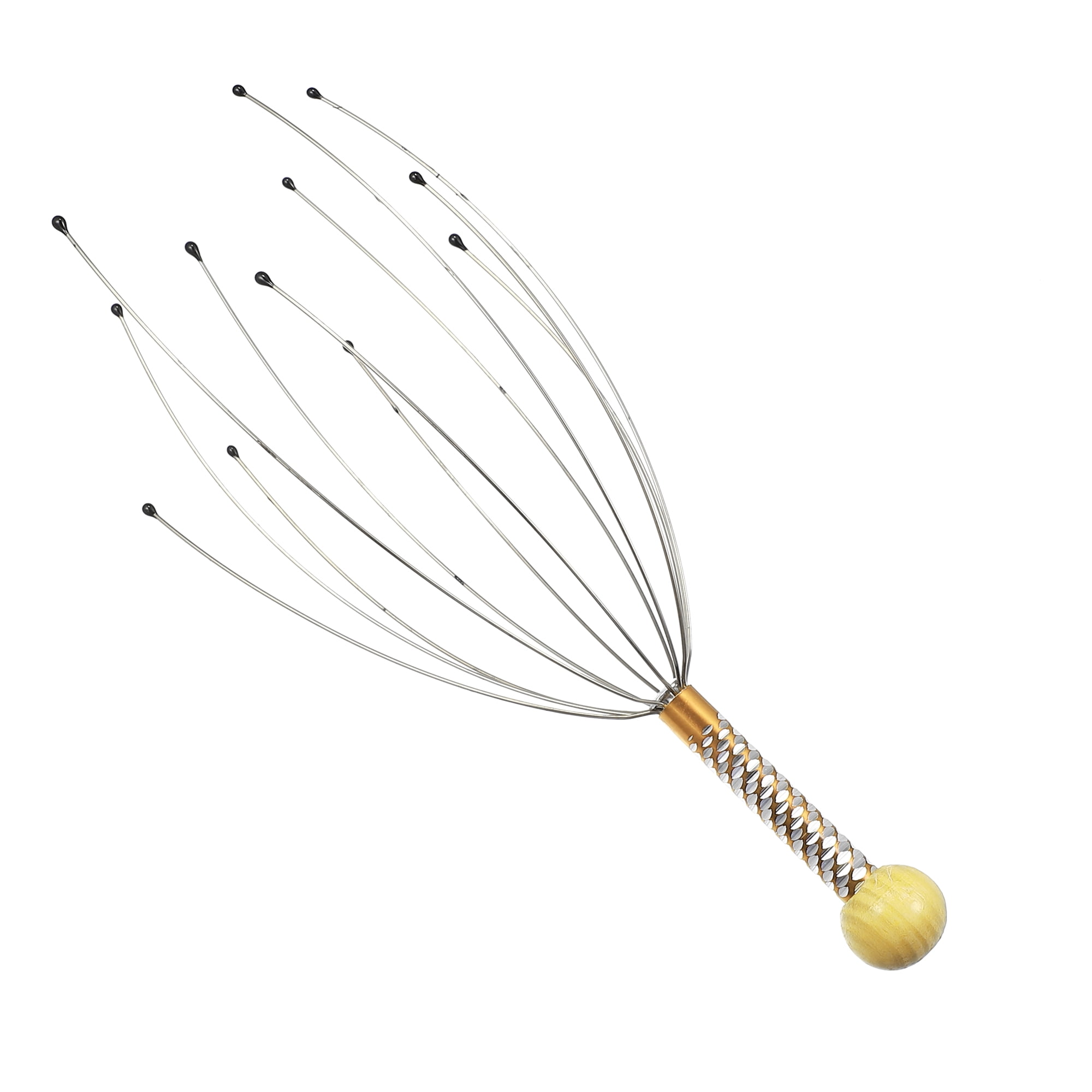
When looking for the single best head massager, electric scalp massagers equipped with silicone nodes and multiple speed settings generally offer the most effective tension relief, improved circulation, and stimulation for hair follicle health compared to manual wire scratchers or basic rollers.
Selecting the right device for cranial and scalp relaxation requires navigating a market saturated with manual wire tools, handheld vibrating pods, and advanced robotic silicone-node spiders. Finding the 1 best massager for head care involves understanding how different mechanisms address muscle tension, scalp health, and stress relief. Whether you are addressing chronic tension headaches, seeking to improve scalp circulation, or simply trying to unwind after a demanding workday, identifying the optimal device prevents wasted spending and ensures an effective therapeutic experience.
Understanding the Landscape of Head Massagers
Head massage has long been utilized across various wellness traditions to alleviate stress, reduce blood pressure, and promote a sense of well-being. Today, technology has modernized this practice, moving far beyond simple wooden brushes or manual wire scratching tools. To find the optimal choice, it helps to break down the primary categories available on the market and examine how they function physiologically.
Manual vs. Electric Scalp Massagers
Manual massagers—ranging from traditional scalp brushes with rubber bristles to wire "spider" massagers with coated tips—rely entirely on hand movement. They are affordable, highly portable, and require no power source. However, they lack consistent pressure control, and prolonged manual use can tire your wrists and arms.
Electric massagers, by contrast, utilize internal motors to rotate, oscillate, or vibrate nodes against the scalp. These devices deliver uniform pressure, variable speeds, and often incorporate secondary features such as gentle heat therapy or red-light therapy. While they are heavier and more expensive, they provide a much deeper, more consistent therapeutic massage that mimics the hands of a professional masseuse.
Physiological Benefits and Limitations
A high-quality head massager does more than simply feel pleasant. Regular scalp stimulation helps to:
- Relieve Myofascial Tension: Loosen tight muscles across the occipital region, temples, and scalp.
- Boost Local Blood Circulation: Deliver oxygen and essential nutrients to hair follicles.
- Promote Relaxation: Trigger the parasympathetic nervous system, lowering cortisol levels and encouraging stress relief.
However, users must maintain realistic expectations. While these devices can alleviate tension headaches caused by muscle tightness, they will not cure migraines of neurological origin. Furthermore, individuals with specific dermatological conditions, open wounds, or recent scalp surgeries should consult a medical professional before using automated massage devices.
Key Criteria for Evaluating the Best Head Massager
When determining which device claims the top spot, several technical and ergonomic factors must be evaluated. A poorly designed device can pull hair, tangle strands, or lack the torque needed to penetrate thick hair.
1. Node Material and Design
The points of contact—referred to as nodes, fingers, or heads—are critical. Medical-grade silicone nodes are widely considered the gold standard. Unlike hard plastic, silicone flexes as it moves, preventing scratching on sensitive scalps and reducing the likelihood of hair tangling. Removable nodes also make cleaning dead skin cells, oils, and product buildup much easier.
2. Motor Power, Torque, and Speed Settings
An underpowered motor will stall the moment you apply gentle pressure to the scalp. The best devices feature high-torque motors capable of maintaining consistent rotational speed even under load. Multiple speed modes and bi-directional rotation (clockwise and counter-clockwise) allow users to customize the intensity based on personal comfort and muscle sensitivity.
3. Waterproofing and Wet/Dry Versatility
Many users prefer applying their massager during a shampoo routine to help lather products and deeply cleanse the scalp. An IPX7 waterproof rating ensures the device can be safely submerged or used in the shower without electrical failure.
4. Ergonomics and Battery Life
A head massager should feature an anti-slip, comfortable grip that prevents hand strain during a standard 10-to-15-minute session. Additionally, lithium-ion rechargeable batteries with USB charging docks offer superior convenience compared to disposable alkaline batteries, ensuring the device remains charged and ready for use.
Comparison of Leading Head Massager Categories
To better understand how different designs stack up against one another, the following table compares the primary types of head massagers based on performance, convenience, and ideal use cases.
| Massager Type | Primary Mechanism | Best For | Pros | Cons |
|---|---|---|---|---|
| Electric Silicone-Node Massager | Rotating/kneading mechanical nodes | Deep tension relief, stress reduction, shampooing | Consistent pressure, therapeutic feel, waterproof | Heavier, higher initial cost |
| Manual Wire "Spider" Massager | Manual flexing metal tines | Quick relaxation, ASMR-style tingling | Extremely inexpensive, ultra-portable, no charging needed | Zero motor power, zero structural durability, can tangle hair |
| Handheld Vibrating Pod | High-frequency micro-vibration | Surface-level stimulation, travel | Compact, simple operation | Lacks deep kneading action, weak on thick hair |
| Full-Coverage Scalp Helmet | Air compression and rolling nodes | Hands-free comprehensive relaxation | Full head coverage, advanced features (heat, sound) | Bulky, expensive, not suitable for wet use |
Why the Electric 4-Node Silicone Massager is the Industry Standard
Among all available formats, the rechargeable electric massager featuring four independent rotating heads and soft silicone nodes consistently emerges as the top-performing choice. Brands such as Breo, Comfier, and Renpho have popularized this exact mechanical layout, and for good reason.
Mechanical Action Mimicking Human Hands
The four-head layout mimics the fingers of a massage therapist. As the two left nodes rotate inward and the two right nodes rotate outward, they gently pinch and knead the scalp tissue. This motion lifts and loosens the galea aponeurotica—the tough layer of connective tissue covering the top of the skull—where chronic tension frequently accumulates.
Hair-Friendly Operation
One of the most common complaints regarding older electric massagers was hair entanglement. Modern silicone-node designs feature smooth, tapered tips and controlled rotational speeds that glide over hair shafts rather than wrapping them around spindles. Even individuals with long or curly hair can use these devices safely, provided they guide the unit gently rather than pressing it aggressively into tangled hair.
Step-by-Step Guide: How to Use Your Head Massager Effectively
Owning the right tool is only half the battle; proper technique ensures maximum therapeutic benefit without causing irritation.
- Prepare Your Hair and Scalp: Remove any hard hair clips, pins, or tight ponytails. If using the massager dry, ensure your hair is reasonably detangled.
- Select the Mode: Turn on the device and select a low speed setting for your initial session to allow your scalp muscles to adjust.
- Apply Minimal Downward Pressure: Let the weight of the device do the work. Pressing down hard is unnecessary and can cause surface friction or skin sensitivity.
- Follow a Systematic Path:
- Begin at the hairline above your forehead.
- Slowly glide or step the device upward toward the crown of your head.
- Move down toward the nape of the neck and the base of the skull (occipital ridge), where a vast majority of tension is stored.
- Limit Session Duration: Keep sessions to 10–15 minutes per use, 1 to 2 times daily, to prevent over-stimulating the skin.
- Clean the Device: If used in the shower or with hair oils, detach the silicone nodes and wash them with mild soap and warm water to prevent bacteria buildup.
Common Mistakes to Avoid
To maintain scalp health and prolong the lifespan of your device, avoid these frequent errors:
- Pressing Too Hard: The mechanical action of the nodes provides all the necessary stimulation. Excessive downward force can bruise the scalp tissue.
- Using on Broken Skin: Never use an electronic massager over cuts, abrasions, rashes, or inflammatory skin conditions like severe psoriasis or eczema flare-ups.
- Neglecting Hygiene: Failing to clean silicone nodes regularly can lead to a buildup of sebum, dead skin cells, and product residue, which may transfer back onto your scalp during subsequent uses.
- Improper Charging: Using non-certified charging cables or leaving a waterproof device submerged in water past its manufacturer-rated limits will degrade the internal battery and circuitry.
Frequently Asked Questions
Can a head massager help with hair growth?
While a massager cannot alter your genetic predisposition to hair loss, regular scalp massage increases local blood flow to hair follicles. Improved circulation delivers vital nutrients more efficiently, supporting an optimal environment for natural hair health and growth.
Are electric head massagers safe to use in the shower?
Yes, provided the device holds an official IPX7 waterproof certification. Always check the manufacturer specifications before exposing any electronic device to running water or submersion.
How often should I use a head massager?
For general stress relief and relaxation, using the device for 10 to 15 minutes once a day is sufficient. Listen to your body; if your scalp feels tender, reduce the frequency or lower the speed setting.
Can head massagers cure tension headaches?
They can significantly alleviate tension headaches caused by tight muscles in the scalp, temples, and neck by releasing myofascial restrictions. However, they are not a medical treatment for migraines or headaches stemming from vascular or neurological causes.
How do I clean the silicone nodes?
Most quality electric massagers feature detachable silicone heads. Simply twist or pull them off the unit, wash them with warm water and antibacterial soap, allow them to air dry completely, and snap them back into place.
Final Recommendation
When investing in the single best massager for head care, prioritize a waterproof, rechargeable electric model featuring four independent rotating silicone nodes and variable speed settings. This design strikes the ideal balance between deep muscle relief, hair safety, and ease of maintenance. By integrating this device into your daily relaxation or hair-care routine, you can effectively manage tension, boost scalp circulation, and enjoy a spa-quality massage from the comfort of your home.