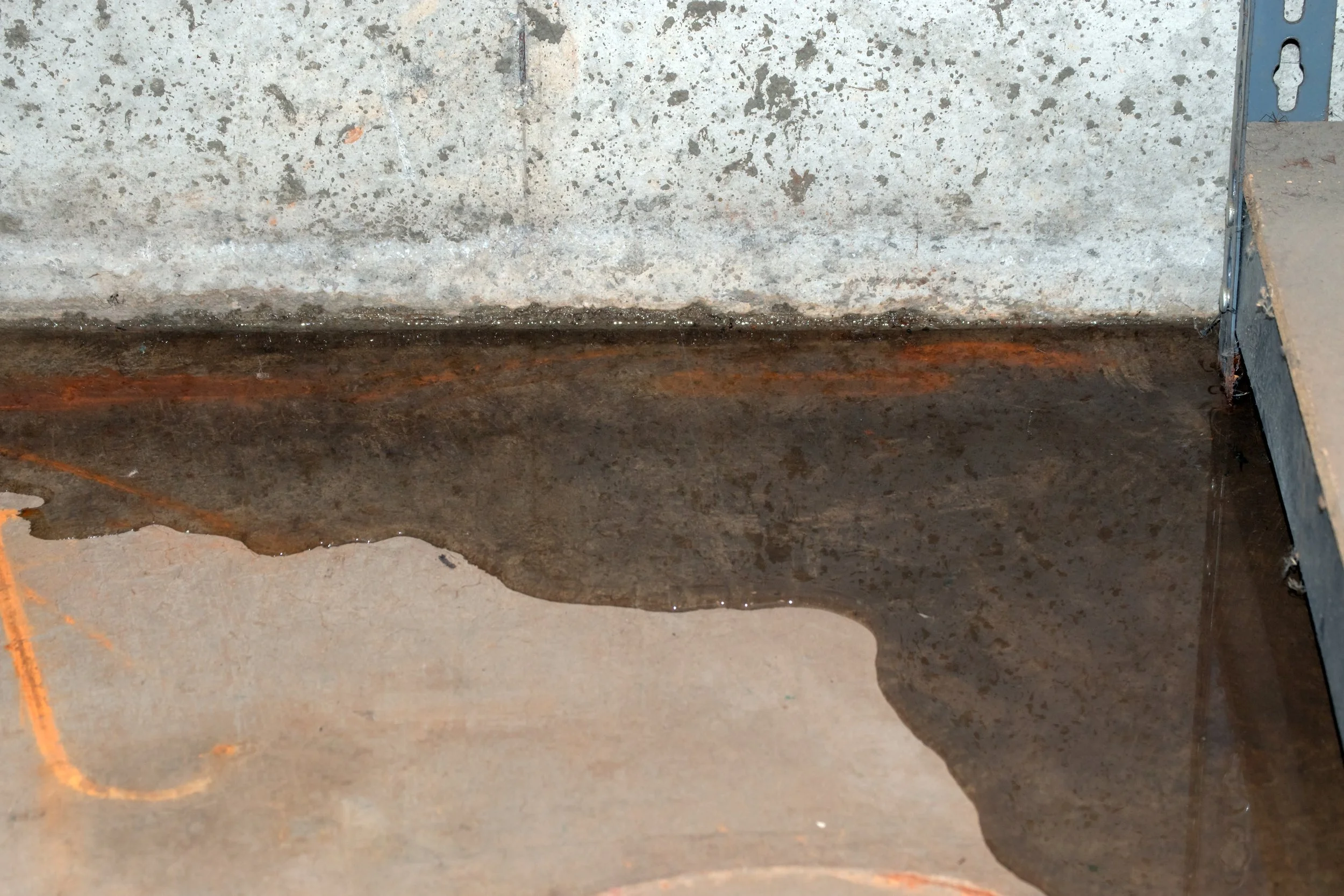
Standard homeowners insurance typically covers slab leaks only if they are caused by a "sudden and accidental" peril, such as a burst pipe. While the policy usually pays for the expensive "tear out" and property restoration, it generally excludes the cost of the plumbing repair itself and any damage resulting from long-term wear and tear.
A slab leak is one of the most stressful discoveries a homeowner can make. Because these leaks occur beneath the thick concrete foundation of a home, they are invisible, difficult to detect, and notoriously expensive to access. For many, the first sign of trouble is an astronomical water bill or a mysterious warm spot on the floor. In 2026, as construction costs and material prices remain elevated, understanding the intersection of insurance and foundation repairs is critical for financial protection.
The question of coverage is rarely a simple "yes" or "no." It depends heavily on the specific language of your policy, the root cause of the leak, and the state in which you reside. To navigate a slab leak claim successfully, you must distinguish between the damage caused by the water, the cost to access the leak, and the repair of the plumbing system itself.
What is a Slab Leak and Why Is It Dangerous?
A slab leak occurs when the water supply lines or drainage pipes running beneath your home’s concrete foundation develop a leak. These pipes are typically made of copper or PEX (cross-linked polyethylene). In older homes, galvanized steel or cast iron may also be present.
Several factors contribute to these failures. Electrolysis is a common culprit in copper piping, where a chemical reaction between the soil and the metal creates pinhole leaks. Thermal expansion can also cause pipes to rub against the concrete as they expand and contract with hot water use, eventually wearing through the pipe wall. Furthermore, shifting soil or poor initial installation can put undue stress on joints.
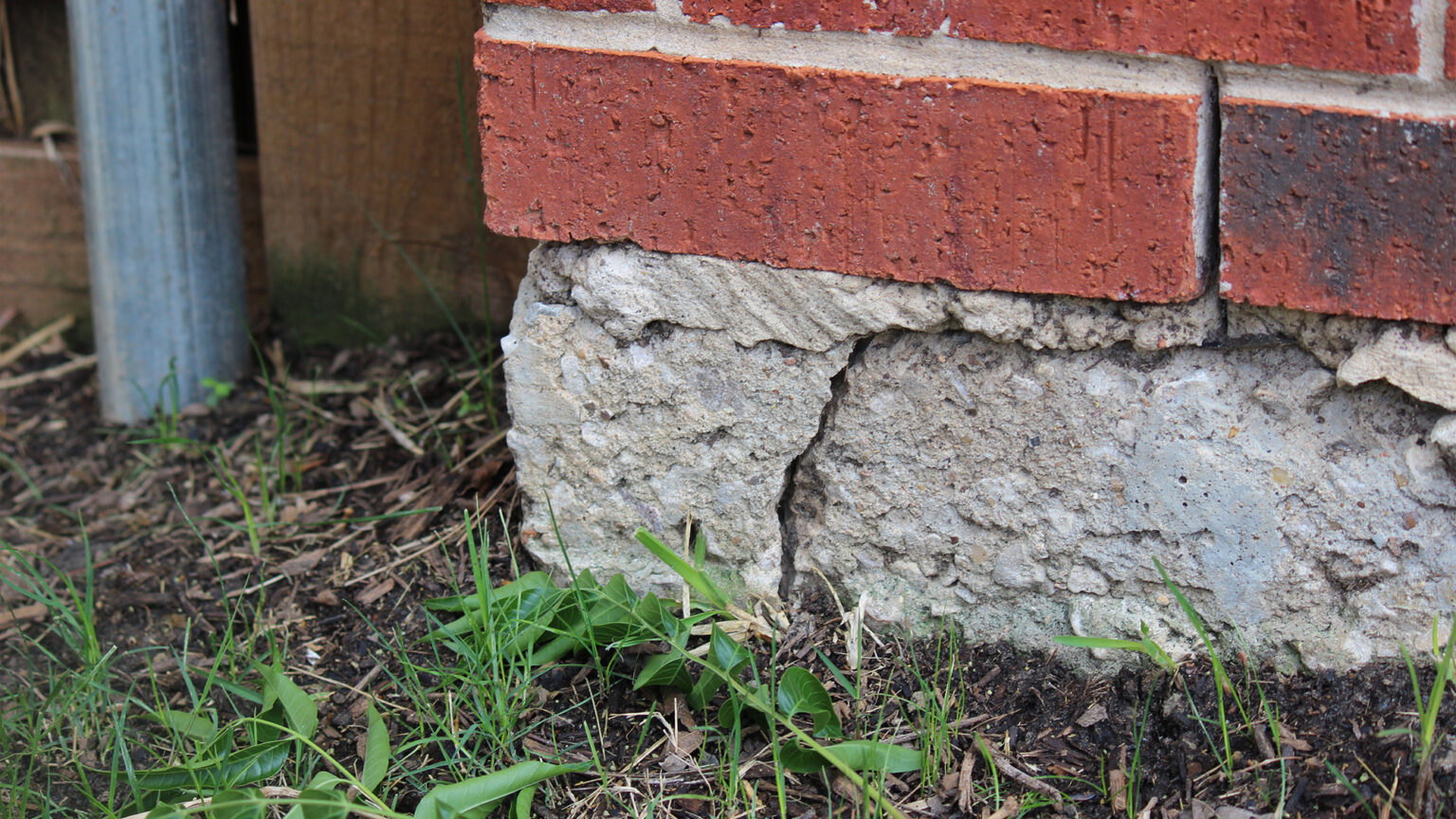
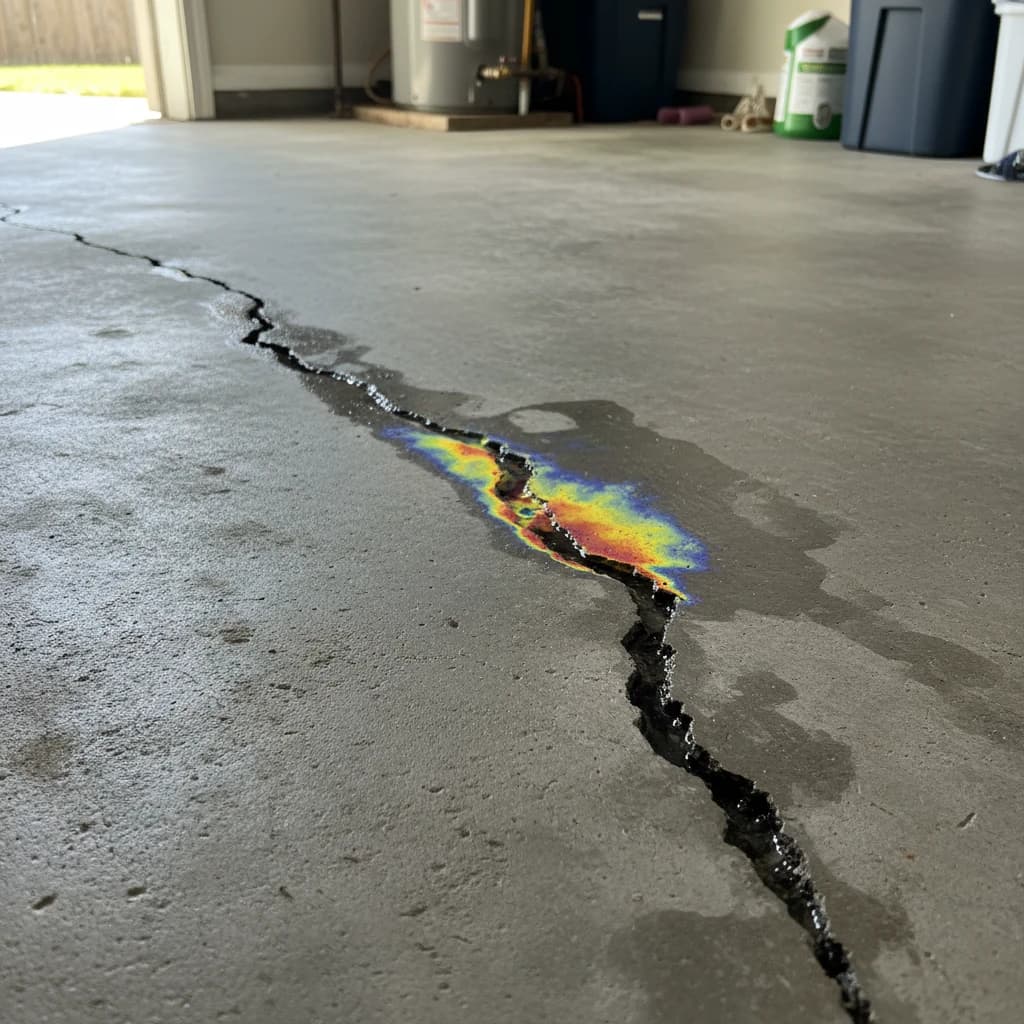
If left unaddressed, a slab leak does more than waste water. It can erode the soil beneath your foundation, leading to subsidence or "heaving," where the foundation cracks or tilts. This structural instability can lead to thousands of dollars in secondary damage, including cracked drywall, misaligned doors, and mold growth within the wall cavities.
When Homeowners Insurance Covers a Slab Leak
In the insurance industry, coverage is triggered by "perils." For a slab leak to be covered under a standard HO-3 policy, the cause of the leak must be a covered peril.
Sudden and Accidental Discharge
The most common path to coverage is the "sudden and accidental discharge of water." If a pipe suddenly bursts due to high pressure or a manufacturer defect, insurance is likely to step in. The key word here is "sudden." Insurance is designed to protect against unexpected Disasters, not the slow degradation of a home’s systems over several years.
Tear Out and Access Coverage
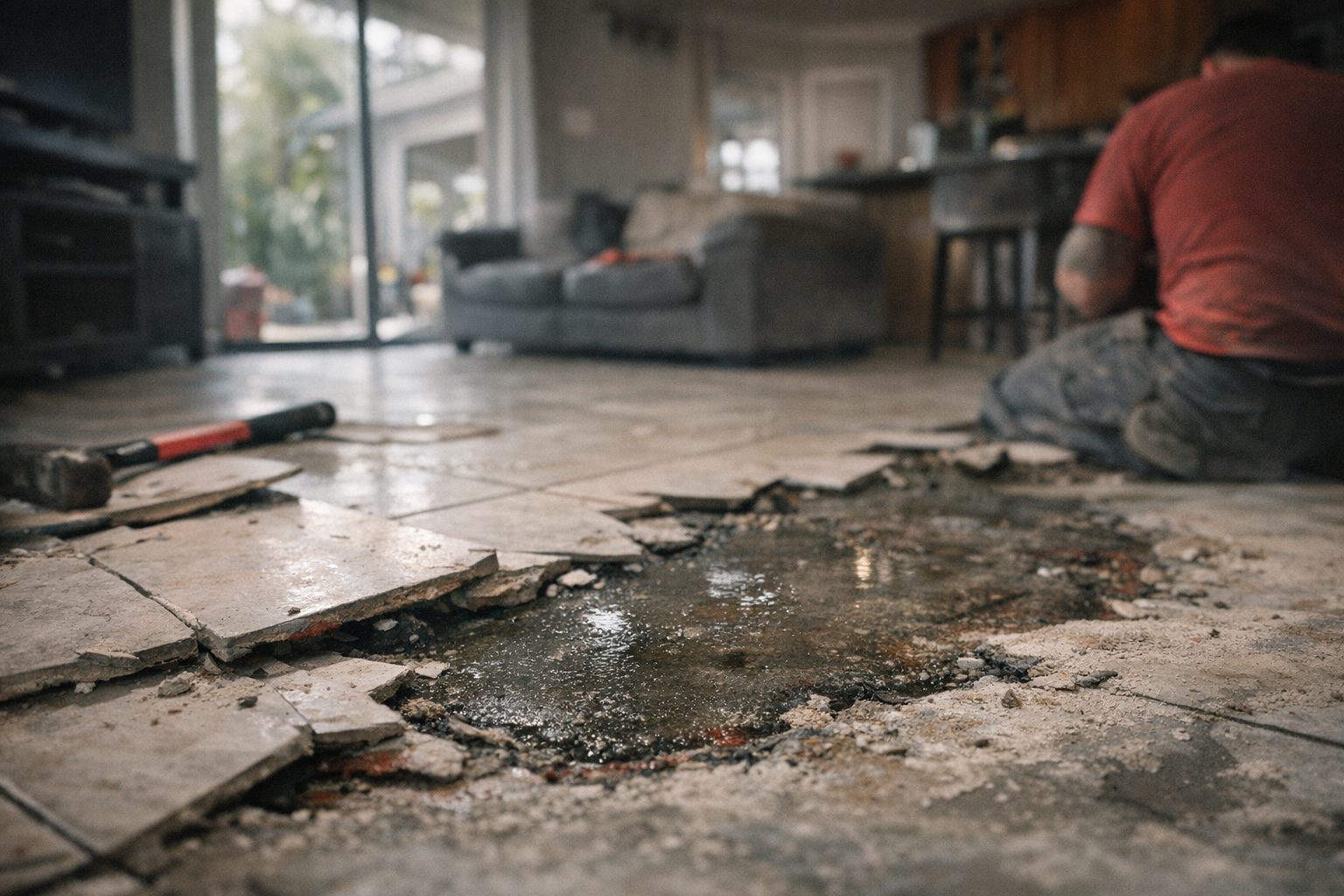
One of the most valuable aspects of slab leak coverage is the "tear out" provision. Even if the insurance company refuses to pay the $300 for the plumber to solder a new piece of pipe, they may be responsible for the $5,000 it costs to jackhammer through the living room floor to reach that pipe.
Under most standard policies, if the water damage caused by the leak is covered, the insurance company must pay the "reasonable cost" to access the system. Once the repair is made, the insurer is also responsible for returning the home to its pre-loss condition, which includes pouring new concrete and replacing flooring.
Dwelling Coverage (Coverage A)
Slab leaks fall under Coverage A, which protects the structure of your home. If the water from a covered slab leak ruins your hardwood floors, baseboards, or cabinetry, these items are typically covered. In 2026, many insurers use "Line of Sight" rules, meaning if a portion of your flooring must be replaced, they may be required to replace the flooring throughout the entire continuous room to ensure a uniform appearance.
When Slab Leaks Are Not Covered
Understanding exclusions is just as important as knowing what is covered. Insurance companies frequently deny slab leak claims based on the following factors:
Wear and Tear, Deterioration, and Corrosion
Homeowners insurance is not a maintenance plan. If an adjuster determines that the pipe leaked because it was 50 years old and had simply corroded over time, they may deny the entire claim. This is a common point of contention. Most policies explicitly exclude "gradual seepage" that occurs over a period of weeks or months.
Earth Movement and Settling
Standard policies exclude damage caused by "earth movement." If your slab leaks because the ground shifted or the house settled, the claim might be denied. Conversely, if the leak caused the ground to shift, the resulting foundation damage might also be excluded under the "foundation settling" clause, even if the water damage to the carpet is covered.
Tree Roots
Invasive tree roots are a frequent cause of plumbing failure. However, most insurance policies do not cover damage caused by roots. If a root punctures a line beneath your slab, you will likely be responsible for the entirety of the repair and restoration costs.
Negligence and Lack of Maintenance
If a homeowner is aware of a leak—perhaps evidenced by a high water bill for six months—and fails to take action, the insurer may deny the claim due to a failure to mitigate damages. Homeowners have a contractual obligation to protect their property from further loss once a problem is identified.
The Cost of Repairing a Slab Leak in 2026
The financial impact of a slab leak can be broken down into three phases: detection, access/repair, and restoration. In 2026, labor shortages in the skilled trades have kept these costs significantly higher than historical averages.
| Service Component | Estimated Cost Range (2026) | Insurance Coverage Status |
|---|---|---|
| Professional Leak Detection | $350 – $700 | Often covered if a claim is filed |
| Pipe Repair (Plumbing) | $500 – $1,500 | Rarely covered (considered maintenance) |
| Foundation Access (Tear Out) | $2,500 – $6,000 | Usually covered if the peril is covered |
| Rerouting (Alternative Fix) | $4,000 – $10,000 | Sometimes covered as a "cost-effective" fix |
| Property Restoration | $3,000 – $15,000+ | Usually covered (flooring, drywall, paint) |
Note: Rerouting is often the preferred method in 2026. Instead of jackhammering the slab, plumbers run new lines through the walls or attic. Some insurers will pay for rerouting if it is cheaper than the cost of "tear out" and restoration.
Strategic Endorsements to Enhance Coverage
Because standard policies have significant gaps regarding slab leaks, many homeowners opt for endorsements (add-ons) to ensure they aren't left with a massive bill.
Service Line Coverage
This is an increasingly popular endorsement in 2026. While standard insurance often stops at the foundation wall, service line coverage protects the underground pipes (water, sewer, gas) that run from your house to the street. Some modern service line endorsements also cover leaks beneath the slab caused by wear and tear or environmental factors that standard policies exclude.
Water Backup and Sump Overflow
If a slab leak occurs in a drainage or sewer line, it can cause a backup. Standard policies do not cover water that enters the home through sewers or drains unless you have this specific endorsement. It is a relatively inexpensive addition that provides a specific limit (e.g., $5,000 to $25,000) for these types of losses.
Hidden Water Damage Coverage
Some carriers offer an endorsement that specifically covers "hidden" or "seepage" leaks. This effectively removes the "sudden and accidental" requirement, providing protection even if the leak was slow and occurred over several months before being discovered.
How to Identify a Slab Leak Early
Early detection is the best way to ensure your insurance claim is viewed as "sudden" rather than "gradual." According to the Insurance Information Institute, proactive maintenance is the homeowner's first line of defense.
- Sudden Spikes in Water Bills: A jump of 20% or more without a change in usage is a primary indicator.
- The Sound of Running Water: If you hear water hissing or rushing when all faucets are turned off, a pipe is likely leaking.
- Hot Spots on the Floor: If a hot water line leaks, the heat will transfer through the concrete. If your pets are suddenly congregating on a specific patch of tile, or if your feet feel warmth in an odd place, investigate immediately.
- Unexplained Moisture or Mold: Damp carpets, warped baseboards, or a musty smell along the floorboards are signs of moisture wicking up through the slab.
- Moving Water Meter: Turn off every water source in your house and check your water meter. If the low-flow indicator (usually a small triangular wheel) is still spinning, you have a leak.
The Step-by-Step Claims Process
If you suspect a slab leak, the order in which you take action can determine whether your claim is approved or denied.
- Stop the Damage: If the leak is active and visible, turn off the main water valve. This fulfills your duty to mitigate further damage.
- Call a Leak Detection Specialist: Do not hire a general plumber first. You need a specialist with sonic equipment or thermal cameras to pinpoint the leak. Request a written report detailing the probable cause of the leak.
- Contact Your Insurance Agent: Report the loss immediately. Avoid using ambiguous language; state clearly that you have discovered "sudden water damage."
- Document Everything: Take photos of the water damage, the leak detection process, and any warped flooring. Keep samples of the damaged pipe once it is removed, as the insurance adjuster may want to inspect it for corrosion versus a sudden burst.
- Review the Adjuster's Estimate: The insurance company will send an adjuster to estimate the "tear out" and restoration costs. Ensure they have accounted for the current 2026 market rates for materials and labor. If the estimate is too low, you may need to hire a Public Adjuster to advocate on your behalf.
Managing the "Wear and Tear" Dispute
The most common reason for slab leak claim denials is the "wear and tear" exclusion. Insurance companies often argue that because a pipe is underground, it must have corroded over time.
To counter this, homeowners should look for evidence of high water pressure (which can cause a sudden rupture) or manufacturer defects. If the pipe failed at a joint or fitting due to a "mechanical failure," it is more likely to be covered than a pipe that has thinned out across its entire length due to age.
Furthermore, many state insurance regulators, such as the National Association of Insurance Commissioners (NAIC), provide guidelines on how "sudden" is interpreted. In some jurisdictions, "sudden" refers to the discovery of the leak rather than the onset of the leak, though this varies by state and policy form.
Important Safety and Legal Considerations
When dealing with foundation-level water damage, safety should be the priority. Standing water near electrical outlets or appliances can pose an electrocution risk. Additionally, if the leak has been present for some time, mold can develop quickly.
It is important to note that insurance policies are legal contracts. This article provides general guidance based on standard industry practices in 2026, but your specific policy may have different language. If you are facing a large-scale loss and a claim denial, consulting with an attorney who specializes in insurance bad faith or property law is often a necessary step.
Final Recommendations
Dealing with a slab leak requires a balance of quick action and careful documentation. To protect yourself:
- Review your policy annually: Ensure you have "Tear Out" coverage and consider adding a Service Line endorsement.
- Install a Smart Water Monitor: Devices like the Phyn or Moen Flo can detect minute changes in pressure and automatically shut off your water, potentially preventing a slab leak from becoming a catastrophic event.
- Don't wait: If you suspect a leak, pay for the professional detection immediately. The $400 you spend today could save you $20,000 in denied insurance claims later.
- Prioritize Rerouting: If insurance offers a settlement, see if rerouting the pipes is an option. It is often a more permanent solution than patching a pipe beneath the slab, as it removes the risk of future leaks in that same vulnerable environment.