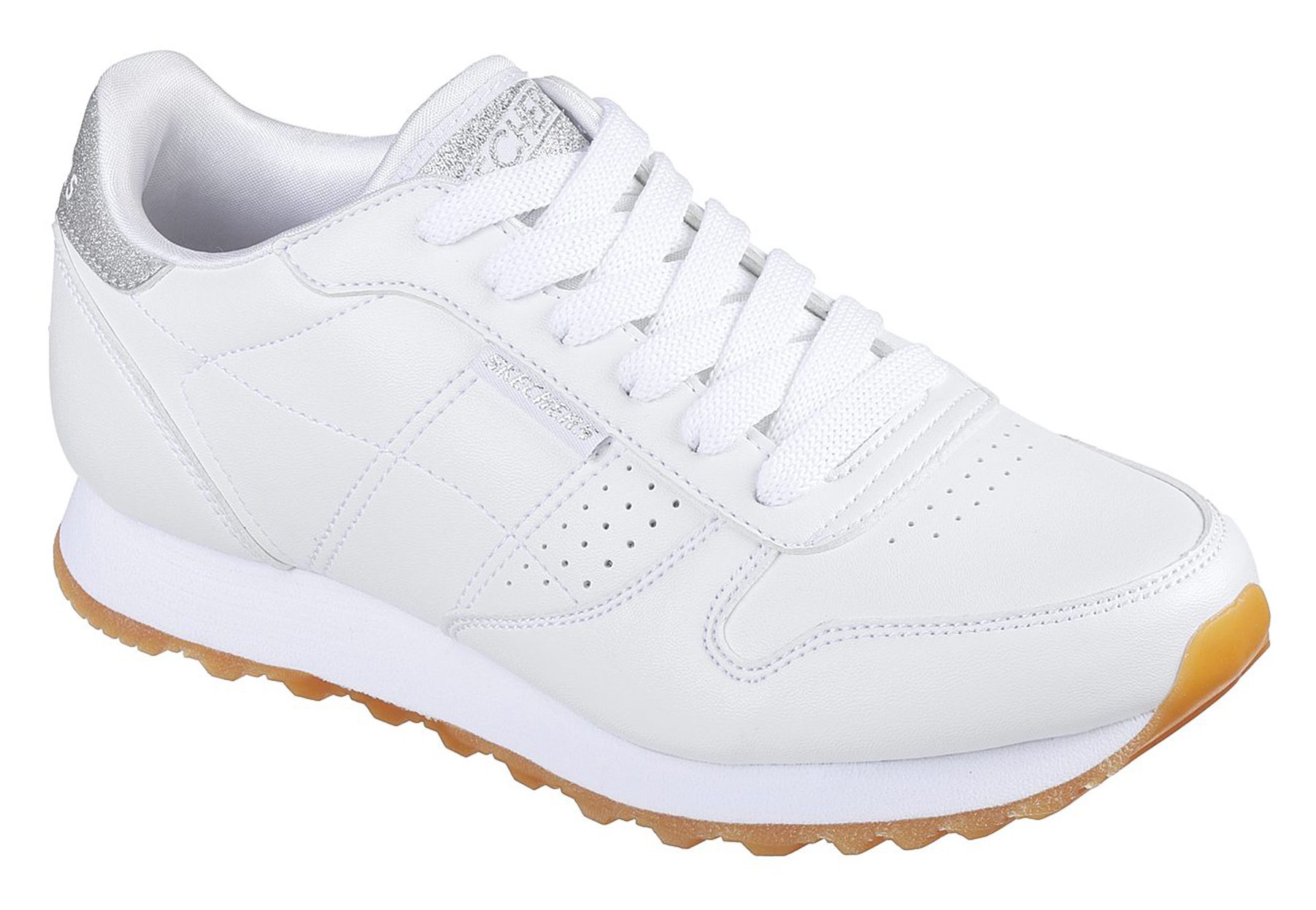
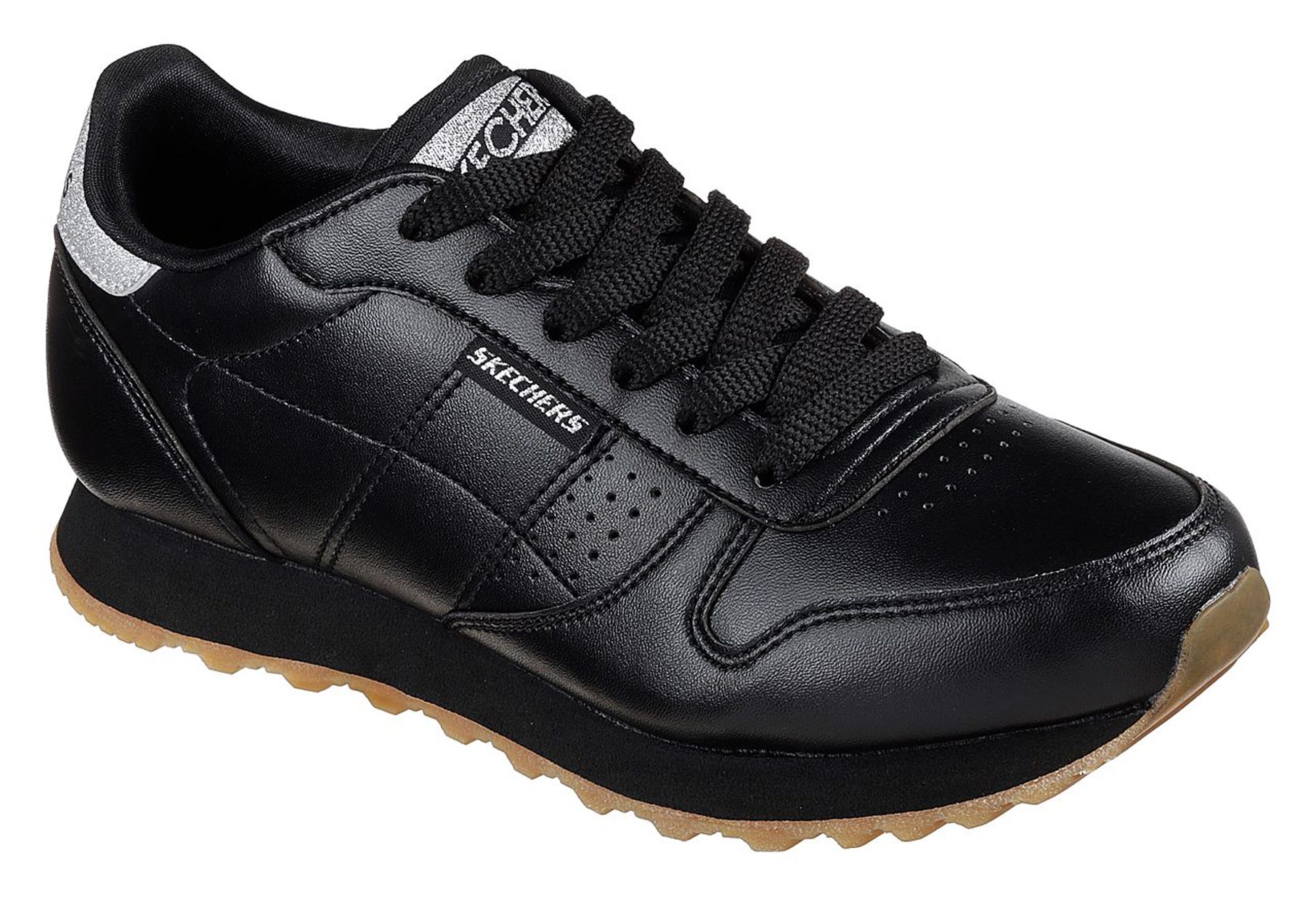
While Skechers has a long-standing reputation for prioritizing the comfort needs of seniors, the brand is not exclusively for "old people." In 2026, Skechers maintains a diverse portfolio ranging from podiatrist-certified walking shoes for older adults to high-performance athletic gear and trend-driven streetwear collaborations that appeal to Gen Z and Millennials.
The question of whether Skechers is a "senior brand" is one of the most persistent debates in the footwear industry. For decades, the brand has navigated a unique space, balancing the utilitarian needs of an aging population with the fast-paced demands of global fashion. To understand why this stereotype exists—and why it is increasingly inaccurate—one must look at the intersection of orthopedic technology, marketing shifts, and the evolution of the "athleisure" movement.
The Origins of the Senior Stereotype
The perception that Skechers is primarily for older demographics didn't emerge by accident. It was the result of the brand’s strategic focus on the "comfort" niche during the early 2000s and 2010s. While competitors like Nike and Adidas were battling for dominance in the high-stakes world of professional sports and "hype" culture, Skechers identified an underserved market: people who spend all day on their feet and those with specific foot health requirements.
Prioritizing Function Over Form
For years, the Skechers GoWalk series was the flagship product that defined the brand’s image. These shoes featured wide toe boxes, lightweight foam, and simple slip-on designs. For seniors, these features addressed common age-related issues such as bunions, arthritis, and reduced mobility. Because the design language focused on soft fabrics and muted colors rather than aggressive styling or complex lacing systems, the "grandpa shoe" label began to stick.
The Rise of Easy-Entry Footwear
Skechers lean toward senior demographics was further solidified by their innovations in "easy-on, easy-off" technology. For individuals with limited range of motion or chronic back pain—common issues in the 65+ demographic—the ability to put on a shoe without bending over or struggling with laces is a significant quality-of-life improvement. By perfecting these mechanisms, Skechers became the go-to recommendation for physical therapists and podiatrists.
Why Seniors Continue to Choose Skechers in 2026
It is important to acknowledge that the "old people" label isn't necessarily a negative for the brand’s bottom line. The senior market is loyal, growing, and has significant purchasing power. In 2026, Skechers remains the market leader for this demographic due to several key technical factors.
The Arch Fit System
Developed with over 20 years of data and certified by podiatrists, the Arch Fit system is perhaps the most significant reason for the brand's popularity among older adults. As we age, the tendons in our feet can stretch and the arches can collapse, leading to overpronation and pain. The Arch Fit technology provides a removable, supportive insole system that distributes pressure across the arch, providing stability that many fashion-forward brands lack.
Hands-Free Slip-ins Technology
A major breakthrough that reached peak maturity by 2026 is the Skechers Hands-Free Slip-ins line. Utilizing a molded heel pillow, these shoes allow the wearer to step directly into the shoe without using their hands or a shoehorn. This specific technology has become a cornerstone for the elderly, as it eliminates the fall risk associated with balancing on one foot while trying to pull on a shoe.
Width Availability and Specialized Sizing
Unlike many athletic brands that cater to a narrow, high-performance foot profile, Skechers offers extensive options in "Wide" and "Extra Wide" fits. This is crucial for seniors who may experience edema (swelling) or require extra room for orthopedic inserts.
The Counter-Movement: How Skechers Became "Cool" Again
While the senior market remains a pillar of their business, Skechers has successfully engineered a brand pivot that has captured the attention of younger consumers. This shift began with the "ugly shoe" or "dad shoe" trend of the late 2010s and has evolved into a genuine presence in streetwear culture.
The D'Lites and the Y2K Revival
The Skechers D'Lites, originally launched in the late 90s, saw a massive resurgence among Gen Z consumers. The chunky, maximalist aesthetic of the shoe aligned perfectly with the Y2K fashion revival. By leaning into its heritage silhouettes, Skechers proved that the very "clunkiness" once mocked by fashionistas could become a desirable aesthetic.
Celebrity and Lifestyle Collaborations
To distance itself from the "nursing home" image, Skechers has utilized high-profile partnerships that span across different cultural spheres. Collaborations with icons like Snoop Dogg and Martha Stewart, as well as limited-edition drops featuring popular anime series and luxury designers, have repositioned the brand as a lifestyle choice rather than just a medical necessity.
Performance Division Success
The Skechers Performance division, specifically the GoRun series, has earned respect in the serious running community. Utilizing Hyper Burst cushioning—a specialized foam created using a "super-critical" process—Skechers produced shoes that were lighter and more responsive than many flagship models from traditional running brands. When elite marathoners started winning races in Skechers, the "old person" stigma began to dissolve among athletes.
Technical Comparison of Popular Skechers Lines (2026)
To better understand which Skechers models cater to which needs, the following table breaks down the core technologies and target use cases as of 2026.
| Collection | Key Technology | Primary Benefit | Primary Audience |
|---|---|---|---|
| Arch Fit | Podiatrist-certified arch support | Reduces foot fatigue and corrects alignment | Seniors, people with flat feet |
| Hands-Free Slip-ins | Molded Heel Pillow | Ease of entry without bending over | Seniors, travelers, busy parents |
| Max Cushioning | Ultra Go foam / NRT (Natural Rocket Technology) | Maximum impact absorption for joints | Long-distance walkers, recovery |
| Hyper Burst | Super-critical CO2 expanded foam | High energy return and ultra-lightweight | Runners, fitness enthusiasts |
| D'Lites | Air-Cooled Memory Foam | Chunky, retro aesthetic | Gen Z, fashion-conscious youth |
| Work / Safety | Slip-resistant outsoles / Steel toe | Workplace safety and durability | Service industry, construction workers |
The Role of Podiatry and Foot Health
The association with "old people" often stems from a conflation of comfort with a lack of style. However, in the medical community, Skechers is frequently cited for its role in preventing common foot ailments. This medical-grade reputation is a double-edged sword: it attracts those in pain (often older adults) but can repel those who view footwear as a status symbol.
According to various podiatric studies updated in 2025 and 2026, the primary cause of foot-related surgery in adults over 50 is poorly fitting footwear. Skechers' commitment to the M-Strike technology—which promotes a midfoot strike rather than a heel strike—has been shown to reduce stress on the knees and hips. While these are "senior concerns," they are also increasingly relevant to younger "desk warriors" who suffer from sedentary lifestyle complications.
Addressing the "Style Gap"
The main critique of Skechers from younger demographics remains the "style gap." Even with modern updates, some Skechers models still feature busy patterns, excess stitching, and branding that feels dated compared to the minimalist designs of brands like Allbirds or the aggressive technical look of Hoka.
However, Skechers has countered this by diversifying their sub-brands. The Skechers Uno line, for example, mimics the classic "street sneaker" look with hidden air-cushioned midsoles and vibrant, monochromatic colors. By creating "lookalikes" of popular styles but injecting them with superior comfort technology, Skechers has effectively bridged the gap between the 20-year-old influencer and the 70-year-old retiree.
Common Mistakes When Buying Skechers
Regardless of age, many consumers struggle to find the right Skechers model because the product line is so vast.
- Ignoring the "Fit" Labels: Skechers offers Classic Fit, Relaxed Fit, and Wide Fit. A common mistake is buying a Relaxed Fit (which has a roomier toe box) when you have a narrow foot, leading to instability.
- Confusing Walking Shoes with Running Shoes: Using a GoWalk shoe for high-intensity running can lead to premature wear of the outsole, as walking shoes are designed for heel-to-toe rolling motions, not high-impact strikes.
- Over-reliance on Memory Foam: While Memory Foam feels great initially, it can "bottom out" over time for heavier individuals. In 2026, experts recommend the Goga Mat or Arch Fit insoles for better long-term structural support.
FAQs
Are Skechers good for people with plantar fasciitis?
Yes, specifically the Arch Fit and Max Cushioning lines. These models provide the necessary longitudinal arch support and heel cushioning required to reduce the strain on the plantar fascia ligament. Many users find that the specialized insoles help distribute weight away from the painful areas of the heel.
Do Skechers last as long as other sneaker brands?
The durability of Skechers varies by line. Their lifestyle and walking shoes are designed for comfort and may have softer outsoles that wear down faster if used on abrasive surfaces. However, their Goodyear Rubber collaboration outsoles, found on many 2026 models, offer significantly improved traction and longevity compared to their older EVA-only outsoles.
Why do some people think Skechers are "uncool"?
The "uncool" perception is largely a vestige of the brand's early marketing, which focused on mass-market appeal rather than exclusivity or "hype." In the fashion world, accessibility is often the opposite of "cool." Because Skechers are affordable and available in major department stores, they lack the scarcity that drives the premium sneaker market.
Are there Skechers models that don't look like "dad shoes"?
Yes. The Skechers Uno, S-Lights (for kids), and the Skechers Street collections are designed with contemporary silhouettes that mirror popular streetwear trends. The Mark Nason x Skechers collaboration also offers more sophisticated, high-fashion designs that use premium leathers and minimalist styling.
Is it true that Skechers are recommended by doctors?
Skechers is one of the few major brands to have a specific line (Arch Fit) that is officially certified by podiatrists. While many brands claim to be "comfortable," Skechers uses a data-driven approach based on thousands of foot scans to justify their ergonomic claims, making them a frequent recommendation for post-operative recovery and chronic foot pain management.
Practical Recommendation: Finding Your Fit
If you are concerned about the "old person" stigma but desperately need the comfort Skechers provides, the best strategy is to look at the Skechers Street or Modern Comfort collections. These lines utilize the same high-end foam and insole technology as the "senior" models but wrap them in silhouettes like Chelsea boots, court sneakers, and low-profile slip-ons.
For those who are actually seeking the benefits of senior-focused footwear—such as maximum stability and ease of entry—the Hands-Free Slip-ins Arch Fit models are the gold standard in 2026. They represent the pinnacle of the brand's efforts to combine medical-grade support with a user experience that respects the physical limitations of an aging body.
Ultimately, the choice of footwear should be dictated by the needs of your feet rather than the perceptions of others. In an era where "comfort is king," the line between "senior footwear" and "smart footwear" has never been thinner.