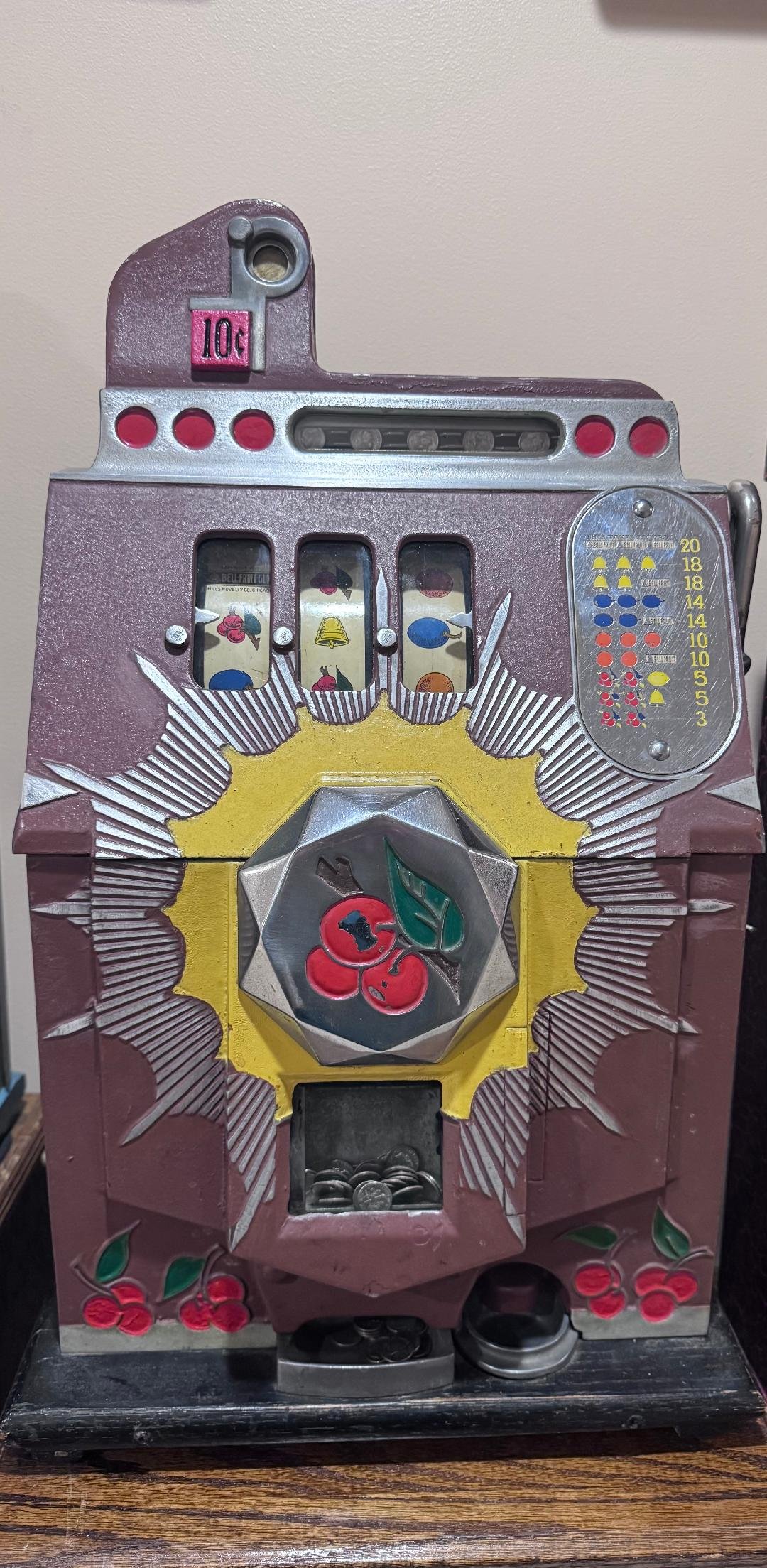
In Chicago, slot machines are only legal when operated within a licensed casino, specifically the Bally’s Chicago casino. While the Illinois Video Gaming Act of 2009 legalized video gaming terminals in bars and restaurants across much of the state, the City of Chicago continues to uphold a municipal ban on these machines in neighborhood establishments.
Navigating the legality of gambling in the third-largest city in the United States requires an understanding of the intersection between state law and local "home rule" authority. For residents and visitors in 2026, the sight of "Video Gaming" signs in suburban strip malls often leads to confusion regarding why similar machines are absent from Chicago’s many taverns and social clubs. The reality is a complex mix of legislative history, economic protectionism for the city’s flagship casino, and ongoing political debate.
The Illinois Video Gaming Act vs. Chicago Home Rule
To understand why slot machines are treated differently in Chicago than in neighboring suburbs like Cicero or Berwyn, one must look at the Illinois Video Gaming Act (VGA). Passed in 2009, this act allowed for the placement of up to six Video Gaming Terminals (VGTs) in licensed establishments that serve alcohol, as well as in fraternal organizations and certain truck stops.
However, the VGA included an "opt-out" provision. This provision allowed any municipality or county to prohibit video gaming within its jurisdiction through a local ordinance. Chicago, utilizing its Home Rule authority, chose to maintain its long-standing ban on these machines. As of 2026, the Chicago City Council has not repealed the ordinance that forbids video gaming in neighborhood establishments.
The Definition of "Slot Machine" in Chicago Law
Under the Chicago Municipal Code, the definition of an illegal gambling device is broad. It encompasses any clock, tape machine, slot machine, or other apparatus upon which money is staked or hazarded, or can be won or lost. While the state classifies the machines found in bars as "Video Gaming Terminals," for all practical and legal intents within the city limits, they are treated with the same prohibition as traditional casino slot machines.
Where Can You Legally Play Slot Machines in Chicago?
While neighborhood bars are off-limits, the legalization of a "mega-casino" in Chicago fundamentally changed the landscape. In 2026, the only location where you can legally play slot machines within the Chicago city limits is Bally’s Chicago.
Bally’s Chicago Casino Operations
Following the passage of the 2019 Illinois gaming expansion bill, Chicago was granted the right to host a single, large-scale casino. This ended the city's total "dry spell" for legal slots.
- The Permanent Casino: Located at the former Chicago Tribune Freedom Center site in River West, this facility houses thousands of slot machines ranging from penny slots to high-limit rooms.
- Regulatory Oversight: Every machine within this facility is strictly regulated by the Illinois Gaming Board (IGB). This ensures that the random number generators (RNGs) are fair and that the payout percentages meet state-mandated minimums.
Airports and Public Spaces
It is a common misconception that slot machines are available at O'Hare or Midway International Airports. While some international airports (like Las Vegas McCarran) feature gaming, Chicago’s airports currently do not. Proposals have surfaced periodically to install terminals in airport lounges to generate revenue, but as of 2026, these remain legislative concepts rather than reality.
The Difference Between Casino Slots and Video Gaming Terminals (VGTs)
Although they look and play similarly, there are distinct differences between the slot machines found in a casino and the VGTs found in suburban Illinois bars. Understanding these differences is crucial for players and business owners alike.
| Feature | Casino Slot Machines (Legal in Chicago) | Video Gaming Terminals (VGTs) (Banned in Chicago) |
|---|---|---|
| Location | Only within the licensed casino (Bally's) | Bars, restaurants, truck stops, fraternal clubs |
| Quantity | Thousands of units per location | Limit of 6 units per establishment |
| Max Bet | Can exceed $100+ in high-limit areas | Generally capped at $4.00 per spin |
| Max Payout | Progressive jackpots can reach millions | Capped at $1,199 per "win" (state law) |
| Regulation | Illinois Gaming Board (Casino Division) | Illinois Gaming Board (Video Gaming Division) |
| Tax Rate | Graduated tax based on casino revenue | Flat 34% tax on Net Terminal Income (NTI) |
Why the Neighborhood Ban Persists in 2026
The persistence of the ban on "bar slots" in Chicago is often a point of contention among small business owners who see their suburban counterparts generating significant auxiliary income. There are three primary reasons why the ban remains in place:
- Casino Cannibalization: The City of Chicago and the state have a vested interest in the success of the Bally’s casino. There is a prevailing fear that if every corner bar in Chicago had slot machines, it would reduce the foot traffic and revenue at the central casino, where the city collects a significant portion of the tax revenue for police and fire pension funds.
- Social and Aesthetic Concerns: Many members of the City Council argue that video gaming changes the "character" of neighborhood establishments. They express concerns about gambling addiction and the proliferation of neon "Video Gaming" signs, which they believe detracts from the urban aesthetic.
- Enforcement Costs: Regulating thousands of individual bars is significantly more resource-intensive than regulating a single, centralized casino location.
The Problem of "Gray" Machines and Illegal Gambling
Because of the high demand for gaming, many Chicago businesses have historically attempted to circumvent the law by installing "gray machines." These are devices that resemble slot machines but are marketed as "sweepstakes" or "skill-based" games.
Sweepstakes vs. Gambling
In a "gray market" sweepstakes machine, the vendor argues that because a player could theoretically enter for free or because there is an element of "skill" involved (like a memory task), it does not constitute gambling. However, the Chicago Police Department and the Illinois Gaming Board have been aggressive in 2026 in seizing these machines.
Under the Illinois Criminal Code (720 ILCS 5/28-1), any machine that requires a consideration (payment) for a chance to win a prize based on an element of luck is considered a gambling device. If you encounter a machine in a Chicago deli, laundromat, or bar that is not inside the Bally’s Casino, it is likely an unregulated and illegal device.
Risks of Playing Illegal Machines
- No Payout Guarantee: Unlike regulated slots, illegal machines are not tested for fairness. The software can be rigged to never pay out.
- Legal Jeopardy: While law enforcement typically targets the business owner, players can technically be cited for gambling under municipal codes.
- Zero Recourse: If an illegal machine "malfunctions" on a jackpot, the player has no legal standing to claim the winnings through the Illinois Gaming Board.
Licensing and Compliance for Business Owners
For Chicago business owners interested in the potential for future legalization, the requirements are currently prohibitive. To host legal gaming in Illinois, an establishment must:
- Hold a valid liquor license for on-premise consumption.
- Be located in a municipality that allows video gaming (which Chicago currently does not).
- Pass an extensive background check by the IGB.
- Partner with a licensed Terminal Operator.
In 2026, many Chicago bar owners continue to lobby for a "Limited Video Gaming" ordinance that would allow a smaller number of machines (perhaps 2 or 3) per bar to help offset rising property taxes. However, until the Municipal Code is specifically amended, any person found operating a slot machine in a Chicago bar faces heavy fines, the revocation of their liquor license, and potential criminal charges.
Future Outlook: Will Chicago Ever Allow Neighborhood Slots?
The debate over slot machines in Chicago is far from over. As the city looks for new revenue streams to manage budget deficits, the prospect of lifting the VGT ban is occasionally revisited. Proponents argue that the city is losing millions in tax revenue to the suburbs, as Chicagoans simply drive across the city limits to play.
Opponents, however, remain steadfast that the Bally’s Casino deal was predicated on a certain level of exclusivity. Any move to legalize neighborhood slots would likely result in legal challenges from the casino operators or a demand for a renegotiation of their tax rates with the city.
Frequently Asked Questions
Are skill-based gaming machines legal in Chicago bars?
No. While manufacturers often claim these machines are legal because they require a "skill" element (such as tapping a button at a specific time), the City of Chicago and the Illinois Gaming Board generally view these as illegal gambling devices if they involve a cash wager and a cash prize.
Can I own a slot machine for private use in my Chicago home?
In Illinois, it is generally legal to own a slot machine for "antique" or "display" purposes, provided it is not used for gambling. Usually, the machine must be over 25 years old to qualify as an antique. Using any slot machine—new or old—to run a "house game" where you take money from guests is a felony.
Why do suburbs right next to Chicago have slots?
Municipalities like Rosemont, Cicero, and Evanston have their own local governments. Under the Illinois Video Gaming Act, each town decides for itself. Many suburbs chose to allow slots to generate local tax revenue, which is split between the state (29%) and the municipality (5%).
Is online slot machine gambling legal in Chicago?
As of 2026, Illinois has legalized online sports betting, but online casino gambling (iGaming)—which includes online slots—remains unregulated and technically illegal within the state. Residents should be wary of "offshore" sites that are not licensed by the Illinois Gaming Board.
What are the penalties for running illegal slot machines?
Business owners in Chicago caught with illegal gambling devices face fines of up to $5,000 per machine, immediate closure of the business, and the permanent revocation of their City of Chicago liquor and business licenses.
Final Recommendation
If you are looking to play slot machines in Chicago, stick to the Bally’s Chicago locations. These are the only venues where the games are tested for fairness, your payouts are legally protected, and the revenue supports city infrastructure. Avoid any "sweepstakes" or "skill" machines found in neighborhood businesses, as these operate in a legal gray area (or are outright illegal) and offer no player protections. For those outside the city limits, look for the official "Illinois Gaming Board" gold seal on machines in suburban establishments to ensure you are playing on a licensed, legal terminal.