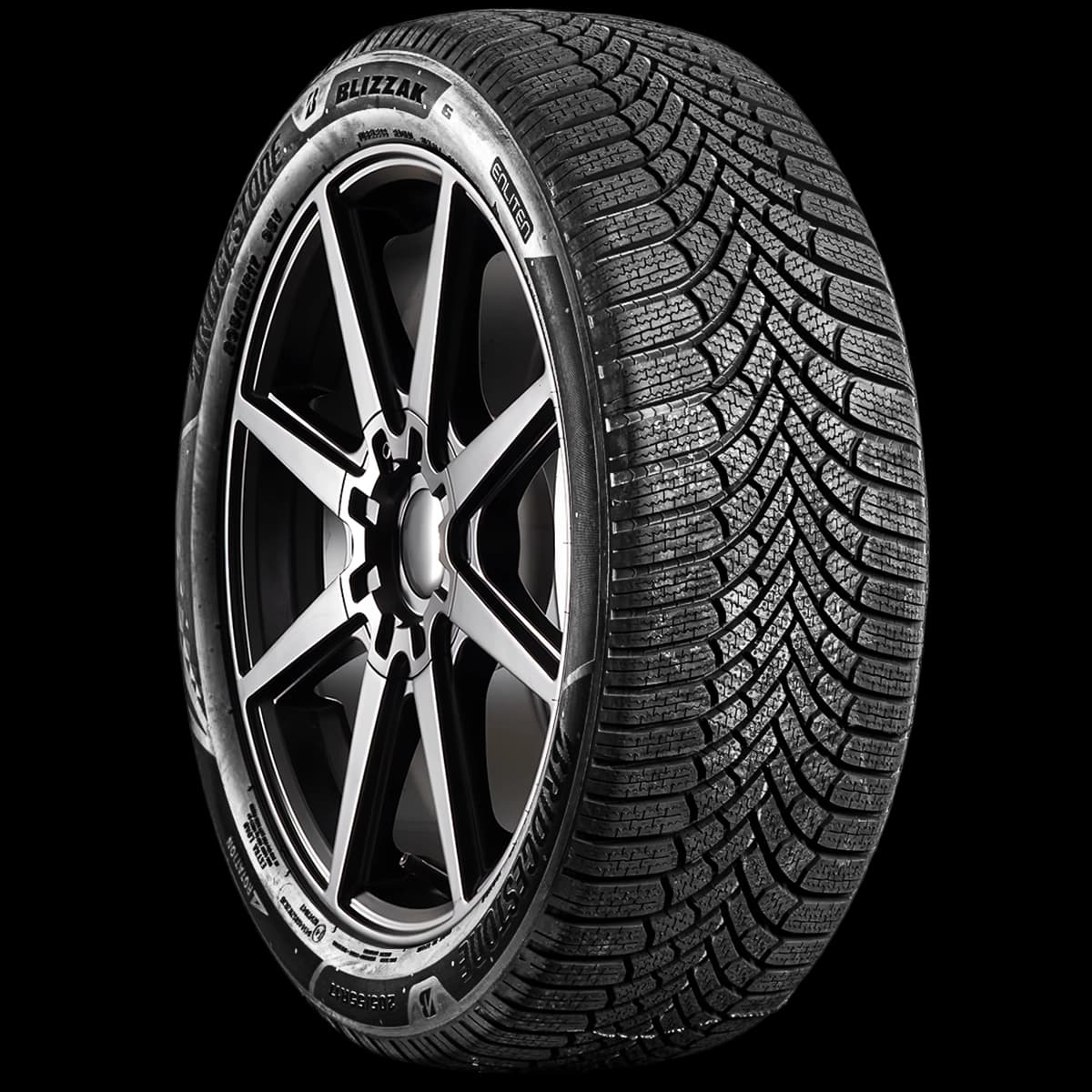
Bridgestone Blizzak tires are purpose-built winter tires engineered to enhance vehicle traction, braking, and handling on snow, ice, and extremely cold road surfaces. Utilizing proprietary multicell rubber compounds and specialized tread patterns, the Blizzak line is designed to remain pliable in sub-freezing temperatures, providing a safety-critical alternative to all-season tires for drivers operating in harsh winter climates.
Understanding the Blizzak Technology Platform
The reputation of the Bridgestone Blizzak series, which has been a staple in the winter tire segment for decades, is largely built on the engineering of its tread compound. Unlike conventional tires that harden significantly as temperatures drop, Blizzak tires incorporate a hydrophilic (water-loving) multicell compound. This material features microscopic pores that act like tiny sponges. As the tire makes contact with the road, these pores channel away the thin film of water that forms on top of ice, allowing the rubber to maintain direct contact with the slick surface.
Beyond the chemical composition, the structural design of the tread blocks is vital. Blizzak models employ high-density siping—the small slits cut into the tread blocks. These sipes provide thousands of biting edges that increase the tire's ability to interlock with packed snow. When the vehicle accelerates or brakes, these sipes flex and grip the surface, reducing the likelihood of wheel spin or sliding.
Primary Models in the 2026 Bridgestone Portfolio
Bridgestone manages the Blizzak line by segmenting tires based on vehicle type and driving conditions. As of 2026, the lineup primarily consists of the following variants:
- Blizzak WS90: Designed primarily for sedans, minivans, and small crossovers, the WS90 is the flagship "studless" winter tire. It focuses on longevity and ice traction, featuring a tread pattern optimized for cornering stability and improved braking distances on packed snow compared to its predecessor, the WS80.
- Blizzak DM-V2: Engineered specifically for SUVs, CUVs, and light trucks. The DM-V2 features a more robust internal construction to handle the higher center of gravity and increased weight of these vehicles. It utilizes a similar multicell compound as the WS90 but with a tread block arrangement tuned for deeper snow evacuation.
- Blizzak LM-Series (e.g., LM005, LM-32): These are performance-oriented winter tires. They are designed for drivers who require winter safety but also value dry-road handling and high-speed stability. The siping patterns in the LM series are typically less aggressive than the WS90 to provide stiffer blocks, resulting in better steering response on clear, cold pavement.
Performance Evaluation: What to Expect
When transitioning from all-season tires to Blizzak winter tires, the most immediate difference drivers notice is in braking performance. On ice or hard-packed snow, the stopping distance of a vehicle equipped with Blizzaks is frequently shorter than one equipped with "all-weather" tires. This is because all-season rubber becomes rigid—often described as "glassy"—at temperatures below 45°F (7°C), whereas Blizzaks remain compliant.
On-Road Experience
On dry, cold pavement, drivers may notice a slight increase in road noise, often described as a low hum. This is a characteristic trade-off for the aggressive tread pattern. Furthermore, because winter tires have softer sidewalls and deeper tread depth, the handling may feel less "crisp" than a high-performance summer tire. This is normal and should be accounted for in steering inputs.
Tread Life and Wear Considerations
A common misconception is that winter tires wear out instantly on clear roads. While it is true that soft winter compounds wear faster in warm temperatures, Bridgestone’s modern iterations have significantly improved tread life. To maximize the lifespan of your Blizzak set, it is crucial to mount them only when the average daily temperature drops below 45°F and remove them once spring brings consistent warmth. Operating these tires in hot weather accelerates the degradation of the multicell compound.
Comparative Analysis Table
The following table compares the typical use-case profiles for the most common Blizzak segments.
| Model | Vehicle Category | Primary Strength | Handling Feel |
|---|---|---|---|
| WS90 | Sedan / Minivan | Ice/Snow Braking | Soft / Comfortable |
| DM-V2 | SUV / Truck | Snow Traction / Durability | Stable / Firm |
| LM-Series | Performance / Sport | Dry Road Handling | Responsive / Precise |
Practical Guidance for Owners
Purchasing Blizzak tires is an investment in safety, but it requires commitment to proper maintenance and usage protocols.
1. The Four-Tire Requirement
Always install winter tires on all four wheels. Installing them only on the drive axle creates a dangerous imbalance in handling. If you have a front-wheel-drive car and put Blizzaks only on the front, your rear tires will lose traction in corners, potentially leading to a spin. If you have rear-wheel-drive, the opposite occurs, making steering difficult.
2. Air Pressure Management
Tire pressure decreases as the ambient temperature drops. For every 10°F drop in temperature, tire pressure typically drops by about 1 PSI. Check your tire pressure frequently during the winter months, using the vehicle manufacturer's recommendation found on the driver-side door jamb, not the maximum PSI rating listed on the tire sidewall.
3. Storage
When the winter season ends, ensure your tires are cleaned of road salt and debris. Store them in a cool, dry, and dark location. If possible, store them off the floor or stacked horizontally. Avoid storing them near electric motors or ozone-producing equipment, as ozone can cause the rubber to crack prematurely.
Frequently Asked Questions
Can I use Bridgestone Blizzak tires year-round? No, it is not recommended. The soft, specialized compound that makes these tires effective in the cold will wear down rapidly in warm weather. Additionally, their performance and handling characteristics in the heat are inferior to all-season or summer tires.
Do I need studs with my Blizzak tires? The Blizzak line is designed as a "studless" winter tire. The technology in the multicell compound is designed to eliminate the need for metal studs. In most regions, they perform exceptionally well without studs, and many jurisdictions have laws restricting the use of metal studs due to road surface damage.
How many winters can I expect these tires to last? This depends heavily on your annual mileage and driving style. Generally, Blizzak tires retain their primary winter-traction capabilities as long as the tread depth remains above the "winter wear bar" indicator, which is usually deeper than the legal minimum depth for all-season tires. Most users report 3 to 5 seasons of use.
Are Blizzak tires better than all-season tires? In terms of pure safety on ice and deep snow, yes. Blizzak tires are purpose-built for extreme conditions. All-season tires are "jacks of all trades" that prioritize longevity and dry-road performance over cold-weather grip.
Should I change my driving style when using winter tires? Yes. Even with the best winter tires, the laws of physics still apply. Increase your following distance, brake earlier than you would on dry pavement, and avoid aggressive steering maneuvers. Winter tires provide a safety margin, not a license to drive as if the road were dry.
Final Recommendation
Bridgestone Blizzak tires are a gold-standard choice for drivers in areas that experience regular snow and sub-freezing temperatures. If you live in a region where winter driving involves navigating packed snow, ice, or extreme cold, the WS90 (for passenger cars) or the DM-V2 (for SUVs) provide a measurable increase in control. Ensure your tires are mounted early in the season, maintained at correct pressure, and removed once temperatures rise to ensure you receive the full value and performance life of the set.