Yes, the United States Mint continues to manufacture one-cent coins, commonly known as pennies. Despite recurring legislative debates, significant production costs, and ongoing public discussions regarding their utility in a digital-first economy, the penny remains legal tender and a standard component of the nation’s circulating currency supply as of 2026.
The Role of the United States Mint
The United States Mint, a bureau of the Department of the Treasury, is the sole entity authorized to produce circulating coinage for the United States. Its mandate is dictated by federal law, which requires the Mint to produce enough coins to meet the transactional needs of the American public and the commercial banking system.
While the Mint has explored various methods to increase the efficiency of coin production, it does not have the unilateral authority to discontinue any denomination. Such a change would require an act of Congress. Therefore, as long as the demand from the Federal Reserve exists—driven by the need for exact change in cash transactions—the Mint is legally obligated to continue the striking of one-cent pieces.
Economic Realities and Seigniorage
One of the most persistent arguments against the continued production of the penny is the issue of "seigniorage." In the context of coinage, seigniorage refers to the difference between the face value of a coin and the cost to produce and distribute it.
For the penny, the cost of production consistently exceeds its face value. This is due to the rising costs of the raw materials used in the coin—primarily zinc and copper—as well as the manufacturing, labor, and transportation expenses incurred by the Mint. When the cost of producing a coin is higher than its value, the government effectively loses money on every unit minted.
However, the Treasury Department maintains that the penny is necessary to prevent rounding issues in cash transactions. Proponents of the penny argue that if the one-cent coin were eliminated, businesses would be forced to round transactions to the nearest five cents. They contend that this could lead to inflationary pressures and negatively impact lower-income individuals who rely heavily on cash for day-to-day purchases.
Composition and Technical Specifications
The current composition of the penny has evolved over time to mitigate production costs. Since 1982, the U.S. penny has consisted of 97.5% zinc and 2.5% copper. This copper-plated zinc composition is significantly cheaper to produce than the solid copper or bronze compositions used in earlier decades.
The physical specifications are managed with extreme precision:
- Diameter: 19.05 millimeters.
- Weight: 2.5 grams.
- Thickness: 1.52 millimeters.
- Edge: Plain.
Because the manufacturing process involves high-speed presses that strike thousands of planchets (the blank metal discs) per hour, any change in metal composition requires rigorous testing to ensure that the new materials work with existing coin-operated machinery and vending equipment. Even in a 2026 economy where digital and contactless payments are dominant, a vast network of toll booths, laundry facilities, and older vending machines still rely on these specific dimensions.
The Impact of Digital Currency on Physical Cash
The rise of mobile wallets, near-field communication (NFC) payments, and digital banking platforms has fundamentally changed how consumers interact with money. In many retail environments, cash transactions are becoming less frequent, which naturally reduces the velocity and necessity of circulating coins.
Despite this shift, physical currency is still required for individuals who are "unbanked" or those who prefer to manage their budget using physical cash. Furthermore, the Federal Reserve manages the distribution of coins based on orders placed by commercial banks. If banks report a surplus of pennies in their vaults, the Federal Reserve reduces its orders to the Mint. Conversely, if there is a shortage, production is adjusted. The persistence of the penny is thus a reflection of the continued, albeit slowly declining, demand for physical currency in the American economy.
Comparative Coinage Overview
To understand why the penny remains a unique subject of debate, it is helpful to look at it in the context of other circulating U.S. coins.
| Denomination | Composition (Current) | Production Status | Primary Utility |
|---|---|---|---|
| Penny (1¢) | 97.5% Zinc, 2.5% Copper | Active | Small cash transactions |
| Nickel (5¢) | 75% Copper, 25% Nickel | Active | Exact change |
| Dime (10¢) | 91.67% Copper, 8.33% Nickel | Active | Exact change |
| Quarter (25¢) | 91.67% Copper, 8.33% Nickel | Active | Commerce/Vending |
While the nickel, dime, and quarter are currently produced at a profit (their face value exceeds their production cost), the penny stands out as the only circulating coin that consistently operates at a loss.
Frequently Asked Questions
Why hasn't the government abolished the penny yet? Abolishing the penny would require legislative action from Congress. Many lawmakers remain concerned about the potential for rounding errors to affect prices and the impact that the removal of the lowest denomination would have on consumer confidence in cash.
Can I still use pennies at any store? Yes, pennies remain legal tender for all debts, public and private, in the United States. While individual store policies may encourage exact change or electronic payments, retailers are generally permitted to accept pennies as a valid form of payment.
Are older pennies worth more than their face value? Pennies minted before 1982 are composed of 95% copper. Because the market value of copper fluctuates, these older coins are often worth more than one cent as bullion. However, it is important to note that melting down U.S. currency is prohibited by federal law.
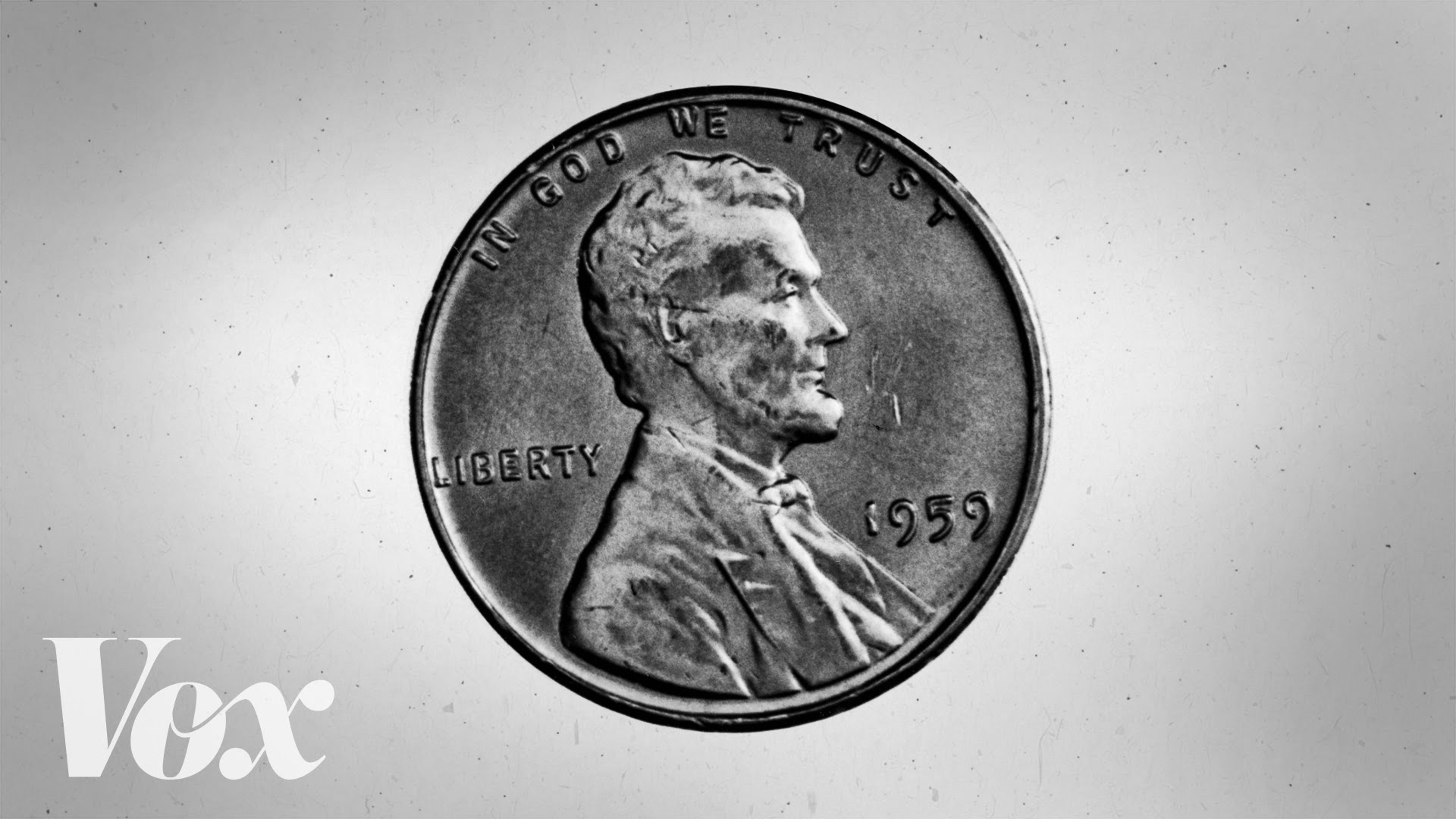
Will the design of the penny change in the future? The Mint periodically releases commemorative designs for the back of the penny, such as the Bicentennial series or the Lincoln Bicentennial series. While the portrait of Abraham Lincoln on the obverse (front) is a permanent fixture by law, the reverse design is occasionally updated to reflect historical milestones.
Is there a coin shortage in 2026? While the U.S. experienced significant coin circulation disruptions during the early 2020s, current supply chains have largely stabilized. If a local shortage occurs, it is typically a logistical issue involving the circulation of coins back into the banking system rather than a lack of production by the Mint.
Next Steps for Consumers
If you find yourself with an accumulation of pennies that you wish to remove from your household, you do not need to keep them indefinitely. Most banks will accept rolled coins for deposit into your personal account. Alternatively, many grocery stores and retail centers offer automated coin-counting kiosks that allow you to convert your loose change into digital credit or cash vouchers, often for a service fee.
As of 2026, the penny remains a functional, albeit debated, element of the American monetary system. While the conversation regarding its long-term viability continues in the halls of government, for the daily consumer, the penny remains a standard, producible, and legal unit of value.