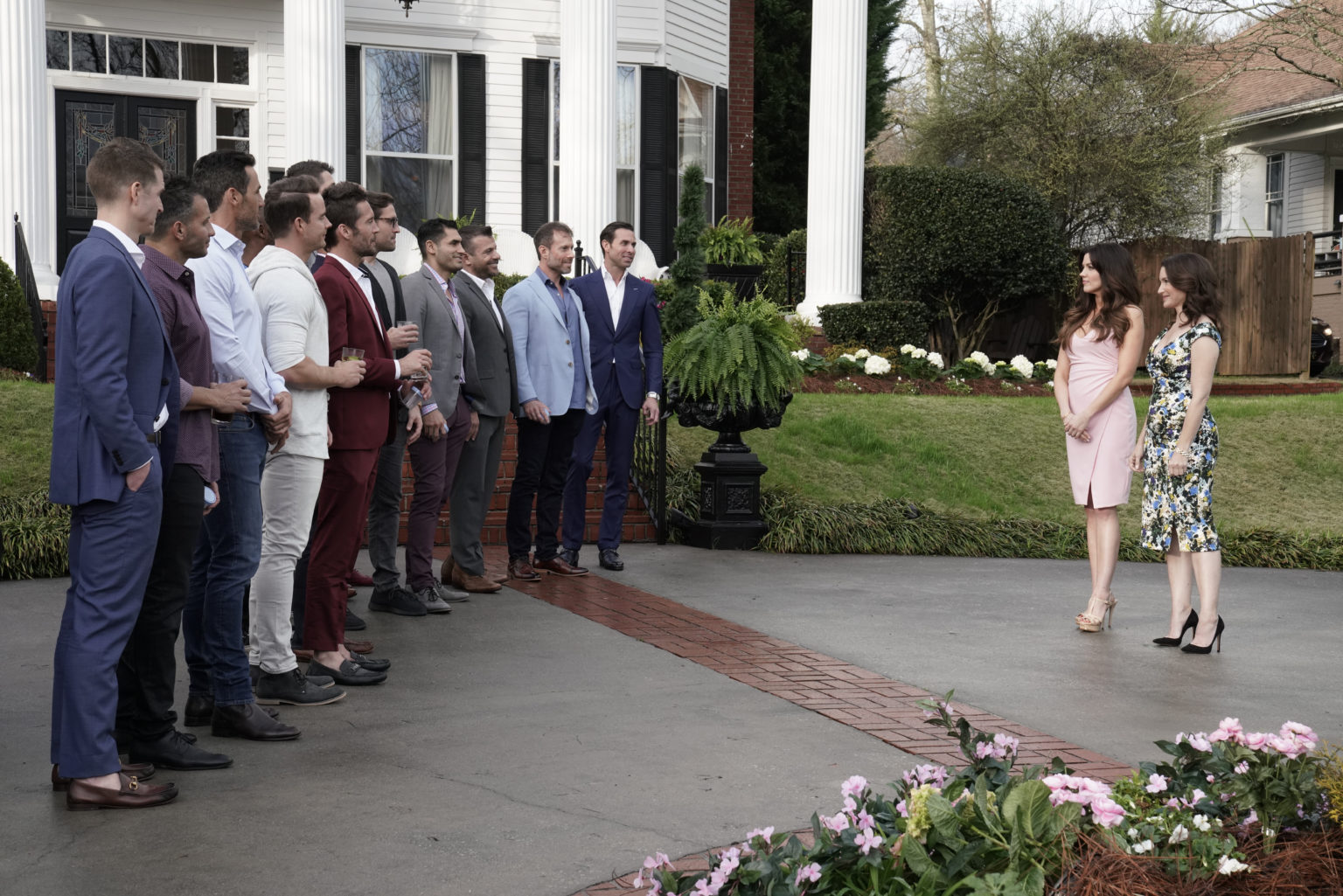
Labor of Love is a reality dating competition series that premiered on Fox in 2020, focusing on the unconventional search for a partner specifically to start a family. Unlike traditional dating shows centered on romance, this series prioritizes parental compatibility, following a woman as she vets fifteen men through fatherhood-centric challenges.
The landscape of reality television is often defined by the search for a spouse, but Labor of Love pivoted the focus toward the "biological clock." Hosted by Kristin Davis, best known for her role as Charlotte York on Sex and the City, the show presented a more pragmatic—and some would say transactional—approach to the modern dating scene. By 2026, the show is remembered as a unique, single-season experiment that sparked significant conversation about the intersection of fertility, age, and television entertainment.
The Core Premise: Moving Beyond the "Final Rose"
At the heart of Labor of Love was Kristy Katzmann, a 41-year-old successful marketing professional who had reached a point in her life where she was ready for motherhood but had yet to find the right partner. The show’s primary hook was its transparency: Katzmann wasn't just looking for a boyfriend or a fiancé; she was looking for a father for her future children.
This fundamental shift changed the stakes of every interaction. In a typical dating show like The Bachelor, the "goal" is a romantic proposal. In Labor of Love, the goal was a commitment to co-parenting and immediate family planning. This shifted the dynamic from romantic chemistry to "paternal potential." The contestants were not just assessed on their charm or looks, but on their ability to handle the physical, emotional, and financial stresses of raising a child.
Why "Labor of Love" Stood Out
While many reality shows lean into high-octane drama and "villain" edits, Labor of Love attempted to maintain a level of maturity, though it still leaned into the absurdity of reality TV tropes. The show acknowledged the reality of many women in their late 30s and early 40s who feel pressured by societal expectations and biological realities. By placing this struggle at the forefront, it resonated with a demographic often ignored by youth-centric dating programs.
The Cast: Finding the Potential Father
The show featured a diverse group of fifteen men from various professional backgrounds, all of whom were supposedly ready to settle down and become fathers. Because the show was framed as a vetting process for a co-parent, the men were often subjected to "Dad-themed" tests that ranged from the humorous to the medically invasive.
Key Figures in Season 1
- Kristy Katzmann (The Lead): A former contestant on The Bachelor (Season 11), Katzmann brought a level of experience with the reality TV format. Her approach was direct, focusing on her desire to bypass the traditional "dating years" to get straight to the family-building phase.
- Kristin Davis (The Host): As a mother herself and a cultural icon for the "modern woman" archetype, Davis acted more as a confidante and mentor than a traditional host.
- The Contestants: The pool included men ranging from former professional athletes and medical sales reps to tech entrepreneurs. Each was forced to confront the reality of fatherhood in front of national cameras.
Challenges and "Dad Tests": Testing Paternal Instincts
One of the defining features of Labor of Love was its unique challenge format. Rather than going on extreme sports dates or attending lavish parties, the men were put through "simulation" experiences meant to mimic the trials of parenthood.
The Sperm Count Episode
In what became the most talked-about moment of the series, the premiere episode required the contestants to provide a sample for a sperm count analysis. While medically relevant to the show’s goal, the sequence was criticized by some as being overly clinical and others as being a peak "reality TV" stunt. It established immediately that this was not a show about "soulmates" in the traditional sense, but about biological compatibility.
The Labor Simulator
In another notable episode, the remaining men were hooked up to a machine designed to simulate the pain of childbirth. This challenge was intended to test their empathy and resilience. While common on social media "challenge" videos, seeing it integrated into a dating show’s elimination process highlighted the show’s focus on the female experience of reproduction.
Practical Parenting Tasks
Later challenges included managing groups of children, handling "emergency" scenarios, and even a "Dad Bod" challenge that focused on health and longevity rather than just aesthetic fitness. These segments were designed to see who would step up during the mundane or difficult moments of childcare, rather than who could provide the most romantic gesture.
Season 1 Recap: The Journey and the Final Choice
Throughout the eight-episode run, Kristy Katzmann narrowed down the field of suitors based on their performances in these challenges and their personal interactions during "home dates." The show avoided the typical "mansion" setting for most of the season, opting instead for a more domestic environment that felt more aligned with its family-oriented goals.
The Finalists
The competition eventually narrowed down to two frontrunners: Kyle Kappel, a sales executive from Austin, Texas, and Stewart Helm, a wealth management CEO.
- Stewart Helm: Represented the stable, "provider" archetype. He was often seen as the more traditional choice, possessing the financial and emotional maturity Kristy was seeking.
- Kyle Kappel: Brought a more energetic and youthful vibe to the competition. While he was younger than some of the other contestants, his enthusiasm for fatherhood and his chemistry with Kristy made him a strong contender.
The Conclusion
In the season finale, Kristy chose Kyle Kappel. However, in a departure from the "happily ever after" endings of many dating shows, the two did not get married immediately. Instead, they agreed to see if their connection could withstand the reality of the "real world" and the pressures of starting a family.
Post-Show Outcome: What Happened to Kristy and Kyle?
As is often the case with reality TV romances, the transition from the screen to real life was difficult. Shortly after the finale aired in 2020, it was revealed that Kristy and Kyle had ended their relationship.
Katzmann later shared in various interviews that while they had a genuine connection, their visions for the immediate future did not align as perfectly as the show’s edited narrative suggested. Following the breakup, Kristy continued her journey toward motherhood independently. She eventually became a mother via IVF and a sperm donor, fulfilling her dream of parenthood on her own terms. This outcome, while not the "romantic" ending the show’s producers might have hoped for, served as a powerful post-script to the show’s premise: that for many women, the desire for a child is independent of the need for a traditional romantic partner.
Technical Overview and Production Details
Labor of Love was produced by Propagate Content and Full Picture Entertainment. The show was executive produced by Howard T. Owens, Ben Silverman, and Anne-Marie Shanklin. Despite the buzz surrounding its unique premise, the show faced a mixed reception regarding its pacing and tone.
| Feature | Details |
|---|---|
| Network | Fox |
| Premiere Date | May 21, 2020 |
| Number of Episodes | 8 |
| Host | Kristin Davis |
| Lead Participant | Kristy Katzmann |
| Main Filming Location | Atlanta, Georgia |
| Primary Theme | Co-parenting and Fertility |
| Current Status (2026) | Concluded (Single Season) |
Where to Watch "Labor of Love" in 2026
For those looking to revisit the series or watch it for the first time in 2026, the availability has shifted to digital archives and specific streaming libraries.
- Fox.com / Fox Now App: The show is occasionally available via the network's own digital platforms, though this often requires a cable provider login.
- Hulu: As a Fox property, Labor of Love has historically been hosted on Hulu. It remains the most likely place for subscribers to find the full eight-episode run.
- VOD (Video on Demand): The series is available for purchase on platforms like Amazon Prime Video, Apple TV, and Vudu. Because it is a niche show with only one season, it is rarely "delisted," making it easily accessible for a small fee.
- International Licensing: In regions outside the US, the show appeared on various lifestyle networks (such as Bravo in certain territories), but streaming remains the most reliable access point.
The Cultural Impact and Legacy of the Show
Though Labor of Love only lasted one season, its impact on the "dating show" genre shouldn't be dismissed. It was a precursor to a wave of "socially-conscious" or "life-stage" reality shows that moved away from the 20-something influencer demographic.
Addressing the "Biological Clock"
The show was one of the first major network productions to center a woman’s fertility as the primary plot point. While some critics called it "dystopian" or "clinical," others praised it for validating the experiences of women who prioritize their desire for children over traditional dating timelines.
The Rise of Independent Motherhood
The fact that Kristy Katzmann ended up having a child on her own after the show ended is perhaps the most significant part of the Labor of Love legacy. It highlighted a growing societal trend where women are choosing to become "Choice Moms" (Single Mothers by Choice) rather than settling for the wrong partner simply to have a child.
FAQ: Frequently Asked Questions
Did Kristy Katzmann ever have a baby?
Yes. Although she did not have a child with the winner of the show, Kyle Kappel, Kristy Katzmann successfully became a mother after the show concluded. She welcomed a daughter in late 2020/early 2021 via IVF. She has been open about her journey to motherhood as a single woman, often sharing updates on social media.
Will there be a Season 2 of "Labor of Love"?
As of 2026, there are no plans for a second season. Fox did not officially renew the show after its 2020 run. While the concept remains interesting to producers, the logistical challenges and the specific casting requirements (finding a lead who is authentically at that life stage and fifteen men ready for immediate fatherhood) make it a difficult format to replicate consistently.
Was the show scripted?
Like most reality television, Labor of Love was "structured." While the conversations and feelings expressed by Kristy and the men were real, the situations (the challenges, the elimination ceremonies, and the travel) were orchestrated by producers to create a narrative arc. The medical tests, such as the sperm counts, were conducted by actual professionals.
Why did Kristin Davis agree to host?
Kristin Davis has stated in interviews that she was drawn to the show because it felt like a modern evolution of the conversations her character, Charlotte York, had on Sex and the City. She appreciated that the show addressed the pressures women face regarding fertility and the different ways modern families can be formed.
Is "Labor of Love" available on Netflix?
No, Labor of Love is not currently on Netflix. It is primarily a Fox/Disney-controlled property, meaning it is more likely to be found on Hulu or Disney+ (in certain international markets) rather than Netflix.
Practical Recommendation for Viewers
If you are a fan of reality TV and are tired of the repetitive nature of shows like The Bachelor, Labor of Love is a fascinating watch for its psychological depth and its willingness to be "uncomfortably real."
Recommended Action: Start by watching the first two episodes. If the clinical nature of the "Sperm Count" and the "Labor Simulator" challenges is too off-putting, the show may not be for you. However, if you are interested in the interpersonal dynamics of people making high-stakes life decisions, it is a compelling eight-hour investment. For those specifically interested in the journey of independent motherhood, following Kristy Katzmann’s post-show interviews provides a more complete and satisfying conclusion to the story than the finale itself.