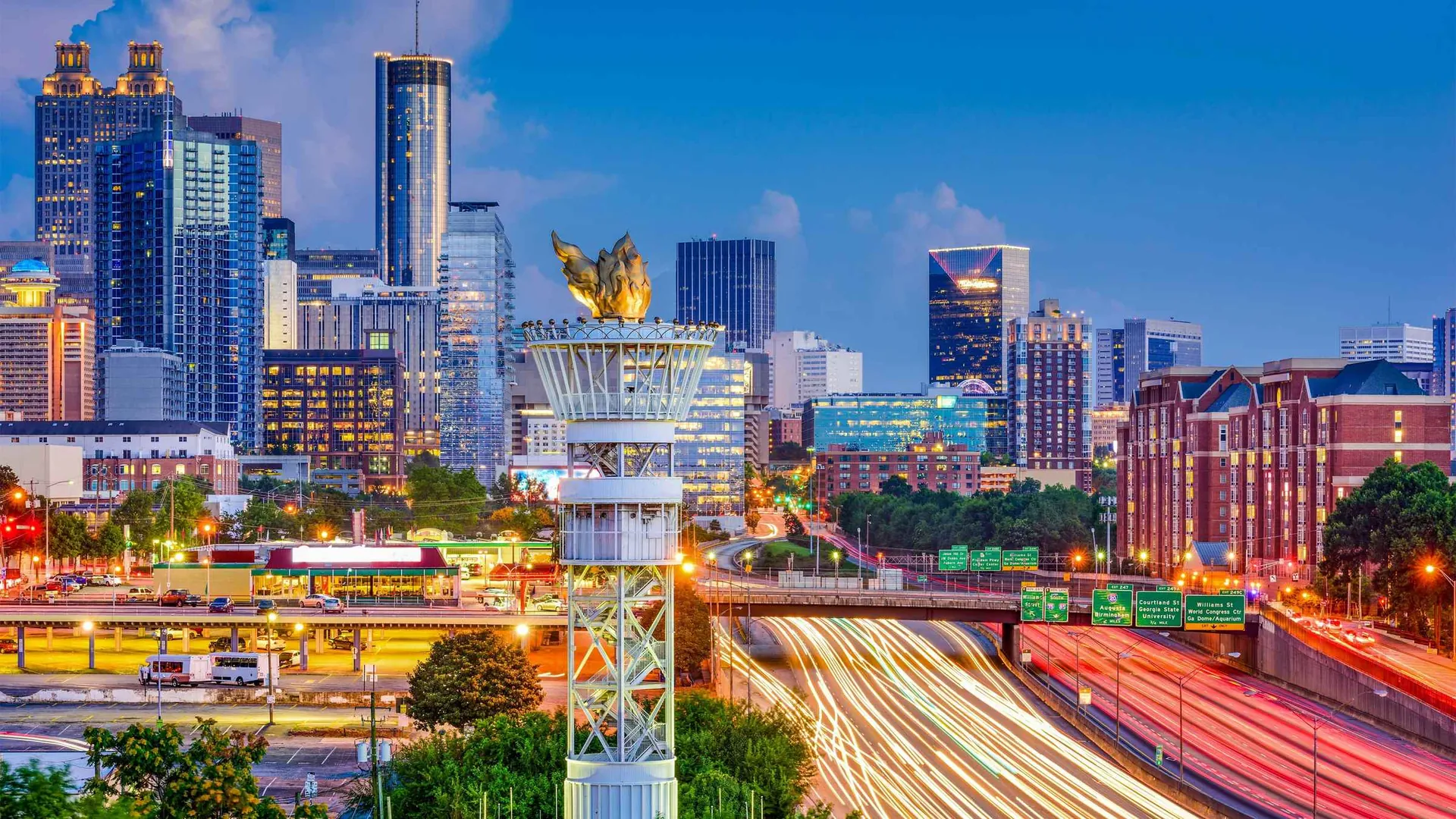
The Atlanta region serves as the primary economic, cultural, and political hub of the Southeastern United States. Centered around Georgia's capital city, this sprawling metropolitan area encompasses a diverse landscape of tech-driven urban centers, historic neighborhoods, and rapidly growing suburbs that collectively drive the state’s GDP and regional influence.
As of 2026, the Atlanta region has solidified its status as a global "Alpha" city, balancing its historical roots as a railroad terminus with its modern identity as a leader in logistics, digital entertainment, and financial technology. This guide provides an in-depth analysis of the region’s geography, economic infrastructure, cultural significance, and the logistical realities of navigating one of America’s most influential metropolitan corridors.
The Geography and Jurisdictional Scope of the Atlanta Region
To understand the Atlanta region, one must distinguish between the City of Atlanta and the broader metropolitan area. While the city itself is the seat of Georgia’s government, the "region" is typically defined by the Atlanta Regional Commission (ARC), which currently oversees planning and coordination for 11 core counties: Cherokee, Clayton, Cobb, DeKalb, Douglas, Fayette, Forsyth, Fulton, Gwinnett, Henry, and Rockdale.
The "City in a Forest"
Atlanta is famously known as the "City in a Forest." Unlike many major metropolitan areas that are defined by coastal boundaries or mountain ranges, Atlanta’s geography is shaped by its high elevation (the highest of any major city east of the Mississippi River) and its dense tree canopy. This canopy covers nearly 47% of the region, providing a unique aesthetic and environmental profile that mitigates the "urban heat island" effect, though development pressures in 2026 continue to challenge conservation efforts.
The Piedmont Plateau
Geologically, the region sits on the Piedmont plateau, characterized by rolling hills and red clay soil. This terrain has historically dictated the path of the region’s massive highway system and its rail lines. The Chattahoochee River serves as the primary water source for the region, a critical resource that has been the subject of long-standing interstate legal discussions regarding water rights between Georgia, Alabama, and Florida.
The Economic Powerhouse: Industry and Innovation in 2026
The Atlanta region’s economy is remarkably diversified, ensuring resilience against sector-specific downturns. It is home to one of the highest concentrations of Fortune 500 headquarters in the nation, including global giants such as The Coca-Cola Company, Delta Air Lines, Home Depot, UPS, and Southern Company.
Transaction Alley and Fintech
Atlanta has earned the moniker "Transaction Alley" because approximately 70% of all credit card, debit card, and gift card transactions in the United States are processed through companies headquartered or with major operations in the metro area. This fintech ecosystem includes leaders like NCR Voyix, Global Payments, and FIS. The regional infrastructure—specifically the high-speed fiber connectivity and proximity to the Georgia Institute of Technology (Georgia Tech)—makes it a logical headquarters for data-heavy industries.
The Hollywood of the South
The film and digital entertainment industry remains a cornerstone of the regional economy in 2026. Thanks to the Georgia Film Tax Credit, the region hosts massive studio complexes such as Tyler Perry Studios and Trilith Studios (formerly Pinewood). This has created a robust secondary economy involving catering, equipment rental, and specialized construction, turning the Atlanta suburbs into a year-round production hub for major motion pictures and streaming series.
Technology and Cybersecurity
With the presence of the Georgia Cyber Center and the constant output of engineering talent from local universities, the region has become a top-tier tech hub. Cybersecurity, health informatics, and software development are concentrated in corridors like Midtown's "Tech Square" and the Alpharetta technology belt.
Transportation: Navigating the Southeastern Hub
Transportation defines the Atlanta region. Historically founded as "Terminus"—the end of the Western and Atlantic railroad line—the region remains the logistics gateway for the Southeast.
Hartsfield-Jackson Atlanta International Airport (ATL)
Hartsfield-Jackson remains the world’s busiest airport by passenger traffic. In 2026, the airport continues to operate as the primary hub for Delta Air Lines and a major gateway for international trade. The airport’s "ATL Next" modernization program has expanded its cargo capacity and improved the efficiency of the domestic terminals, ensuring that the region can support the logistical needs of global corporations.
The Interstate System and the "Perimeter"
The region is bifurcated by I-285, known locally as "The Perimeter." This 64-mile loop separates the city proper from the surrounding suburbs. Three major interstate highways—I-75, I-85, and I-20—intersect in the heart of the city at the "Downtown Connector." While these routes are vital for regional commerce, they are also notorious for congestion. To combat this, the Georgia Department of Transportation (GDOT) has prioritized the expansion of "Express Lanes" (variable-rate toll lanes) to maintain transit reliability for commuters.
Public Transit and the BeltLine
The Metropolitan Atlanta Rapid Transit Authority (MARTA) provides heavy rail and bus service, primarily serving Fulton and DeKalb counties. However, the most transformative transit project of the 21st century is the Atlanta BeltLine. A 22-mile loop of multi-use trails and future light rail built on former railroad corridors, the BeltLine has sparked billions of dollars in economic development, connecting diverse neighborhoods and encouraging a more pedestrian-centric urban core.
The 2026 Global Stage: Hosting the FIFA World Cup
The year 2026 marks a historic milestone for the Atlanta region as it serves as a host city for the FIFA World Cup. Matches held at the Mercedes-Benz Stadium have brought unprecedented international attention and infrastructure investment to the downtown area.
The region's preparation for this event involved:
- Infrastructure Upgrades: Enhanced pedestrian bridges and "last-mile" connectivity between MARTA stations and fan zones.
- Hospitality Expansion: A surge in hotel inventory, particularly in the Centennial Olympic Park district.
- Economic Impact: Billions in projected revenue stemming from international tourism and global media exposure, reinforcing Atlanta's capability to host mega-events on par with its 1996 Olympic legacy.
Living in the Atlanta Region: Neighborhoods and Demographics
The Atlanta region is a study in contrasts, offering everything from high-density urban living to sprawling equestrian estates. The population is characterized by its diversity and a high influx of domestic migrants seeking lower costs of living compared to the Northeast or West Coast.
| County | Notable Cities | Primary Industry/Character | Key Attraction |
|---|---|---|---|
| Fulton | Atlanta, Alpharetta | Finance, Tech, Government | Georgia Aquarium |
| DeKalb | Decatur, Brookhaven | Education, Healthcare | Stone Mountain Park |
| Cobb | Marietta, Smyrna | Aerospace, Professional Sports | Truist Park (Braves) |
| Gwinnett | Lawrenceville, Duluth | Logistics, Multicultural Retail | Gas South District |
| Clayton | Jonesboro, Forest Park | Aviation, Distribution | Hartsfield-Jackson Airport |
The "Cradle of the Civil Rights Movement"
Atlanta’s identity is inextricably linked to its role in the American Civil Rights Movement. The Sweet Auburn district was once the wealthiest African American street in the world. Today, the Martin Luther King, Jr. National Historical Park and the National Center for Civil and Human Rights serve as vital educational anchors, reminding residents and visitors of the region’s profound impact on global human rights.
Education and Research Centers
The region’s intellectual capital is fueled by several world-class institutions. This academic concentration provides a steady pipeline of talent for the region’s burgeoning tech and medical sectors.
- Georgia Institute of Technology (Georgia Tech): Consistently ranked among the top engineering schools globally, it is the engine behind the region’s startup ecosystem.
- Emory University: A leader in healthcare and research, Emory operates one of the nation’s premier hospital systems and is located adjacent to the Centers for Disease Control and Prevention (CDC).
- Georgia State University (GSU): One of the most innovative universities in the country, GSU has been instrumental in the revitalization of Downtown Atlanta.
- The Atlanta University Center (AUC): The world’s oldest and largest association of historically Black colleges and universities (HBCUs), including Morehouse College and Spelman College.
Challenges and Future Outlook
Despite its growth, the Atlanta region faces significant hurdles in 2026. Housing affordability has become a primary concern as the influx of new residents outpaces the supply of "missing middle" housing. Furthermore, the rapid suburbanization of counties like Forsyth and Henry has put a strain on existing road infrastructure, leading to debates over the expansion of regional transit beyond the current MARTA footprint.
Environmental sustainability also remains a priority. As the region grows, managing the tree canopy and ensuring a sustainable water supply from the Chattahoochee River are essential for long-term viability. The "Clean Energy Atlanta" initiative aims to transition the city to 100% clean energy by 2035, a goal that requires deep coordination between the public sector and private utilities.
Summary of Regional Metrics
To better understand the scale of the Atlanta region in 2026, consider the following data points:
- Population: The 21-county Metropolitan Statistical Area (MSA) now exceeds 6.3 million residents.
- GDP: If the Atlanta region were a country, its economy would rank among the top 30 in the world.
- Corporate Presence: Over 30 companies in the region are featured on the Fortune 1000 list.
- Climate: Humid subtropical, featuring four distinct seasons with significant rainfall distributed throughout the year.
Frequently Asked Questions
Is Atlanta the only capital city in the Southeast?
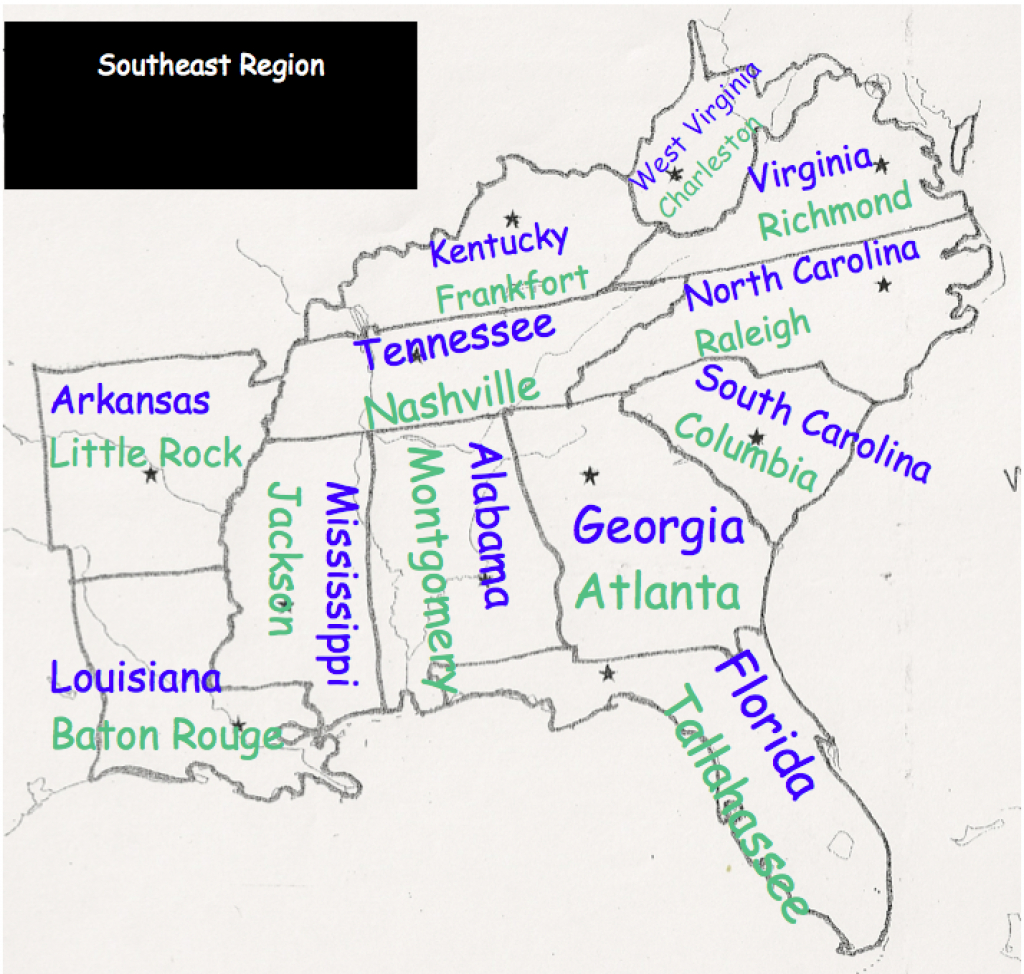
No, every state in the Southeast has a capital (e.g., Nashville, TN; Montgomery, AL; Columbia, SC). However, Atlanta is the most populous capital city in the region and serves as its primary economic and transportation hub. Its influence extends far beyond state lines, often acting as the de facto "capital of the South."
What is the best way to get around the Atlanta region?
While the region is historically car-dependent, the best way to navigate depends on your destination. For travel between the airport and Downtown/Midtown/Buckhead, the MARTA rail system is highly efficient. For exploring the suburbs or the northern tech corridor, a vehicle or ride-sharing service is generally necessary.
Why is the Atlanta region so important for the film industry?
The combination of the Georgia Film Office tax incentives, a diverse range of filming locations (from urban skylines to rural forests), and a massive local talent pool makes it more cost-effective than Los Angeles or New York. By 2026, the infrastructure of permanent soundstages in the region is among the largest in the world.
How does the cost of living in Atlanta compare to other major US cities?
In 2026, Atlanta remains more affordable than coastal hubs like San Francisco or New York City, particularly regarding real estate. However, prices have risen significantly over the last decade, especially in neighborhoods adjacent to the BeltLine and in high-performing school districts in Cobb and Gwinnett counties.
What are the major sports teams in the Atlanta region?
The region is home to several major professional franchises: the Atlanta Braves (MLB), who play at Truist Park in Cobb County; the Atlanta Falcons (NFL) and Atlanta United FC (MLS), both based at Mercedes-Benz Stadium; and the Atlanta Hawks (NBA), playing at State Farm Arena.
Recommendations for Visitors and New Residents
For those looking to engage with the Atlanta region in 2026, the following steps are recommended:
- Use the BeltLine: To truly understand the modern "vibe" of the city, walk or bike the Eastside or Westside trails of the Atlanta BeltLine.
- Check the Event Calendar: Atlanta is a city of festivals (Dogwood, Music Midtown, Pride). Always check local listings at Atlanta.net before visiting.
- Plan for Traffic: If you must drive, avoid the Downtown Connector (I-75/I-85) during peak rush hours (7:00 AM – 9:30 AM and 4:00 PM – 7:00 PM).
- Explore Beyond the City: Take time to visit regional gems like the North Georgia mountains or the historic town squares of Marietta and Decatur to see the full breadth of the Georgia capital region.