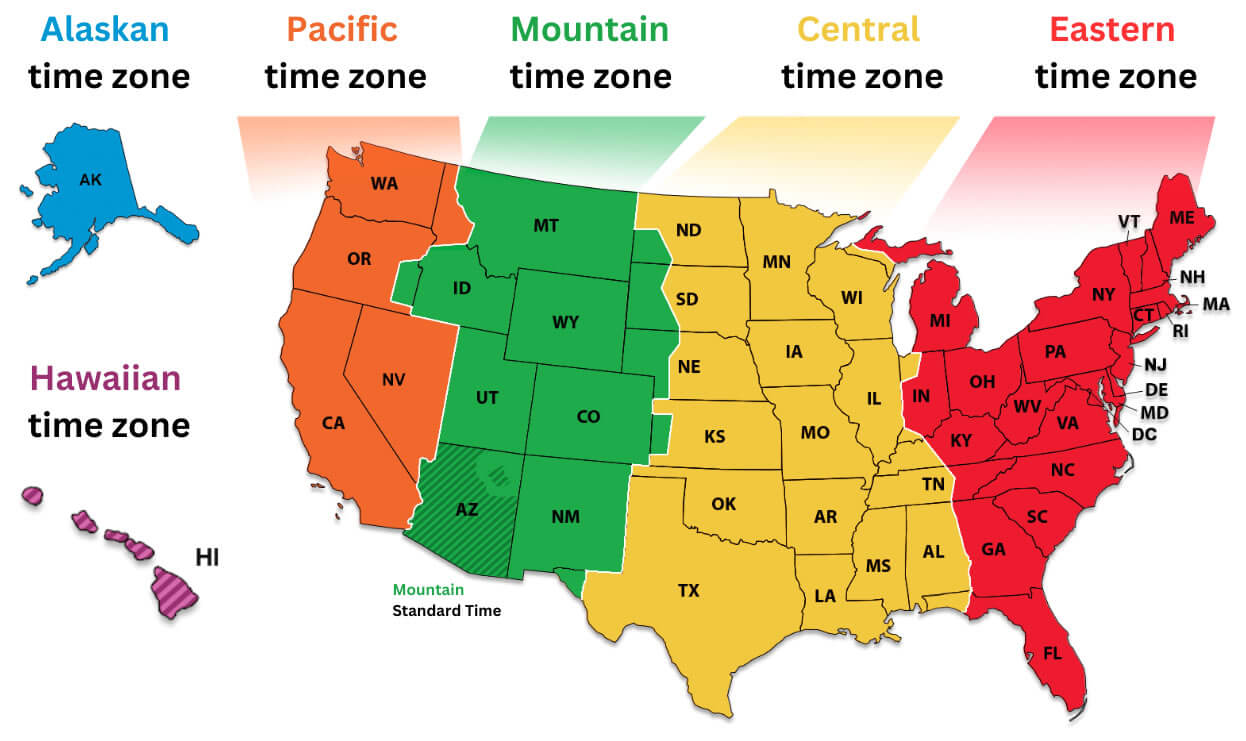
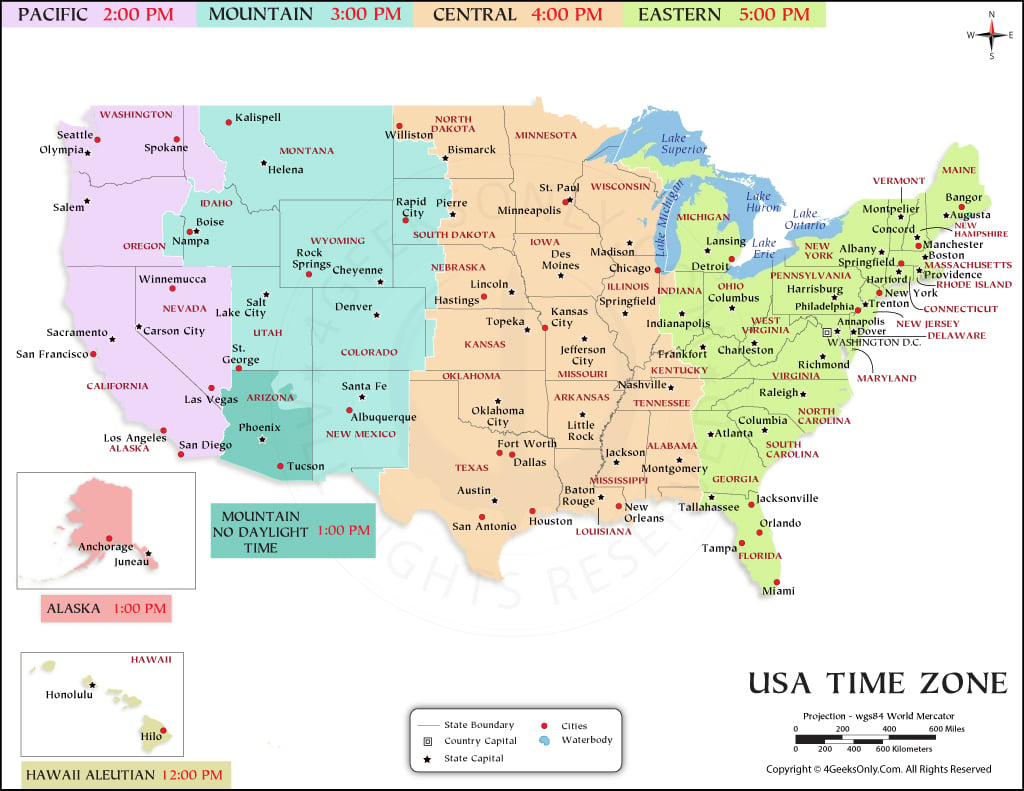
Atlanta, Georgia, is located in the Eastern Time Zone of the United States. During Standard Time, Atlanta is 5 hours behind Greenwich Mean Time (GMT-5), and during Daylight Saving Time, it shifts to 4 hours behind Greenwich Mean Time (GMT-4). In 2026, the city follows this seasonal transition to optimize daylight hours for its residents and businesses.
Navigating time zones is a fundamental requirement for global commerce, travel, and digital communication. For a major international hub like Atlanta—home to the world’s busiest airport and numerous Fortune 500 headquarters—the distinction between Greenwich Mean Time (GMT) and local time is more than just a matter of setting a watch; it is a critical component of logistical precision. Whether you are scheduling a transatlantic conference call, booking a flight through Hartsfield-Jackson, or synchronizing server logs, understanding the nuances of the Atlanta GMT time zone offset is essential.
Atlanta’s Position in the Eastern Time Zone
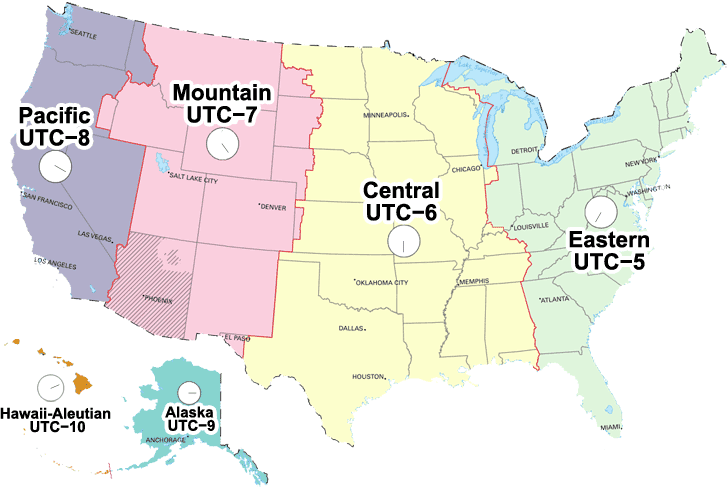
Atlanta’s geographic location at approximately 33.7490° N latitude and 84.3880° W longitude places it firmly within the Eastern Time (ET) belt. However, the concept of "time" in Atlanta is dictated by two primary standards: Eastern Standard Time (EST) and Eastern Daylight Time (EDT).
The Distinction Between GMT and UTC
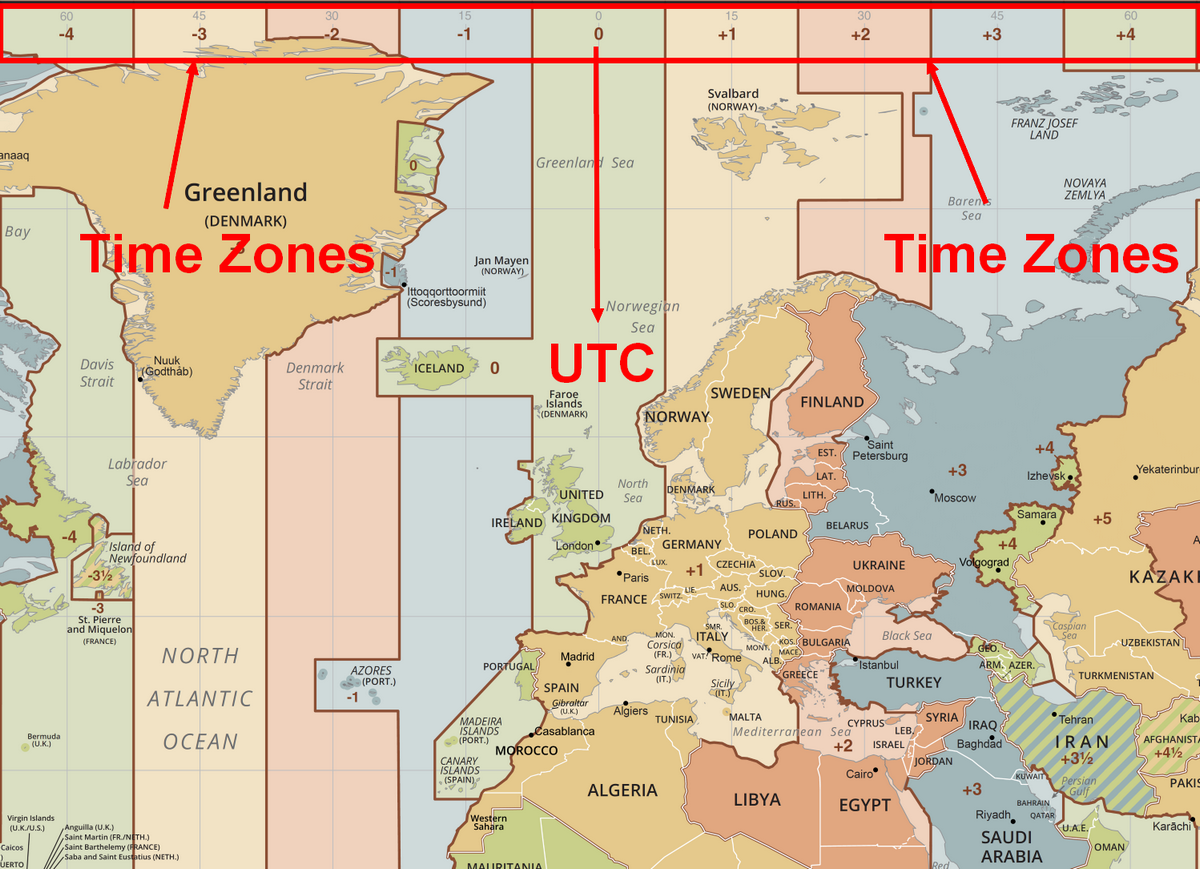
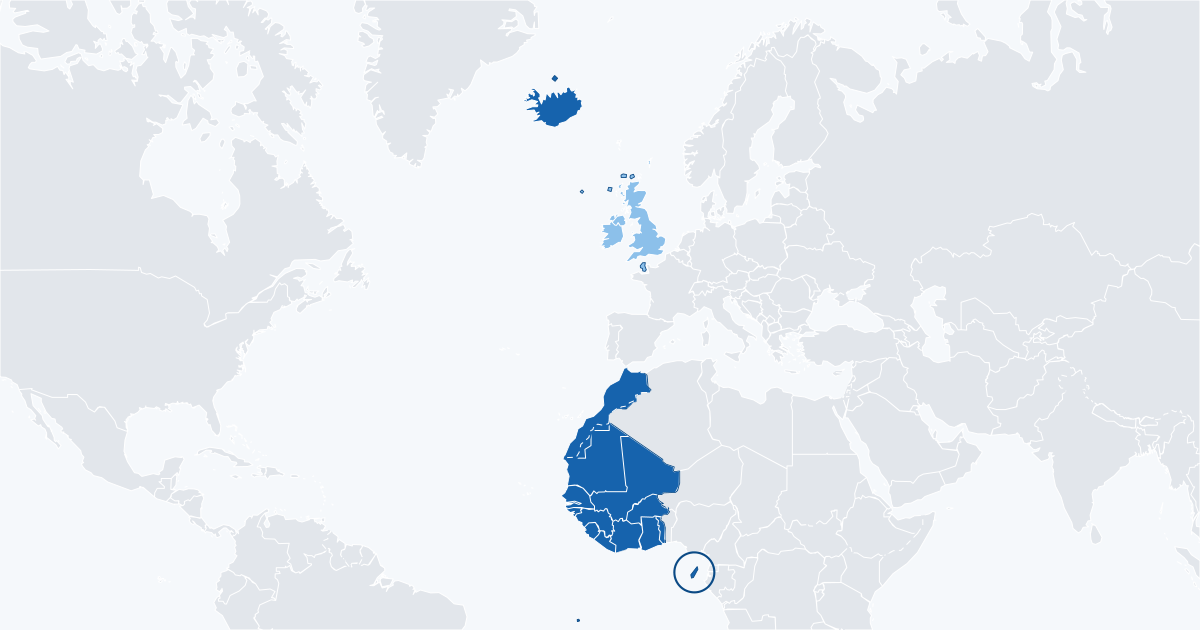
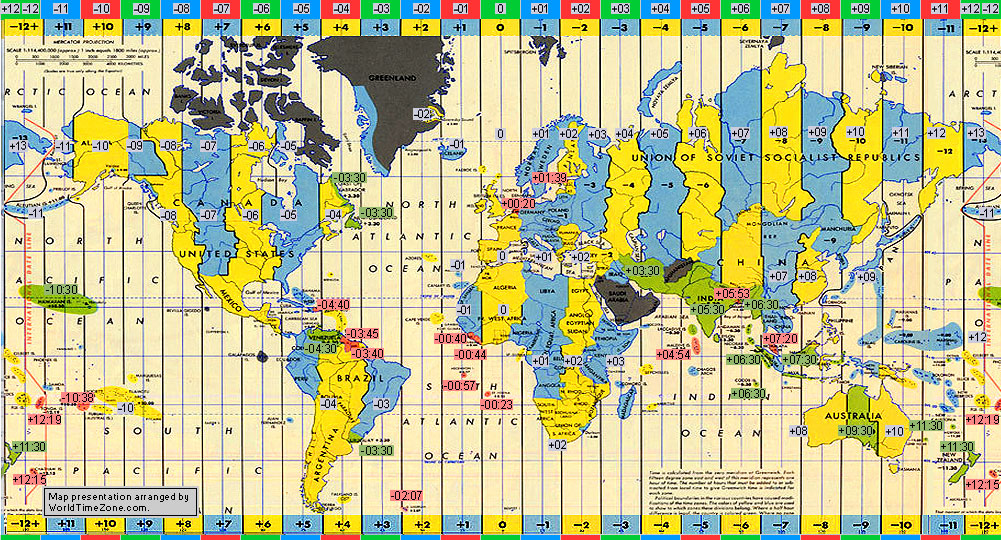
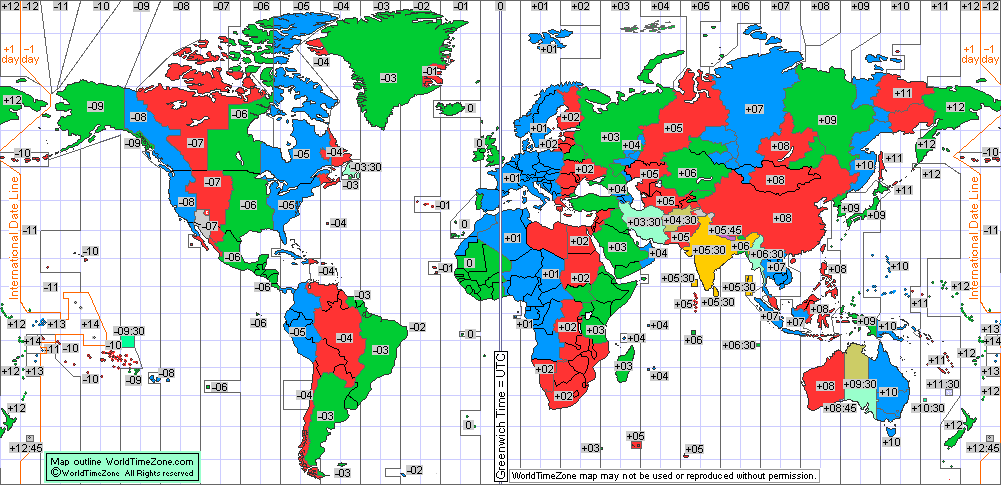
While the search term "GMT" is frequently used by the public, it is important to distinguish it from Coordinated Universal Time (UTC) in a technical context. GMT is a time zone originally based on solar time at the Royal Observatory in Greenwich, London. UTC is a high-precision atomic time standard that has replaced GMT for most practical and scientific purposes. In 2026, for all intents and purposes regarding Atlanta, GMT and UTC are treated as interchangeable offsets (UTC-5 or UTC-4).
Current 2026 Status and Observations
As of 2026, Atlanta continues to observe the North American daylight saving schedule. This means the city does not remain at a constant offset from GMT throughout the year. The transition between offsets is designed to provide more evening daylight during the warmer months, impacting everything from energy consumption to outdoor recreation in the "City in a Forest."
The Seasonal Shift: Eastern Standard Time vs. Eastern Daylight Time
The most common source of confusion regarding Atlanta's time zone is the biannual "clock change." In 2026, Atlanta follows the standard federal guidelines for time transitions.
Eastern Standard Time (EST) - GMT-5
During the late autumn and winter months, Atlanta operates on Eastern Standard Time. In this period, the offset is GMT-5. This is the "natural" time for the region based on its longitudinal position.
- 2026 Period: EST begins on Sunday, November 1, 2026, when clocks "fall back" one hour at 2:00 AM local time.
- Impact: During this phase, when it is 12:00 PM (noon) in London (GMT), it is 7:00 AM in Atlanta.
Eastern Daylight Time (EDT) - GMT-4
During the spring, summer, and early autumn, Atlanta shifts to Eastern Daylight Time to capitalize on longer days. The offset moves to GMT-4.
- 2026 Period: EDT begins on Sunday, March 8, 2026, when clocks "spring forward" one hour at 2:00 AM local time.
- Impact: During this phase, when it is 12:00 PM (noon) in London (GMT/BST), it is 8:00 AM in Atlanta. (Note: London also observes daylight saving, known as British Summer Time, which can affect the relative difference).
| Feature | Eastern Standard Time (EST) | Eastern Daylight Time (EDT) |
|---|---|---|
| GMT Offset | GMT-5 | GMT-4 |
| 2026 Start Date | November 1, 2026 | March 8, 2026 |
| Common Months | Nov, Dec, Jan, Feb | March through October |
| Solar Noon | Closer to 12:30 PM | Closer to 1:30 PM |
| Typical Use | Winter / Late Autumn | Spring / Summer / Early Autumn |
Coordinating with Atlanta: A Global Comparison
For international professionals, understanding how Atlanta relates to other global hubs is vital for avoiding scheduling errors. Below is a comparison of Atlanta's time (in 2026) against other major cities during the Daylight Saving period (GMT-4).
| Global City | Local Time Relative to Atlanta (EDT) | Offset from GMT/UTC |
|---|---|---|
| London, UK | +5 Hours (BST) | GMT+1 |
| Paris, France | +6 Hours (CEST) | GMT+2 |
| Dubai, UAE | +8 Hours (GST) | GMT+4 |
| Tokyo, Japan | +13 Hours (JST) | GMT+9 |
| Los Angeles, USA | -3 Hours (PDT) | GMT-7 |
| Chicago, USA | -1 Hour (CDT) | GMT-5 |
| Sydney, Australia | +14 Hours (AEST) | GMT+10 |
The History and Evolution of Time in Georgia
To understand why Atlanta sits at GMT-5/-4, one must look at the history of standardized time. Before the late 19th century, Atlanta—like most American cities—observed "local solar time." Each town set its clocks by the sun's position, leading to a chaotic patchwork of hundreds of different local times across the United States.
The Role of the Railroads
The push for a standardized time zone system was driven by the expansion of the railroads. In the 1880s, the complexity of managing train schedules across disparate local times became untenable. On November 18, 1883, known as "The Day of Two Noons," railroads across North America switched to four standard time zones. Atlanta was designated as part of the Eastern Time Zone, though its proximity to the 90th meridian (the center of Central Time) led to early debates about which zone the city should join.
Official Adoption
The U.S. Federal Government formally adopted the time zones with the Standard Time Act of 1918. This act also introduced the first iteration of Daylight Saving Time, intended to conserve fuel during World War I. While the specific dates for DST have shifted over the decades—most recently with the Energy Policy Act of 2005—Atlanta has remained a cornerstone of the Eastern Time corridor.
Technical and Business Implications of the Atlanta Offset
In 2026, Atlanta serves as a massive engine for the global economy. The GMT-5 and GMT-4 offsets play a significant role in how the city functions on a technical level.
IT Systems and Server Synchronization
For IT professionals managing data centers in the Atlanta metropolitan area (a major hub for North American fiber-optic traffic), time synchronization is paramount. Most servers use Network Time Protocol (NTP) to sync with UTC. However, application-layer software must be configured to handle the "Atlanta" offset correctly to ensure that financial transactions, log entries, and scheduled tasks occur at the correct local time. Failing to account for the March and November transitions can lead to "double-processed" tasks or missed deadlines.
Logistics and Aviation
Hartsfield-Jackson Atlanta International Airport (ATL) operates 24/7. Aviation relies entirely on UTC (often referred to as "Z" or Zulu time) for flight plans and air traffic control to ensure universal clarity. However, passenger-facing systems must constantly translate these UTC times into the Atlanta local offset. A flight arriving from Frankfurt may be scheduled based on UTC, but ground crews, catering, and gate agents in Atlanta must coordinate based on the GMT-4 or GMT-5 local window.
The "Atlanta Corridor" Business Strategy
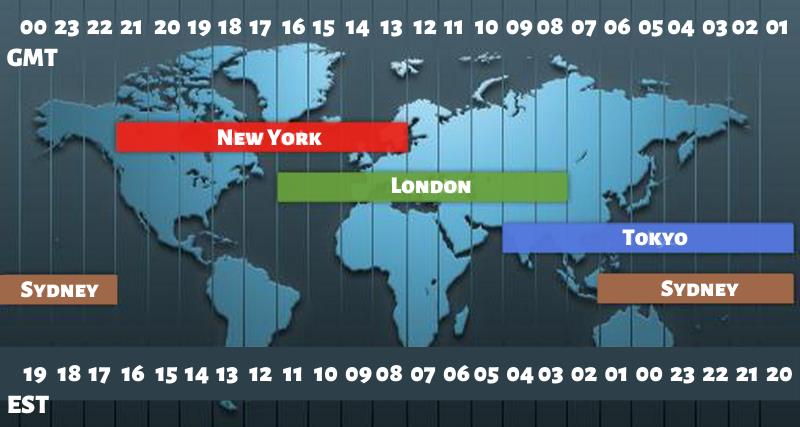
Atlanta-based companies like Coca-Cola, UPS, and Delta Air Lines manage global workforces. The GMT-5/-4 offset is strategically advantageous. It allows for a "hand-off" window where Atlanta offices can communicate with European branches (GMT to GMT+2) in the morning and Asian branches (GMT+8 to GMT+9) in the late evening or early morning, effectively maintaining a 24-hour business cycle centered around the Eastern Time Zone.
Daylight Saving Time: Controversies and Legislative Outlook
As of 2026, the debate over Daylight Saving Time remains a pertinent topic in Georgia. For years, there has been significant legislative discussion regarding the "Sunshine Protection Act," a proposal to make Daylight Saving Time permanent across the United States.
The Permanent DST Debate
Proponents of staying on GMT-4 (Permanent EDT) argue that the extra hour of evening light boosts the economy, reduces seasonal affective disorder, and improves road safety by providing better visibility during the evening commute. Conversely, some health experts and parents argue for permanent GMT-5 (Standard Time), noting that permanent DST leads to very late sunrises in the winter, forcing children to wait for school buses in total darkness and disrupting natural circadian rhythms.
Georgia’s Legislative Stance
While the Georgia State Legislature has expressed interest in ending the biannual clock change, federal law currently prohibits states from moving to permanent Daylight Saving Time without an act of Congress. States are only permitted to opt-out of DST and remain on Standard Time (GMT-5) year-round, as Hawaii and most of Arizona have done. For now, Atlanta continues to follow the national rhythm of shifting offsets.
Practical Tips for Travelers and Remote Professionals
If you are traveling to Atlanta or working with a team based in the city in 2026, these practical steps can ensure a smooth transition:
- Check the Date: Always verify if your interaction falls before or after the March 8 or November 1 transition dates. A meeting scheduled for "10:00 AM Atlanta Time" in February is GMT-5, but in April, it is GMT-4.
- Use Digital Conversion Tools: While manual calculation is possible (Current GMT - 4/5), digital tools like "World Clock" or "TimeAndDate" are recommended to account for the relative DST shifts in both locations. For example, the UK usually shifts its clocks on different dates than the US, creating a two-week window where the difference is 4 hours instead of 5.
- Manage Jet Lag: If traveling to Atlanta from Europe or Asia, the GMT offset is significant. Adjust your internal clock by shifting your sleep schedule one hour per day toward Eastern Time starting three days before your flight.
- Update Calendar Settings: Ensure your digital calendar (Outlook, Google, Apple) is set to "(GMT-05:00) Eastern Time" with the "Adjust for daylight saving time automatically" feature enabled.
Frequently Asked Questions
Is Atlanta always 5 hours behind GMT?
No. Atlanta is 5 hours behind GMT (GMT-5) only during Eastern Standard Time (winter). During Eastern Daylight Time (summer), Atlanta is 4 hours behind GMT (GMT-4).
Does Atlanta use the same time zone as New York City?
Yes, both Atlanta and New York City are in the Eastern Time Zone and follow the same Daylight Saving Time schedule. They are always at the same local time.
When do the clocks change in Atlanta in 2026?
In 2026, clocks in Atlanta will move forward one hour on March 8 (beginning EDT) and move back one hour on November 1 (returning to EST).
Why is Atlanta's time zone sometimes called "Zulu-5"?
In military and aviation contexts, GMT/UTC is referred to as "Zulu" (Z). Since Atlanta is 5 hours behind UTC during standard time, it is referred to as UTC-5 or "Zulu-5."
What is the best way to schedule a meeting between London and Atlanta?
The best window for a meeting is typically between 9:00 AM and 12:00 PM Atlanta time. This corresponds to 2:00 PM to 5:00 PM in London (assuming a 5-hour difference), allowing both parties to meet during standard business hours.
Final Recommendation
When coordinating activities involving the Atlanta GMT time zone, the most reliable approach is to define your time in terms of Eastern Time (ET) and allow modern software to handle the specific GMT-4 or GMT-5 offset based on the current date. For the year 2026, remain mindful of the March 8 and November 1 transition dates, as these represent the moments when the city's relationship with global time standards shifts.