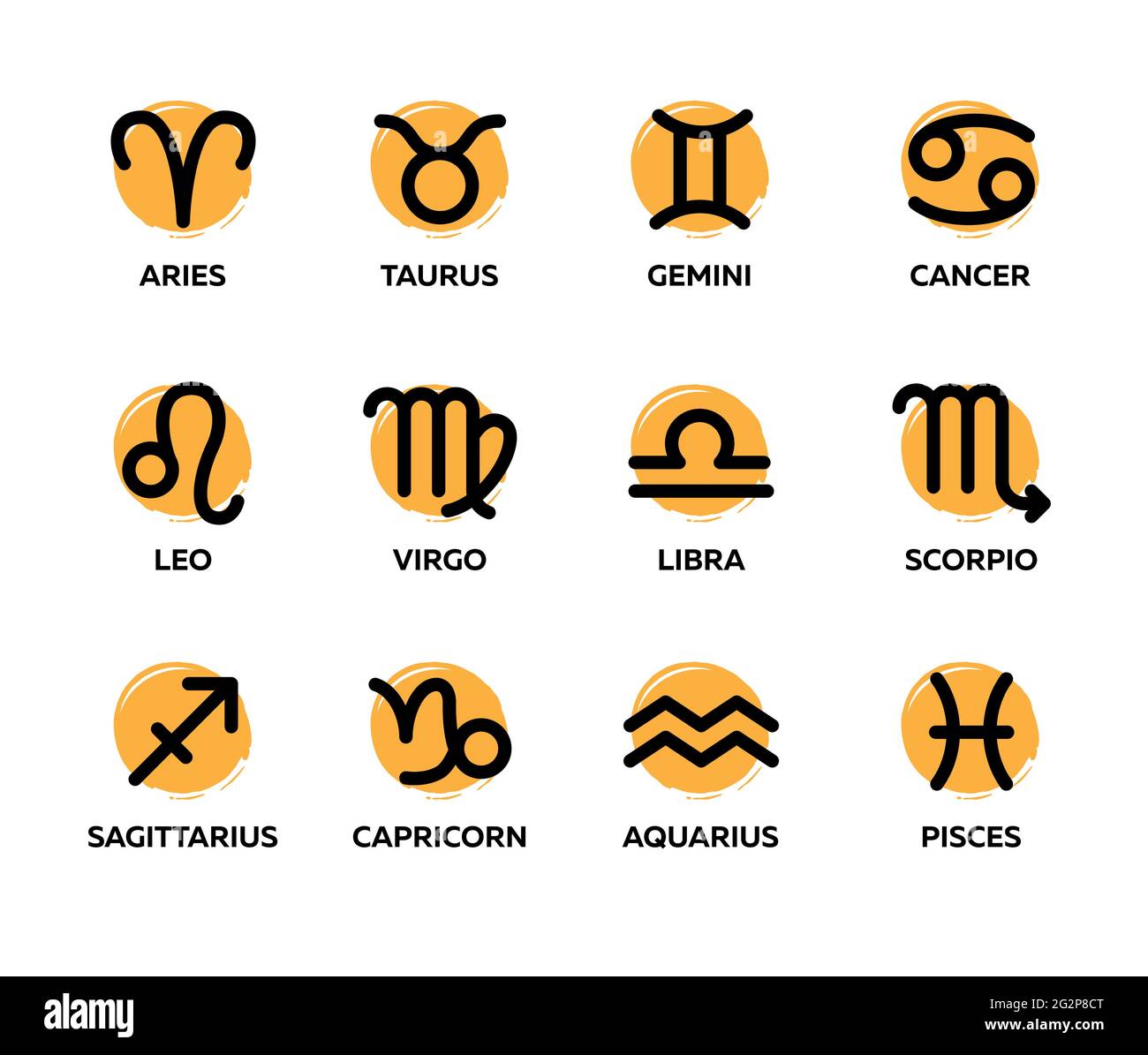
Astrological names and meanings provide a profound connection between celestial movements and personal identity, drawing from zodiac signs, planetary alignments, and ancient constellations. These names often carry deep etymological roots in Greek, Roman, and Sanskrit traditions, offering a symbolic blueprint for a child’s personality or a person’s spiritual journey.
In 2026, the resurgence of interest in cosmic identity has shifted astrological naming from a niche practice into a mainstream cultural trend. Parents and individuals are increasingly looking toward the stars to find names that resonate with specific character traits, elemental energies, and the historical myths that define the twelve zodiac signs and the celestial bodies that govern them. Whether you are seeking a name based on a birth chart or a specific planetary ruler, understanding the etymology and symbolism is essential for a meaningful choice.
The Significance of Astrological Naming
Naming a child or an entity after an astrological phenomenon is a practice that dates back millennia. In ancient Vedic traditions, the Nakshatras (lunar mansions) dictated the first syllable of a child’s name to ensure harmony with the universe. Similarly, Western naming conventions have long drawn from Greco-Roman mythology, where the planets were named after deities who personified specific human experiences.
When selecting an astrological name, one must consider three primary categories: the Zodiac Signs (Sun Signs), the Ruling Planets, and the Fixed Stars or Constellations. Each category offers a different "vibe" or energetic frequency. For example, a zodiac name like Leo carries the weight of solar energy and leadership, while a constellation name like Lyra suggests a more artistic, harmonious temperament.
Zodiac Names and Their Meanings by Sign
The twelve signs of the zodiac offer a rich tapestry of linguistic options. Each sign is associated with an element (Fire, Earth, Air, Water) and a modality (Cardinal, Fixed, Mutable), which further refines the meaning of names derived from them.
Aries (March 21 – April 19)
Aries is the first sign of the zodiac, symbolizing beginnings, courage, and vitality. It is a Fire sign ruled by Mars.
- Ariadne: While Greek in origin meaning "most holy," it is often associated with the initiation and leadership of Aries.
- Egan: A Gaelic name meaning "little fire," reflecting the spark and energy of this cardinal sign.
- Marcella: Derived from Mars, the ruler of Aries, meaning "warlike" or "strong."
- Bernard: Meaning "brave as a bear," capturing the fearless spirit of the Ram.
Taurus (April 20 – May 20)
Taurus is an Earth sign ruled by Venus, emphasizing stability, beauty, and a connection to the physical world.
- Gaia: Representing the Earth itself, this name honors the grounded nature of Taurus.
- Chloe: A Greek name meaning "green shoot," symbolizing the fertility and growth associated with the bull’s season.
- Adam: Derived from the Hebrew word for "earth" or "red clay."
- Demetria: Named for Demeter, the goddess of the harvest, echoing the Taurean love for nature’s bounty.
Gemini (May 21 – June 20)
Gemini is an Air sign ruled by Mercury, focusing on communication, intellect, and duality.
- Thomas: A classic name meaning "twin," directly referencing the Gemini constellation.
- Linus: In mythology, a great musician and teacher, fitting for the communicative and intellectual Gemini.
- Kiran: A Sanskrit name meaning "ray of light" or "beam," representing the quick-witted nature of Mercury.
- Juniper: While a nature name, it is often linked to Gemini for its freshness and vibrant energy.
Cancer (June 21 – July 22)
Cancer is a Water sign ruled by the Moon, representing intuition, nurture, and the home.
- Luna: The Latin word for "Moon," the celestial body that governs Cancer.
- Selene: The Greek goddess of the Moon, perfect for reflecting the sign's luminous and emotional depth.
- Muriel: A Celtic name meaning "bright sea," connecting the water element with the Moon's influence on the tides.
- Pearl: The traditional gemstone for June/July, symbolizing the hidden beauty within the "shell."
Leo (July 23 – August 22)
Leo is a Fire sign ruled by the Sun, symbolizing creativity, royalty, and warmth.
- Leo: Simply meaning "lion," the direct symbol of the sign.
- Aurora: Meaning "dawn," representing the rising sun that rules this sign.
- Cyrus: A Persian name meaning "sun," the source of Leo’s power.
- Eliana: Meaning "daughter of the sun," highlighting the solar radiance of Leo individuals.
Virgo (August 23 – September 22)
Virgo is an Earth sign ruled by Mercury, focusing on service, purity, and analytical precision.
- Cora: Meaning "maiden," reflecting the "Virgin" archetype of the sign.
- George: Derived from georgos, meaning "earth-worker" or "farmer," honoring Virgo’s harvest connections.
- Rhiannon: A Welsh name meaning "divine queen," often linked to the diligent and sovereign nature of the Virgo archetype.
- Adara: Meaning "noble" or "virgin," emphasizing the sign’s quest for purity and excellence.
Libra (September 23 – October 22)
Libra is an Air sign ruled by Venus, symbolizing balance, justice, and aesthetic beauty.
- Justin: Meaning "just" or "fair," mirroring the Scales of Libra.
- Ziba: A Persian name meaning "beautiful," governed by Libra's ruler, Venus.
- Adila: An Arabic name meaning "equal" or "honest," reflecting the sign's pursuit of equilibrium.
- Cosmo: Meaning "order" or "beauty," representing the Libran desire for a balanced universe.
Scorpio (October 23 – November 21)
Scorpio is a Water sign ruled by Pluto (and traditionally Mars), representing transformation, depth, and intensity.
- Phoenix: The mythical bird that rises from the ashes, a core symbol of Scorpio’s transformative power.
- Astrid: Meaning "divinely beautiful," but often associated with the intensity and mystery of the stars.
- Hunter: Reflecting the focused, predatory precision often attributed to the Scorpion.
- Sabina: Ancient origins, sometimes associated with the secretive and resilient nature of this sign.
Sagittarius (November 22 – December 21)
Sagittarius is a Fire sign ruled by Jupiter, symbolizing exploration, philosophy, and freedom.
- Archer: The literal English name for the Sagittarius symbol, the Centaur with a bow.
- Artemis: The Greek goddess of the hunt, deeply connected to the wilderness and the bow.
- Blythe: Meaning "carefree" or "happy," reflecting the optimistic spirit of Jupiter.
- Apollo: Though a sun god, his association with truth and prophecy aligns with the Sagittarian quest for knowledge.
Capricorn (December 22 – January 19)
Capricorn is an Earth sign ruled by Saturn, representing structure, ambition, and time.
- Giles: Meaning "young goat," referencing the Sea-Goat symbol of Capricorn.
- Terra: The Latin word for "Earth," the element of this grounded sign.
- Truman: Meaning "faithful man," aligning with Capricorn's reputation for reliability and integrity.
- Amala: Meaning "hope" or "pure," but also linked to the endurance required for the mountain goat's climb.
Aquarius (January 20 – February 18)
Aquarius is an Air sign ruled by Uranus (and traditionally Saturn), symbolizing innovation, humanity, and the future.
- Nova: Meaning "new," representing the Aquarian drive for revolution and novelty.
- River: A nod to the "Water Bearer" who pours out knowledge to humanity.
- Zephyr: Meaning "west wind," capturing the intellectual air element of the sign.
- Talitha: An Aramaic name meaning "little girl," but famously associated with the star Talitha Borealis in the constellation Ursa Major, often favored by Aquarian enthusiasts.
Pisces (February 19 – March 20)
Pisces is a Water sign ruled by Neptune (and traditionally Jupiter), representing spirituality, dreams, and compassion.
- Marina: Meaning "of the sea," the domain of Pisces.
- Fisher: A direct reference to the two fish that symbolize the sign.
- Tallulah: A Native American name meaning "leaping water," reflecting the fluid nature of the sign.
- Ione: Meaning "violet stone," but also a sea nymph in mythology, fitting for the mystical Pisces.
Planetary Names and Their Metaphysical Meanings
Planetary names are often more direct in their astrological influence. In 2026, many individuals choose these names based on the "Dominant Planet" in a birth chart.
| Planet | Astrological Meaning | Suggested Names |
|---|---|---|
| Sun | Core identity, ego, life force | Cyrus, Elio, Sol,曙 (Akebono) |
| Moon | Emotions, subconscious, habits | Luna, Selene, Mani, Mona |
| Mercury | Communication, travel, intellect | Hermes, Mercia, Keira, Thoth |
| Venus | Love, art, finances, harmony | Aphrodite, Freya, Mabel, Lev |
| Mars | Action, desire, conflict, energy | Ares, Marcello, Ramona, Tyra |
| Jupiter | Expansion, luck, philosophy | Jove, Tanaquil, Felicity, Faust |
| Saturn | Discipline, karma, structure | Saturnina, Chronos, Justin, Swithin |
| Uranus | Change, genius, rebellion | Urania, Sky, Ariel, Electra |
| Neptune | Dreams, intuition, illusion | Poseidon, Morgan, Delphine, Nixie |
| Pluto | Rebirth, power, the unseen | Hades, Persephone, Dis, Lowell |
Names Derived from Constellations and Fixed Stars
Beyond the twelve zodiac signs, the night sky is filled with 88 official constellations and hundreds of named stars. These names often have a more "celestial" and airy feel compared to the traditional zodiac names.
- Lyra: A small constellation representing the lyre of Orpheus. It is a popular name for those seeking a musical or harmonious connection.
- Orion: One of the most recognizable constellations, named after the giant hunter in Greek mythology. It symbolizes strength and prominence.
- Cassiopeia: Named after the vain queen in Greek myth, this constellation is famous for its distinct 'W' shape. It represents beauty and cosmic presence.
- Vega: One of the brightest stars in the sky, located in the constellation Lyra. In many cultures, it represents a "falling vulture" or a "weaving maiden."
- Altair: The brightest star in the constellation Aquila (The Eagle). The name is Arabic for "the flyer."
- Andromeda: A galaxy and constellation named after the princess of Ethiopia. It carries connotations of vastness and resilience.
Technical Considerations for Choosing an Astrological Name
When choosing an astrological name in 2026, practitioners often look at the Natal Chart (or Birth Chart) to ensure the name aligns with the person’s actual planetary placements. This process, sometimes called "Cosmic Branding," involves several steps:
- Determine the Chart Ruler: The planet that rules the Ascendant (Rising Sign). If someone is a Scorpio Rising, their chart ruler is Pluto. Names like Hades or Phoenix would be technically resonant.
- Check the Moon Sign: Since the Moon represents the emotional self, a name reflecting the Moon sign (e.g., Gaia for a Taurus Moon) can help an individual feel more "at home" in their identity.
- Examine the Dominant Element: If a chart is heavily weighted in Fire, a name like Seraphina (fiery one) can balance or enhance that energy.
- Avoid Malefic Overtones: Some names, while astrological, carry heavy historical "malefic" energy (like certain aspects of Saturn or Pluto). It is important to research the myth behind the name to ensure the meaning is one you wish to carry.
Common Mistakes in Astrological Naming
One frequent error is confusing the Sun sign with the Rising sign. While a person born in late July is a Sun-sign Leo, their "outer self" or the name they present to the world might be better suited to their Rising sign. For instance, a Leo Sun with a Capricorn Rising might find the name Leo too flashy, preferring something more structured like Giles.
Another mistake is neglecting the etymological roots. A name might "sound" astrological but have a meaning that contradicts the desired trait. Always verify the linguistic origin—whether Latin, Greek, Arabic, or Sanskrit—before finalizing a choice.
Frequently Asked Questions
Can I use an astrological name if I don't believe in astrology?
Absolutely. Many astrological names are rooted in classical mythology and nature. Names like Luna, Leo, and Orion have stood the test of time as beautiful, strong names regardless of their zodiacal associations. They are valued for their phonetic appeal and historical depth.
What is the most popular astrological name in 2026?
Currently, Luna remains at the top of the charts for girls, while Orion and Leo are highly popular for boys. There is also a rising trend in "Star" names like Nova and Lyra due to their modern, short, and punchy sounds.
Are there gender-neutral astrological names?
Yes, many celestial names are naturally gender-neutral. Phoenix, River, Sky, Sage, and Jupiter are frequently used for any gender. Additionally, star names like Vega and Altair are becoming increasingly popular as non-binary options.
How do I find the meaning of a specific star name?
The best resource for star names is the International Astronomical Union (IAU), which maintains the official Working Group on Star Names (WGSN). For the mythological and astrological meanings, consult texts like Star Names: Their Lore and Meaning by Richard Hinckley Allen, which remains a primary source for celestial etymology.
Should the name match the birth month or the birth chart?
In 2026, the trend has shifted toward the birth chart. While the birth month (Sun sign) is the easiest to identify, the birth chart (including Rising and Moon signs) provides a more personalized "astrological fingerprint." Matching a name to the chart ruler is considered a more "advanced" and meaningful naming strategy.
Next Steps for Selection
To choose the perfect astrological name, start by generating a free birth chart using a reputable service. Identify the three pillars of the chart: the Sun, Moon, and Ascendant. Once these signs are identified, look for overlapping themes. For example, if you have a Fire Sun and a Fire Ascendant, a name rooted in heat or light would be most appropriate. Finally, research the historical myths associated with those names to ensure they align with the values and traits you wish to emphasize.