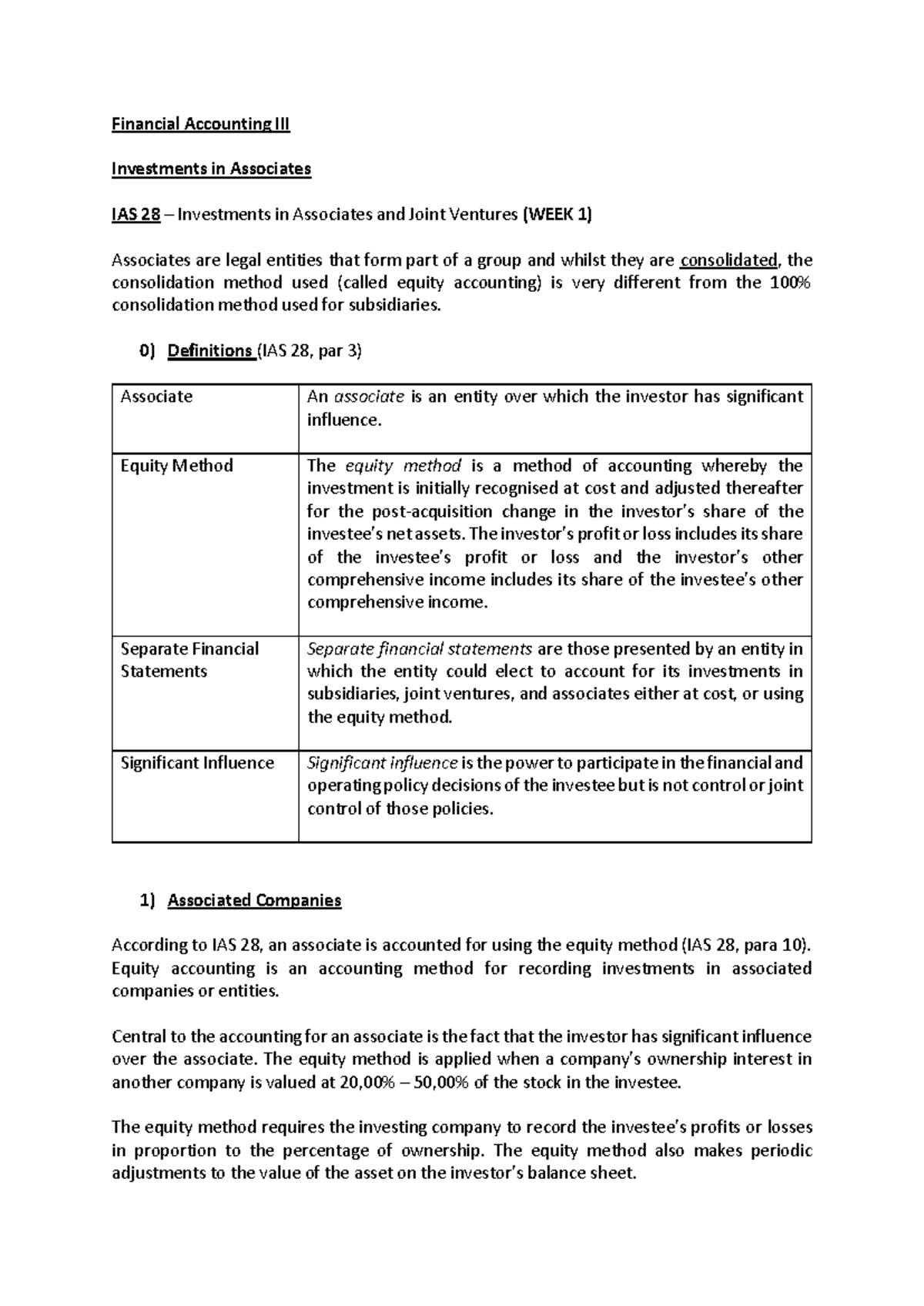
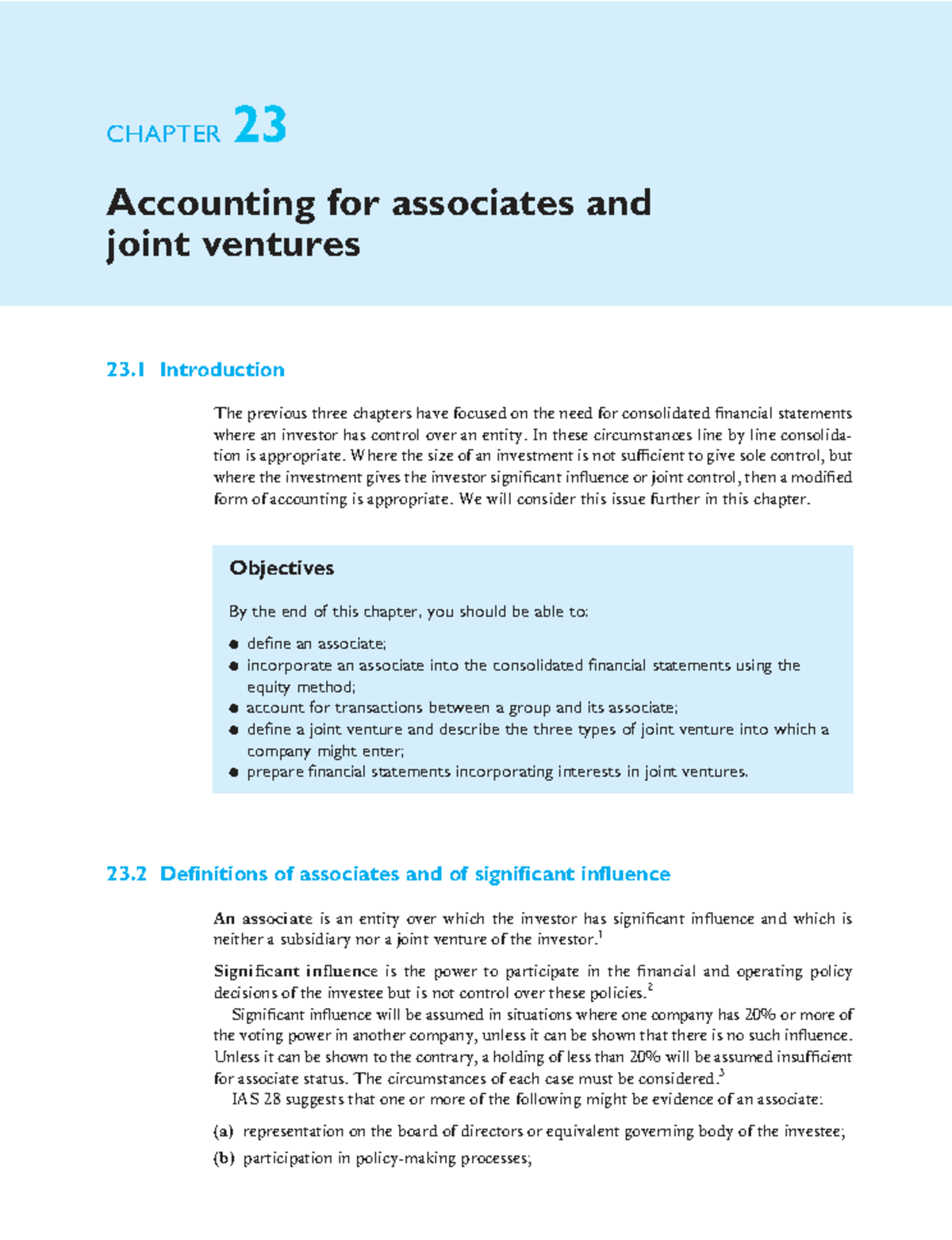
An associate degree in accounting is a two-year undergraduate program that provides foundational knowledge in financial record-keeping, tax preparation, and business law. It serves as a versatile entry point for individuals seeking immediate employment as bookkeepers or accounting clerks, as well as a cost-effective stepping stone toward a bachelor’s degree and eventual CPA licensure.
Understanding the Associate in Accounting Landscape in 2026
As of 2026, the accounting profession has undergone a significant shift toward digital fluency and automated systems. While the fundamental principles of debits and credits remain unchanged, the role of an entry-level accountant now emphasizes data integrity and software management over manual ledger entry. An associate degree in accounting typically requires 60 credit hours, which most full-time students complete in four semesters or two academic years.
Community colleges and vocational schools are the primary providers of these programs, offering a blend of theoretical instruction and practical application. In the current economic environment, the demand for mid-level financial support staff remains robust, particularly as small-to-medium enterprises (SMEs) require skilled professionals to manage increasingly complex digital tax filings and real-time financial reporting.
Distinguishing Between Degree Types: AS vs. AAS
Prospective students must choose between two primary tracks, each serving a distinct professional goal.
- Associate of Science (AS) in Accounting: This degree is designed for students who intend to transfer to a four-year university. It focuses heavily on general education requirements (English, math, humanities) alongside core accounting courses. The curriculum is structured to align with the first two years of a Bachelor of Science in Accounting.
- Associate of Applied Science (AAS) in Accounting: This is a terminal, career-focused degree. It prioritizes technical skills and hands-on training to prepare students for immediate entry into the workforce. While some credits may transfer, the primary goal is vocational readiness rather than academic progression.
Choosing the wrong track can lead to "credit loss" during a transfer, making it essential for students to identify their long-term goals—whether they want to become a Certified Public Accountant (CPA) or enter the workforce as quickly as possible.
Core Curriculum and Technical Skills
The curriculum for an associate degree in accounting in 2026 reflects the integration of traditional accounting principles with modern financial technology (FinTech). Students are expected to master both the "language of business" and the tools used to communicate it.
Financial and Managerial Accounting
The backbone of the program involves two primary sequences. Financial Accounting teaches students how to prepare financial statements—such as balance sheets, income statements, and cash flow statements—according to Generally Accepted Accounting Principles (GAAP). Managerial Accounting shifts the focus inward, teaching students how to use financial data to help management make internal decisions regarding budgeting, cost-volume-profit analysis, and performance evaluation.
Tax Accounting and Regulation
Understanding the legal framework of taxation is critical. Courses in Federal Taxation cover individual and corporate tax codes, focusing on deductions, credits, and filing requirements. In 2026, this also includes significant modules on digital asset taxation (cryptocurrency and NFTs) and remote-work tax implications across various jurisdictions.
Accounting Software and Spreadsheet Mastery
Advanced proficiency in Microsoft Excel is no longer optional; it is a core requirement. Students learn to use VLOOKUPs, pivot tables, and macro-automation to handle large datasets. Furthermore, programs now provide instruction in cloud-based accounting software like QuickBooks Online, Xero, and Sage, ensuring graduates can operate within modern, decentralized business environments.
Business Law and Ethics
Accounting is a regulated profession that demands high ethical standards. Students study the legal environment of business, covering contracts, torts, and the Uniform Commercial Code (UCC). Ethics modules focus on the Sarbanes-Oxley Act and the professional code of conduct required to prevent financial fraud and maintain public trust.
The Cost of Education and Financial Considerations
In 2026, the cost of an associate degree remains one of the most significant advantages of this educational path. Community colleges offer a much lower price point per credit hour compared to four-year public or private institutions.
| Expense Category | Estimated Cost (Two-Year Total) | Notes |
|---|---|---|
| Tuition (In-State/Community College) | $7,000 – $11,000 | Varies significantly by state and district. |
| Books and Digital Access Codes | $1,500 – $2,500 | Many programs are shifting to Open Educational Resources (OER) to lower costs. |
| Software Licenses | $200 – $500 | Some colleges include these in lab fees. |
| Certification Exams (Optional) | $300 – $600 | Includes exams like Certified Bookkeeper (CB). |
| Total Estimated Investment | $9,000 – $14,600 | Does not include room and board. |
Financial aid, such as Federal Pell Grants and state-specific workforce development grants, often covers a large portion of these costs for eligible students. Additionally, many accounting firms offer tuition reimbursement programs for employees who start in entry-level roles with an associate degree and wish to pursue a bachelor’s degree while working.
Career Opportunities and 2026 Salary Outlook
Graduates with an associate degree in accounting are qualified for various "middle-skill" roles. These positions are vital for maintaining the day-to-day financial health of organizations.
Bookkeeper
Bookkeepers are responsible for the entire "books" of a small company. This includes recording transactions, reconciling bank statements, and managing accounts payable and receivable. According to the U.S. Bureau of Labor Statistics, these roles require a high level of accuracy and organizational skill. In 2026, the median salary for bookkeepers ranges from $48,000 to $56,000, depending on geographic location and industry.
Accounting Clerk
Accounting clerks usually work for larger organizations and specialize in a specific area, such as payroll or billing. They process invoices, verify financial data, and assist with month-end closing procedures. This role is an excellent entry point for those who want to see the inner workings of a corporate finance department.
Tax Preparer
Working primarily during the "tax season" (January through April), tax preparers help individuals and small businesses file their annual returns. While an associate degree is sufficient for many tax firms, many graduates also seek the Enrolled Agent (EA) designation from the IRS to represent taxpayers in audits and appeals.
Payroll Specialist
Payroll specialists ensure that employees are paid accurately and on time. This involves calculating withholdings, managing benefits deductions, and staying compliant with state and federal labor laws. It is a highly specialized niche within accounting that offers significant job stability.
Transitioning to a Bachelor’s Degree and CPA Status
While an associate degree provides immediate employment opportunities, it is important to recognize that the highest-earning roles in accounting—such as Auditor, Forensic Accountant, or Controller—require at least a bachelor’s degree.
To become a Certified Public Accountant (CPA), most states require 150 semester hours of college credit. Since a standard bachelor’s degree is only 120 hours, the 60 hours earned during an associate degree program provide a solid foundation toward that ultimate goal. Students planning this route must ensure their community college is regionally accredited and that they have a "transfer agreement" (also known as an articulation agreement) with a four-year university.
The National Association of State Boards of Accountancy (NASBA) provides specific state-by-state requirements for CPA licensure. Students should consult these guidelines early in their associate program to ensure their coursework meets the rigorous standards required for eventual certification.
Accreditation: Why It Matters
When selecting an associate degree program, accreditation is the single most important factor for quality assurance and credit transferability.
- Regional Accreditation: This is the "gold standard." Credits from a regionally accredited community college are far more likely to transfer to a four-year university.
- Programmatic Accreditation: Look for programs accredited by the Accreditation Council for Business Schools and Programs (ACBSP) or the International Accreditation Council for Business Education (IACBE). These organizations specifically vet the quality of the business and accounting curriculum, ensuring it meets industry standards.
Graduating from an unaccredited program can lead to significant hurdles, including being ineligible for federal financial aid and having degree credentials rejected by employers or transfer institutions.
The Role of AI and Automation in 2026 Accounting
A common concern for prospective students is whether AI will replace entry-level accounting jobs. In 2026, the reality is that AI has replaced the drudgery of accounting, not the accountant.
Robotic Process Automation (RPA) now handles much of the data entry that used to consume an accounting clerk's day. Consequently, the associate degree curriculum has shifted to focus on Analytical Thinking and Anomaly Detection. Graduates are now expected to review the output of automated systems, identify discrepancies, and provide insights into why certain figures are trending in a specific direction. The ability to "talk to the data" and explain financial results to non-financial managers is a premium skill that AI cannot currently replicate.
Practical Steps to Enroll and Succeed
- Verify Prerequisites: Most associate programs require a high school diploma or GED. Proficiency in basic algebra is highly recommended.
- Apply for FAFSA: Complete the Free Application for Federal Student Aid early to secure grants and low-interest loans.
- Choose a Specialization: Some programs offer certificates in payroll or tax alongside the degree. These can make a resume stand out to local employers.
- Secure an Internship: Many community colleges have partnerships with local accounting firms. A summer internship can often lead to a full-time job offer before graduation.
- Join a Professional Body: Students should join the American Institute of CPAs (AICPA) as student members to access networking events and industry news.
FAQ
Is an associate degree in accounting enough to get a job?
Yes. An associate degree is sufficient for roles such as bookkeeper, accounting clerk, payroll specialist, and tax preparer. These positions are essential in almost every industry, providing high job security. However, for higher-level positions like Senior Auditor or Chief Financial Officer (CFO), a bachelor’s or master’s degree is typically required.
Can I become a CPA with only an associate degree?
No. To sit for the CPA exam, you generally need at least a bachelor’s degree and a total of 150 credit hours (which is 30 hours beyond a standard bachelor’s). An associate degree covers the first 60 of those hours. It is a vital first step but not the final qualification for CPA status.
How much do accounting associates make in 2026?
In 2026, the starting salary for an individual with an associate degree in accounting typically falls between $45,000 and $55,000. Factors such as the cost of living in your area, the specific industry (e.g., finance vs. retail), and any additional certifications (like QuickBooks User Certification) can influence this figure.
Are online associate degrees in accounting respected?
Yes, provided the institution is regionally accredited. Many employers in 2026 value online degrees, as they demonstrate a candidate's ability to manage time and use digital communication tools effectively. Ensure the program offers the same curriculum and accreditation as its on-campus counterpart.
What is the difference between bookkeeping and accounting?
Bookkeeping is the process of recording daily financial transactions and keeping the records organized. Accounting is a broader field that involves interpreting, classifying, analyzing, reporting, and summarizing financial data. An associate degree covers both, but graduates often start in bookkeeping roles.
Is accounting a stressful career choice?
Accounting can be cyclical. During "tax season" (January–April) or "year-end closing," the workload can be intense with long hours. However, for much of the year, entry-level accounting roles offer stable, predictable schedules and the option for remote or hybrid work.
Final Recommendation
If you are looking for a career with a clear path to stability and growth, an associate in accounting is an excellent investment. For those who enjoy working with numbers, have high attention to detail, and want to enter the professional world without four years of immediate university debt, this degree offers the best balance of speed and utility. Start by contacting your local community college to verify their transfer agreements, ensuring that every credit you earn today serves your career goals for 2026 and beyond.