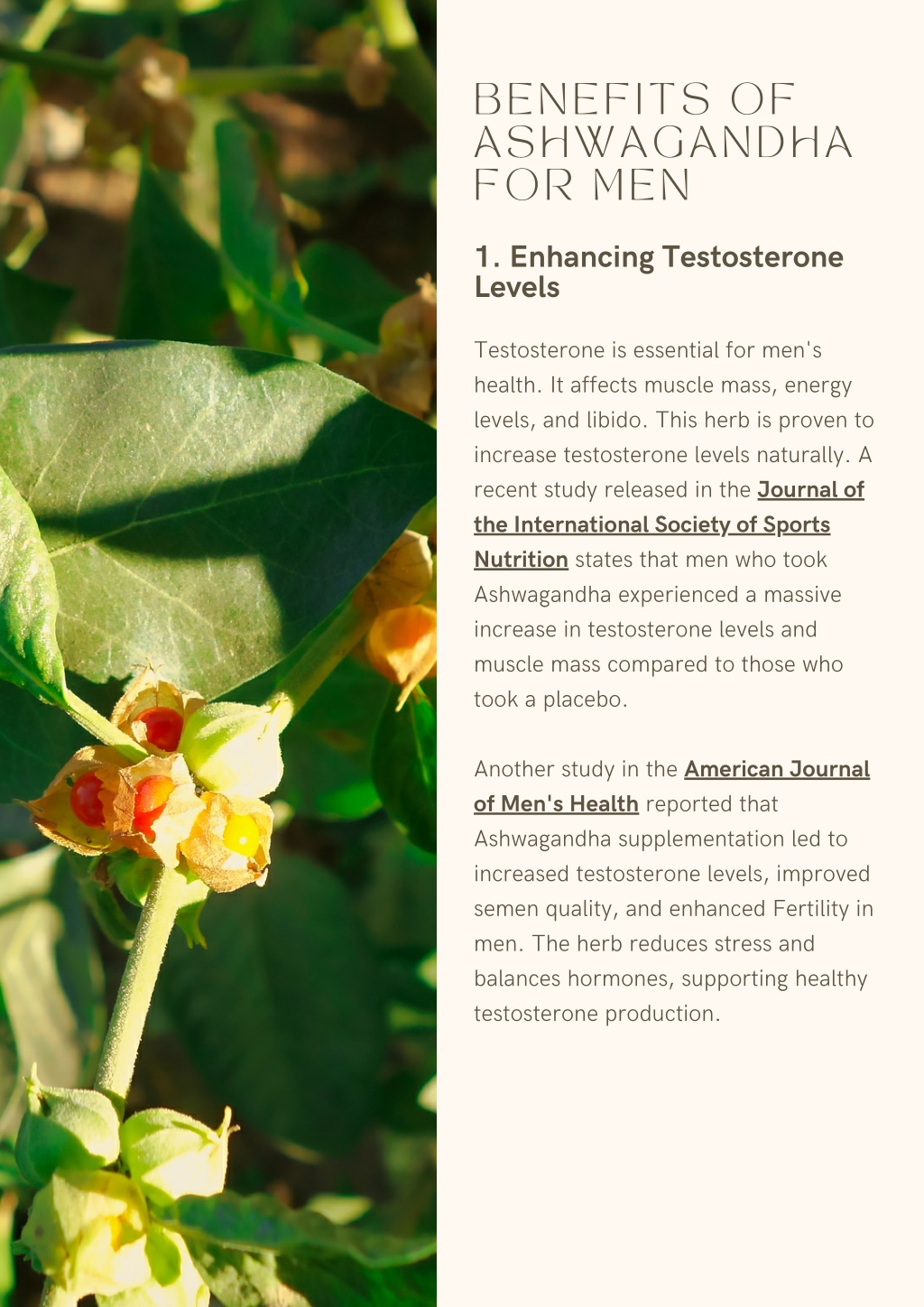
Ashwagandha (Withania somnifera) is an adaptogenic herb frequently utilized in sports nutrition to enhance physical performance, potentially accelerating muscle strength gains and supporting recovery. By modulating the body’s physiological response to stress and influencing hormonal pathways, it serves as a supportive tool for athletes aiming to optimize their training adaptations and combat exercise-induced muscle damage.
Understanding the Role of Ashwagandha in Sports Performance
Ashwagandha has been a cornerstone of traditional Ayurvedic medicine for centuries, used primarily as a rasayana (rejuvenator). In the modern fitness landscape of 2026, its application has shifted toward evidence-based supplementation. Unlike stimulants that provide an immediate, acute energy spike, ashwagandha functions as an adaptogen—a substance that helps the body maintain homeostasis under physical or mental strain.
The primary interest in ashwagandha for muscle-related goals stems from its capacity to mitigate the negative effects of the stress hormone cortisol. Intense, high-volume resistance training creates a catabolic environment in the body. If cortisol levels remain chronically elevated post-workout, they can hinder muscle protein synthesis and delay tissue repair. By assisting in the regulation of the hypothalamic-pituitary-adrenal (HPA) axis, ashwagandha helps create a more favorable internal environment for muscle growth and recovery.
Biological Mechanisms: How It Impacts Muscular Tissue
The physiological benefits attributed to ashwagandha are largely linked to its bioactive constituents known as withanolides. These steroidal lactones are believed to be the primary drivers behind the herb’s interaction with human muscular systems.
1. Modulation of Cortisol and Testosterone
Research consistently highlights a correlation between ashwagandha supplementation and the stabilization of hormone profiles in individuals undergoing strenuous physical training. While it is not a direct hormonal replacement, it appears to support healthy testosterone production in men, particularly those whose baseline levels are suppressed by physical exhaustion or high stress. The reduction in serum cortisol—often measured before and after training blocks—is the most well-documented mechanism supporting its use for muscle recovery.
2. Enhancing VO2 Max and Cardiovascular Efficiency
Muscle performance is not merely about mechanical strength; it is also about the capacity of the cardiorespiratory system to deliver oxygen to working muscle fibers. Clinical studies have indicated that consistent supplementation may lead to improvements in maximal oxygen consumption (VO2 max). By increasing aerobic capacity, athletes can maintain higher training intensities for longer durations, which is a fundamental requirement for progressive overload and muscle hypertrophy.
3. Antioxidant and Anti-Inflammatory Properties
Exercise-induced muscle damage (EIMD) is an inevitable consequence of heavy lifting. Ashwagandha exhibits significant antioxidant activity, which helps neutralize reactive oxygen species generated during intense exercise. By reducing systemic inflammation, the herb may alleviate delayed onset muscle soreness (DOMS), allowing for more frequent or higher-quality training sessions.
Practical Expectations for Muscle Growth
It is essential to clarify that ashwagandha is not a substitute for proper nutrition, sleep, or progressive resistance training. It functions as an ergogenic aid, meant to provide marginal gains when the fundamental pillars of training are already in place.
Individuals looking for "instant" muscle growth will likely be disappointed. The benefits of ashwagandha are typically cumulative, requiring consistent daily intake over several weeks to observe noticeable changes in strength metrics or body composition. Most clinical trials regarding muscle strength utilize a consistent duration of 8 to 12 weeks to determine efficacy.
Comparing Ashwagandha to Common Training Supplements
When considering an inclusion in a supplement stack, it is helpful to compare how ashwagandha interacts with other common ergogenic aids.
| Supplement | Primary Mechanism | Best Use Case |
|---|---|---|
| Ashwagandha | Adaptogenic, Cortisol regulation | Stress reduction, recovery, endurance |
| Creatine Monohydrate | ATP resynthesis, cell hydration | Direct strength, power output, muscle volume |
| Whey Protein | Amino acid delivery | Muscle protein synthesis, repair |
| Caffeine | Adenosine receptor antagonism | Acute focus, alertness, power output |
Unlike creatine, which directly fuels the phosphagen energy system, ashwagandha works indirectly by improving the body’s recovery capacity and hormonal balance. Therefore, it is often viewed as a "background" supplement rather than a performance booster taken minutes before a workout.
Essential Guidelines for Supplementation
For those deciding to incorporate ashwagandha into their routine, adherence to specific practices is recommended to ensure efficacy and safety.
Dosage and Timing
Most standardized extracts are designed to provide a specific concentration of withanolides, typically ranging from 300 mg to 600 mg per day. It is common practice to split this dose into two parts—one in the morning and one in the evening—to maintain steady levels in the bloodstream. Because it is not a stimulant, the timing relative to the workout is generally considered less critical than the consistency of daily intake.
Quality and Standardization
Not all supplements on the market are created equal. Consumers should prioritize extracts that specify the percentage of withanolides, as this is the standard for measuring the potency of the raw herb. Third-party testing labels are strongly recommended to ensure the product is free from contaminants like heavy metals, which can be an issue with botanical supplements sourced from certain regions.
Potential Limitations and Safety Considerations
While generally considered safe for healthy adults, ashwagandha is not suitable for everyone.
- Thyroid Interaction: Because ashwagandha can stimulate thyroid hormone production, individuals with hyperthyroidism should consult a physician before use.
- Autoimmune Conditions: As an immunostimulant, it may exacerbate symptoms of autoimmune diseases such as lupus or rheumatoid arthritis.
- Duration of Use: While no strict "cycling" protocol is universally mandated, some experts suggest taking occasional breaks (e.g., 2 weeks off after 3 months of use) to prevent potential desensitization to its calming effects.
Frequently Asked Questions
Does ashwagandha directly build muscle like steroids? No. Ashwagandha is an herbal supplement that supports recovery and hormonal homeostasis; it does not possess the direct, potent anabolic properties of synthetic anabolic-androgenic steroids. Its impact on muscle size is secondary to its ability to improve training frequency, intensity, and recovery.
How long does it take to see muscle benefits from ashwagandha? Most users report subjective improvements in recovery and stress management within two to four weeks. However, significant changes in muscle strength and body composition, as evidenced by clinical studies, typically require 8 to 12 weeks of consistent daily usage.
Should I take ashwagandha before my workout? There is no significant advantage to taking it immediately pre-workout. Since its primary mechanism is adaptogenic, consistency is more important than timing. Taking it with a meal is often recommended to improve absorption and minimize the risk of minor stomach upset.
Can ashwagandha cause liver damage? While rare, there have been sporadic reports of liver-related concerns associated with various herbal supplements. It is vital to purchase high-quality, reputable brands that undergo rigorous third-party testing and to stop usage immediately if symptoms like jaundice or severe fatigue occur.
Is ashwagandha safe for women? Yes, it is generally considered safe for women. While much of the research on strength gains has focused on male test subjects, women may also benefit from its adaptogenic properties regarding stress reduction and improved recovery from high-intensity training.
Next Steps for Implementation
To integrate ashwagandha into your 2026 fitness program, begin by auditing your current supplement stack to avoid redundancy. Consult with a healthcare professional to ensure the herb does not interact with any existing medications, particularly those for thyroid or autoimmune conditions.
Start with a standardized dose of 300 mg per day. Monitor your subjective markers, such as quality of sleep, recovery speed between sessions, and general irritability, for the first month. By maintaining a log of your lifting volume and intensity, you will be able to determine if the herb is providing a measurable benefit to your performance or if it is merely acting as a baseline support for your overall stress management.