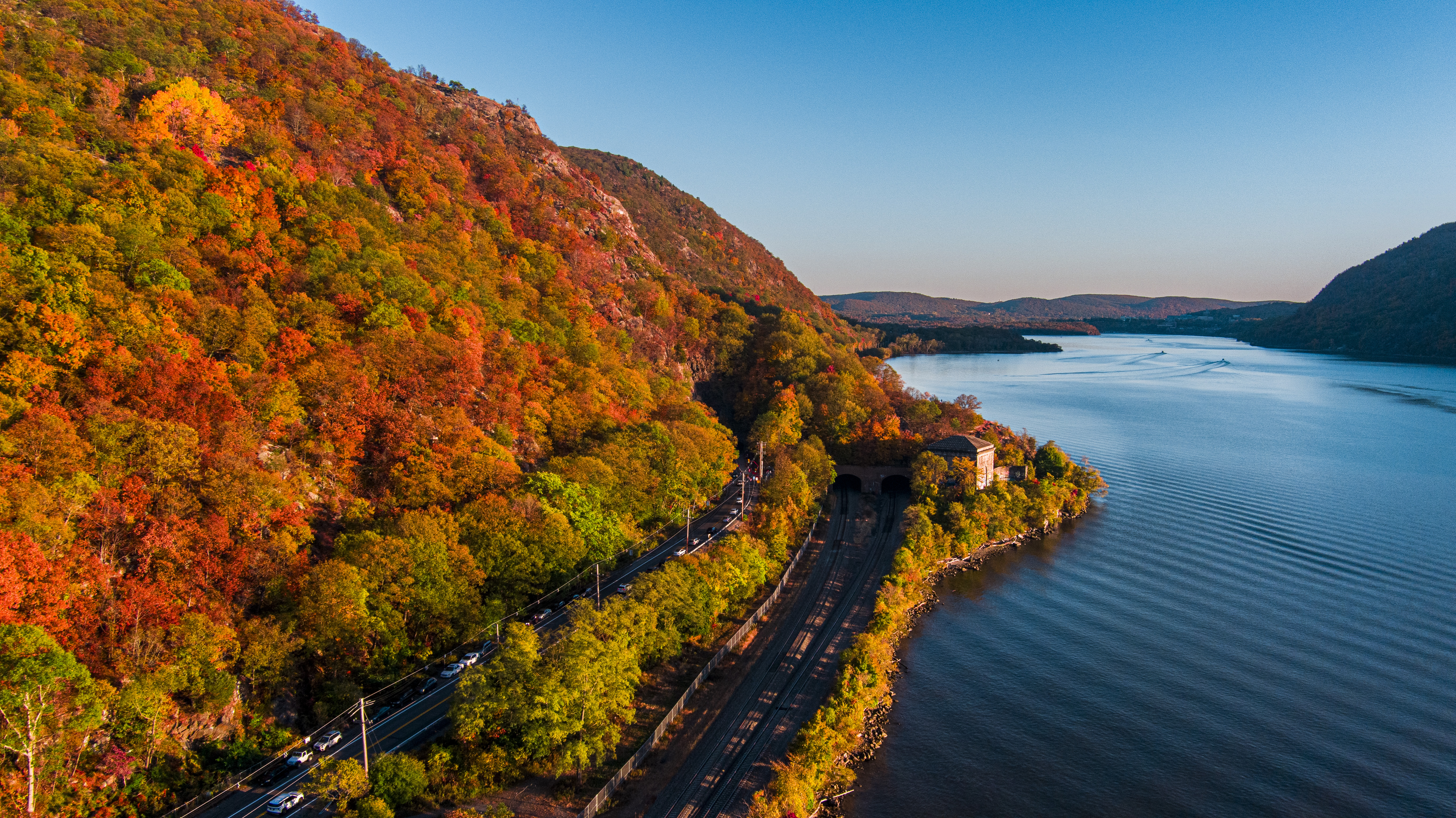
The primary active-duty Army base in Upstate New York is Fort Drum, located in Jefferson County near Watertown. It is the home of the 10th Mountain Division. Other significant Army installations in the region include the Watervliet Arsenal near Albany and Camp Smith, a major National Guard training site in the Hudson Valley.
Upstate New York serves as a strategic corridor for the United States Army, hosting a blend of active-duty combat units, high-tech manufacturing facilities, and premier officer training grounds. While the term "Upstate" is often debated by locals, for the purposes of military infrastructure, it encompasses the North Country, the Capital Region, and the Hudson Highlands. These installations are not merely fenced-off tracts of land; they are massive economic engines and vital components of national defense that have evolved significantly by 2026 to meet modern geopolitical challenges.
Fort Drum: The Crown Jewel of the North Country
Fort Drum is the most prominent Army installation in the Northeast. Spanning over 107,000 acres in Jefferson and Lewis Counties, it serves as the home of the 10th Mountain Division (Light Infantry). This division is one of the most deployed units in the U.S. Army, and Fort Drum’s unique climate and terrain provide an essential training ground for cold-weather operations and rapid deployment scenarios.
Mission and Training Capabilities
As of 2026, Fort Drum continues to utilize its vast acreage for multi-domain operations. The installation features dozens of small arms ranges, heavy weapons ranges, and sophisticated urban combat training sites. One of its most critical assets is the Wheeler-Sack Army Airfield (WSAAF). This airfield is capable of handling the largest aircraft in the military inventory, including C-5 Galaxy transports, allowing the 10th Mountain Division to mobilize and deploy globally on short notice.
The training environment at Fort Drum is notoriously rigorous. The "North Country" winters offer a natural laboratory for testing equipment and personnel in sub-zero temperatures and heavy snowfall. This environmental factor is a primary reason why the Army maintains such a large footprint in the region; soldiers who can operate in the Tug Hill Plateau’s lake-effect snow are better prepared for mountainous or arctic theaters worldwide.
Economic and Community Impact
Fort Drum is the largest employer in Northern New York. In 2026, the installation supports thousands of military personnel, their families, and civilian contractors. The economic ripple effect extends into the city of Watertown and surrounding towns like Evans Mills and Carthage. Unlike many bases that are "closed" communities, Fort Drum is deeply integrated with the local civilian population. A significant portion of the force lives in off-post housing, contributing to the local real estate market and attending local schools.
Watervliet Arsenal: The Nation’s Cannon Factory
Located just north of Albany, the Watervliet Arsenal is a unique Army installation. Founded in 1813 to support the War of 1812, it is the oldest continuously active arsenal in the United States. It is not a "base" in the sense of housing large combat divisions; rather, it is a high-tech manufacturing center under the command of the U.S. Army Materiel Command.
Manufacturing and Technical Excellence
The Watervliet Arsenal is often referred to as "the Big Gun Shop." It is the primary facility for the manufacture of large-caliber cannons, mortars, and recoilless rifles for the U.S. military. By 2026, the arsenal has undergone significant modernization to incorporate advanced metallurgy, 3D metal printing, and robotic machining processes. This ensures that the barrels for the M1 Abrams tanks and various towed and self-propelled howitzers meet the precision standards required for modern long-range fires.
The workforce here is predominantly civilian, consisting of highly skilled machinists, engineers, and scientists. The synergy between the arsenal and the Capital District’s growing "Tech Valley" has allowed the facility to remain at the cutting edge of defense manufacturing. It serves as a vital link in the Army’s organic industrial base, ensuring that the military does not rely solely on private contractors for critical weaponry components.
Camp Smith: The National Guard Training Hub
Situated in the Hudson Highlands near Peekskill, Camp Smith Training Site (CSTS) serves as the primary training facility for the New York Army National Guard. While it is smaller than Fort Drum, its proximity to New York City and the Hudson Valley makes it a strategic asset for state-coordinated emergency responses and reserve component readiness.
Training for the Citizen-Soldier
Camp Smith covers approximately 1,600 acres of rugged, mountainous terrain. It features modern firing ranges, a tactical training base, and a leadership development center. In 2026, it remains a focal point for the New York Guard and the New York Naval Militia, as well as federal agencies like the FBI and DEA, which utilize its specialized ranges for urban and rural tactical training.
Because the New York National Guard is frequently called upon for domestic missions—such as disaster relief, tunnel and bridge security, and health emergencies—Camp Smith serves as a mobilization and staging area. Its location allows for rapid transit into the New York City metropolitan area while providing enough isolation for live-fire exercises.
United States Military Academy at West Point
While West Point is technically an educational institution, it is a major Army installation located in the Hudson Valley. It is the oldest of the five American service academies and serves as the foundational training ground for the Army’s officer corps.
Institutional Role
West Point’s mission is to educate, train, and inspire the Corps of Cadets so that each graduate is a commissioned leader of character. The installation is a sprawling complex of Gothic-style granite buildings that function as both a university and a military post. In 2026, West Point remains one of the most prestigious academic institutions in the world, integrating traditional military instruction with advanced degrees in STEM and social sciences.
Public Access and Tourism
Unlike the high-security operational areas of Fort Drum, portions of West Point are accessible to the public via guided tours. The West Point Museum and the historic grounds are significant tourist attractions in Upstate New York, drawing visitors interested in American history and military tradition. However, as with all military installations, security protocols are strictly enforced, and visitors should check current access requirements before arriving.
Comparison of Army Installations in Upstate New York
The following table summarizes the primary functions and locations of the major Army presences across the Upstate region.
| Installation | Primary Location | Primary Mission | Major Units/Entities |
|---|---|---|---|
| Fort Drum | Watertown/Jefferson County | Active Duty Combat Readiness | 10th Mountain Division |
| Watervliet Arsenal | Watervliet (Near Albany) | Weapons Manufacturing | Army Materiel Command |
| Camp Smith | Peekskill (Hudson Valley) | National Guard Training | NY Army National Guard |
| West Point | West Point (Orange County) | Officer Education | U.S. Military Academy |
| Saratoga Springs | Saratoga Springs | Support & Administration | Naval Support Activity (Army components) |
Access Requirements and Visitor Procedures
Navigating access to an Army base in 2026 requires adherence to the REAL ID Act and specific Department of Defense (DoD) security protocols. Public access is generally restricted unless you are a military ID holder, a civilian employee, or a pre-cleared visitor.
Obtaining a Visitor Pass
For those needing to visit Fort Drum or the Watervliet Arsenal, the process typically begins at a Visitor Control Center (VCC) located near the main gate.
- Identification: You must present a valid REAL ID-compliant driver’s license or a passport.
- Background Check: All visitors are subject to a quick NCIC (National Crime Information Center) background check. Individuals with certain criminal records or active warrants will be denied entry.
- Vehicle Requirements: If driving on-post, you must provide proof of valid vehicle registration and current insurance. Vehicles are subject to random searches at any time.
- Sponsorship: In many cases, a "sponsor"—someone who is a permanent party on the installation—must vouch for your visit.
Civilian Employment Opportunities
Many residents of Upstate New York work on these bases in civilian capacities. Positions range from administrative roles and food service to high-level engineering and logistics. Employment is usually managed through the USAJOBS portal, which is the official site for federal jobs. These roles offer federal benefits and are a significant part of the regional economy in both the North Country and the Capital District.
Living Near Upstate New York Army Bases
The geography of Upstate New York offers a diverse range of living environments for military families and civilian employees.
- The North Country (Fort Drum): This area is characterized by rural landscapes, outdoor recreation (fishing, hunting, and skiing), and a lower cost of living compared to the rest of the state. The proximity to the Thousand Islands and Lake Ontario is a major draw for residents.
- The Capital Region (Watervliet): Living near Albany offers more suburban and urban amenities. The area is known for its historical sites, educational institutions, and a robust job market in the technology and healthcare sectors.
- The Hudson Valley (Camp Smith/West Point): This is one of the most scenic regions in the country. However, the cost of living is significantly higher here than in the North Country. Residents benefit from easy rail access to New York City and a high concentration of cultural landmarks.
Frequently Asked Questions
Can the general public visit Fort Drum?
The general public can visit Fort Drum, but they must go through a security screening at the Visitor Control Center. While there are some public-facing events (like Mountainfest), routine access requires a valid reason or a military sponsor. Recreational access for hunting or fishing on-post is often available but requires a specific Fort Drum recreational permit and adherence to strict safety regulations.
Is West Point considered part of Upstate New York?
Geographically, West Point is in the Hudson Valley, about 50 miles north of New York City. While "Downstate" residents might consider it "Upstate," many people in the North Country view the Hudson Valley as a separate region. In military and state administrative terms, it is frequently grouped with Upstate installations due to its location outside the five boroughs of NYC.
What is the oldest Army base in New York?
The Watervliet Arsenal is the oldest continuously active Army installation in the state, having been established in 1813. West Point is older as a military site (fortified in 1778), but its role as the Military Academy began in 1802.
Do soldiers at Fort Drum receive special cold-weather pay?
Soldiers at Fort Drum do not receive a specific "cold-weather" bonus. However, they are issued specialized Extended Cold Weather Clothing System (ECWCS) gear. The expertise gained in this climate often qualifies units for specialized training exercises and deployments that may involve hazardous duty pay, though that is dependent on the mission, not the home base.
How does the REAL ID Act affect base access?
By 2026, the REAL ID Act is fully enforced. Standard driver’s licenses from states that do not meet these federal security standards will not be accepted at the gate. Visitors without a REAL ID must provide an alternative form of acceptable identification, such as a U.S. passport or a permanent resident card.
Final Recommendations for Visitors and New Arrivals
If you are planning to relocate to or visit an Army base in Upstate New York, your first action should be to verify the current security posture of the installation. Security levels (FPCON) can change based on global events, which may temporarily suspend visitor passes or increase gate wait times.
For those moving to Fort Drum, prioritize finding housing that accounts for the heavy snowfall of the Tug Hill region; ensure your vehicle is equipped with high-quality winter tires and that you are familiar with winter survival protocols. For those heading to the Watervliet Arsenal or West Point, focus on the logistics of the Hudson Valley/Capital Region traffic and the higher cost of living. Regardless of the specific installation, the Army’s presence in Upstate New York offers a unique blend of historical significance and modern military necessity.