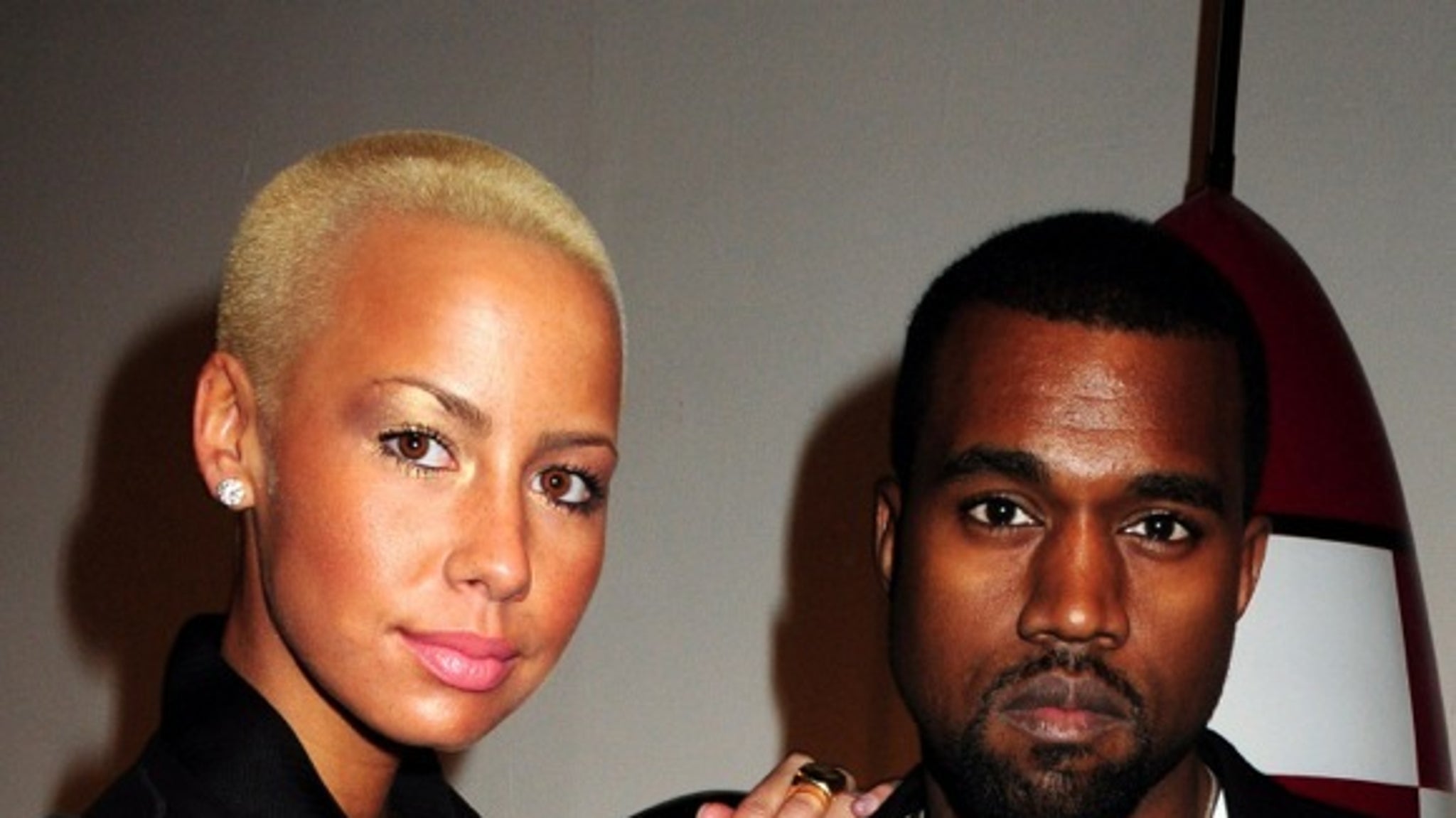
The Amber Rose tweet directed at Kanye West on January 27, 2016, remains one of the most significant cultural flashpoints in the history of social media. It shifted the power dynamics of celebrity feuds by using radical transparency to dismantle hyper-masculine posturing, sparking a global conversation about privacy, slut-shaming, and the boundaries of public discourse.
The Genesis of the Conflict: Waves, Wiz, and Misunderstandings
To understand why the Amber Rose tweet resonated so deeply within public discourse, one must first examine the chaotic environment of early 2016. The conflict did not begin with Rose; it began as a misunderstanding between Kanye West and Wiz Khalifa. West had announced that his upcoming album (eventually titled The Life of Pablo) would be named Waves. Wiz Khalifa, a proponent of the "wavy" movement pioneered by Max B, took offense, suggesting West was "biting" the style.
The tension escalated when Khalifa tweeted "Hit this kk and become yourself," referring to his own strain of marijuana, "Khalifa Kush." West, misinterpreting "kk" as a reference to his wife, Kim Kardashian, launched into an extensive, numbered Twitter rant. In this tirade, West made several derogatory comments about Khalifa’s music and, crucially, his personal life. He specifically mentioned Amber Rose—who had dated West from 2008 to 2010 and was the mother of Khalifa’s son, Sebastian—claiming that Khalifa had been "trapped" by a "stripper."
By involving a woman and a child who were not part of the initial musical dispute, West crossed an unwritten line in celebrity etiquette. This set the stage for one of the most effective "clapbacks" in digital history.
The Anatomy of the Tweet: Deconstructing the "Clapback"
Amber Rose’s response was brief, graphic, and devastatingly effective. She tweeted: "Awww @kanyewest are u mad I'm not around to play with ur asshole anymore? #FingerInTheBootyAssBitch #GoldDiggersEx."
From a linguistic and social perspective, this tweet functioned on multiple levels:
- The Subversion of Masculinity: By alleging a specific, non-traditional sexual preference, Rose targeted the hyper-masculine "tough guy" persona West was projecting during his rant. In the context of hip-hop culture in 2016, this was a calculated strike against the heteronormative standards West often reinforced.
- Radical Transparency: Unlike West’s vague insults, Rose’s tweet felt like a "receipt." It implied an intimate knowledge of his private life, effectively stripping away the curated veneer of his public image.
- Efficiency: While West spent dozens of tweets attempting to dominate the narrative, Rose ended the conversation with a single sentence and two hashtags.
The tweet immediately went viral, garnering hundreds of thousands of retweets within hours. It effectively ended West’s rant; he deleted his previous tweets shortly thereafter, signaling a rare retreat for the artist.
Public Discourse and the Evolution of "Slut-Shaming"
A major reason this moment is studied in the context of public discourse is its intersection with the "SlutWalk" movement, which Rose had become a face of. West’s initial insult—referring to Rose as a "stripper" and suggesting she "trapped" Khalifa—was a textbook example of slut-shaming. It reduced a successful entrepreneur and mother to her past profession to invalidate her and the man she was currently with.
Rose’s response turned the tables. By being "cruder" than the man who insulted her, she refused to play the role of the silent victim. This sparked a broader debate in 2016 and beyond: Is it possible to fight fire with fire? Critics argued that Rose was using "kink-shaming" to combat "slut-shaming," while supporters argued that she was simply using the only tools available to a woman being publicly bullied by a much more powerful man.
As we look back from 2026, this moment is seen as a precursor to the modern "accountability culture." It showed that the traditional weapons used against women in the media—shaming them for their sexuality—could be neutralized if the woman refused to be ashamed.
The Role of Twitter in 2016 vs. 2026
The medium was as important as the message. In 2016, Twitter (now X) was the primary "town square" for celebrity culture. Unlike the more polished, visual-heavy nature of Instagram or the algorithmically driven TikTok of the 2020s, 2016 Twitter was raw and immediate.
The Amber Rose tweet was a "moment" because it happened in real-time. The public didn't wait for a press release; they watched the feud unfold like a live play. This changed how public relations (PR) firms handled crises. Before this event, a celebrity might wait days to respond to a rumor. After 2016, the "Twitter clapback" became a standard tool for reputation management, though few have ever reached the surgical precision of Rose’s 2016 post.
| Aspect of Discourse | Kanye West's Approach | Amber Rose's Approach | Impact on Public Discourse |
|---|---|---|---|
| Strategy | Quantity/Overwhelming Force | Precision/Targeted Strike | Established the "Quality over Quantity" rule in PR. |
| Theme | Traditional Patriarchy/Shaming | Radical Transparency/Subversion | Challenged the effectiveness of slut-shaming. |
| Outcome | Deleted Tweets/Public Retreat | Viral "Win"/Brand Strengthening | Highlighted the power of the "receipt" in digital feuds. |
| Lasting Legacy | Seen as an erratic outburst | Seen as a pivotal feminist "clapback" | Normalized the discussion of sexual boundaries in public. |
The Psychological Impact: Celebrity Ego and Public Vulnerability
Public discourse isn't just about what is said; it’s about what the audience perceives. Kanye West’s 2016 outburst was a symptom of what many analyzed as a growing disconnect between his internal self-perception and public reality. By bringing Rose into a fight she didn't start, West displayed a vulnerability disguised as aggression.
Rose, conversely, displayed a form of "armor." By being willing to say the "unsayable," she proved she had nothing to lose. This psychological dynamic is a cornerstone of how public discourse functions today in 2026. The person who is less afraid of public perception often controls the narrative. This event taught a generation of internet users that the most effective way to deal with a bully is to demystify them.
The Aftermath and Long-term Cultural Ripple Effects
The ripple effects of this tweet were felt for years. Shortly after the incident, a surprising image surfaced: Amber Rose and Kim Kardashian taking a selfie together. This "peace summit" was another significant moment in public discourse. It signaled that the women involved were refusing to be the pawns in a male-driven feud.
Furthermore, the tweet forced a conversation about "kink-shaming." While Rose won the initial battle, the 2020s brought a more nuanced view of her response. Was it right to use someone's alleged private sexual preferences as a weapon? This debate helped refine the boundaries of what is considered "fair game" in public disputes. By 2026, the consensus among cultural critics is that while Rose's tactics were aggressive, they were a necessary reaction to the systemic shaming she faced.
The Technical Evolution of the "Viral Moment"
From a technical SEO and digital marketing perspective, the Amber Rose tweet is a masterclass in organic reach. It didn't rely on hashtags (other than the ones she created) or paid promotion. It relied on:
- High Engagement Probability: The content was "shocking" enough to trigger immediate sharing.
- Entity Association: It linked three of the most searched names of the era (Kanye, Wiz, Amber).
- Narrative Closure: It provided a satisfying "end" to a confusing and annoying rant, which the public was eager to see resolved.
Frequently Asked Questions
Why did Amber Rose tweet about Kanye West in 2016?
Amber Rose responded to Kanye West after he insulted her during a Twitter feud with Wiz Khalifa. West had called her a "stripper" and claimed she "trapped" Khalifa, leading Rose to defend herself by exposing a private detail about West's alleged sexual preferences.
What was the impact of the tweet on Kanye West’s career?
While it didn't end his career, it was a significant PR blow. It forced West to delete his tweets and later issue a clarification (and denial). It is often cited as the moment West lost his "invincibility" in digital arguments.
Did Amber Rose and Kim Kardashian ever reconcile?
Yes. Shortly after the tweet went viral, Rose and Kardashian met and posted a selfie together. This was seen as an effort to de-escalate the drama and present a united front against the "women fighting over a man" narrative that the media was pushing.
Is the tweet still visible today?
The original tweet remains a part of digital archives and screenshots, though social media platforms have changed significantly since 2016. It is frequently referenced in retrospectives about the "Golden Age" of celebrity Twitter.
How did this moment influence the Amber Rose SlutWalk?
The incident provided a massive platform for Rose to discuss her SlutWalk initiative. She used the attention from the feud to highlight how men use a woman's past or her body to silence her, turning a "petty" feud into a conversation about women's rights and bodily autonomy.
Navigating Modern Discourse: Lessons from the Past
As we navigate the digital landscape of 2026, the lessons of the Amber Rose vs. Kanye West feud remain relevant. The primary takeaway is the importance of narrative agency. In a world where anyone can say anything about you, the ability to control your own story—even through controversial means—is a powerful tool.
For public figures and everyday users alike, this moment serves as a reminder that public discourse is rarely about the facts of a situation and more about the power dynamics at play. When a person attempts to use your identity as a weapon against you, reclaiming that identity—no matter how "messy" the process—can be a form of digital liberation.
The 2016 tweet was not just a piece of celebrity gossip; it was a shift in how we communicate. It demanded that we look at the double standards applied to men and women in the public eye and questioned the limits of what we are allowed to say in the digital town square. Whether you viewed it as a brilliant defense or a crude insult, there is no denying that Amber Rose changed the rules of the game that day.