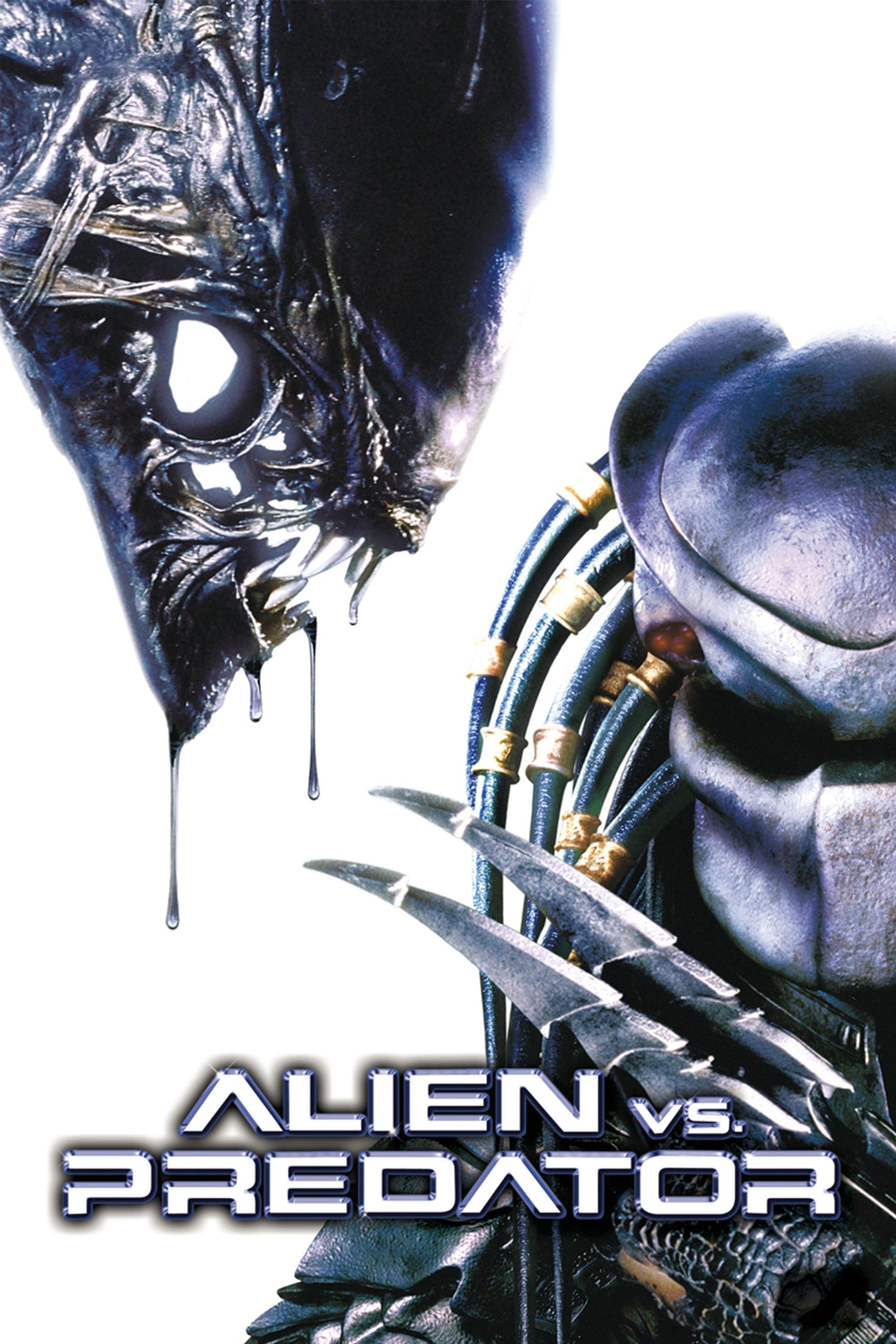
For fans looking to experience the expansive Xenomorph and Yautja universe, the most logical way to watch these films is by separating the core Alien timeline, the distinct Predator timeline, and the crossover Alien vs. Predator spin-offs. Whether you follow the release order to appreciate the evolution of special effects or the chronological order for narrative cohesion, these films offer a complex exploration of science fiction horror and action.
Understanding the Franchise Structure
The Alien and Predator cinematic universe is not a single linear story, but rather a collection of interconnected intellectual properties owned by 20th Century Studios. To watch these films effectively, you must understand that the Alien franchise focuses on the evolution of the Xenomorph organism and the synthetic androids that guard humanity’s future, while the Predator franchise focuses on the Yautja, an alien race of hunters who view Earth as a tactical proving ground.
The crossover films—Alien vs. Predator (2004) and Aliens vs. Predator: Requiem (2007)—occupy a unique space. While they feature both creatures, their narrative status is often debated by purists. Most fans treat the crossovers as a secondary continuity that does not strictly dictate the canon of the primary Ridley Scott-led Alien films or the original Predator films.
The Alien Timeline: Chronological Order
If you wish to view the Alien saga as a continuous history of the galaxy’s most dangerous organism, start with the prequel films. These entries provide the philosophical and biological origins of the Xenomorph, shifting from cosmic mystery to high-concept sci-fi.
- Prometheus (2012): Set in 2093, this film explores the origins of humanity and introduces the Engineers, the precursors to the biological horrors seen later.
- Alien: Covenant (2017): Taking place in 2104, this film serves as the direct sequel to Prometheus, detailing how the android David 8 synthesized the Xenomorph.
- Alien (1979): Set in 2122, this is the original classic that introduces Ellen Ripley and the crew of the Nostromo to the terrifying reality of the creature.
- Alien: Romulus (2024): Set between the events of Alien and Aliens, this film returns to the claustrophobic horror roots of the original 1979 installment.
- Aliens (1986): Set in 2179, James Cameron’s action-heavy sequel expands the lore by introducing the Xenomorph Queen and the Colonial Marines.
- Alien 3 (1992): Immediately following Aliens, this film explores the fallout of the crash on the prison planet Fiorina 161.
- Alien Resurrection (1997): Set in 2381, this film features a cloned version of Ripley and explores the genetic manipulation of the species centuries after her death.
The Predator Timeline: Chronological Order
The Predator series operates with a more grounded, militaristic tone. While the timeline is less dense than the Alien series, each film adds layers to the culture and technology of the Yautja hunters.
- Prey (2022): Set in the Northern Great Plains in 1719, this film depicts the earliest known encounter between a Comanche warrior and a Predator.
- Predator (1987): Set in the modern day, this film remains the definitive introduction to the species as they hunt an elite special forces team in the jungle.
- Predator 2 (1990): Set in 1997, the action shifts to an urban environment in Los Angeles, showing that Predators have been visiting Earth for decades.
- Predators (2010): This film features humans abducted and dropped onto an alien game preserve planet, highlighting the Predators' sophisticated methods of "sport."
- The Predator (2018): This installment explores the genetic hybridization of the Yautja and their ongoing interest in Earth’s environment.
Comparison Table: Viewing Approaches
Choosing between release order and chronological order changes the viewing experience significantly. Use this table to decide which path suits your goals as a viewer.
| Approach | Benefits | Challenges | Best For |
|---|---|---|---|
| Release Order | Experience technical evolution and directorial styles. | Narrative jumps; lore feels disjointed. | Long-time fans and film historians. |
| Chronological | Consistent thematic and narrative flow. | Sudden shifts in visual effects and tone. | First-time viewers seeking a "history." |
| Thematic Split | Allows focused immersion in either series. | Requires skipping crossovers or setting them aside. | Fans of specific genres (Sci-Fi vs. Action). |
The Crossover Complication: Alien vs. Predator
The Alien vs. Predator (AVP) films are often a point of contention for series purists. If you are watching for the "complete" experience, place these films after your Predator viewing but before the events of Alien.
- Alien vs. Predator (2004): Set in 2004, this film posits that Predators were responsible for teaching ancient civilizations how to build pyramids, which served as hunting grounds.
- Aliens vs. Predator: Requiem (2007): Set immediately after the first crossover, this film brings the conflict to a small town in Colorado.
Because these films reference the Weyland Corporation (the central antagonist of the Alien series), they are technically grounded in the same reality. However, due to tonal differences, many fans prefer to view these as a "side-quest" rather than essential viewing for the core Xenomorph or Yautja narratives.
Technical and Thematic Considerations
When watching these films, you will notice a distinct divide in the "why" behind the horror. In the Alien films, the Xenomorph is a force of nature—a biological weapon that represents the hubris of humanity. The horror is derived from isolation, body horror, and the cold indifference of space.
Conversely, the Predator films function as action-thrillers. The Yautja are sentient, honorable, and possess a strict code of conduct. The horror is derived from the "invader" trope, where highly advanced technology is pitted against human ingenuity and survival instincts. Understanding this distinction is essential to appreciating why the films feel so different, despite their shared universe status.
Common Pitfalls for New Viewers
- Confusing Timelines: Many viewers attempt to integrate Prometheus and Alien: Covenant into the Predator timeline. While there are Easter eggs (such as a Predator weapon appearing in a trophy case), the narratives are distinct. Focus on one entity at a time.
- Ignoring Director Styles: The Alien franchise is heavily influenced by the visual signatures of directors like Ridley Scott, James Cameron, and David Fincher. Be prepared for the tone to shift from tense horror to high-octane war movie and back again.
- The "Non-Canon" Trap: Don't let arguments over "canon" ruin your enjoyment. Because both franchises have spanned decades and multiple creative teams, certain retcons are inevitable. Watch for the experience and the spectacle rather than trying to reconcile every single plot point across forty years of cinema.
Frequently Asked Questions
Which movie should I start with if I want the best introduction? For the Alien series, start with the 1979 original. It sets the foundation for the design, the creature's life cycle, and the atmospheric dread that defines the series. For Predator, start with the 1987 original, as it establishes the rules of the hunt that are referenced in every subsequent film.
Do I need to see the Alien movies to understand Predator? No. Aside from the two crossover films, the Predator movies operate entirely independently of the Xenomorph story. You can enjoy the entire Predator saga without knowing anything about Ellen Ripley or the Weyland-Yutani Corporation.
Why are there so many different directors for these films? Both franchises are examples of "director-driven" sequels. Studios have historically hired distinct visionaries to put their own stamp on the material, which is why Aliens feels like a war movie (Cameron) while Alien 3 feels like a bleak existentialist drama (Fincher).
Are there any short films or canon side-stories? There are various promotional short films released by 20th Century Studios over the years, as well as comic books and novels. While these offer deep lore, the core films serve as the primary source for the franchise's story. If you are a casual fan, stick to the main film entries to keep your viewing experience streamlined.
Final Recommendation
For the most rewarding experience, begin with the Alien film series in release order to appreciate the visual effects progression, then transition to the Predator films. Save the Alien vs. Predator crossovers for after you have finished both original series, treating them as a fun, self-contained experiment rather than a bridge between the two core sagas. This approach ensures you experience the artistic intent of each director while building a clear understanding of both iconic monster species.