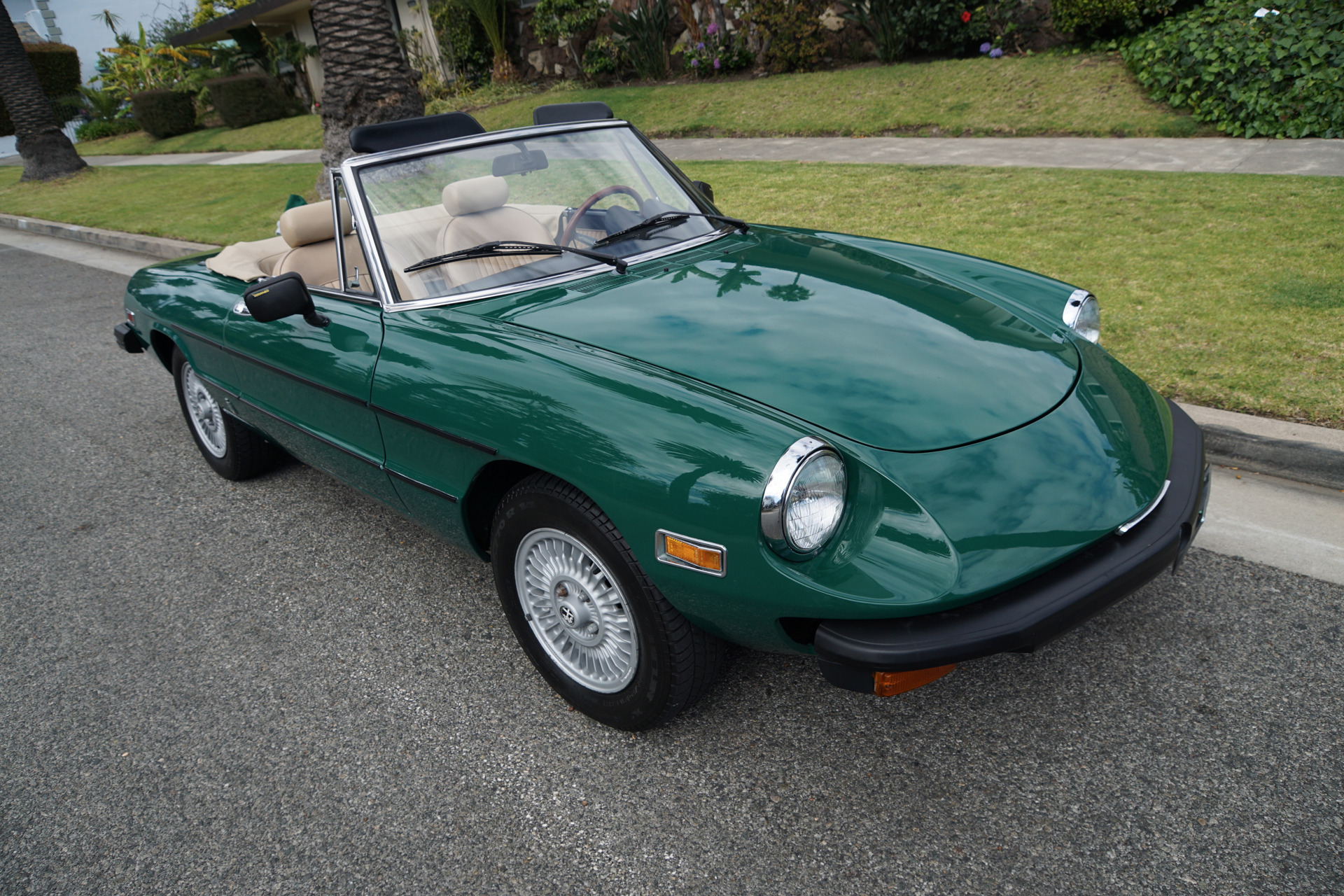
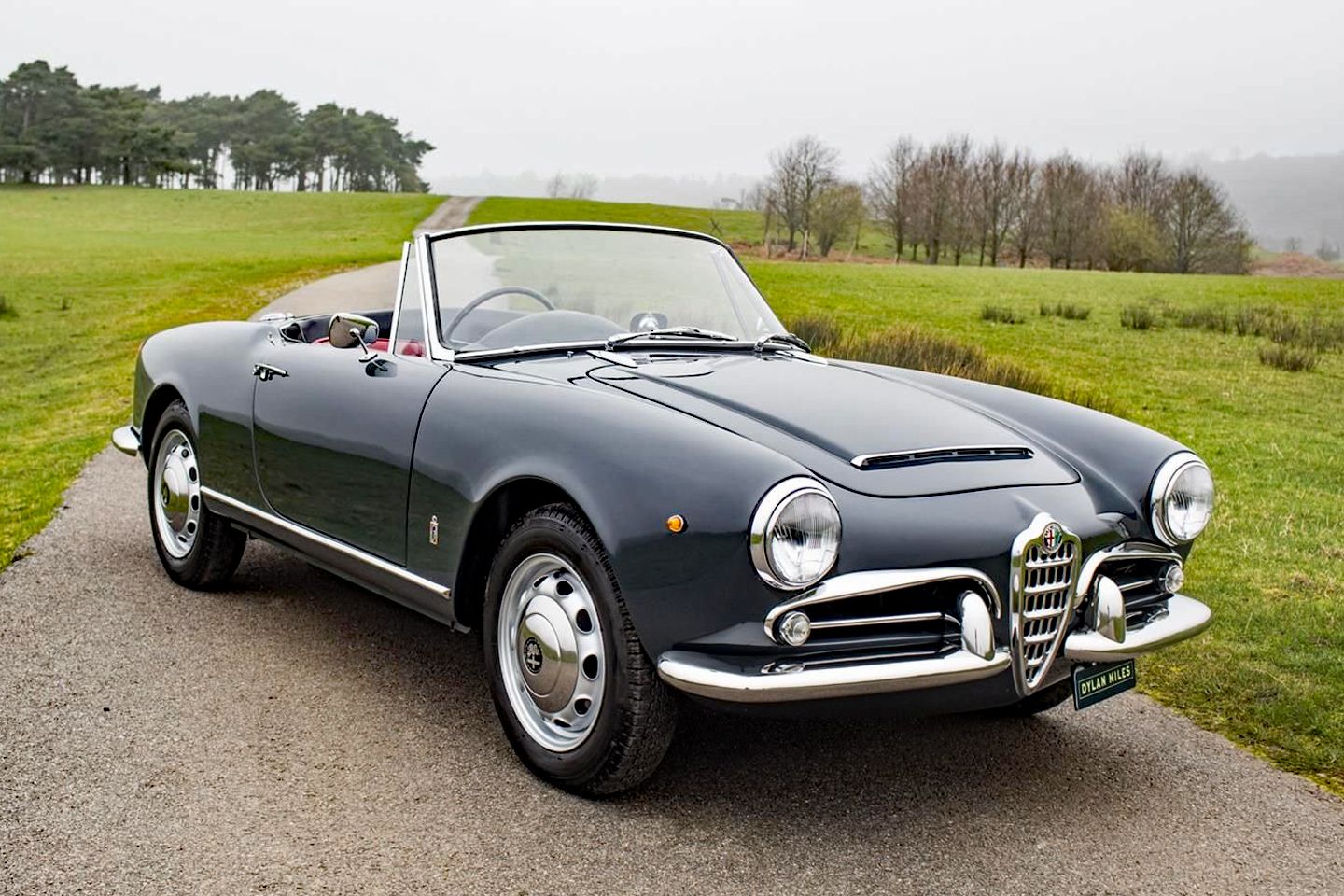
An Alfa Romeo vintage convertible, primarily represented by the iconic Spider produced between 1966 and 1994, is a classic open-top sports car celebrated for its Pininfarina styling and twin-cam engine. Owning one requires a commitment to specialized maintenance, rust prevention, and an appreciation for mechanical engagement over modern electronic aids.
For many enthusiasts, the term "Alfa Romeo vintage convertible" evokes images of the 1960s Italian Riviera, a testament to the brand's long-standing focus on "La Meccanica delle Emozioni" (the mechanics of emotion). While Alfa Romeo has produced various open-top cars throughout its century-long history, the market most frequently focuses on the 105/115 series Spider and its predecessors, the Giulietta and Giulia Spiders. In 2026, these vehicles have transitioned from affordable secondhand roadsters into established blue-chip classics and highly sought-after "youngtimers."
Defining the Alfa Romeo Vintage Convertible
When searching for a vintage Alfa Romeo convertible, it is essential to distinguish between the different eras of production. The term "Spider" is the Italian designation for a two-seat roadster, and while many manufacturers use it, Alfa Romeo has arguably made it their own.
The lineage begins in earnest with the post-war Giulietta Spider (750/101 Series), introduced in the mid-1950s. This car set the template: a lightweight unibody construction, a sophisticated dual-overhead-cam (DOHC) engine, and styling by Pininfarina. However, the most ubiquitous vintage convertible is the 105/115 Series Spider, which enjoyed a staggering 28-year production run.
In 2026, the distinction between a "vintage" and "modern" Alfa Romeo is generally drawn at the end of the Spider production in 1994. Although the 916-generation Spider (produced from 1995 onwards) is now over 30 years old, it is often categorized as a modern classic due to its front-wheel-drive layout, departing from the traditional rear-wheel-drive architecture that defines the true vintage experience.
The Evolution of the 105/115 Series Spider (1966–1994)
The 105/115 series is the backbone of the Alfa Romeo vintage convertible market. To understand which model suits your needs, you must recognize the four distinct "Series" produced over three decades.
Series 1: The "Duetto" (1966–1969)
Commonly known as the "Osso di Seppia" (Cuttlefish Bone) or "Round Tail," the Series 1 is the most aesthetically prized by collectors. It became a cultural icon after appearing in the 1967 film The Graduate. These cars feature a long, tapering rear end and are powered by either a 1600cc or 1750cc engine. In 2026, these are the most expensive variants, often commanding six-figure prices for concours-quality examples.
Series 2: The "Kamm Tail" (1970–1982)
In response to aerodynamic trends and luggage space requirements, Alfa Romeo modified the rear end to a "Coda Tronca" or "Kamm Tail"—a flat, vertical cut-off. This series saw the introduction of the 2000cc engine, which provided more torque and usability. These models strike a balance between the classic 1960s interior aesthetics and improved mechanical reliability.
Series 3: The "Aerodinamica" (1983–1989)
This era is defined by the addition of black rubber spoilers on the trunk and integrated front air dams, reflecting the design trends of the 1980s. While purists once shunned the "rubber bumper" look, the Series 3 is now appreciated for its relative affordability and the introduction of Bosch electronic fuel injection in the North American market (replacing the complex mechanical Spica system).
Series 4: The Final Evolution (1990–1994)
The Series 4 saw a return to cleaner lines, with Pininfarina removing the heavy plastic cladding of the 1980s. These cars feature integrated body-color bumpers, full-width rear light bars, and modern conveniences like power steering and air conditioning. As of 2026, the Series 4 is considered the most "livable" vintage convertible for those who want a classic experience with fewer mechanical headaches.
The Giulietta and Giulia Spider (1955–1965)
Before the 105 series captivated the world, the 750 and 101 series Giulietta and Giulia Spiders established Alfa Romeo as a premier manufacturer of small-displacement sports cars.
The Giulietta Spider utilized a 1300cc all-aluminum twin-cam engine. Despite its small displacement, the engine was high-revving and sophisticated for its time. In 1962, the car was updated with a 1600cc engine and renamed the Giulia Spider. These cars are characterized by their smaller dimensions, more delicate chrome trim, and a strictly 1950s driving feel. They are significantly rarer than the later Spiders and are almost exclusively found in private collections or high-end auctions.
Technical Specifications and Performance
The "heart" of any vintage Alfa Romeo is the Alfa Romeo Twin Cam engine. Designed by Giuseppe Busso, this engine was revolutionary for using hemispherical combustion chambers and two overhead camshafts at a time when most competitors were still using overhead valves or side-valves.
| Feature | Giulietta Spider (101) | Spider Veloce (Series 2) | Spider Veloce (Series 4) |
|---|---|---|---|
| Engine Type | 1.3L Inline-4 DOHC | 2.0L Inline-4 DOHC | 2.0L Inline-4 DOHC |
| Fuel System | Single/Dual Carbs | Spica Mech. Injection / Dual Carbs | Bosch Motronic EFI |
| Horsepower | ~80 hp | ~130 hp (Euro) | ~120 hp |
| Transmission | 4-Speed Manual | 5-Speed Manual | 5-Speed Manual |
| Braking | Drum Brakes (Early) | 4-Wheel Disc Brakes | 4-Wheel Disc Brakes |
| Estimated 2026 Value | $85,000 - $130,000 | $35,000 - $65,000 | $30,000 - $55,000 |
Note: Values are estimates for "Condition 2" (Excellent) vehicles and vary significantly based on provenance and restoration quality.
The 5-speed manual gearbox used in the 105/115 series was also ahead of its time, though it is famous for weak second-gear synchronizers. Drivers must often learn the "Alfa shift"—a patient, deliberate movement from first to second—to avoid grinding gears when the oil is cold.
The Buying Guide: What to Inspect
Purchasing a vintage Alfa Romeo convertible is an exercise in "buying the best body you can find." While the mechanical components are robust and infinitely rebuildable, the unibody structure is notoriously prone to corrosion.
1. Structural Rust (The "Alfarust" Factor)
The most critical areas to inspect are the rocker panels (sills). The Spider uses a three-piece sill construction; if the inner, middle, or outer sills are rusted, the car loses its structural integrity. Look for "sagging" doors—if the gap between the door and the body is uneven, the chassis may be flexing due to rust. Other critical spots include:
- Floor pans (check under the carpets).
- Front and rear jacking points.
- The "spare tire well" in the trunk.
- Lower front fenders behind the wheels.
2. The Spica Fuel Injection System
For US-market cars produced between 1969 and 1981, the Spica mechanical fuel injection pump is a masterpiece of engineering but requires specialized knowledge to tune. Many owners replaced these with Weber carburetors for simplicity, but a well-tuned Spica system offers better cold-start performance and smoother power delivery. In 2026, a car with an intact, functional Spica system often carries a premium among collectors who value originality.
3. Interior and Convertible Top
Check the dashboard for cracks, as replacements are expensive and labor-intensive to install. The convertible top mechanism is simple, but the condition of the rear plastic window and the "header rail" (where the top meets the windshield) is vital. A leaking top doesn't just make the driver wet; it leads to the aforementioned floor pan rust.
Maintenance and Ownership in 2026
Contrary to the stereotype of Italian unreliability, a vintage Alfa Romeo is remarkably dependable if driven regularly. These cars do not respond well to sitting idle. Seals dry out, and fuel systems gum up.
Parts Availability
One of the greatest advantages of owning a vintage Alfa Romeo Spider is the robust aftermarket support. Companies like Classic Alfa and Alfaholics produce almost every part necessary to keep these cars on the road, from engine internals to exact-match upholstery. This availability makes them much easier to own than contemporary Maseratis or even some Fiats.
Expert Care
Unless you are a capable home mechanic, you will need to find a specialist familiar with the "Nord" engine. Standard modern repair shops often lack the tools to adjust the valves (which require shims) or the knowledge to balance dual Weber carburetors. The Alfa Romeo Owners Club (AROC) is an invaluable resource for finding local specialists and verified parts suppliers.
Comparison: Alfa Romeo Spider vs. Its Rivals
In the vintage market, the Alfa Romeo Spider often competes with the MG B, the Triumph TR6, and the Fiat 124 Spider.
- vs. MG B/Triumph: The Alfa Romeo is technically superior, offering a twin-cam engine and a 5-speed gearbox when most British rivals used pushrod engines and 4-speed units. The Alfa feels more "sophisticated" and "rev-happy," whereas the British cars feel more "agricultural" and "torquey."
- vs. Fiat 124 Spider: Both are Italian, designed by Pininfarina, and use twin-cam engines. However, the Alfa Romeo is generally considered to have a more rigid chassis and a higher "prestige" factor, though the Fiat is often more affordable.
FAQ
Is a vintage Alfa Romeo Spider a good investment in 2026?
While "investment" is subjective, the market for Series 1 and Series 2 Spiders has shown consistent growth. In 2026, the scarcity of rust-free examples continues to drive prices upward. However, maintenance costs will likely offset any financial gains unless the car is a rare "Veloce" or "Duetto" model kept in concours condition.
Can I daily drive a vintage Alfa Romeo convertible?
While possible, especially with a Series 4 model, it is not recommended for most. These cars lack modern safety features like crumple zones, airbags (except for very late models), and ABS. Furthermore, exposure to rain and road salt will quickly accelerate corrosion. They are best enjoyed as weekend vehicles.
How do I identify a "Veloce" model?
The "Veloce" (Fast) trim was the higher performance and luxury specification. On Series 2 and 3 models, it usually included alloy wheels, power windows (in later years), and more refined interior materials compared to the base "Graduate" or "Junior" trims. Always verify the VIN (Vehicle Identification Number) to ensure the car is a true Veloce and not a re-badged base model.
Why does my Alfa Romeo grind when shifting into second gear?
This is a common issue caused by worn synchronizers in the gearbox. The 105-series transmission was designed in the early 1960s. To manage this, many owners use a high-quality synthetic gear oil (like Redline 75W90 NS) and employ the "double-clutch" technique or simply wait for the engine RPMs to drop before engaging second gear.
Final Recommendations for Potential Buyers
If you are entering the world of vintage Alfa Romeo convertibles in 2026, the Series 4 Spider (1990–1994) is the recommended starting point for most enthusiasts. It offers the classic Italian aesthetic and the glorious Twin Cam sound but includes the reliability of Bosch Motronic fuel injection and better rust protection from the factory.
For the serious collector, the 1750 Spider Veloce (Series 1 or Early Series 2) remains the "holy grail" of the 105 series due to its engine's perfect balance of torque and rev-ability. Regardless of which model you choose, always prioritize a pre-purchase inspection (PPI) by a qualified Alfa Romeo specialist. A cheap Alfa Romeo is often the most expensive car you will ever buy; paying a premium for a documented, rust-free example is the most cost-effective path to enjoying the wind-in-the-hair experience of Italian motoring history.