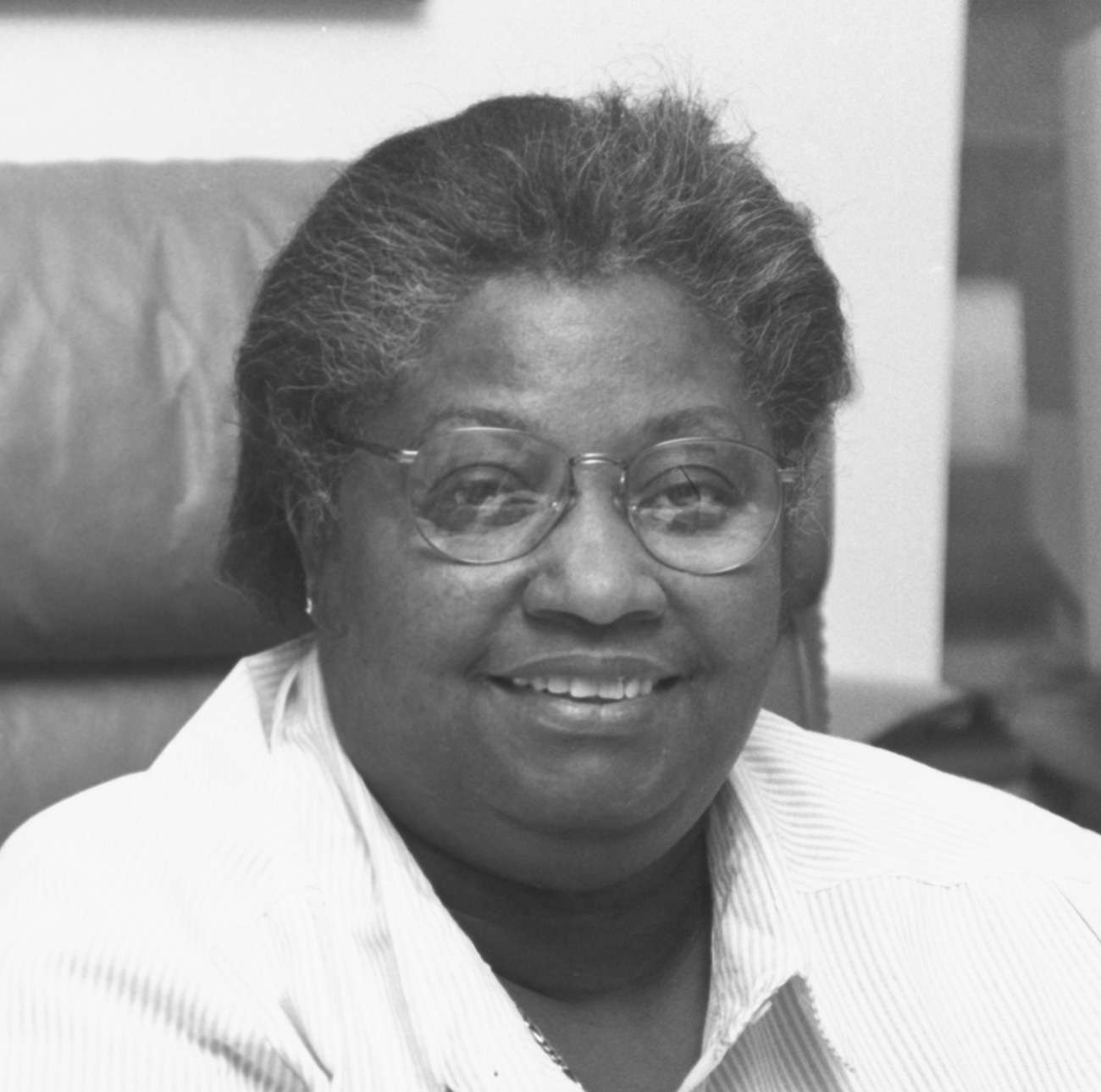
Dr. Alexa Irene Canady transitioned from a historic career as the first African American woman neurosurgeon in the United States to a powerful force in medical philanthropy and advocacy. Her journey reflects a lifelong commitment to bridging healthcare disparities, mentoring future surgeons, and ensuring that pediatric patients receive compassionate, high-quality care.
The Foundation of a Pioneer: Early Life and Education
Dr. Alexa Canady’s journey did not begin in a vacuum of individual ambition; it was rooted in a family culture that prioritized education and civic duty. Born in 1950 in Lansing, Michigan, Canady was raised by parents who were deeply influential in their own right. Her father was a dentist, and her mother was a prominent educator and the first African American elected to the Lansing Board of Education. This environment instilled in her the belief that excellence was expected and that service to the community was a moral obligation.
Canady attended the University of Michigan, where she initially faced the common struggles of a young student finding her path. She originally majored in mathematics but shifted her focus to medicine after participating in a summer health careers program for minority students. This pivot was not merely a change in academic interest but a response to a realization: she could use her analytical mind to solve tangible human problems.
In 1975, Canady graduated cum laude from the University of Michigan Medical School. At a time when women, and particularly Black women, were frequently discouraged from pursuing demanding surgical specialties, Canady chose neurosurgery—one of the most rigorous and male-dominated fields in medicine. Her decision was a calculated act of defiance against the status quo, fueled by a genuine fascination with the complexities of the human brain.
Breaking the Glass Ceiling in Neurosurgery
The path to becoming a neurosurgeon in the 1970s and 1980s was fraught with systemic obstacles. During her residency at the University of Minnesota, Canady was often the only woman and the only person of color in the room. She famously recalled instances where hospital staff assumed she was a member of the cleaning crew rather than a surgical resident. Instead of succumbing to the weight of these microaggressions, she focused on her technical proficiency and patient outcomes.
In 1981, she became the first African American woman to be certified by the American Board of Neurological Surgery. This milestone was more than a personal achievement; it was a structural shift in the landscape of American medicine. It proved that the barriers to entry in high-stakes surgical fields were social and systemic, not intellectual or physical.
Her choice of subspecialty—pediatric neurosurgery—further defined her career. Pediatric neurosurgery requires a unique blend of technical precision and emotional intelligence, as surgeons must navigate the delicate anatomy of children while managing the high-level anxieties of their families. Canady’s ability to communicate complex medical concepts with empathy became her hallmark, setting a new standard for patient-centered care in Detroit and beyond.
Leadership at Children’s Hospital of Michigan
In 1987, Dr. Canady was appointed Chief of Neurosurgery at the Children’s Hospital of Michigan, a position she held until her initial retirement in 2001. Under her leadership, the department became a center of excellence for treating conditions such as hydrocephalus, brain tumors, and traumatic brain injuries.
Canady’s approach to hospital leadership was revolutionary for its time. She prioritized the human element of surgery, often spending hours talking to families to ensure they understood every aspect of their child’s treatment. This was not just a matter of bedside manner; it was a clinical strategy. She believed that informed and supported families were essential components of a child’s recovery process.
During her tenure, she also became a professor at Wayne State University, where she dedicated herself to teaching. She was known for being a rigorous but fair mentor. For Canady, training the next generation was not just about passing on surgical techniques; it was about ensuring that future doctors possessed the cultural competency and empathy required to serve a diverse patient population.
The Transition to Philanthropy and Advocacy
When Dr. Canady retired in 2001 and moved to Pensacola, Florida, her "retirement" was short-lived. She soon discovered that the local community lacked a pediatric neurosurgeon, forcing families to travel long distances for critical care. In a characteristic act of service, she returned to practice part-time at Sacred Heart Hospital.
As we look at her status in 2026, her focus has moved definitively from the operating room to the broader arena of medical philanthropy and advocacy. Dr. Canady’s philanthropic efforts are centered on three primary pillars:
- Educational Equity: Supporting scholarships and programs that encourage minority students to enter the STEM (Science, Technology, Engineering, and Math) fields and medicine.
- Healthcare Access: Funding initiatives that reduce the logistical and financial barriers to specialized pediatric care in underserved rural and urban areas.
- Community Health Literacy: Empowering families with the knowledge needed to navigate the healthcare system effectively, particularly in neurosurgical contexts.
Her philanthropy is not merely financial; it is "social philanthropy." She utilizes her legendary status to lobby for policy changes that address the social determinants of health. She understands that a successful brain surgery is only one part of a child's well-being; the child also needs access to clean environments, proper nutrition, and quality education to thrive post-recovery.
Mentorship as a Form of Giving
Dr. Canady has often stated that her most significant contribution to medicine is not the surgeries she performed, but the people she inspired. In the medical community, mentorship is a vital resource, yet it is often inaccessible to those from marginalized backgrounds.
Through various foundations and her continued involvement with the American Association of Neurological Surgeons (AANS), Canady has institutionalized mentorship. She has been a vocal advocate for "intentional inclusion," arguing that diversity in medicine is a requirement for excellence, not an optional add-on. By funding mentorship retreats, networking events, and research grants for minority medical students, she has ensured that the doors she forced open remain open for others.
Milestones and Historical Timeline
To understand the breadth of Dr. Canady’s impact, it is helpful to view her career through the lens of specific milestones that bridged the gap between clinical practice and community philanthropy.
| Year | Milestone | Impact on the Field |
|---|---|---|
| 1975 | MD from University of Michigan | Entered medicine during a critical era for civil rights in education. |
| 1981 | Board Certification | Became the first Black woman neurosurgeon in the US. |
| 1987 | Chief of Neurosurgery | Transformed Children’s Hospital of Michigan into a top-tier facility. |
| 1993 | American Medical Women’s Association | Named Medical Woman of the Year for her advocacy and skill. |
| 2001 | First Retirement | Moved to Florida but resumed practice to fill a critical care gap. |
| 2012 | Retired (Final) | Transitioned fully into advisory roles, public speaking, and philanthropy. |
| 2026 | Current Legacy Status | Recognized as a foundational figure in healthcare equity and mentorship. |
Philanthropic Initiatives and Community Impact
Dr. Canady’s philanthropic work often operates behind the scenes through the Alexa I. Canady Endowed Research Scholarship and similar vehicles. These funds are designed to alleviate the massive debt burden that often deters minority students from pursuing long surgical residencies.
In 2026, the impact of these initiatives is visible in the increasing diversity of neurosurgery departments across the country. However, her work also extends to community-based health. She has been a frequent keynote speaker for organizations like the National Urban League and various medical societies, focusing on how systemic racism affects patient outcomes.
Her advocacy emphasizes that philanthropy must be data-driven. She supports research that tracks how insurance disparities and geographic location impact the survival rates of children with neurological conditions. By funding this research, she provides the evidence necessary for legislators to make informed decisions about healthcare funding and resource allocation.
Awards and Recognition
The accolades bestowed upon Dr. Canady are a testament to her dual role as a healer and a changemaker. She has been inducted into the Michigan Women’s Hall of Fame and received the American College of Surgeons Distinguished Service Award.
Despite these honors, Canady has remained focused on the work rather than the prestige. She often remarks that the most meaningful "award" is seeing a former patient living a full, healthy life as an adult. This humility is a defining characteristic that has made her an effective philanthropist; she views her resources as a means to an end—the empowerment of others—rather than a reflection of her own status.
Key Lessons for Future Medical Professionals
Dr. Canady’s transition from pioneer to philanthropist offers several vital lessons for the medical community in 2026:
- The Power of Resilience: Clinical excellence requires the ability to withstand social pressures and systemic biases.
- The Importance of Approachability: Technical skill is insufficient if a doctor cannot build trust with a patient’s family.
- The Necessity of Giving Back: Professional success carries an inherent responsibility to mentor others and address systemic inequities.
- Adaptability: One's career can and should evolve from direct service (surgery) to indirect service (philanthropy and advocacy) to maximize long-term impact.
Frequently Asked Questions
What was Dr. Alexa Canady's most significant medical contribution?
Beyond her status as a pioneer, her most significant medical contribution was her leadership at the Children's Hospital of Michigan. She helped standardize pediatric neurosurgical protocols that significantly improved survival rates for traumatic brain injuries and complex hydrocephalus cases in pediatric patients.
How did Alexa Canady influence the field of neurosurgery for women of color?
Dr. Canady influenced the field by proving that Black women could excel in the most technically demanding and high-pressure medical specialties. Her success challenged the "invisible" status many minority residents felt and forced medical institutions to re-evaluate their recruitment and retention strategies for diverse talent.
Why did she choose to practice in Florida after her initial retirement?
Dr. Canady "un-retired" because she identified a "medical desert" in the Pensacola area. There were no pediatric neurosurgeons available locally, which meant families had to travel to larger cities for emergency and routine care. Her decision to return to work highlighted her commitment to medical necessity over personal leisure.
What kind of philanthropic work is she known for today?
In 2026, her philanthropy is largely focused on educational scholarships for minority medical students and funding advocacy programs that address healthcare disparities. She also supports initiatives that increase health literacy among families in underserved communities.
Did Alexa Canady face discrimination during her career?
Yes, Dr. Canady frequently spoke about the "invisibility" she felt during her residency and early career. She often faced assumptions that she was not a doctor, and she had to work twice as hard to gain the same recognition as her peers. She used these experiences to fuel her advocacy for more inclusive medical environments.
Practical Recommendations for Advocacy
For those looking to follow in Dr. Canady’s footsteps or support her legacy of philanthropy, the path forward involves active engagement with the medical community.
- Support Mentorship Programs: Look for local or national organizations that pair minority medical students with established professionals.
- Advocate for Healthcare Equity: Support legislation that aims to reduce geographic disparities in specialized pediatric care.
- Invest in Education: Contributions to scholarship funds at institutions like the University of Michigan or Wayne State University directly help reduce the financial barriers for future pioneers.
- Promote Health Literacy: Volunteer with or donate to community organizations that provide families with the tools to understand and navigate complex medical diagnoses.
Dr. Alexa Canady’s transition from a groundbreaking neurosurgeon to a dedicated philanthropist serves as a blueprint for how a career in medicine can be leveraged for lifelong social change. Her legacy is not just written in the medical history books but in the lives of the thousands of patients she saved and the countless doctors she inspired to follow her lead.