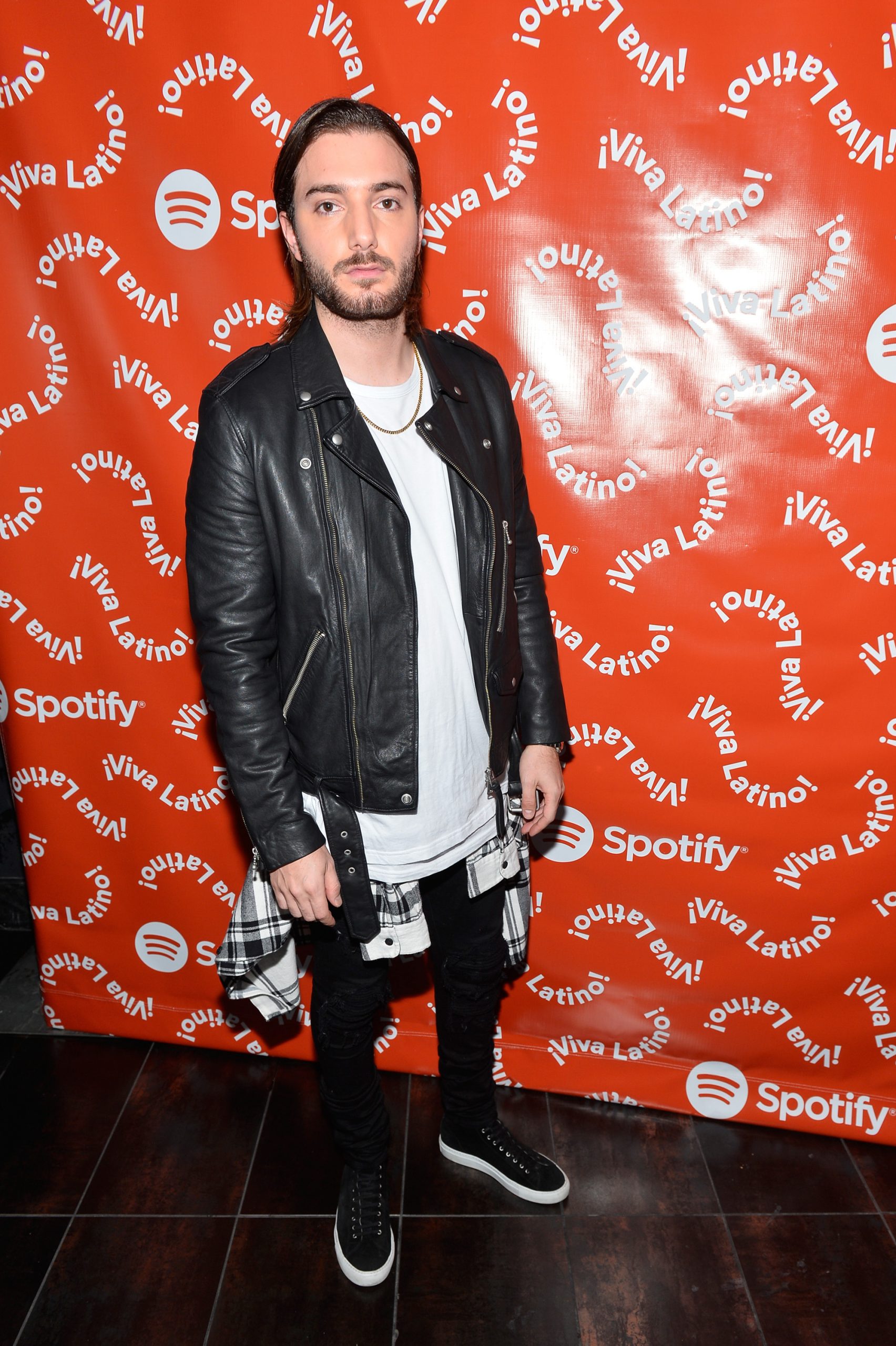
As of early 2026, Alessandro Renato Rodolfo Lindblad—globally recognized by his stage name Alesso—is 34 years old, born on July 7, 1991. Since his meteoric rise in 2010, the Swedish DJ and producer has evolved from a protégé of the Swedish House Mafia into a cornerstone of the international electronic dance music (EDM) scene, defining the "golden era" of progressive house and successfully transitioning into a multi-genre pop powerhouse.
The career of Alesso is more than a list of chart-topping hits; it is a blueprint for how a technical producer can maintain artistic integrity while achieving massive commercial success. From his early days in Stockholm to his current status as a Las Vegas resident headliner and global festival mainstay, his journey reflects the shifting tides of the music industry over the last fifteen years.
The Early Years: Stockholm and the Italian Influence
Born and raised in Stockholm, Sweden, Alesso’s heritage is a blend of Swedish culture and Italian roots. His interest in music began not with a laptop, but with a piano. At the age of seven, he started playing the instrument, which provided the melodic foundation that would later characterize his "emotional" progressive house style. Unlike many producers who focus solely on rhythm, Alesso’s early classical training allowed him to understand chord structures and harmonies, a trait that sets his discography apart from the more aggressive "big room" sounds of his peers.
By the age of 16, his interest shifted toward electronic music. Stockholm in the late 2000s was the epicenter of a new wave of dance music, led by Eric Prydz and the members of what would become the Swedish House Mafia (Axwell, Steve Angello, and Sebastian Ingrosso). Inspired by their success, Alesso began producing his own tracks using Logic Pro, spending years honing his craft before ever releasing a professional record.
2010–2011: The Breakthrough and the Ingrosso Mentorship
The most pivotal moment in Alesso’s career occurred in 2010. After finishing his self-titled debut EP, he managed to get his music into the hands of Sebastian Ingrosso. Reportedly, Alesso walked into Ingrosso’s father’s store and handed him a CD. Recognizing the raw talent in the young producer's melodic sensibilities, Ingrosso took him under his wing, signing him to his Refune Records label.
This period marked the release of "Calling," an instrumental track produced alongside Ingrosso. "Calling" quickly became an anthem in the festival circuit, praised for its euphoric build-ups and clean production. However, it was the 2011 vocal edit, "Calling (Losing My Mind)," featuring Ryan Tedder of OneRepublic, that catapulted Alesso into the mainstream. The track reached the top of the Billboard Dance Club Songs chart and remains one of the most iconic anthems of the EDM era.
During these formative years, Alesso also proved his worth as a remixer. His rework of Nadia Ali’s "Pressure" became one of the most-played tracks of 2011, further cementing his reputation as a producer who could turn any melody into a dancefloor weapon.
2012–2014: Defining the Golden Era of Progressive House
Between 2012 and 2014, Alesso enjoyed a string of successes that few artists in the genre have matched. This was the era of "Progressive House," a genre characterized by emotional vocals, cinematic builds, and massive, uplifting drops. Alesso was arguably the genre's chief architect during this time.
In 2012, he released "Years" featuring Matthew Koma, another track that emphasized his melodic roots. He was also invited to open for Madonna during her MDNA Tour, a massive endorsement that exposed his music to a non-electronic audience. His performance at Coachella in 2012 was a landmark moment, cited by many as the point where he transitioned from a "club DJ" to a "festival headliner."
The year 2013 saw the release of "Under Control," a collaboration with Calvin Harris and the duo Hurts. The track debuted at number one on the UK Singles Chart. It was a masterclass in collaboration, blending Harris's radio-ready production with Alesso’s signature synth-work. By 2014, Alesso signed a major-label deal with Def Jam Recordings, a move that signaled his intent to become a global pop star. His first single under the deal, "Heroes (We Could Be)" featuring Tove Lo, became a top 10 hit in multiple countries and certified his ability to produce crossover hits that worked as well on FM radio as they did at Tomorrowland.
2015: The Debut Album "Forever"
In May 2015, Alesso released his debut studio album, Forever. The album served as a culmination of his work to date, featuring established hits alongside new collaborations with artists like Ryan Tedder and Sirena. Forever was a commercial success, reaching the top 10 in Sweden and the top 30 in the UK and US Billboard 200.
Critically, the album was seen as a bridge between the underground dance world and the pop industry. It included tracks like "Payday," "Scars," and "Sweet Escape." While some purists felt the album leaned too heavily into pop territory, it solidified Alesso's position as a versatile artist who wasn't afraid to experiment with song structures beyond the standard "intro-build-drop" format.
2016–2020: Diversification and the Mixtape Series
Following the success of Forever, Alesso entered a period of experimentation. He began to move away from the traditional album cycle, focusing instead on singles and high-profile collaborations that explored different textures of dance music.
- The Pop Crossover: In 2017, he released "Let Me Go," a collaboration with Hailee Steinfeld, Florida Georgia Line, and watt. The track was a massive streaming success, highlighting Alesso’s ability to produce "future bass" and pop-country hybrids.
- The Latin Market: In 2017, he collaborated with Brazilian superstar Anitta on "Is That For Me," filmed in the Amazon rainforest. This was an early example of a major EDM producer tapping into the burgeoning Latin music market.
- Return to Roots: Recognizing that his core fanbase missed his original sound, Alesso launched the Progresso mixtape series in 2019. Progresso Volume 1 was a return to "darker" club music and pure progressive house, featuring tracks like "Confession" and "TIME." This series served as a reminder that despite his pop success, Alesso remained a formidable club producer.
2021–2025: The Las Vegas Era and "When I'm Gone"
As the world emerged from the pandemic, Alesso focused heavily on live residencies and massive solo projects. He signed a major residency deal with TAO Group, performing regularly at Omnia and Hakkasan in Las Vegas. These residencies allowed him to refine a live show that combined high-end visual production with a career-spanning setlist.
In late 2021 and early 2022, Alesso reached a new level of mainstream visibility with "When I'm Gone," a collaboration with Katy Perry. The music video premiered during halftime of the 2022 College Football Playoff National Championship, marking one of the largest promotional windows for a dance music track in years.
Between 2023 and 2025, Alesso continued to release club-focused singles like "Zig Zag," "Caught A Body," and "Hypnotize." He also maintained his status as a permanent fixture on the main stages of Ultra Music Festival and Tomorrowland, often closing out the festivals with elaborate pyrotechnic and drone shows.
Current Status in 2026
Entering 2026, Alesso remains one of the most relevant figures in electronic music. At 34, he occupies a unique middle ground: he has the veteran status of a legacy act but remains young enough to stay at the cutting edge of production technology. His recent sets have integrated more techno-inspired elements, reflecting the "Afterlife" and "Hi-Lo" trends currently dominating the scene, while never losing the melodic emotional core that his fans demand.
His influence on the next generation of Swedish producers is immeasurable. He has successfully navigated the pitfalls of the EDM bubble, avoiding the "burnout" that affected many of his contemporaries and consistently evolving his brand to match the digital-first landscape of 2026.
Comprehensive Career Milestones Table
| Year | Milestone | Primary Genre / Impact |
|---|---|---|
| 2010 | Signed to Refune Records by Sebastian Ingrosso | Introduction to the professional industry. |
| 2011 | Release of "Calling (Losing My Mind)" | Global breakthrough; definitive EDM anthem. |
| 2012 | MDNA Tour support for Madonna | Crossover into mainstream pop consciousness. |
| 2013 | "Under Control" reaches #1 in the UK | Cemented status as a top-tier producer. |
| 2014 | "Heroes (We Could Be)" released | Major US radio success; signed to Def Jam. |
| 2015 | Release of debut album Forever | Established long-form artistic vision. |
| 2017 | Release of "Let Me Go" | Multi-platinum success in the pop/country space. |
| 2019 | Launch of Progresso Volume 1 | Re-established credentials in the club scene. |
| 2021 | "When I'm Gone" with Katy Perry | Peak mainstream collaboration and media exposure. |
| 2024 | 10-Year Anniversary of Heroes | Celebrated with special sets and remastered tracks. |
| 2026 | Current Age: 34 | Continuous headliner at Ultra, Tomorrowland, and Vegas. |
Technical Production and Live Setup
Alesso’s production is noted for its "clean" high end and incredibly tight low-frequency management. Historically a user of Logic Pro, he is known for layered synth work, often stacking multiple instances of Sylenth1, Serum, and Nexus to create the wall-of-sound effect found in tracks like "City of Dreams."
In his 2026 live performances, his setup has moved toward a more integrated visual-audio experience. He utilizes a custom Pioneer DJ setup often linked to timecoded visuals and "Pioneer PRO DJ LINK" to ensure that the lighting and pyrotechnics are perfectly synced with his specific edits. Unlike "press play" DJs, Alesso is known for creating unique festival edits (often referred to as "Alesso Mashups") that combine his hits with trending underground tracks, ensuring every set feels fresh.
Frequently Asked Questions
What is Alesso's real name and background?
His real name is Alessandro Renato Rodolfo Lindblad. He is of Swedish and Italian descent and was born in Stockholm. This diverse background is often credited for his blend of "Cold" Swedish production precision and "Warm" Italian melodic sensibility.
How did Alesso become famous?
Alesso became famous through the mentorship of Sebastian Ingrosso of the Swedish House Mafia. His breakthrough came with the 2011 track "Calling (Losing My Mind)," which became a global sensation and established him as a leader in the progressive house genre.
What is Alesso’s most successful song?
While "Calling" is his most iconic among dance fans, "Heroes (We Could Be)" and "Let Me Go" have achieved the highest commercial success in terms of radio airplay and RIAA certifications. "When I'm Gone" with Katy Perry also stands as one of his most-viewed and streamed tracks to date.
Is Alesso still touring in 2026?
Yes, Alesso remains one of the most active touring DJs in the world. As of 2026, he maintains a rigorous schedule that includes a Las Vegas residency and headlining slots at major international festivals like Tomorrowland, Ultra Music Festival, and Creamfields.
Has Alesso won a Grammy?
While Alesso has received several nominations and awards, including a Grammy nomination for Best Remixed Recording, Non-Classical (for his remix of "Pressure" in 2012), he is often cited by critics as one of the most influential producers yet to take home the trophy, despite his massive commercial footprint.
Practical Recommendation for Fans and Aspiring Producers
For those looking to follow Alesso's career or emulate his success, the key takeaway is melodic persistence. Alesso’s longevity in an industry that often discards artists every few years is due to his focus on "songwriting" rather than just "track-making."
If you are a producer, study his use of piano as a foundation for electronic tracks. If you are a fan, the best way to experience Alesso in 2026 is through his live "Eclipse" or "Progresso" sets, which offer a deeper, more technical look at his music than his radio-friendly singles. Always check official residency calendars for Las Vegas, as these shows often feature extended sets that allow him to play music outside of his standard festival 60-minute window.