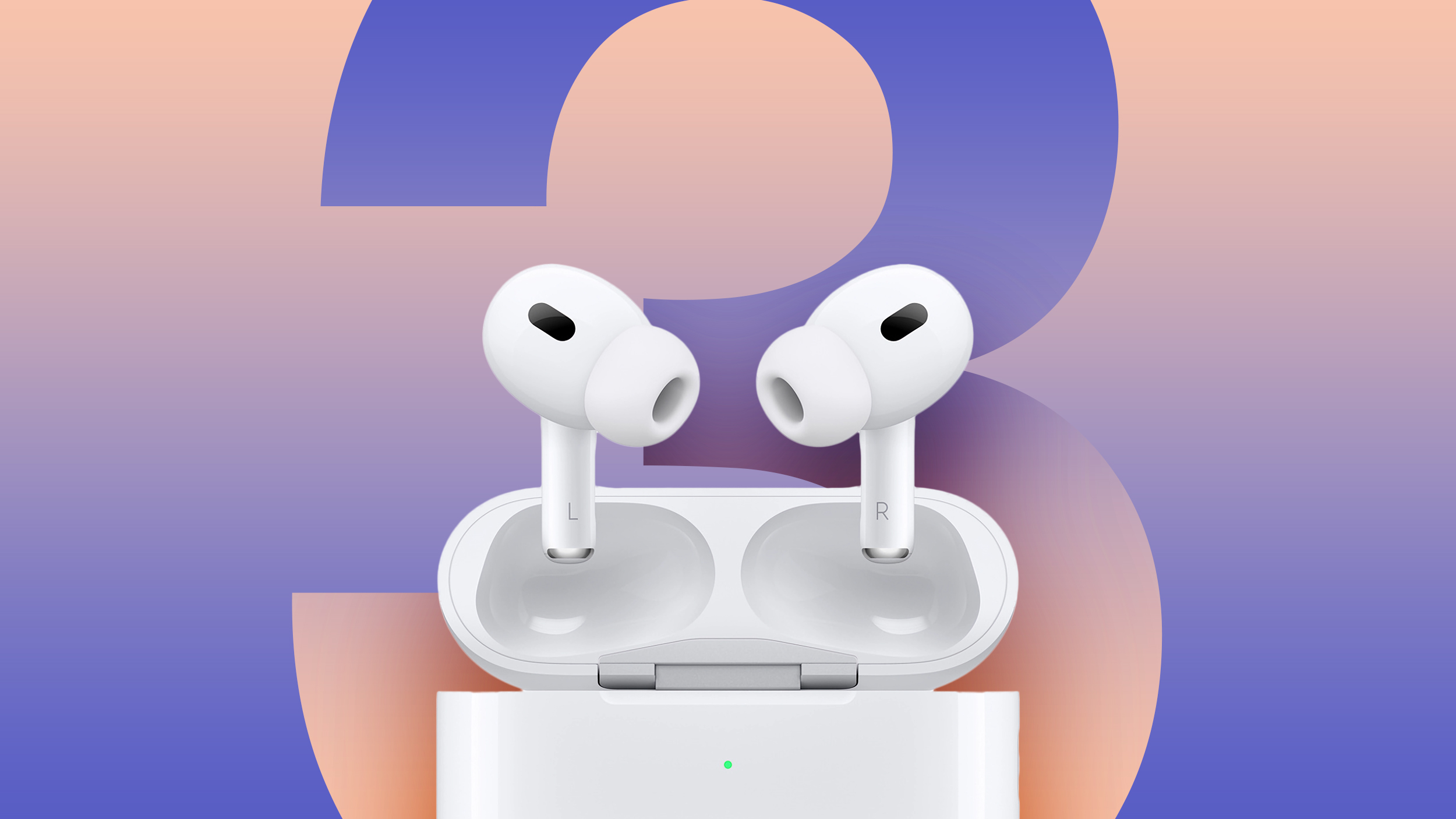
Deciding if the AirPods Pro 3 is worth the upgrade depends primarily on your current hardware. If you are using the original AirPods Pro or a standard non-Pro model, the jump to the H3-powered third generation offers transformative improvements in noise cancellation and hearing health. For AirPods Pro 2 users, the decision rests on whether you require medical-grade hearing aid features and low-latency lossless audio.
The landscape of personal audio has shifted significantly by 2026. Earbuds are no longer just devices for music and calls; they have evolved into sophisticated health monitors and computational audio engines. The AirPods Pro 3 represents Apple’s most aggressive push into this "hearable" category. With the introduction of the H3 chip, Apple has moved beyond incremental updates, focusing instead on digital signal processing (DSP) capabilities that were previously impossible in such a small form factor.
In this guide, we will analyze the technical specifications, real-world performance, and value proposition of the AirPods Pro 3 to help you determine if it is the right time to invest in a new pair.
Key Technical Specifications of the AirPods Pro 3
To understand the value of the upgrade, we must first look at the hardware driving the experience. The AirPods Pro 3 introduces several "firsts" for the product line, particularly regarding processing power and sensor integration.
The H3 Chipset
The heart of the AirPods Pro 3 is the H3 chip. Unlike the H2 found in the previous generation, the H3 is built on a more efficient 3-nanometer process. This allows for significantly higher transistor density, enabling the earbuds to perform billions of operations per second more than their predecessor. This translates to faster adaptive EQ adjustments and more responsive transparency modes.
Advanced Active Noise Cancellation (ANC)
Apple claims the AirPods Pro 3 offers "up to 2x more" noise cancellation than the original Pro model, but the real-world difference lies in the frequency range. The Pro 3 is notably better at neutralizing high-frequency sounds—such as office chatter or the screech of subway brakes—that older models struggled to mask.
Hearing Health Sensors
A standout feature in 2026 is the inclusion of dedicated sensors for hearing health. These sensors work in tandem with the microphones to monitor environmental noise exposure in real-time and provide clinical-grade data to the Health app on your iPhone.
Comparing AirPods Pro 3 vs. AirPods Pro 2 and Pro 1
When evaluating an upgrade, it is essential to see how the new model stacks up against its predecessors. The following table highlights the core differences across the three generations of AirPods Pro available as of 2026.
| Feature | AirPods Pro (1st Gen) | AirPods Pro (2nd Gen - USB-C) | AirPods Pro 3 (2026 Status) |
|---|---|---|---|
| Processor | H1 Chip | H2 Chip | H3 Chip |
| ANC Performance | Baseline | 2x Improvement over Gen 1 | 3x Improvement over Gen 1 |
| Charging Port | Lightning | USB-C | USB-C (Fast Charge Ready) |
| Bluetooth | 5.0 | 5.3 | 5.4 (LE Audio Support) |
| Health Features | Basic Noise Alerts | Loud Noise Reduction | Medical-Grade Hearing Aid Mode |
| Battery Life (ANC on) | 4.5 Hours | 6 Hours | 7.5 Hours |
| Audio Protocol | AAC | AAC / Lossless (Vision Pro only) | Ultra-Low Latency Lossless (Universal) |
The H3 Chip: The Engine of Change
The transition to the H3 chip is the single most compelling reason to consider the AirPods Pro 3. In 2026, computational audio has become the primary differentiator in the market. The H3 chip does not just play music; it interprets your environment.
Computational Transparency
One of the most impressive feats of the H3 chip is the evolution of Adaptive Audio. While the Pro 2 introduced the ability to blend Transparency and ANC, the Pro 3 uses machine learning to identify specific voices. If someone speaks directly to you, the earbuds can isolate that voice while still suppressing the background drone of an air conditioner or city traffic. This is a level of granularity that the H2 chip simply lacked the processing overhead to achieve.
Energy Efficiency
By utilizing a 3nm architecture, the H3 chip draws less power for the same tasks. This efficiency is why the AirPods Pro 3 can achieve over 7 hours of battery life with ANC engaged, despite having a physical battery size nearly identical to the previous version. For long-haul travelers or professionals in back-to-back meetings, this extra 90 minutes of runtime is a significant quality-of-life improvement.
Hearing Health and Medical-Grade Integration
By 2026, Apple has fully leaned into the "Health" aspect of its wearable strategy. The AirPods Pro 3 is no longer just a consumer electronics device; for many, it functions as a regulated health tool.
FDA-Cleared Hearing Aid Functionality
The AirPods Pro 3 features integrated hearing test capabilities that allow users to generate a personalized audiogram directly from their iPhone. If the test detects mild to moderate hearing loss, the AirPods can be configured to act as FDA-cleared hearing aids. This feature utilizes the H3 chip to amplify specific frequencies where the user has deficiencies, providing a discreet and affordable alternative to traditional medical hearing aids.
Conversation Boost 2.0
While previous versions had a "Conversation Boost" feature, the AirPods Pro 3 utilizes beamforming microphones and neural processing to "lock on" to the person standing in front of you. This is particularly useful in loud environments like restaurants. The Pro 3 reduces the "cocktail party effect," making it significantly easier to maintain a conversation without straining.
Audio Quality and Spatial Audio Evolution
While the physical drivers in the AirPods Pro 3 remain similar in size to the previous generation, the software driving them has been completely overhauled.
Low-Latency Lossless Audio
For users within the Apple ecosystem, especially those using Apple Vision Pro or the 2026 Mac lineups, the AirPods Pro 3 supports a proprietary low-latency lossless audio protocol. This is a breakthrough for audiophiles who previously had to choose between the convenience of wireless and the fidelity of wired connections. The H3 chip manages the massive data throughput required for lossless audio without the stuttering or dropouts common in earlier Bluetooth implementations.
Personalized Spatial Audio with Dynamic Head Tracking
Spatial Audio has become the standard for media consumption on iOS and macOS. The AirPods Pro 3 uses improved inertial sensors (accelerometers and gyroscopes) to track head movement with higher precision. This reduces the slight "lag" some users felt when turning their heads, making the soundstage feel more anchored and realistic.
Battery Life and Charging Hardware
Battery degradation is one of the most common reasons users look for an upgrade. If you have owned your AirPods Pro 2 since their launch, your battery capacity has likely diminished.
Fast Charging Enhancements
The AirPods Pro 3 MagSafe Charging Case (USB-C) supports an improved fast-charge protocol. Placing the earbuds in the case for just 5 minutes provides roughly 90 minutes of listening time. In a world where we are increasingly reliant on our devices, this speed is a necessity.
The USB-C Transition
By 2026, the transition away from Lightning is complete. If you are still holding onto the original AirPods Pro, upgrading to the Pro 3 allows you to unify your charging cables across your iPhone, iPad, Mac, and earbuds. The case also retains compatibility with Apple Watch chargers and Qi-certified wireless mats.
Who Should Upgrade? A Segmented Analysis
The "worth" of an upgrade is subjective, but we can break it down based on your current device and needs.
For AirPods Pro (1st Gen) Owners: A Definite Yes
If you are still using the 2019 original model, the upgrade is a "no-brainer." You are moving from the H1 to the H3 chip, gaining significantly better ANC, double the transparency effectiveness, much longer battery life, and the convenience of USB-C. Furthermore, the batteries in your 1st Gen units are likely reaching the end of their functional life.
For AirPods Pro 2 Owners: A Conditional Yes
The decision is tougher here. If your current Pro 2 units are working well and you don't care about the hearing aid features or lossless audio, you can likely wait another year. However, if you find yourself in loud environments often, the 3x ANC improvement and the H3's ability to handle complex noise environments might justify the cost.
For Standard AirPods Users: The Professional Jump
If you are moving from AirPods (Gen 3 or Gen 4) to the Pro 3, the difference is night and day. The addition of silicone tips for a proper seal, combined with the industry-leading ANC, transforms the listening experience from "passive background music" to "immersive isolation."
Price and Value Proposition in 2026
The AirPods Pro 3 launched at the familiar $249 price point. While this remains a premium price for earbuds, the value has increased because the device now serves multiple roles:
- High-fidelity wireless earbuds.
- Computational noise-canceling protectors.
- Optional medical-grade hearing aids.
- Health monitoring sensors.
When compared to dedicated medical hearing aids, which can cost thousands of dollars, the AirPods Pro 3 is an incredible value for those with mild hearing needs. As a pure audio device, it competes heavily with flagship offerings from Sony and Bose, often winning on ecosystem integration and "smart" features.
Common Mistakes When Upgrading
When looking to purchase the AirPods Pro 3, avoid these common pitfalls:
- Buying for "Sound Quality" Alone: While the sound is excellent, the real "upgrade" is in the features (ANC, H3 chip, Health). If you only care about frequency response and don't need ANC, there are cheaper wired or audiophile-grade wireless options.
- Ignoring the Fit: The Pro 3 comes with an expanded range of ear tip sizes (XS, S, M, L). Many users fail to perform the "Ear Tip Fit Test" in settings, which is crucial for the ANC to function correctly.
- Neglecting AppleCare+: Because the AirPods Pro 3 are highly integrated and difficult to repair, AppleCare+ is highly recommended. It covers battery depletion, which is the most likely reason the device will fail over a three-year period.
Troubleshooting and Longevity
To ensure your AirPods Pro 3 remains worth the investment for the long term, regular maintenance is required. The mesh grilles on the Pro 3 are more refined to allow for better airflow for the H3 chip’s sensors, but this also means they can collect debris more easily.
- Cleaning: Use a dry, lint-free cloth and a specialized cleaning tool for the mesh. Do not use liquids.
- Firmware Updates: Apple frequently pushes "silent" updates that improve the H3 chip’s noise-masking algorithms. Ensure your iPhone is updated to the latest version of iOS to receive these.
- Battery Management: To prolong the life of the lithium-ion batteries, try to avoid letting the case sit at 0% for extended periods.
Final Recommendation: Should You Buy?
The AirPods Pro 3 is the most significant leap in the Pro line since its inception. By 2026, the integration of hearing health technology and the H3 chip's processing power has moved this product from a luxury accessory to a functional health and productivity tool.
You should upgrade if:
- You own the original AirPods Pro or any non-Pro AirPods.
- You require a device that can assist with mild hearing loss.
- You are a frequent traveler who needs the best-in-class ANC.
- You are heavily invested in the Apple Vision Pro ecosystem.
You can wait if:
- Your AirPods Pro 2 are less than two years old and the battery is still healthy.
- You primarily listen in quiet environments where ANC and Adaptive Transparency aren't utilized.
For most users, the combination of improved battery life, superior noise cancellation, and new health-centric features makes the AirPods Pro 3 a worthwhile investment that will likely remain at the top of its class for the next several years.