Serving in the Air Force Reserve in Georgia offers a unique opportunity to maintain a civilian career while contributing to national defense. Centered around major installations like Dobbins Air Reserve Base and Robins Air Force Base, Georgia-based Reservists provide critical airlift, logistics, and command support while accessing comprehensive healthcare, education, and retirement benefits.
The Air Force Reserve (AFR) maintains a massive presence in Georgia, making the state a primary hub for the entire component's operations. Unlike the active-duty Air Force, which requires a full-time commitment, the Reserve allows Georgia residents to serve "one weekend a month and two weeks a year," though many choose to serve more frequently through voluntary orders or full-time technician roles. In 2026, the integration between Georgia's Reserve units and the total force is tighter than ever, with local units participating in global humanitarian missions and strategic defense operations.
Major Installations and Regional Hubs
Georgia is unique because it hosts the headquarters for the entire Air Force Reserve Command (AFRC). This makes the state the administrative and strategic heart of the Reserve.
Robins Air Force Base (Warner Robins)
Located in Houston County, Robins Air Force Base is the largest industrial complex in Georgia. While it hosts active-duty units, it is the home of the Air Force Reserve Command Headquarters. This HQ oversees nearly 70,000 Reservists across the United States. Serving here often means working in high-level administrative, logistical, or planning roles that impact the entire Reserve infrastructure.
Additionally, Robins hosts the 413th Flight Test Group, which provides depot-level flight testing for various aircraft, and the 951st Reserve Support Squadron. The proximity to the Warner Robins Air Logistics Complex provides Reservists in the maintenance and engineering fields with unparalleled access to technical training and advanced aircraft systems.
Dobbins Air Reserve Base (Marietta)
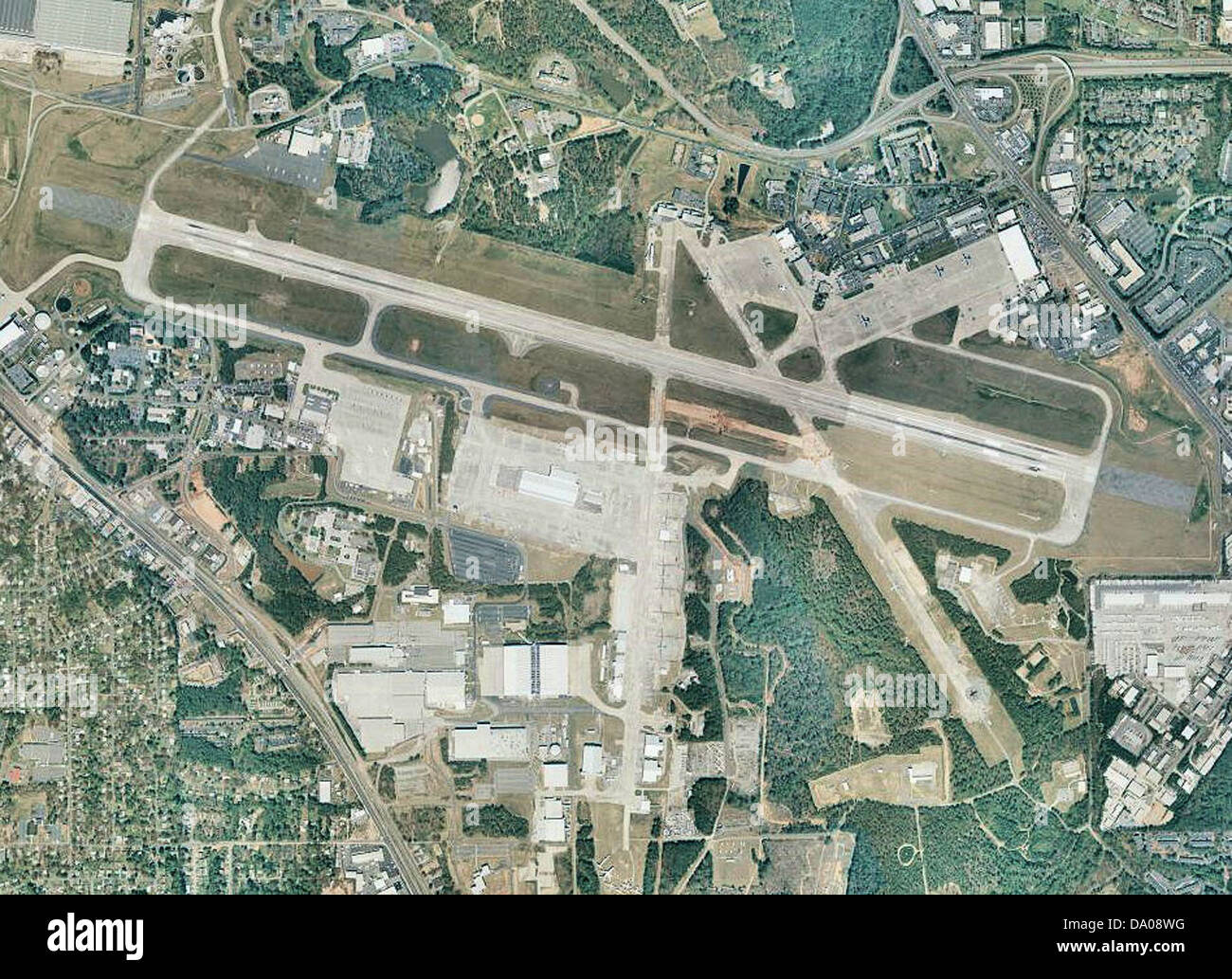
Located just north of Atlanta, Dobbins Air Reserve Base is one of only a few stand-alone Air Reserve Bases in the country. It is the home of the 94th Airlift Wing, which operates the C-130H Hercules. The 94th is responsible for tactical airlift, meaning they move troops and equipment into diverse environments, often using short, unimproved runways.
Dobbins is also home to the headquarters of the 22nd Air Force, which commands Reserve tactical airlift, tanker, and combat support units across the eastern United States. For those living in the Atlanta metropolitan area, Dobbins offers a premier military environment without the need for a long commute to a remote installation.
Primary Units and Mission Sets in Georgia
Understanding the specific mission of Georgia units is essential for prospective recruits, as your job (Air Force Specialty Code or AFSC) must align with the needs of the local unit if you wish to serve close to home.
The 94th Airlift Wing
The 94th Airlift Wing at Dobbins ARB is the primary operational unit in the Atlanta region. Its mission includes:
- Tactical Airlift: Providing "last mile" delivery of supplies and personnel in combat zones.
- Aeromedical Evacuation: Special units at Dobbins are trained to turn cargo aircraft into flying hospitals to transport wounded service members.
- Civil Engineering and Security Forces: Supporting base infrastructure and defense both at home and during deployments.
Headquarters Air Force Reserve Command (AFRC)
At Robins AFB, the mission is more strategic. Reservists assigned to the HQ often work in:
- Personnel Management: Handling the transitions, careers, and records of the national Reserve force.
- Information Technology and Cyber Security: Protecting the digital infrastructure of the Reserve.
- Logistics and Planning: Coordinating the movement of Reserve assets globally.
413th Flight Test Group
This unit at Robins is specialized. They perform "functional check flights" on aircraft that have undergone heavy maintenance. This requires highly experienced pilots and maintenance technicians, often recruited from prior-service active-duty ranks.
Eligibility and the Joining Process in 2026
Joining the Air Force Reserve in Georgia requires meeting federal standards for military service. While the process is standardized, local recruiters at Dobbins and Robins handle the specific placement into Georgia-based slots.
Basic Requirements
To enlist in the Air Force Reserve in 2026, you must generally meet the following criteria:
- Age: You must be between 18 and 42 years old. Prior-service members may have this age limit extended based on their years of previous service.
- Citizenship: You must be a U.S. citizen or a legal permanent resident (Green Card holder) for enlistment, though commissioning as an officer requires citizenship.
- Education: A high school diploma is the minimum requirement; a GED may be accepted with certain restrictions.
- Health and Fitness: You must pass a standard military physical exam and maintain height/weight standards.
The ASVAB and Job Selection
The Armed Services Vocational Aptitude Battery (ASVAB) is the most critical tool in the enlistment process. Your scores in categories like Mechanical, Administrative, General, and Electronic (MAGE) determine which jobs you qualify for. In the Reserve, unlike the active duty, you often enlist directly into a specific "slot" or vacancy at a unit like the 94th Airlift Wing. This means you know exactly what your job will be and where you will work before you go to Basic Military Training (BMT).
The Training Pipeline
All new recruits must attend Basic Military Training at Lackland AFB in San Antonio, Texas. Following BMT, you will attend Technical Training to learn your specific AFSC. Depending on the job, this can last from six weeks to over a year. Once training is complete, you return to your Georgia unit to begin your "one weekend a month" commitment.
Comparing Georgia's Primary Reserve Locations
The following table compares the two primary hubs for Air Force Reserve activity in Georgia to help applicants determine which location aligns with their career goals.
| Feature | Dobbins Air Reserve Base | Robins Air Force Base |
|---|---|---|
| Location | Marietta, GA (Metro Atlanta) | Warner Robins, GA (Central Georgia) |
| Primary Reserve Unit | 94th Airlift Wing | HQ Air Force Reserve Command |
| Primary Aircraft | C-130H Hercules | Various (Support & Flight Test) |
| Mission Focus | Tactical Airlift & Training | Command, Control, & Logistics |
| Environment | Dedicated Reserve Installation | Large Multi-Service Installation |
| Common Job Types | Loadmasters, Maintenance, Security | Admin, IT, Logistics, Finance |
Educational and Healthcare Benefits
One of the primary reasons Georgia residents join the Air Force Reserve is the robust benefits package, which provides a significant "hidden salary" on top of monthly drill pay.
Tuition Assistance and the GI Bill
The Air Force Reserve provides Tuition Assistance (TA) for currently serving members. In 2026, this remains a vital tool for students at Georgia institutions like Georgia Tech, UGA, or Kennesaw State.
- Montgomery GI Bill - Selected Reserve (Chapter 1606): Provides a monthly stipend for full-time students.
- Post-9/11 GI Bill: Available to Reservists who have served a minimum amount of active-duty time (usually through deployments or full-time orders). This can cover 100% of tuition at public Georgia universities.
Tricare Reserve Select
Tricare Reserve Select (TRS) is arguably the most valuable benefit for Reservists. It is a premium-based health plan available to qualified selected Reserve members. In 2026, the premiums for TRS remain significantly lower than most civilian employer-sponsored plans, often saving a family thousands of dollars annually in healthcare costs while providing access to a massive network of civilian providers in Georgia.
Retirement Benefits
Reservists earn "points" toward a retirement pension. While you can retire after 20 years of qualifying service, you typically do not begin receiving your pension until age 60 (though this can be reduced by certain periods of active-duty service). This serves as an excellent supplement to a civilian 401(k) or the Georgia Teachers Retirement System.
Career Paths: Officer vs. Enlisted
The path you choose will dictate your responsibilities and pay scale. Georgia units have openings in both categories.
Enlisted Opportunities
Enlisted members are the technical specialists. At Dobbins, this might mean being a C-130 Crew Chief or a Security Forces specialist. Enlisted roles are more abundant and offer a faster entry into the service. For young Georgians, this is a way to gain high-tech training that translates directly into the Atlanta aerospace corridor (e.g., working for companies like Lockheed Martin, which is adjacent to Dobbins).
Officer Opportunities
Officers are the leaders and managers. To become an officer in the Georgia Air Force Reserve, you generally need a four-year degree and must attend Officer Training School (OTS). Common officer roles at Robins AFB include Logistics Readiness Officers and Public Affairs Officers. Competition for Reserve officer slots is high, especially for pilot positions in the 94th Airlift Wing.
Balancing Reserve Life with a Civilian Career
The "Citizen Airman" concept is central to the Georgia Air Force Reserve. However, balancing both requires an understanding of your legal protections.
USERRA Protections
The Uniformed Services Employment and Reemployment Rights Act (USERRA) protects Georgia Reservists from discrimination based on their military service. If you are called to active duty or must attend training, your civilian employer is required to hold your job (or a nearly identical one) for you. Many major Georgia employers, such as Delta Air Lines, Home Depot, and UPS, have specific military leave policies that go beyond the federal minimums.
Tax Advantages in Georgia
As of 2026, Georgia offers specific tax considerations for military members. The state has historically moved toward exempting more military retirement income from state taxes, making it an attractive place for long-term Reserve service. Additionally, drill pay earned in combat zones (during deployments) is often exempt from federal income tax.
Common Challenges and Considerations
While the benefits are significant, service in the Air Force Reserve is not without its challenges.
- Deployment Tempo: Even as a Reservist, you can be deployed. Georgia units have frequently deployed to the Middle East, Europe, and the Pacific. You must be prepared for the possibility of being away from your family and civilian job for 6 to 12 months.
- Commuting: If you live in Savannah or Augusta but serve at Dobbins, you are responsible for getting to your unit for drill. While some units provide lodging for members living outside a certain radius, the travel time can be a factor.
- Fitness Standards: The Air Force maintains strict physical fitness standards. Reservists must pass an annual fitness assessment (PT test), which includes running, push-ups, and sit-ups. Failure to maintain fitness can lead to administrative discharge.
Frequently Asked Questions
How much do Air Force Reservists in Georgia get paid? Pay is based on rank and years of service. A junior enlisted member (E-3) can expect to earn approximately $300–$400 for a single drill weekend. This amount increases significantly during the two weeks of annual training or when on active-duty orders. Pay scales are updated annually by Congress.
Can I switch from the Air Force Reserve to the Georgia Air National Guard? Yes, but it requires a "conditional release" from the Reserve. The Georgia Air National Guard (which has units in Savannah and at Robins) is under the jurisdiction of the Governor of Georgia, whereas the Air Force Reserve is a federal entity. The benefits and missions are similar, but the administrative structures differ.
What is the difference between Dobbins Air Reserve Base and Robins Air Force Base? Dobbins is a Reserve-owned base primarily focused on tactical airlift (C-130s). Robins is an active-duty base that hosts the Air Force Reserve Command Headquarters. If you want to work on planes, Dobbins is a major hub; if you want to work in high-level administration or logistics, Robins is the center of gravity.
Are there Reserve units at Savannah/Hilton Head International Airport? The units in Savannah are primarily Georgia Air National Guard (the 165th Airlift Wing), not Air Force Reserve. While they are different components, they offer very similar part-time service opportunities for those living on the Georgia coast.
Do I have to live in Georgia to serve in a Georgia Reserve unit? No. You can live in a neighboring state like South Carolina or Alabama and serve in a Georgia unit. However, you are responsible for your own transportation to the base for drill weekends. Some units may offer "IDT travel reimbursement" for certain high-demand jobs, but this is not guaranteed for everyone.
Next Steps for Prospective Georgia Reservists
If you are considering joining the Air Force Reserve in Georgia, your first step should be to contact a recruiter specifically assigned to the base where you wish to serve. Unlike active-duty recruiters who represent the entire Air Force, Reserve recruiters focus on filling vacancies in local units.
Visit the official Air Force Reserve website or the Dobbins ARB and Robins AFB official pages to find contact information for local recruiting offices. Before meeting with a recruiter, gather your educational transcripts, any medical records regarding past surgeries or conditions, and a clear list of career goals to see how they align with the current vacancies in the 94th Airlift Wing or the various support units at Robins.