Aggressive Auto Insurance in Texas refers to the specialized insurance products provided by Aggressive Insurance Services, a Managing General Agency (MGA) that focuses on the non-standard market. This coverage is specifically designed for Texas drivers who face challenges obtaining insurance from traditional carriers due to high-risk factors, credit issues, or the need for SR-22 filings.
Understanding Aggressive Auto Insurance in the Texas Market
When discussing "Aggressive Auto Insurance" in the context of the Texas insurance landscape of 2026, it is vital to distinguish between a driving style and the specific insurance entity. Aggressive Insurance Services is a prominent Managing General Agency (MGA) headquartered in the Dallas-Fort Worth metroplex. They do not operate as a traditional insurance carrier that bears the risk directly; instead, they act as an intermediary that manages underwriting, policy issuance, and claims for specialized insurance companies.
In Texas, the non-standard insurance market is a critical component of the state's economy. Millions of drivers do not fit the "preferred" profile required by major national carriers like State Farm or Allstate. These drivers might have a history of multiple at-fault accidents, several speeding tickets, a DUI/DWI conviction, or perhaps they have allowed their previous coverage to lapse. Aggressive Insurance fills this gap by providing "aggressive" pricing and accessibility for these specific demographics.
The term "Aggressive" in their name reflects a business strategy aimed at high-volume, efficient policy management for the non-standard sector. For a Texas driver, choosing this type of insurance often means obtaining the legal right to drive when other doors have been closed. However, this accessibility comes with a specific set of rules, limitations, and pricing structures that differ significantly from standard policies.
The Role of a Managing General Agency (MGA) in Texas
To fully explain Aggressive Auto Insurance, one must understand the MGA model, which is prevalent in Texas. An MGA like Aggressive Insurance is authorized by a licensed insurance company (the carrier) to perform functions that are usually the responsibility of the insurer. This includes binding coverage, appointing agents, and handling claims.
In the Texas market, this model allows for greater flexibility. Aggressive Insurance can pivot quickly to adjust its underwriting guidelines based on regional trends, such as the increasing frequency of hail damage in North Texas or the rising costs of vehicle repairs in 2026. Because they specialize in Texas, they have a granular understanding of the state's diverse geography—from the high-traffic corridors of I-35 to the rural expanses of West Texas.
For the policyholder, this means you are technically insured by a carrier represented by Aggressive, but your daily interactions, premium payments, and claims reports will go through the Aggressive Insurance portal or their network of independent local agents. This localized focus is a primary reason why they remain a staple for Texas drivers who need immediate, state-compliant coverage.
Mandatory Texas Liability Limits and Aggressive Coverage
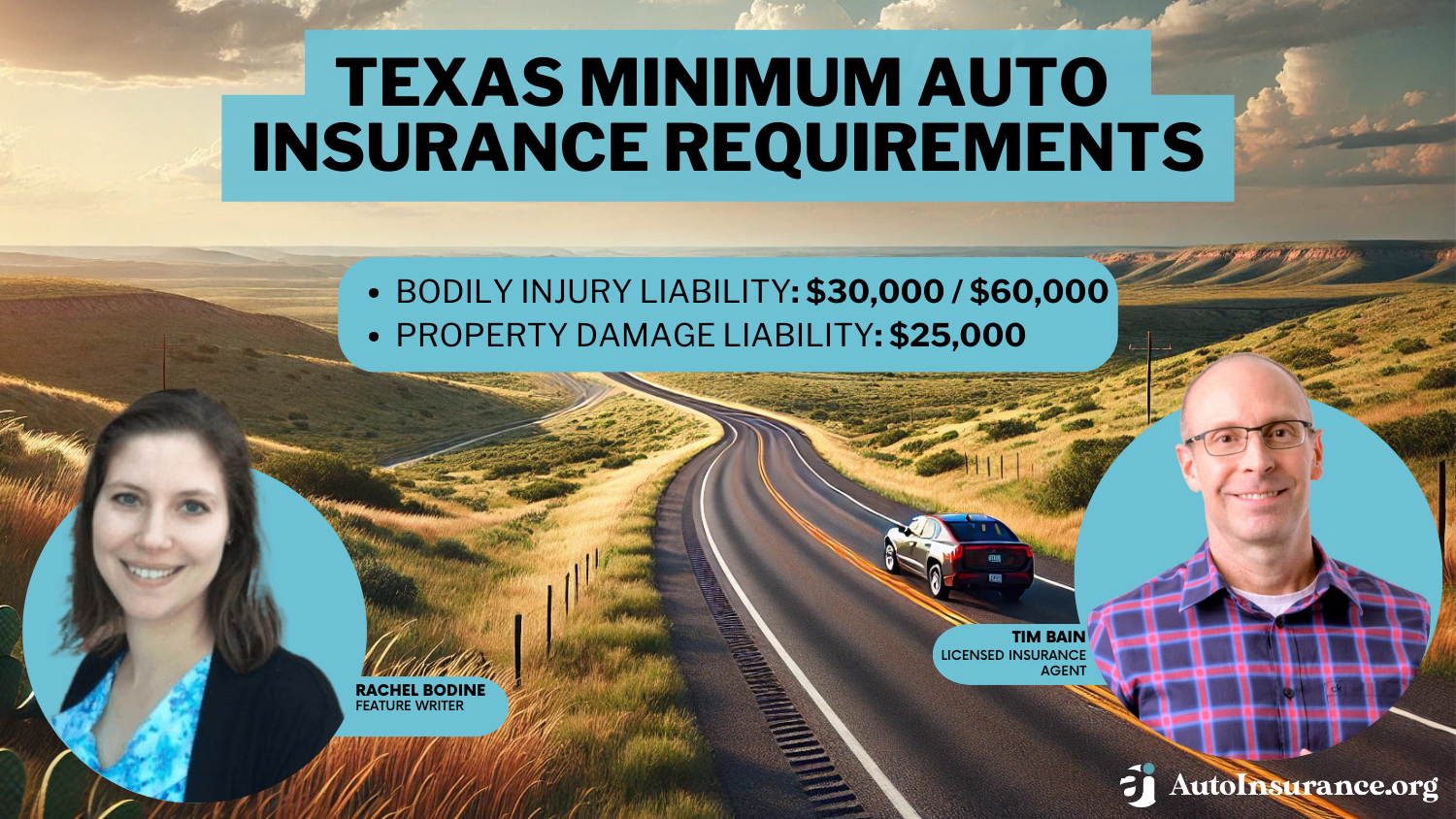
Every driver in Texas is subject to the Texas Financial Responsibility Law. As of 2026, the state-mandated minimum liability limits remain at the 30/60/25 level. Aggressive Auto Insurance focuses heavily on providing these minimum requirements to ensure drivers remain legal on the road.
Breakdown of 30/60/25 Limits
- $30,000 for Bodily Injury per person: This is the maximum amount the policy will pay for medical bills and related costs for a single person injured in an accident where you are at fault.
- $60,000 for Bodily Injury per accident: This is the total cap for all medical costs if multiple people are injured in a single accident.
- $25,000 for Property Damage: This covers the repair or replacement of the other driver's vehicle or any property (like fences or utility poles) damaged in the collision.
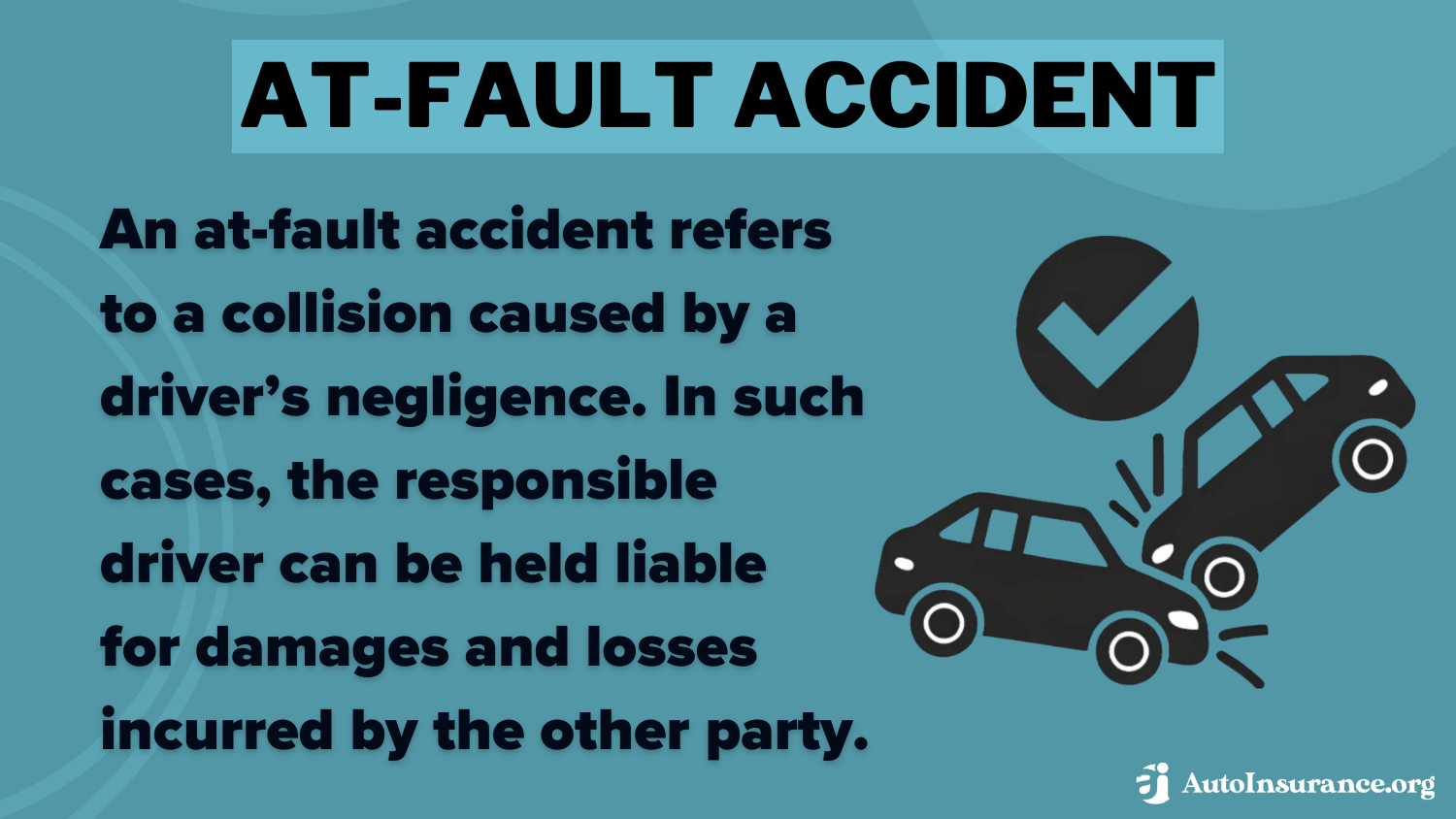
Aggressive Insurance allows drivers to secure these limits even if they have a "bruised" driving record. While standard carriers might see a driver with a recent lapse in coverage as too risky to insure even at minimum limits, Aggressive utilizes specialized data points to offer a policy. It is important for Texas drivers to recognize that while 30/60/25 is the legal minimum, it may not be enough to cover the costs of a major accident involving a luxury vehicle or significant medical trauma, which are increasingly common costs in 2026.
Non-Standard vs. Standard Auto Insurance
Understanding where Aggressive Auto Insurance fits requires a comparison between non-standard and standard insurance tiers.
| Feature | Standard Insurance (Preferred) | Aggressive Auto Insurance (Non-Standard) |
|---|---|---|
| Target Driver | Clean record, high credit score, long insurance history. | High-risk, low credit, history of lapses, or DUI. |
| Underwriting | Strict requirements; easy to be "rejected." | Flexible; designed for those rejected elsewhere. |
| Pricing | Lower premiums; discounts for loyalty. | Higher premiums due to elevated risk. |
| Policy Options | Wide range of high limits and add-ons. | Focus on state minimums and essential riders. |
| SR-22 Filing | May lead to policy cancellation. | Specialized in providing and filing SR-22s. |
| Payment Plans | Monthly, bi-annual, or annual. | Flexible, often allowing low down payments. |
Aggressive Insurance thrives in the "Non-Standard" column. They provide a vital service for the Texas "Texas Sure" system—the statewide financial responsibility verification program. By insuring drivers who fall into this category, they help reduce the overall number of uninsured motorists on Texas highways.
SR-22 Filings and High-Risk Requirements in Texas
One of the most common reasons a Texas driver seeks out Aggressive Auto Insurance is the need for an SR-22 certificate. An SR-22 is not actually "insurance"; rather, it is a document filed by the insurance company with the Texas Department of Public Safety (DPS). It serves as a guarantee that the driver is maintaining at least the state-mandated liability coverage.
Drivers in Texas usually require an SR-22 after:
- A conviction for Driving While Intoxicated (DWI) or Driving Under the Influence (DUI).
- Driving without insurance (often after multiple offenses).
- Having a driver's license suspended or revoked.
- Accumulating too many points on a driving record within a short period.
Aggressive Insurance is structured to handle SR-22 filings efficiently. When a driver purchases a policy, the agency can electronically file the certificate with the Texas DPS, often facilitating the reinstatement of the driver's license much faster than standard agencies. In 2026, the integration between non-standard agencies and state databases has become nearly instantaneous, but it requires an agency that specializes in these high-touch filings.
Named Driver Policies and Exclusions in Texas
A critical aspect of explaining Aggressive Auto Insurance involves the "Named Driver Policy." Historically, Texas allowed policies that only covered drivers specifically named in the policy, excluding other household members. While the Texas Legislature passed laws (such as Senate Bill 604) to limit the use of these "Named Driver" exclusions, they still exist in specific forms within the non-standard market.
When you take out a policy with a company like Aggressive, you must be extremely careful about who is listed on the policy. In many non-standard policies, if a person living in your household who is not listed on the policy drives the car and gets into an accident, the claim may be denied entirely. This is a common point of confusion for Texas drivers who are used to "permissive use" rules found in standard policies.
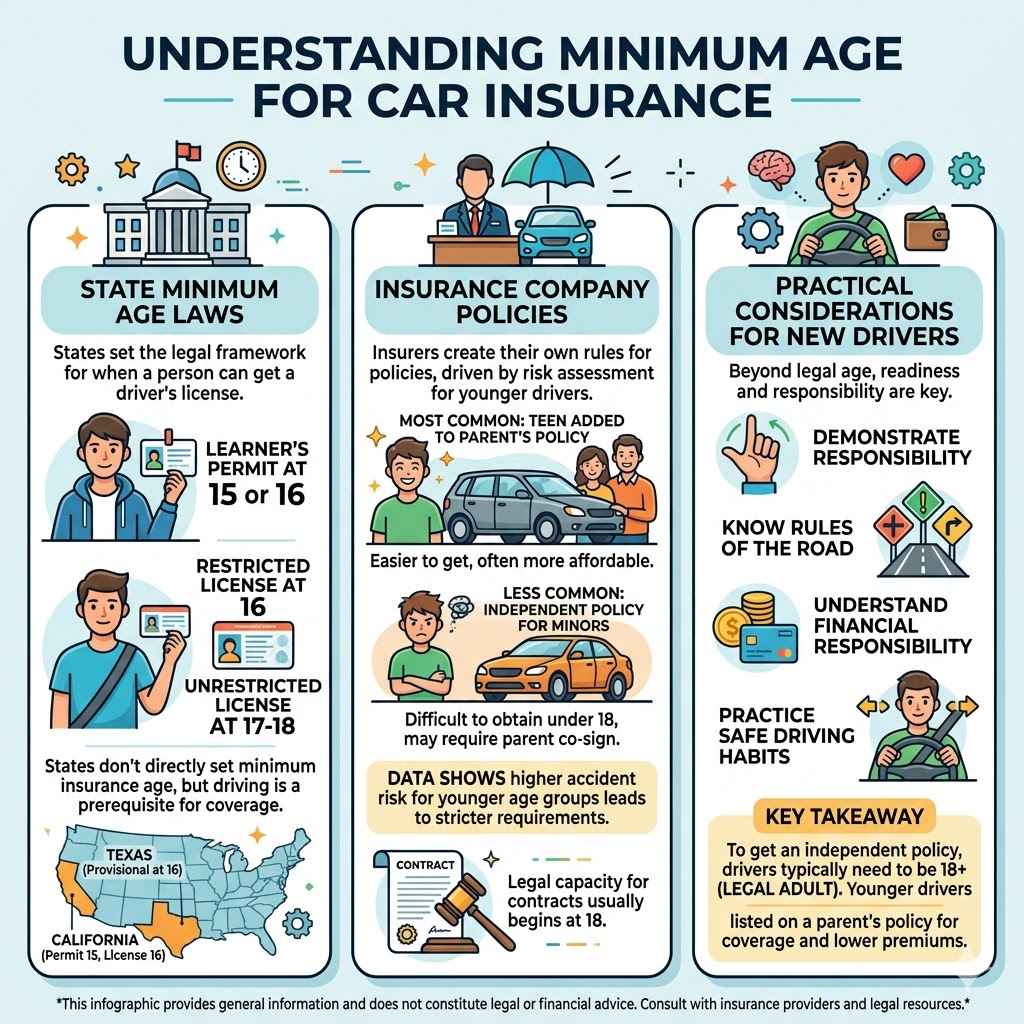
Aggressive Insurance policies often require you to list all household residents of driving age. If you fail to do so, or if you specifically "exclude" a driver (to keep your premium lower), that individual has zero coverage under your policy. This technicality is one of the most important things for an Aggressive Auto Insurance customer to verify before signing.
The Claims Process for Aggressive Insurance Policyholders
Navigating a claim with a non-standard agency can feel different than working with a major national brand. Because Aggressive Insurance manages the claims process for the underlying carriers, they emphasize digital reporting and localized adjusters.
Steps to Filing a Claim in 2026:
- Immediate Documentation: Texas law requires drivers to exchange information at the scene. Given the digital focus of Aggressive, taking clear photos of the damage and the other driver's insurance card is vital.
- Reporting through the Portal: Aggressive Insurance encourages policyholders to report claims via their mobile-optimized portal. This triggers the assignment of an adjuster.
- Adjuster Review: Because Aggressive handles non-standard risks, their adjusters are often very thorough in verifying that the driver at the time of the accident was actually covered under the policy terms (checking for the "Named Driver" issues mentioned above).
- Repair Network: Aggressive typically works with a network of Texas-based repair shops, though policyholders generally have the right to choose their own shop under Texas law. However, using the "preferred" network may speed up the payment of the claim.
It is worth noting that customer reviews for non-standard agencies often highlight the rigors of the claims process. Because the premiums are calculated for high-risk individuals, the underwriting at the time of a claim is often more "aggressive" in verifying facts than it might be at a standard carrier.
Factors Influencing Your Premium with Aggressive Insurance
Even within the non-standard market, your premium is not a flat rate. In 2026, Texas insurance rates are influenced by several evolving factors:
- ZIP Code and Urban Density: Drivers in Houston, Dallas, and San Antonio will naturally pay more than those in Amarillo or Lubbock. High-traffic areas correlate with higher accident frequency.
- Credit-Based Insurance Scores: Texas law allows insurers to use credit history as a factor in setting rates. Aggressive Insurance is more "forgiving" of low credit than standard carriers, but a better score will still result in a lower premium even here.
- Vehicle Type: The cost of parts and labor in 2026 has remained high. Insuring a vehicle with advanced driver-assistance systems (ADAS) is more expensive because the sensors and cameras are costly to recalibrate after a minor collision.
- Lapse History: If you have gone even a few days without insurance in Texas, your "prior insurance" status resets. Aggressive specializes in these cases, but the premium will reflect the risk of the lapse.
Common Pitfalls for Texas Drivers Using Non-Standard Coverage
While Aggressive Auto Insurance provides a necessary service, many policyholders fall into traps that can lead to cancelled coverage or denied claims.
- Failure to Disclose Household Members: As mentioned, omitting a roommate or family member can lead to a total loss of coverage if they drive the car.
- Missed Payments: Non-standard policies often have very short "grace periods." In Texas, if your payment is not received by the due date, an MGA like Aggressive may issue a notice of cancellation immediately. Reinstatement often carries a high fee and may require a new application.
- Inaccurate Use Disclosure: If you use your vehicle for "ridesharing" (Uber/Lyft) or delivery (DoorDash) without a specific endorsement, and you have an accident while "on the app," your Aggressive policy will likely deny the claim. Standard personal auto policies exclude commercial use.
- Assuming Full Coverage: Many drivers confuse "legal to drive" with "fully protected." If you only buy the 30/60/25 liability, your own car is not covered for theft, fire, or your own at-fault accidents. You must specifically add Comprehensive and Collision coverage.
Frequently Asked Questions
1. Is Aggressive Auto Insurance legitimate in Texas?
Yes, Aggressive Insurance Services is a legitimate, licensed Managing General Agency in Texas. They operate under the oversight of the Texas Department of Insurance (TDI). They partner with licensed insurance carriers to provide valid, state-recognized auto insurance policies.
2. Can I get a policy with Aggressive if I have a DUI?
Yes, Aggressive Insurance specializes in high-risk drivers, including those with DUI or DWI convictions. They are a frequent choice for drivers who need an SR-22 filing as part of their license reinstatement process following a conviction.
3. Does Aggressive Auto Insurance cover me out of state?
Most Texas-based policies, including those from Aggressive, provide coverage for driving in other U.S. states and Canada. However, they usually do not provide coverage for driving into Mexico. If you plan to drive across the border, you will need a separate Mexico tourist auto insurance policy.
4. How can I pay my Aggressive Insurance premium?
Aggressive Insurance offers several payment options to cater to their demographic. This includes online payments via their portal, phone payments, and often "cash" payment options through third-party retail locations or the independent agents who sold the policy.
5. Why is my Aggressive Insurance quote higher than a quote from a major carrier?
If Aggressive is higher, it is likely because their underwriting model is designed for a different risk pool. However, for many drivers with poor credit or accidents, Aggressive will actually be the lower option because major carriers may add "surcharges" that make their policies prohibitively expensive or refuse to quote the driver at all.
6. Does Aggressive Insurance offer any discounts?
Even in the non-standard market, discounts are available. Common ones include multi-car discounts, prior insurance discounts (if you had coverage recently), and discounts for paying the full premium upfront.
Final Recommendation for Texas Drivers
Aggressive Auto Insurance is a specialized tool for specific circumstances. If you are a driver in Texas who has been turned away by standard insurance companies, or if you are facing the complexities of an SR-22 requirement in 2026, Aggressive Insurance Services provides a viable path to legal compliance.
Next Steps:
- Verify your needs: Do you need just the legal minimum to avoid tickets, or do you need to protect the value of your vehicle?
- Review the exclusions: Before signing, ask your agent to clearly list every person excluded from the policy.
- Compare the total cost: Look at the "down payment" versus the monthly installments. Non-standard insurance often has higher fees but lower initial entry costs.
- Consult the Texas Department of Insurance (TDI): If you are unsure about the status of an agency or carrier, you can use the TDI "Look Up" tool to verify their license and complaint history.
By understanding the technicalities of non-standard insurance, Texas drivers can navigate the road with the confidence that they are meeting their financial responsibilities while managing their unique risk profiles.