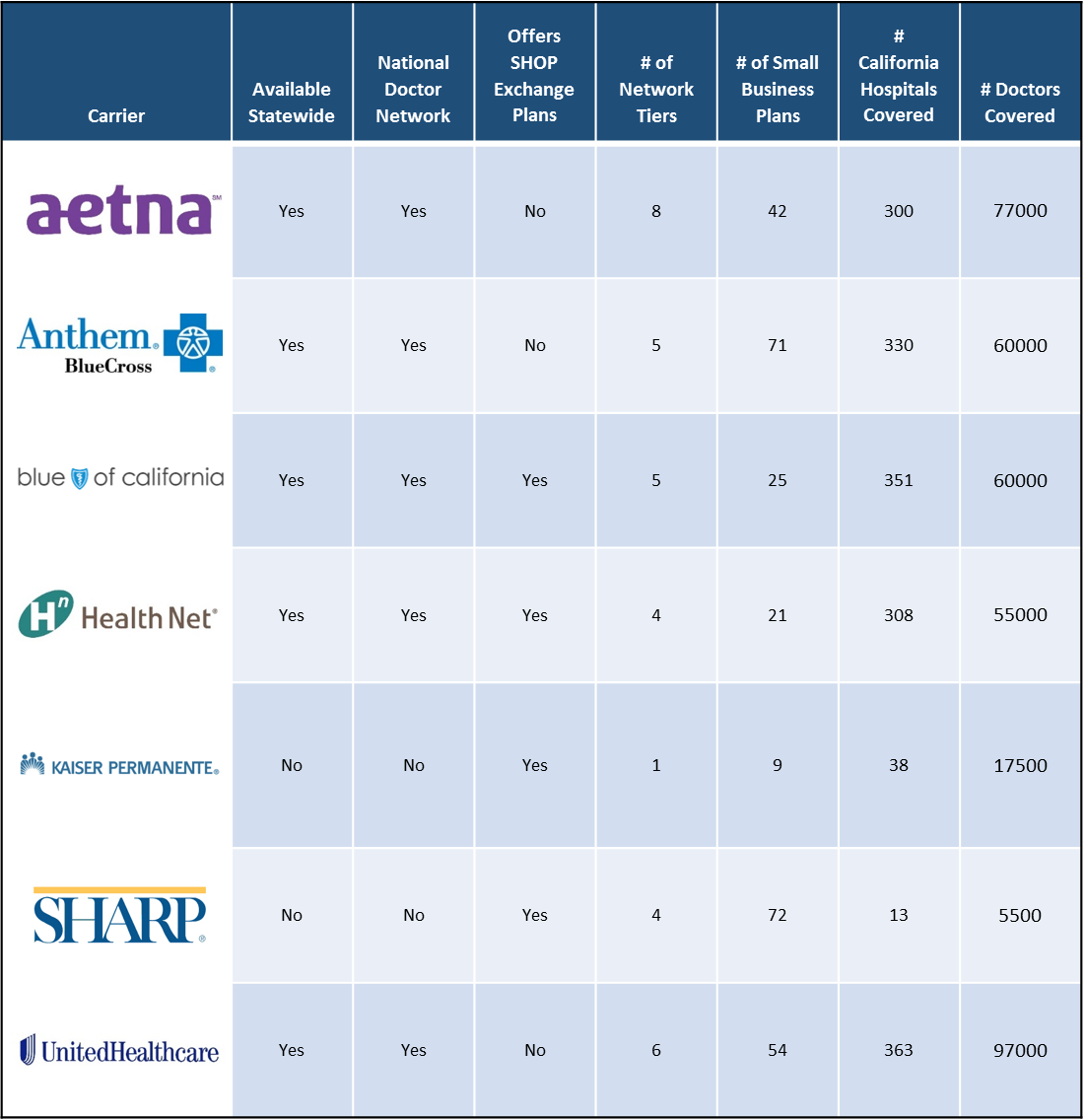
Securing affordable health insurance in California involves navigating Covered California, the state’s official health exchange, where financial assistance like federal premium tax credits and state subsidies significantly lower monthly premiums based on income and household size.
Navigating the healthcare market in California requires an understanding of how state-specific programs, federal laws, and open enrollment periods interact. For residents looking to secure coverage that balances comprehensive care with manageable out-of-pocket costs, the state offers structured pathways through its official health insurance marketplace, Medi-Cal, and private market carriers. Finding an option that fits both medical needs and financial constraints involves evaluating subsidies, metal tiers, provider networks, and qualifying life events.
Understanding the California Healthcare Landscape
California operates its own state-run health insurance marketplace, known as Covered California, established under the federal Affordable Care Act (ACA). Unlike states that rely solely on the federal Healthcare.gov platform, California maintains distinct state-level subsidies and mandates that shape the pricing and availability of plans.
The state mandates that nearly all residents maintain qualifying health coverage or face a state penalty tax, known as the individual mandate. This rule ensures that a broad, healthy risk pool participates in the market, which helps stabilize premium costs across different tiers. To make coverage accessible, Covered California provides substantial financial assistance to individuals and families with low to moderate incomes.
Key Regulatory Differences in California
- State Individual Mandate: Residents must have insurance or pay a penalty on their state tax return unless they qualify for an exemption.
- State-Funded Subsidies: California provides additional financial assistance beyond federal tax credits, targeting middle-income households that might otherwise find coverage unaffordable.
- Standardized Benefit Designs: Plans within specific metal tiers feature identical cost-sharing structures across different insurance carriers, making true apple-to-apple price comparisons simpler for consumers.
Covered California and Financial Assistance Options
The primary gateway to affordable health insurance in California is the state marketplace. Financial help is delivered primarily through two mechanisms: Advanced Premium Tax Credits (APTC) and state-funded subsidies.
Eligibility for these savings depends heavily on your Modified Adjusted Gross Income (MAGI) and the size of your household relative to the federal poverty level (FPL). Under current guidelines, individuals and families earning up to 400% of the FPL—and in many cases significantly higher—qualify for substantial reductions in their monthly premiums.
Types of Financial Assistance Available
- Federal Premium Tax Credits: These credits reduce the monthly cost of health insurance premiums. They can be applied directly to your monthly bill (advanced tax credits) or claimed later when filing federal taxes.
- State-Funded Subsidies: Designed to bridge the gap for middle-income Californians, these state subsidies further reduce monthly premiums for households that exceed federal income thresholds for standard tax credits.
- Cost-Sharing Reductions (CSR): Available to individuals enrolled in Silver-tier plans whose income falls below specific thresholds. These reductions lower deductibles, copayments, and coinsurance amounts when receiving medical care.
| Coverage Type / Tier | Monthly Premium Impact | Out-of-Pocket Costs | Best Suited For |
|---|---|---|---|
| Medi-Cal (Free/Low-Cost) | $0 / Very Low | Minimal to None | Individuals/families earning up to 138% of the FPL. |
| Bronze Tier | Lowest | Highest | Young, healthy individuals seeking catastrophic protection. |
| Silver Tier (with CSR) | Moderate | Moderate to Low | Households qualifying for cost-sharing reductions. |
| Gold / Platinum Tiers | Highest | Lowest | Individuals with high medical utilization or chronic conditions. |
Medi-Cal Eligibility and Enrollment
For lower-income California residents, Medi-Cal (California's Medicaid program) provides free or very low-cost health coverage. Eligibility is primarily based on income rather than assets, and enrollment is open year-round.
Income Thresholds and Rules
- Expansion Adults: Adults aged 19 to 64 with household incomes up to 138% of the federal poverty level qualify based on income alone.
- Children and Pregnant Persons: These groups benefit from significantly higher income thresholds, ensuring broad access to prenatal and pediatric care.
- Immigration Status: California has progressively expanded Medi-Cal eligibility to low-income residents regardless of immigration status, allowing undocumented residents who meet income criteria to enroll in full-scope coverage.
Applicants can apply for Medi-Cal through the Covered California portal or directly via the California Department of Health Care Services (DHCS). If an applicant's income is too high for Medi-Cal, the system automatically transitions the application to Covered California to evaluate eligibility for subsidized private health plans.
Choosing the Right Metal Tier and Plan Structure
Covered California organizes private health plans into four distinct metal tiers: Bronze, Silver, Gold, and Platinum. Each tier represents a different balance between monthly premium costs and out-of-pocket expenses when care is received.
Breakdown of Metal Tiers
- Bronze Plans: Feature the lowest monthly premiums but the highest deductibles. They are ideal for individuals who want protection against major medical emergencies but do not anticipate needing routine doctor visits or regular prescriptions.
- Silver Plans: The most popular tier, offering moderate premiums and moderate cost-sharing. Crucially, Silver plans are the only tier eligible for federal Cost-Sharing Reductions, which can dramatically lower out-of-pocket expenses for eligible lower-income households.
- Gold and Platinum Plans: Feature the highest monthly premiums but the lowest deductibles and copayments. These plans suit individuals with frequent medical needs, regular prescription regimens, or scheduled procedures.
Beyond metal tiers, consumers must examine the plan network structure. The two most common network types in California are Health Maintenance Organizations (HMOs), which require primary care physician referrals and use restricted provider networks, and Preferred Provider Organizations (PPOs), which offer greater flexibility to see specialists without referrals and cover out-of-network care at a higher cost.
Enrollment Windows: Open vs. Special Enrollment
Timing is a critical factor when attempting to secure affordable health insurance in California. Missing established deadlines can leave individuals uninsured for months unless they experience qualifying life events.
Open Enrollment Period (OEP)
The standard Open Enrollment Period typically runs from November 1 through January 31 of the following year. During this window, any eligible California resident can apply for, change, or renew their Covered California health plan without restrictions. Coverage selected during this period generally takes effect on January 1 or February 1, depending on the submission date.
Special Enrollment Period (SEP)
Outside of the standard OEP, individuals can only enroll in a plan if they experience a Qualifying Life Event (QLE). Common qualifying events include:
- Loss of previous health coverage (such as job-based insurance or aging off a parent's plan).
- Changes in household size (marriage, birth, adoption, or placement for adoption).
- Changes in residence (moving to California from another state or moving within California to a new zip code that changes plan availability).
- Changes in income that impact financial assistance eligibility.
- Other qualifying events, such as gaining citizenship or release from incarceration.
Generally, individuals have a 60-day window from the date of the qualifying life event to submit an application and select a plan.
Common Mistakes to Avoid When Shopping for Coverage
Navigating health insurance options can lead to costly errors if certain pitfalls are not avoided. Being aware of these common mistakes helps maximize savings and ensures uninterrupted care.
- Underestimating or Overestimating Income: Inaccurate income reporting during the application process leads to incorrect subsidy calculations. Underestimating income can result in owing money when filing taxes, while overestimating means missing out on valuable monthly savings.
- Ignoring Provider Networks: Choosing a plan solely based on the lowest monthly premium without verifying whether preferred doctors and local hospitals are in-network can result in unexpected out-of-pocket bills.
- Missing Deadlines: Failing to enroll during the Open Enrollment Period or missing the 60-day window for a Special Enrollment Period leaves applicants locked out of coverage until the next cycle.
- Overlooking Prescription Formularies: Not checking whether specific prescription medications are covered under a plan's formulary can lead to high out-of-pocket pharmacy costs.
Frequently Asked Questions
What is the penalty for not having health insurance in California?
California enforces a state individual mandate penalty for residents who go without qualifying health insurance coverage for more than three consecutive months. The penalty is assessed by the Franchise Tax Board when filing state income taxes and is based on household size and income, with a minimum flat fee per family member that adjusts annually.
Can I get financial help if I buy health insurance outside of Covered California?
No. Federal premium tax credits and state-funded subsidies are exclusively available through the official Covered California marketplace. Purchasing a plan directly from an insurance carrier off-exchange means paying the full, unsubsidized monthly premium.
How do I check if my doctor is in-network for a Covered California plan?
Every insurance carrier participating in Covered California provides an online provider directory tool. You can search by doctor name, medical group, or hospital facility to verify network participation before selecting a plan. It is also recommended to call the doctor's office directly to confirm they accept the specific metallic plan tier you are considering.
What happens if my income changes during the year?
You are legally required to report income changes and life events (such as a new job, salary increase, or household size change) to Covered California within 30 days. Reporting these changes promptly allows the exchange to adjust your financial assistance in real-time, preventing large tax discrepancies at the end of the year.
Are dental and vision benefits included in Covered California health plans?
Pediatric dental and vision benefits are mandatory components of all individual and family health plans sold through Covered California for children under 19. However, adult dental and vision coverage is not automatically included in standard health plans and typically requires purchasing standalone dental and vision policies through the exchange.
Practical Next Steps
Securing affordable health insurance in California begins with gathering your most recent tax documents, household income statements, and current policy information. Visit the official Covered California website to use the Shop and Compare tool, which estimates your eligibility for financial assistance in minutes without requiring an immediate commitment. If you require personalized guidance, utilize the directory of certified insurance agents and navigators available through the state portal at no cost to you. Review your medical needs, verify provider networks, and submit your application before the applicable enrollment deadline to secure comprehensive coverage for you and your household.