Navigating addiction and treatment in the modern era requires a multi-modal approach that integrates evidence-based clinical interventions, digital health technology, and harm reduction strategies. Effective recovery today prioritizes personalized care pathways—combining pharmacological, psychological, and social support—to address the physiological and behavioral complexities of substance use disorders within contemporary healthcare environments.
The Paradigm Shift in Addiction Science
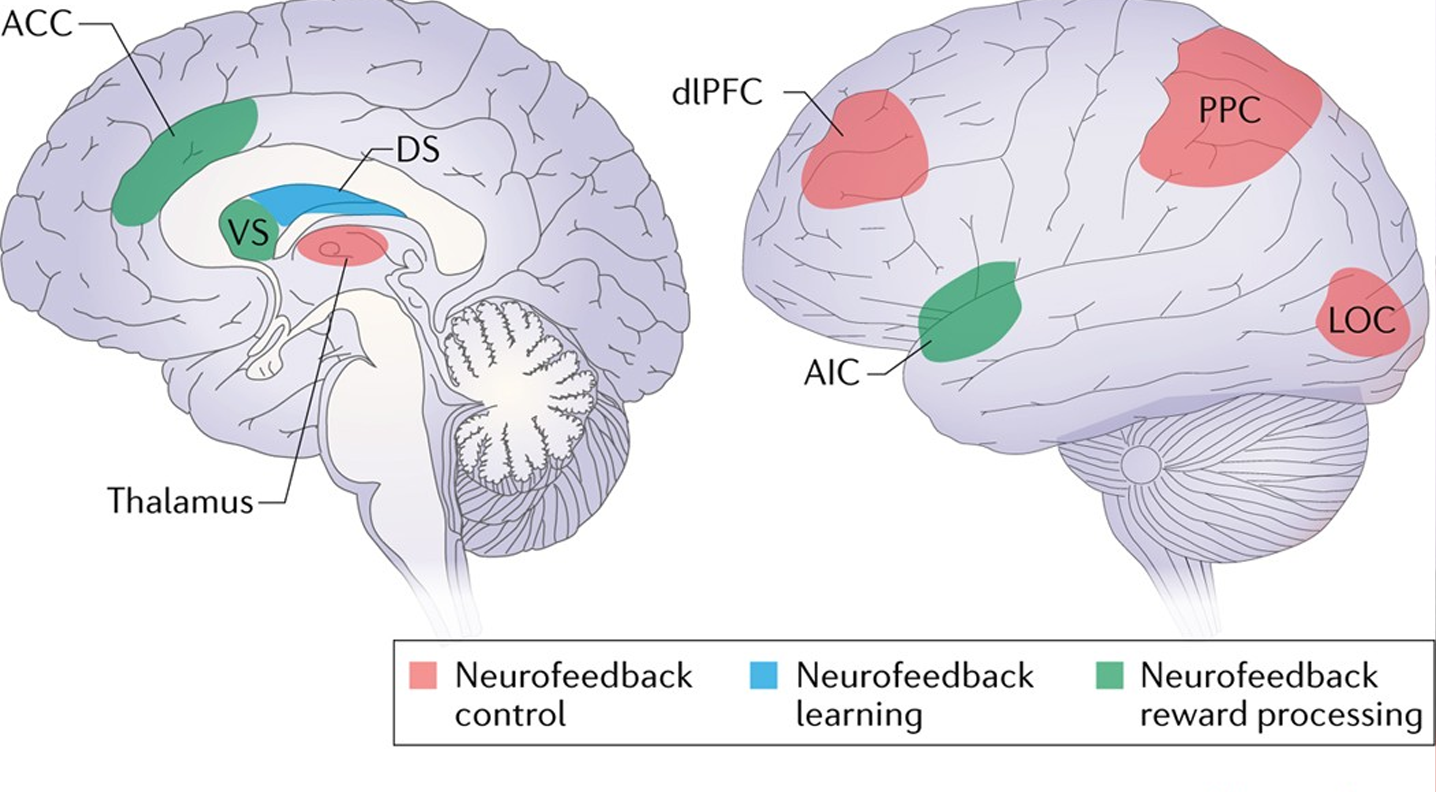
The contemporary understanding of addiction has moved decisively away from moral failing toward a chronic, relapsing brain disorder model. In 2026, the medical community largely views addiction as a condition involving functional changes in brain circuits involved in reward, stress, and self-control. This shift is not merely academic; it dictates how modern treatment centers assess patients and design long-term recovery plans.
Modern treatment recognizes that physiological dependence often necessitates medical intervention. For many, the "cold turkey" approach is not only ineffective but potentially life-threatening due to withdrawal symptoms. Consequently, the standard of care has transitioned toward a continuum of treatment, which encompasses medical detox, residential inpatient care, intensive outpatient programs (IOPs), and long-term community-based support.
Core Pillars of Modern Treatment
Effective recovery in the current landscape is typically built upon a foundation of three specific pillars. No single approach is considered a "cure"; rather, the synergy of these methods provides the highest probability of sustained abstinence and improved quality of life.
1. Medication-Assisted Treatment (MAT)
Medication-Assisted Treatment involves the use of FDA-approved medications, in combination with counseling and behavioral therapies, to provide a "whole-patient" approach to the treatment of substance use disorders.
- Opioid Use Disorder: Medications like buprenorphine, methadone, and naltrexone are gold standards for managing physical cravings and blocking the effects of opioids.
- Alcohol Use Disorder: Naltrexone, acamprosate, and disulfiram assist in reducing alcohol consumption and maintaining sobriety by mitigating withdrawal effects or creating an aversion to intake.
2. Behavioral Therapies
Clinical psychological interventions remain the backbone of psychological recovery. Cognitive Behavioral Therapy (CBT) helps patients identify and correct problematic behaviors by applying a range of different skills that can be used to stop drug abuse and to address a range of other problems that often co-occur with it. Contingency Management (CM) is another evidence-based approach, providing tangible rewards to reinforce positive behaviors like clean drug screens.
3. Digital Health and Telehealth
The integration of digital health has been one of the most significant evolutions in recent years. Telehealth has removed geographical barriers to care, allowing patients in rural or underserved areas to consult with addiction specialists via encrypted video conferencing. Furthermore, mobile applications designed for recovery support provide real-time tracking of sobriety, access to virtual support groups, and automated reminders for medication adherence.
Comparative Overview of Treatment Settings
The following table outlines the standard treatment environments available in the modern healthcare system, helping individuals and families distinguish between levels of care based on clinical necessity.
| Setting | Intensity | Primary Goal | Duration |
|---|---|---|---|
| Medical Detox | High (24/7) | Manage withdrawal safely | 3–7 days |
| Residential/Inpatient | High (24/7) | Behavioral stability & immersion | 30–90 days |
| Partial Hospitalization | Moderate | Daily clinical care, home living | 4–8 weeks |
| Intensive Outpatient | Low-Moderate | Relapse prevention & skill building | 3–6 months |
| Aftercare/Sober Living | Low | Long-term peer support | 6+ months |
Addressing Co-occurring Disorders
The modern era emphasizes "dual diagnosis" or "co-occurring disorders," which refers to the presence of both a substance use disorder and a mental health condition (such as depression, anxiety, or PTSD). Treating one without the other is rarely successful, as the untreated condition often acts as a trigger for relapse.
Integrated treatment models now require that clinicians from different specialties communicate and synchronize care. If a patient is receiving therapy for trauma, the provider must be aware of their substance use history to ensure the treatment plan does not inadvertently trigger a return to substance use.
Challenges to Modern Treatment
Despite advancements, the field faces significant systemic hurdles. The most prominent is the issue of parity—the legal requirement that health insurance plans cover mental health and addiction treatment services in the same way they cover medical and surgical services. While legislation like the Mental Health Parity and Addiction Equity Act exists, implementation and coverage remains inconsistent across providers and states.
Additionally, the stigma surrounding addiction persists in both social and professional spheres. This stigma often prevents individuals from seeking help during the early stages of a disorder, leading to more complex medical needs by the time they reach a facility.
The Role of Harm Reduction
Modern treatment acknowledges that not every individual will achieve immediate, total abstinence. Harm reduction—a set of practical strategies and ideas aimed at reducing negative consequences associated with drug use—has gained broader acceptance. This includes needle exchange programs, access to naloxone (an overdose reversal agent), and supervised consumption sites. Proponents argue that by keeping individuals alive and connected to healthcare services, these measures increase the window of opportunity for them to eventually choose abstinence.
Practical Steps for Seeking Help
If you or a loved one are seeking treatment, the process typically follows this logical sequence:
- Clinical Assessment: Contact a qualified medical professional or a licensed addiction counselor to conduct a comprehensive assessment. This determines the severity of the addiction and identifies any co-occurring physical or mental health conditions.
- Insurance Verification: Determine what levels of care are covered under your specific insurance plan. Ask for a list of "in-network" providers to minimize out-of-pocket costs.
- Level of Care Determination: Based on the assessment, choose a facility that offers the appropriate intensity of care (Detox vs. Inpatient vs. Outpatient).
- Transition Planning: Treatment does not end upon discharge from a facility. Ensure a "step-down" plan is in place, such as attending local 12-step meetings, SMART Recovery groups, or regular follow-up therapy sessions.
Frequently Asked Questions
What is the difference between inpatient and residential treatment? While often used interchangeably, "inpatient" typically refers to hospital-based care with 24/7 medical monitoring. "Residential" treatment happens in a non-hospital, home-like setting, focusing on behavioral modification and intensive therapy, usually for a longer duration.
How do I know if a treatment facility is legitimate? Check for accreditation from reputable national bodies such as The Joint Commission or the Commission on Accreditation of Rehabilitation Facilities (CARF). Verify that the facility is licensed by the state health department.
What should I do if a family member refuses treatment? While you cannot force an adult into treatment unless they meet specific criteria for involuntary commitment (which varies by state), you can stage a formal intervention with a professional, set firm boundaries regarding financial or logistical support, and focus on your own mental health through support groups like Al-Anon or Nar-Anon.
Is recovery from addiction permanent? Recovery is generally viewed as a lifelong process of management. Like other chronic diseases (e.g., diabetes or hypertension), relapse is possible, but it does not represent a failure of the treatment. Instead, it signals a need to re-evaluate the treatment plan and intensify support.
Can I use insurance for addiction treatment? Yes. Under the Affordable Care Act and parity laws, most private insurance plans are required to cover substance use disorder treatment as an essential health benefit. However, the specific procedures, authorization requirements, and copays vary significantly by plan.
Next Actions
If you are currently evaluating options, the most immediate and impactful step is to consult a primary care physician. They can provide a neutral, medically grounded referral to a specialist or a reputable facility. Ensure that you have your insurance identification details ready, as these are required for checking eligibility at nearly every treatment center. If you are in crisis, reach out to local emergency services or a national suicide and crisis lifeline, which provide immediate, anonymous, and free support 24/7.