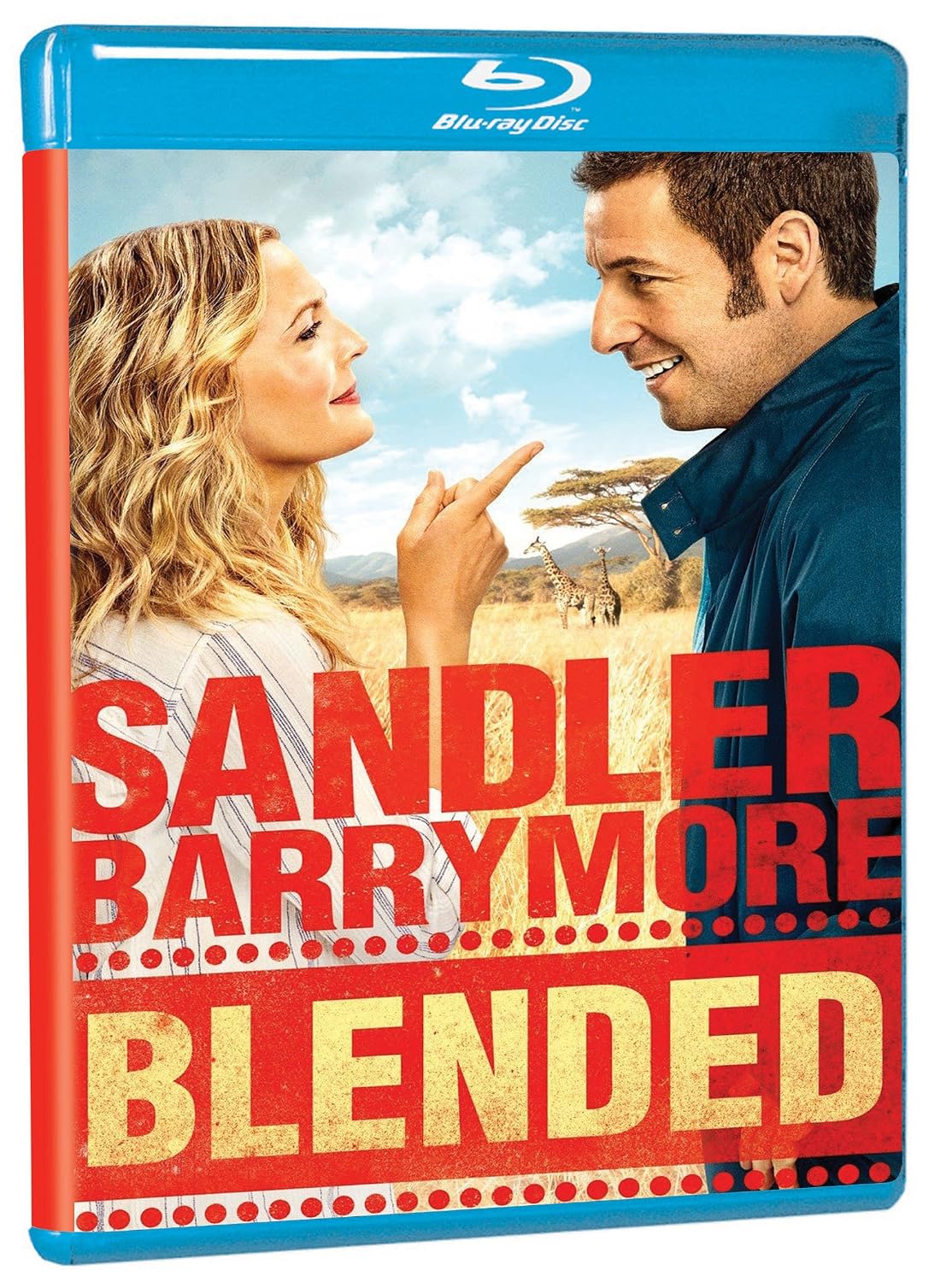
Adam Sandler and Drew Barrymore have cemented their status as one of Hollywood’s most beloved on-screen duos, starring in three major romantic comedies together over the span of nearly two decades. Their professional chemistry, often defined by a blend of Sandler’s trademark slapstick humor and Barrymore’s grounded, endearing vulnerability, has resulted in a trilogy of films that track the evolution of their careers and their maturing comedic sensibilities.
The definitive order of these collaborations is The Wedding Singer (1998), 50 First Dates (2004), and Blended (2014). While their collective filmography is limited to these three theatrical features, each film serves as a distinct milestone in their shared trajectory. Understanding this progression allows viewers to appreciate how their dynamic shifted from the nostalgia-soaked 1980s aesthetic of their first outing to the contemporary, family-oriented themes of their most recent project. This guide examines these films in chronological order, providing context on their production, thematic resonance, and cultural impact.
1. The Wedding Singer (1998)
Released in 1998, The Wedding Singer represents the beginning of the Sandler-Barrymore era. Directed by Frank Coraci, this film was a critical turning point for Adam Sandler, helping to transition him from the abrasive, high-energy persona cultivated on Saturday Night Live to a more nuanced, romantic leading man. Drew Barrymore’s casting as Julia Sullivan—a kind-hearted, unassuming waitress—offered the perfect emotional foil to Sandler’s Robbie Hart, a man whose heart is broken after being left at the altar.
The film is set in 1985, capitalizing on the mid-90s cultural obsession with 80s nostalgia. This stylistic choice is not merely cosmetic; it dictates the film’s soundtrack, costume design, and emotional stakes. Robbie, a wedding singer who has lost his faith in love, finds an unlikely connection with Julia, who is engaged to a superficial, unfaithful businessman. The strength of this film lies in the genuine vulnerability the pair brings to their roles. It established the "Sandler-Barrymore" blueprint: a story where two outsiders find solace in one another’s company, punctuated by absurd side characters and heartfelt, character-driven comedy.
2. 50 First Dates (2004)
Six years after their first collaboration, the duo reunited for the 2004 film 50 First Dates. Directed by Peter Segal, this film shifted the tone from the retro-pop sensibilities of The Wedding Singer to a more tropical, high-concept narrative set in Hawaii. In this film, Sandler plays Henry Roth, a veterinarian who is notorious for his commitment issues, while Barrymore plays Lucy Whitmore, a woman suffering from short-term memory loss as a result of a tragic accident.
The premise relies on a "Groundhog Day" style mechanic, where Henry must make Lucy fall in love with him every single day. While the film retains the signature Sandler-esque humor—complete with gross-out gags and a colorful ensemble of supporting characters—the underlying emotional weight of 50 First Dates is significantly heavier than their previous work. It explores themes of loyalty, patience, and the idea that love requires consistent effort rather than a singular "happily ever after" moment. Critics at the time praised the film for successfully balancing the delicate nature of Lucy’s condition with the comedic requirements of a mainstream rom-com.
3. Blended (2014)
The third and most recent entry in the informal trilogy is Blended, released in 2014. By this time, both actors were significantly older, and their on-screen dynamic shifted to reflect the complexities of middle-aged parenthood. Once again directed by Frank Coraci, the film follows Jim Friedman (Sandler) and Lauren Reynolds (Barrymore), two single parents who have a disastrous blind date and vow never to see each other again. Through a series of contrivances involving shared vacations and blended families, they eventually find themselves stuck at the same African resort.
Blended serves as a mature reflection on their previous collaborations. While The Wedding Singer dealt with young love and 50 First Dates dealt with the pursuit of a relationship, Blended addresses the realities of co-parenting, grief, and moving forward after the loss of a spouse. The humor is broader and often leans into slapstick, but the focus remains on the chemistry between the two leads as they navigate the challenges of merging two separate lives. It acts as a bookend to their trilogy, showing how the "Sandler-Barrymore" pairing could adapt to suit different stages of life.
Comparison Table of Collaborative Features
To understand how these films differ, the following table breaks down the setting, premise, and core themes of their three primary collaborations.
| Film Title | Release Year | Primary Setting | Key Premise |
|---|---|---|---|
| The Wedding Singer | 1998 | New Jersey (1985) | An unlikely romance blossoms between a musician and a bride-to-be. |
| 50 First Dates | 2004 | Hawaii | A man must woo a woman with memory loss every single day. |
| Blended | 2014 | South Africa | Two single parents are forced to coexist during a resort vacation. |
Why the Partnership Works
The endurance of the Sandler and Barrymore partnership is largely attributed to the contrast in their comedic styles. Sandler often portrays characters who are somewhat abrasive, defensive, or prone to temper tantrums, whereas Barrymore is known for her warmth, sincerity, and wide-eyed optimism. When placed together, Sandler’s characters are usually "tamed" by the empathy of Barrymore’s characters, while Barrymore’s characters are given room to be quirkier and more spontaneous due to the space Sandler’s comedy creates.
Furthermore, both actors have maintained a level of mutual respect that is evident in their press junkets and interviews. This off-screen rapport translates to an on-screen comfort level that allows for genuine improvisational moments. They share a comedic shorthand that is rarely seen in modern Hollywood, where actors are often swapped in and out of projects to maximize regional appeal. For Sandler and Barrymore, the audience knows exactly what to expect: a story that is ultimately kind-hearted, even when the humor occasionally leans toward the juvenile.
Common Themes and Motifs
Throughout these three films, several thematic elements recur, signaling a consistent creative vision:
- The "Fish Out of Water" Scenario: In each film, the protagonists are placed in environments that force them to confront their personal baggage—whether it is a wedding, a hospital ward for memory care, or an African safari.
- The Importance of Community: Sandler films are famous for their ensemble casts, and this remains true in all three movies. Friends, colleagues, and family members play essential roles in pushing the two leads together.
- Healing Through Connection: Each film centers on a protagonist who is emotionally unavailable or broken (due to heartbreak, injury, or loss). The relationship with the other lead is the catalyst for personal growth and healing.
- 80s and 90s Nostalgia: From the literal 80s setting of The Wedding Singer to the musical choices and stylistic nods in the later films, there is a recurring sense of comfort in the past that the audience feels invited to share.
Practical Guidance for Viewers
For those looking to experience these films, it is recommended to watch them in the order they were released. This allows the viewer to see the natural progression of the actors' chemistry and the evolution of the romantic comedy genre from the late 90s to the 2010s.
Where to Find Them
As of 2026, these films are frequently available on major streaming platforms and digital rental services. Because licensing agreements change periodically, it is advisable to check centralized movie search engines to determine which service currently holds the distribution rights in your region. Most platforms offer these titles in high-definition (HD) and 4K, which is particularly recommended for 50 First Dates and Blended to fully appreciate the cinematography of their respective locations.
Potential Pitfalls
Newer viewers should be aware that the humor in these films is characteristic of the late 90s and early 2000s, which includes a heavy reliance on physical comedy and, in some instances, jokes that may feel dated or insensitive by 2026 standards. These films are best enjoyed as "comfort watches" rather than complex social commentaries.
Frequently Asked Questions
Did Adam Sandler and Drew Barrymore ever star in a movie together other than these three? While these three films are their primary collaborations, their relationship is strictly professional. They have not starred in any other full-length feature films together, though they have appeared in each other's orbit through various cameos and guest appearances on talk shows, which often highlights their enduring friendship.
Are these films considered a connected franchise? No, the three films are independent stories with different characters, settings, and plot lines. They are not a connected universe; however, they are often colloquially referred to as a "trilogy" by fans because of the unique chemistry the pair shares across the decades.
Which of the three films is considered the best by critics? The Wedding Singer generally holds the highest critical approval ratings. Critics often point to its script, its effective use of 80s nostalgia, and the novelty of seeing Sandler in a truly romantic role as reasons for its longevity and success compared to the later, more formulaic entries.
Will there be a fourth Adam Sandler and Drew Barrymore movie? As of 2026, no official announcements regarding a fourth collaboration have been made. Both actors have pursued diverse projects in recent years, though they have frequently expressed in interviews that they would be open to working together again if the right script were presented.
Recommendations for Further Viewing
If you enjoy the dynamic between these two, you may find interest in other films that occupy a similar comedic space. For fans of Adam Sandler, exploring his more dramatic work, such as Punch-Drunk Love or Uncut Gems, provides a look at the depth of his acting range. For fans of Drew Barrymore, her work in the 90s classic Ever After or her various romantic comedies during the early 2000s offers a similar blend of charm and sincerity. If you appreciate the "blended family" or "romantic obstacle" tropes found in their work, other films of that era like The Holiday or How to Lose a Guy in 10 Days offer a similar viewing experience.
Ultimately, the Sandler and Barrymore films are a testament to the power of on-screen rapport. Whether you start with the musical nostalgia of their first team-up or the mature, family-oriented humor of their most recent work, the journey through these three films provides a clear view of how two icons of comedy have grown alongside their audience. The most effective way to enjoy them is to revisit them with an appreciation for the specific time and place each film represents, as they remain staple entries in the canon of contemporary romantic comedies.