The best places to go wedding dress shopping in 2026 include luxury bridal hubs like New York City, high-end department stores such as Bergdorf Goodman, and innovative online platforms like Stillwhite and Anthropologie Weddings. For a bespoke experience, designer flagship ateliers and independent boutiques offer personalized curation and professional tailoring.
Selecting a wedding gown is a multifaceted process that involves balancing aesthetic vision, lead times, and budgetary constraints. In 2026, the bridal market has evolved to prioritize both the physical "salon experience" and the efficiency of digital-first platforms. Whether you are seeking a custom-made couture gown or a sustainable, pre-loved piece, identifying the right destination is the first step toward a successful purchase.
Understanding the 2026 Bridal Market Landscape
Before embarking on your shopping journey, it is essential to understand the current state of the industry. The lead time for a made-to-order gown typically ranges from six to nine months, though some luxury ateliers require a full year. Conversely, the rise of "ready-to-ship" luxury and high-end resale has provided solutions for shorter engagement timelines.
In 2026, many physical boutiques have integrated digital tools into the appointment process. Virtual pre-consultations are now standard, allowing stylists to curate a selection of gowns before the bride even enters the salon. This hybrid approach minimizes "trying-on fatigue" and ensures that the appointment remains focused on the highest-potential garments.
1. New York City’s Luxury Bridal District
New York City remains the global epicenter for wedding dress shopping. The city offers a concentration of talent and inventory that is unmatched elsewhere. The primary advantage of shopping in NYC is the diversity of styles available within a relatively small geographic area, primarily concentrated in Manhattan’s Chelsea, Garment District, and Upper East Side.
Kleinfeld Bridal continues to be the most recognized name in the industry. Known for its massive inventory and historical significance, it serves as a "one-stop shop" for many brides. However, the NYC experience extends far beyond the most famous names. Boutiques like Mark Ingram Atelier offer a more curated, editorial selection for the fashion-forward bride. These salons often secure exclusive rights to certain international designers, making them the only location in the United States to carry specific collections.
When shopping in New York, it is important to account for the competitive nature of appointments. Most top-tier salons require booking several weeks in advance and may charge an appointment fee ranging from $50 to $200, which is often applied toward a final purchase.
2. High-End Department Store Salons
For brides who prefer a refined, comprehensive shopping experience, luxury department stores like Bergdorf Goodman and Saks Fifth Avenue provide an unparalleled level of service. These retailers maintain dedicated bridal salons that operate independently from their main floor operations.
The benefit of a department store salon is the "white-glove" service. Brides often have access to in-house alterations, accessory styling, and even coordination with beauty services. Bergdorf Goodman’s bridal salon, located on the 7th floor of its iconic Fifth Avenue location, is particularly noted for its selection of timeless, high-fashion designers such as Oscar de la Renta and Carolina Herrera. These locations are ideal for the bride who wants a cohesive look, including shoes, jewelry, and lingerie, all sourced within a single establishment.
3. Anthropologie Weddings (Formerly BHLDN)
For the bride seeking a "bohemian-chic" or "modern-romantic" aesthetic, Anthropologie Weddings remains a top destination in 2026. The brand successfully rebranded from BHLDN to fully integrate into the Anthropologie lifestyle, offering a range of price points that are generally more accessible than traditional couture salons.
One of the greatest strengths of Anthropologie Weddings is the accessibility of its physical locations and its robust online presence. They specialize in gowns that are often available for immediate delivery or have significantly shorter lead times (weeks rather than months). This makes them a preferred choice for elopements or short-lead weddings. Their gowns frequently feature intricate lace, lightweight fabrics, and silhouettes that prioritize comfort without sacrificing style.
4. Online Direct-to-Consumer Platforms
In 2026, the stigma once associated with buying a wedding dress online has completely vanished. Platforms such as Azazie and Lulus have mastered the direct-to-consumer (DTC) model, offering high-quality garments at a fraction of the cost of boutique prices.
Azazie is particularly noteworthy for its "Home Try-On" program. Brides can select several gowns to be shipped to their home for a small fee, allowing them to assess the fit and fabric quality in a low-pressure environment. These platforms utilize advanced sizing algorithms and offer custom-size options where the gown is cut to the bride's specific measurements, potentially reducing the need for expensive post-purchase alterations. This segment of the market is ideal for the budget-conscious bride or those looking for a second "reception" dress.
5. Luxury Resale and Circular Fashion Marketplaces
Sustainability is a cornerstone of the 2026 bridal market. Many modern brides are turning to luxury resale platforms to find designer gowns at 30% to 70% off the original retail price. Stillwhite and Nearly Newlywed are the leaders in this space, providing a secure marketplace for verified sellers and buyers.
Shopping for a pre-owned dress allows brides to access high-end designers like Vera Wang, Monique Lhuillier, or Galia Lahav that might otherwise be outside their budget. Furthermore, these platforms facilitate "circular fashion," allowing brides to sell their gowns back into the market after the wedding. When using these services, it is vital to check the gown’s alteration history, as a dress that has already been hemmed or taken in may have limited flexibility for a second owner.
6. Designer Flagship Ateliers
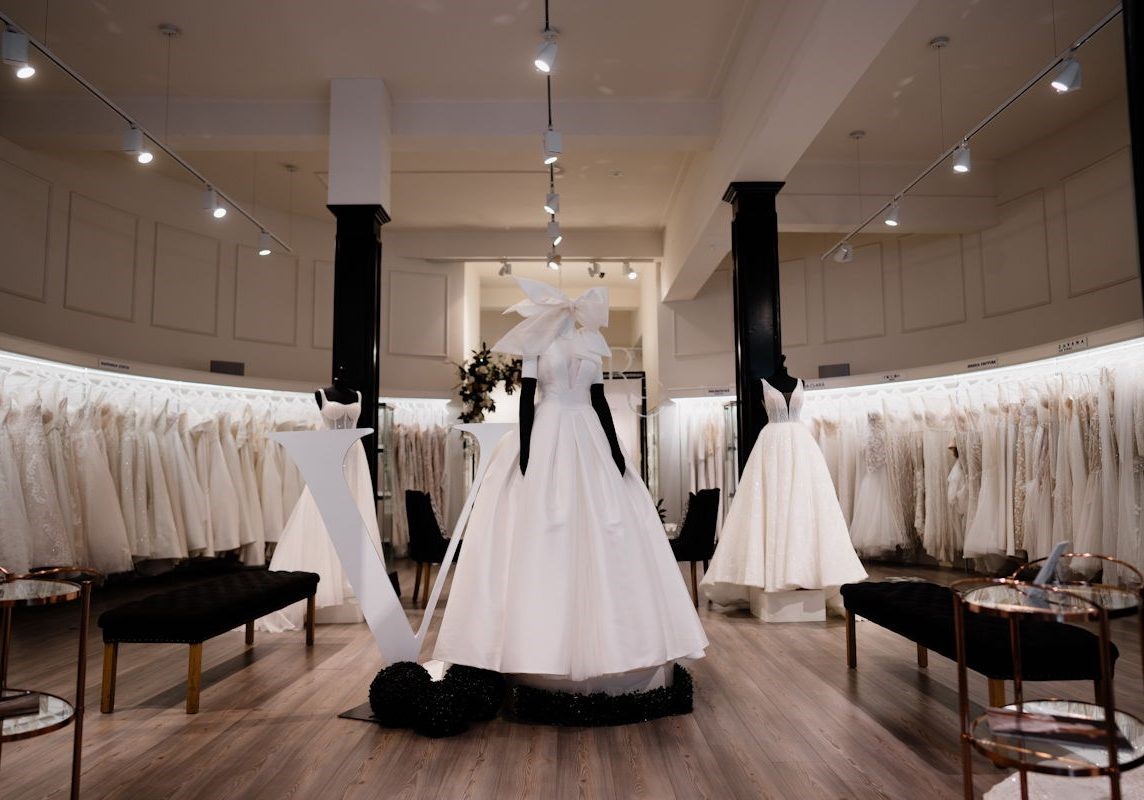
For a bride who has a specific designer in mind, visiting a Flagship Atelier is the gold standard. Whether it is the Vera Wang flagship in New York or the Galvan London studio, shopping directly with the designer’s team offers the most comprehensive view of their entire collection.
Flagships often carry the "full runway" selection, including experimental pieces that may not be picked up by multi-brand boutiques. Additionally, flagship stores are the primary hosts of trunk shows. During these events, the designer or their lead representative visits the store with the newest, unreleased collection. Buying during a trunk show often comes with perks, such as a 10% discount or the ability to request custom modifications directly from the design house.
7. Independent Local Bridal Boutiques
Despite the growth of online retail and large-scale salons, independent local boutiques remain a vital part of the bridal journey. These businesses often curate a unique "edit" of designers based on the regional style and the owner’s personal aesthetic.
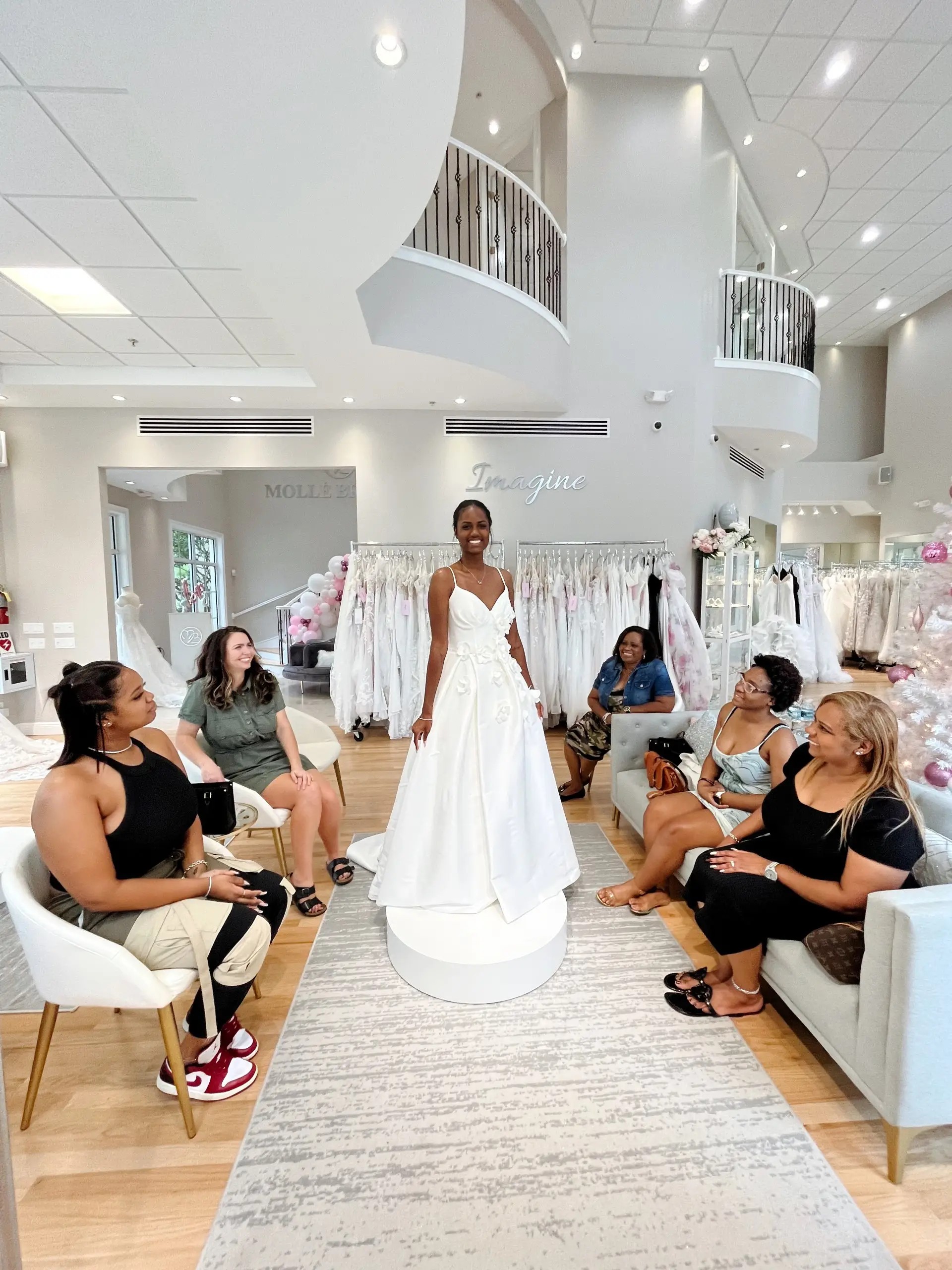
The primary advantage here is the relationship. Local boutiques often provide a more intimate setting and personalized attention. They are deeply integrated with local seamstresses and vendors, offering a network of support that goes beyond the dress. In 2026, many of these boutiques have pivoted to "exclusive-use" appointments, where the bride and her party have the entire shop to themselves, creating a memorable celebratory experience.
8. European Fashion Capitals (London and Paris)
For the destination shopper, London and Paris offer some of the world’s most exquisite bridal craftsmanship. London’s Chiltern Street is home to several high-end bridal designers, while Paris remains the heart of couture.
French designers like Rime Arodaky and Laure de Sagazan have defined a specific "Parisian Cool" aesthetic—unstructured, chic, and effortlessly elegant. Shopping in Europe often requires a different logistical approach, including VAT refund processes and international shipping considerations. However, for a bride seeking a gown that feels truly unique to the North American market, a European shopping trip can provide a one-of-a-kind silhouette.
Comparison of Shopping Destinations
The following table summarizes the key differences between these shopping avenues to help you decide which fits your needs.
| Destination Type | Price Range | Average Lead Time | Primary Vibe | Best For |
|---|---|---|---|---|
| NYC Luxury Salons | $3,000 – $15,000+ | 6 – 9 Months | High-Energy / Editorial | Selection variety |
| Dept. Store Salons | $4,000 – $20,000+ | 6 – 10 Months | Traditional / Sophisticated | Service & Accessories |
| Anthropologie | $800 – $4,000 | 1 – 4 Months | Boho / Romantic | Shorter timelines |
| Online DTC | $200 – $1,200 | 2 – 8 Weeks | Modern / Efficient | Budget-conscious |
| Resale Platforms | $500 – $8,000 | Immediate | Sustainable / Value | Designer on a budget |
| Designer Flagships | $5,000 – $25,000+ | 8 – 12 Months | Exclusive / Bespoke | Specific designer fans |
| Local Boutiques | $1,500 – $6,000 | 6 – 9 Months | Intimate / Personal | Personalized service |
| European Ateliers | $3,500 – $12,000 | 7 – 10 Months | Chic / Avant-Garde | Unique silhouettes |
Critical Logistics for 2026 Brides
Regardless of where you shop, several technical factors remain constant in 2026. Understanding these will prevent common pitfalls.
Alterations and Fittings
Very few wedding dresses fit perfectly off the rack. Even if you purchase a "made-to-order" gown, it is created to the designer’s closest standard size based on your measurements, not your exact body shape. Budgeting for professional alterations is mandatory. In 2026, the average cost of alterations ranges from $500 to $1,000, depending on the complexity of the fabric and the amount of structural work required.
Appointment Etiquette
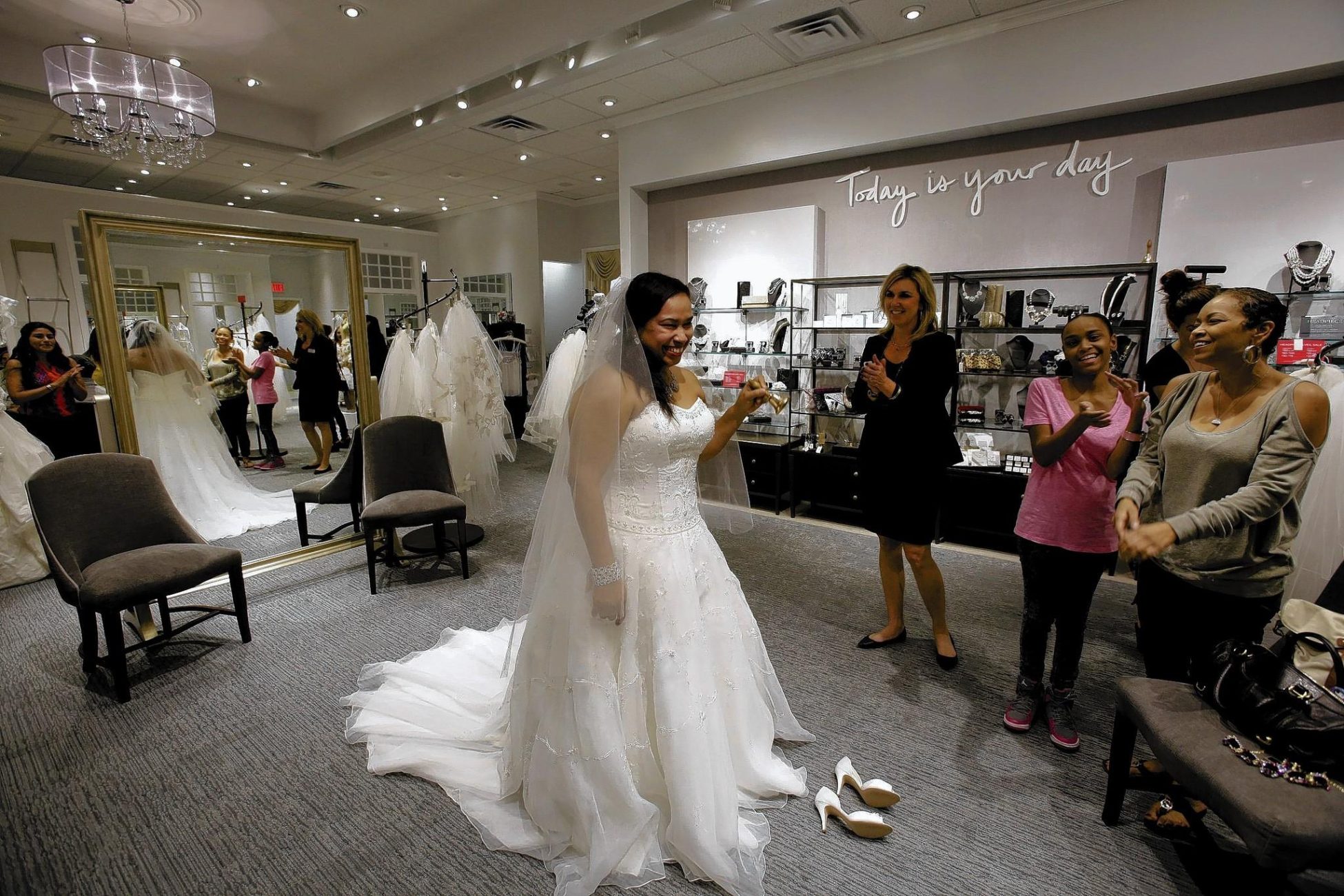
Most salons in 2026 limit the number of guests a bride can bring to 2 or 3 people. This trend, which stabilized after the pandemic years, ensures that the stylist can focus on the bride’s vision without too many conflicting opinions. It is also recommended to wear nude, seamless undergarments and bring a pair of shoes with a height similar to what you plan to wear on the wedding day.
Hidden Costs
When shopping, always ask about "plus-size" surcharges, shipping fees, and rush fees. If your wedding is less than six months away, many boutiques will charge a rush fee of 10% to 20% of the gown's price to guarantee delivery. Additionally, check if the boutique offers gown preservation services post-wedding, which is an often-overlooked expense.
Frequently Asked Questions
When should I start wedding dress shopping?
Ideally, you should begin shopping 12 months before your wedding date. Most made-to-order gowns take 6 to 9 months to manufacture, and you will need an additional 2 to 3 months for multiple rounds of alterations. If you have a shorter timeline, focus on online retailers or off-the-rack samples.
Do I need to pay for appointments?
In 2026, many high-end salons and designer flagships charge an appointment fee. This is designed to ensure that the bride is serious and to cover the cost of the dedicated stylist. These fees are typically refundable if you purchase a dress during your visit, but be sure to clarify the policy when booking.
What is a trunk show, and why should I go?
A trunk show is a specific timeframe (usually a weekend) where a boutique hosts the entire collection of a single designer. It often includes gowns not usually kept in stock. It is the best time to see the breadth of a designer’s work and often comes with a "trunk show discount" of about 10%.
Can I change the design of a dress?
"Customizations" depend on the designer. Some allow for minor changes, such as raising a neckline or adding sleeves, for an additional fee. This is easiest to negotiate at Designer Flagships or high-end boutiques that have a direct line to the design house.
Is buying a pre-owned dress safe?
Yes, provided you use a reputable marketplace like Stillwhite. These platforms offer payment protection and verification processes. However, always request detailed photos of the current state of the dress, especially the hemline and underarms, and ask for a record of all previous alterations.
Strategic Recommendation for Brides
To find the best dress with the least amount of stress, begin by defining your three non-negotiables (e.g., budget, silhouette, or fabric). Start your journey at a local boutique or a high-end department store to identify which silhouettes actually suit your body type, as many brides end up choosing a different style than they originally envisioned. Once you have a clear direction, you can then decide whether to pursue a luxury flagship experience, a sustainable resale find, or the convenience of a modern online platform.