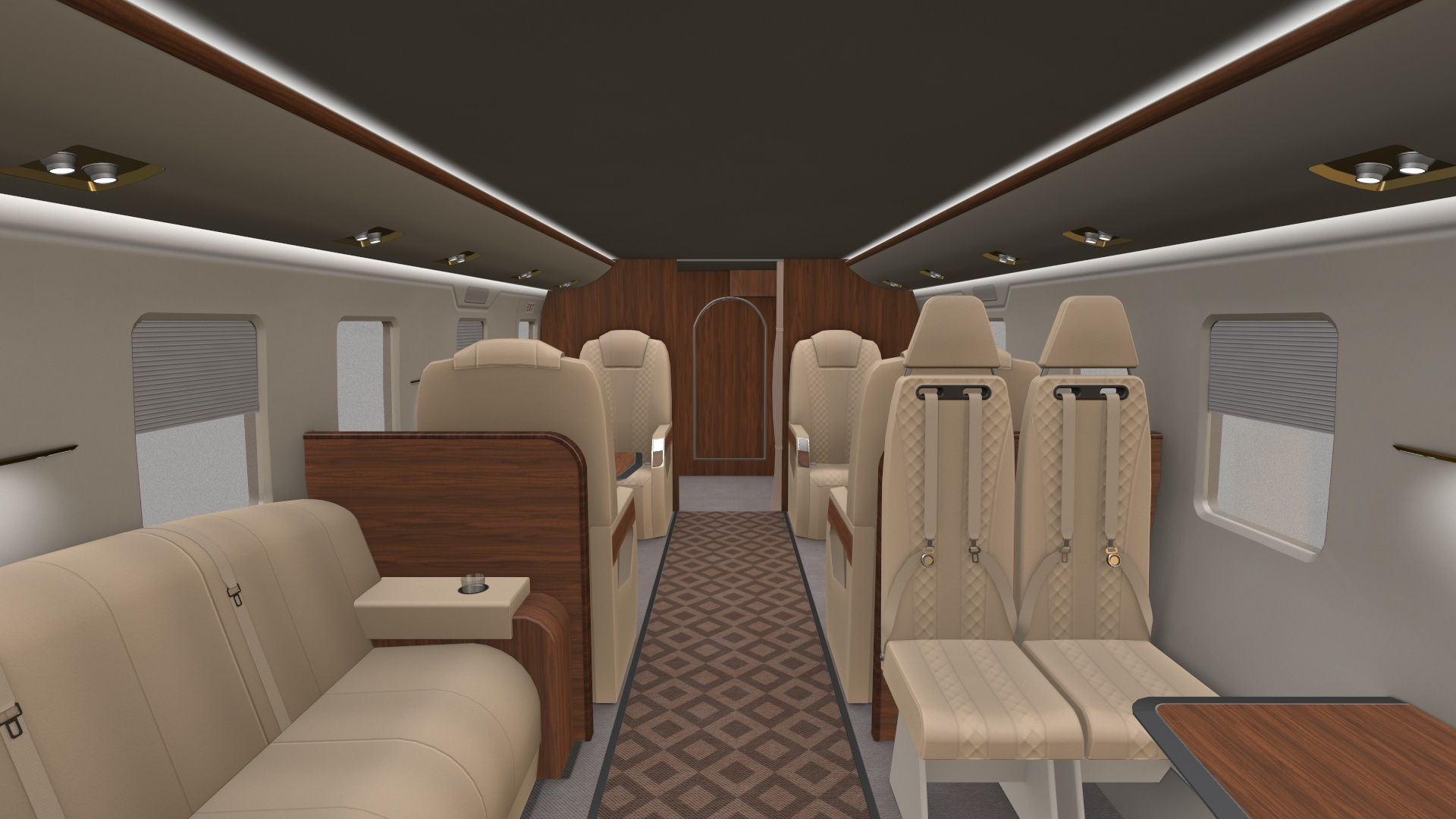
In 2026, 747-8 VIP interior design trends focus on "Residential Fluidity," blending biophilic elements with advanced wellness technologies to create flying penthouses. Owners are prioritizing sustainable, lightweight composite materials and seamless Low Earth Orbit (LEO) connectivity, transforming the "Queen of the Skies" into a multi-functional sanctuary for global commerce and private restoration.
The Boeing 747-8, though no longer in active production as of 2023, remains the ultimate canvas for VVIP aviation. In 2026, the market has shifted from the delivery of "green" airframes to the sophisticated refurbishment and mid-life modernization of existing fleets. With nearly 4,800 square feet of cabin space, the 747-8 offers a scale that allows designers to ignore the typical constraints of narrow-body jets, moving toward architectural philosophies previously reserved for superyachts and high-end real estate.
The Shift Toward "Residential Fluidity"
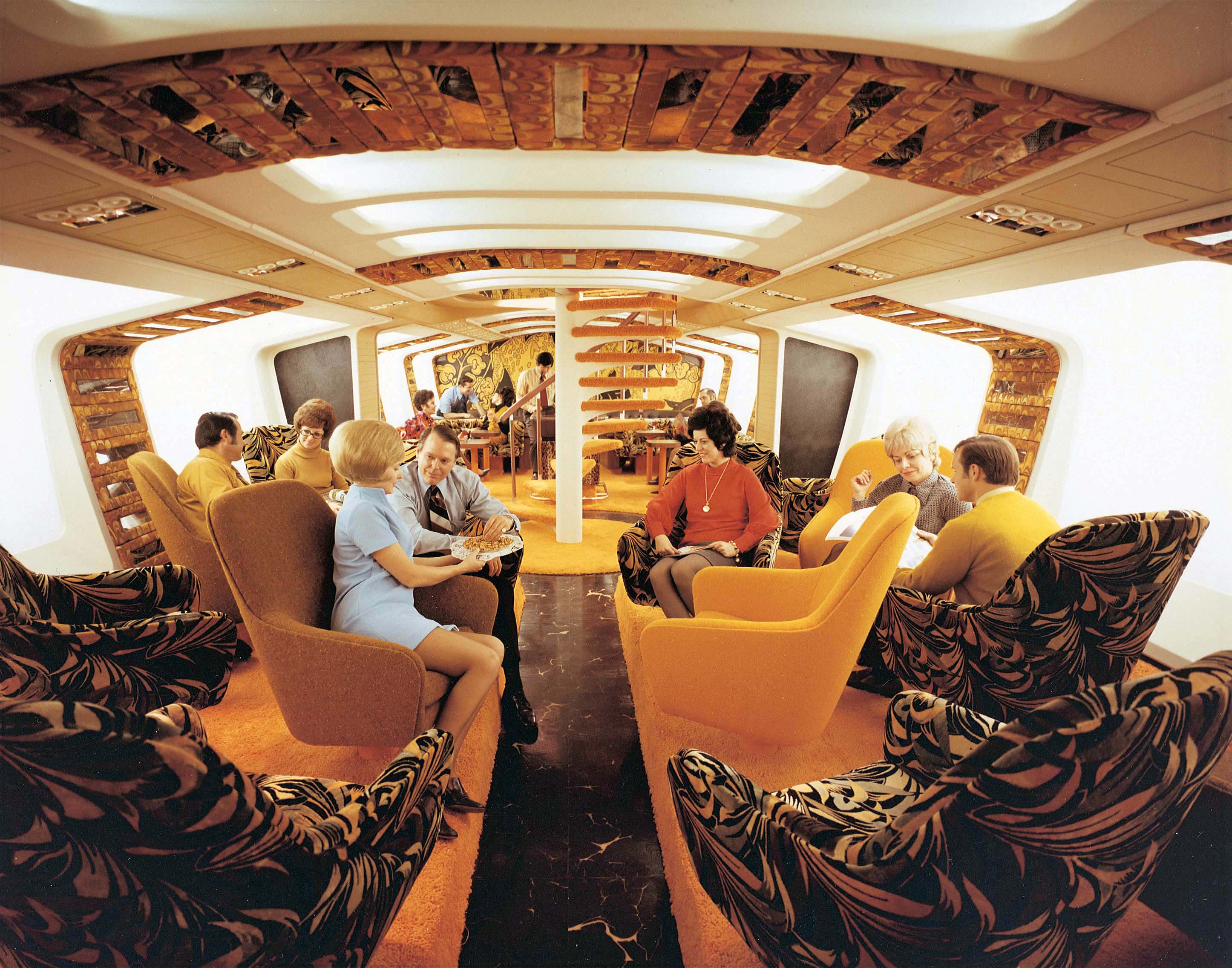
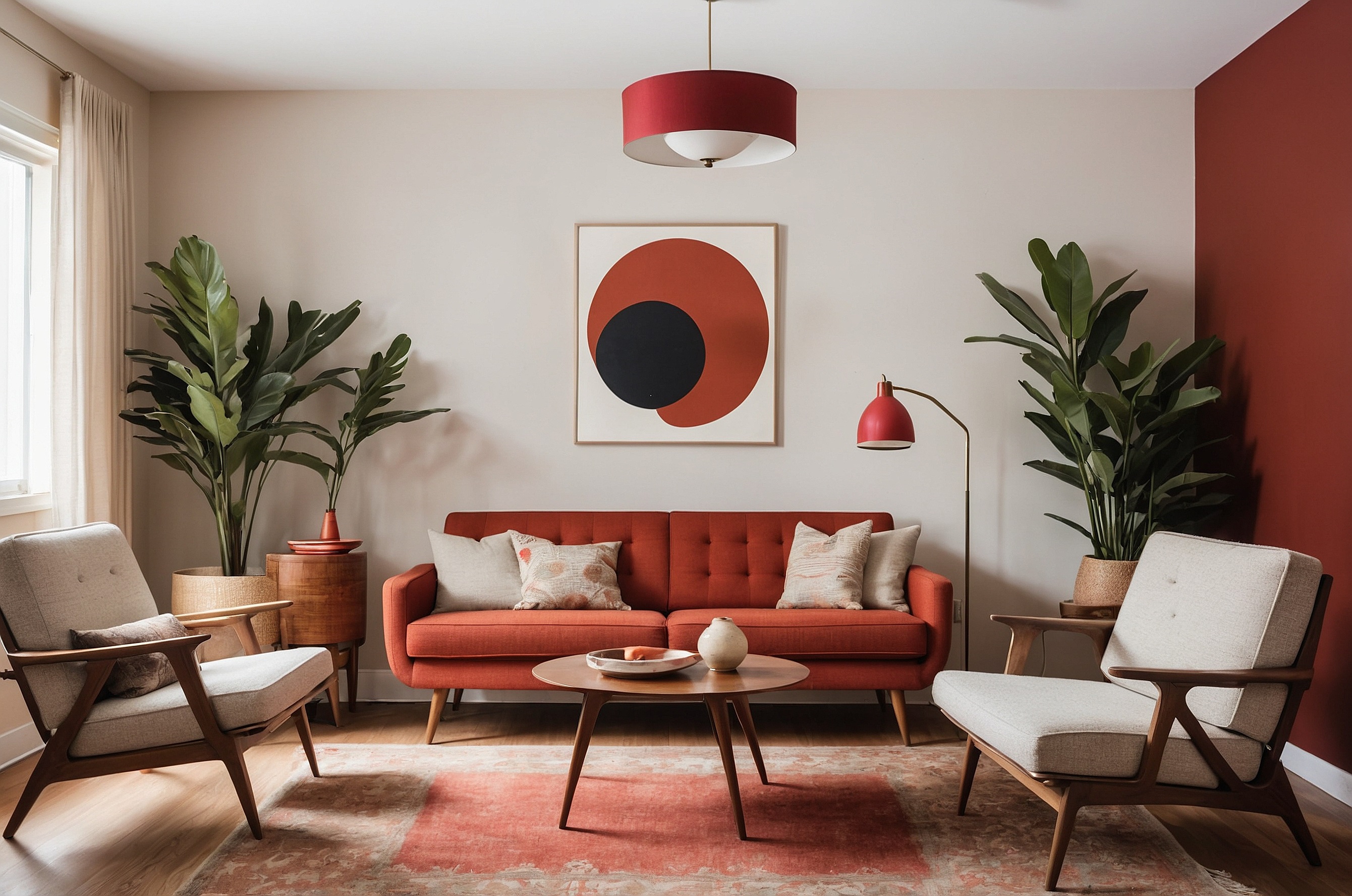
The most significant trend in 2026 is the departure from traditional "corporate" aircraft aesthetics. For decades, private jet interiors were defined by high-gloss walnut veneers, beige leathers, and heavy, modular seating. Today, the trend is Residential Fluidity, an approach that mimics the open-plan, textured, and nuanced design of modern luxury homes.
Curved Architecture and Organic Shapes
Current designs utilize the massive fuselage width of the 747-8 to break the "tube" feel of the aircraft. Instead of straight aisles, designers are implementing S-curved corridors and asymmetrical floor plans. This not only creates a sense of discovery as one moves through the aircraft but also helps in acoustic dampening by breaking up sound-wave paths. Bulkheads are often treated with soft-touch fabrics or 3D-printed textures rather than flat panels, providing a more tactile, human-centric environment.
Materiality and Sensory Depth
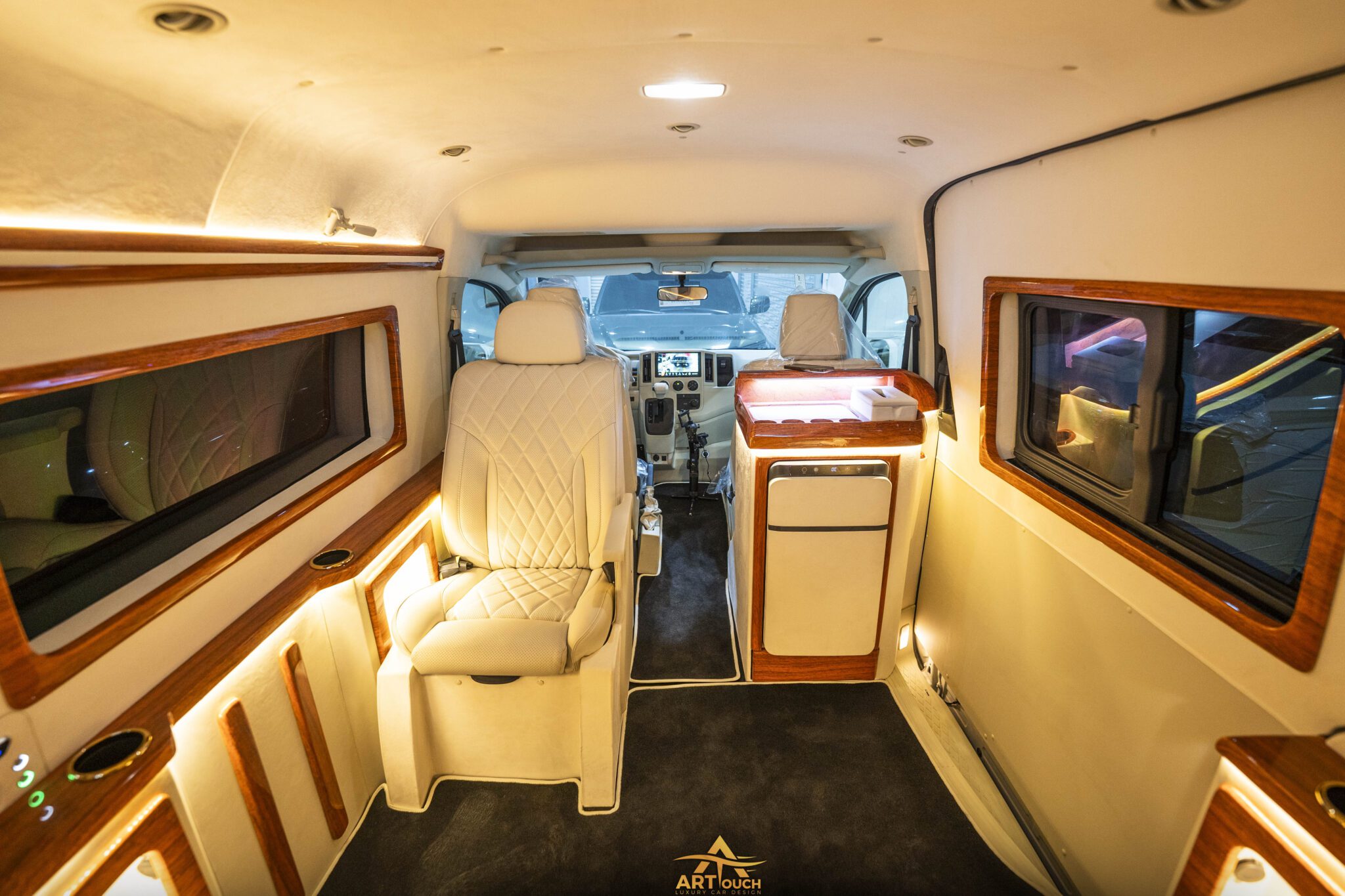
In 2026, luxury is defined by "quiet" materials. We see a move toward matte finishes, open-pore woods, and stone veneers that are sliced to millimeter thickness and backed by honeycomb structures for weight efficiency. Designers are layering textiles—mohair carpets, silk-blend wall coverings, and nubuck leathers—to create a multi-sensory experience that feels grounded rather than industrial.
Holistic Wellness and Biophilic Integration
As ultra-high-net-worth individuals (UHNWIs) spend more time in the air, the cabin has evolved into a wellness center. The 747-8’s unique pressurization and humidity capabilities provide a baseline, but 2026 interior trends take this much further through environmental engineering.
Circadian Lighting and Visual Comfort
Modern 747-8 interiors feature advanced LED systems capable of millions of color temperatures. These systems are programmed to sync with the passenger’s destination or a specific sleep-wake protocol, gradually shifting from "warm amber" to "cool daylight" to mitigate jet lag. In 2026, we are seeing the integration of "virtual skylights"—high-resolution OLED panels installed in the ceiling that simulate a real-time sky view or a calming forest canopy, reducing the claustrophobia sometimes associated with long-haul travel.
Air Quality and Purity
Post-pandemic engineering has become a standard design feature. Current completions include medical-grade HEPA filtration combined with bipolar ionization systems that actively neutralize pathogens and odors. Furthermore, fragrance "zoning" is being used, where different areas of the aircraft (such as the master suite versus the conference room) feature subtle, dry-mist scents designed to either energize or relax the occupants.
Technological Foundations: Connectivity and AI Cabin Management
In 2026, the "Smart Cabin" is no longer a luxury but a fundamental requirement. The integration of technology must be invisible, maintaining the residential aesthetic while providing Tier-1 data performance.
LEO Satellite Integration
The primary technological trend for 747-8 VIP operators is the transition to Low Earth Orbit (LEO) satellite constellations like Starlink and OneWeb. These systems provide low-latency, high-speed internet that allows for seamless 8K video conferencing and lag-free streaming. Designers are now building dedicated "Media Rooms" with curved 100-inch OLED screens, treating the aircraft as a mobile command center that is just as capable as any ground-based office.
AI-Driven Cabin Management Systems (CMS)
Modern CMS interfaces have moved away from clunky wall-mounted tablets to AI-driven, voice-activated, or gesture-controlled environments. In 2026, the aircraft "learns" the owner’s preferences. If the owner typically requests a specific temperature and lighting profile for dinner, the cabin automatically adjusts based on the time of day and the passenger's biometric data (often pulled from wearable devices).
Engineering Realities: Weight, Safety, and Certification
Designing a VVIP 747-8 is an immense engineering challenge. Every design choice must be balanced against the aircraft’s Center of Gravity (CoG) and the strict safety regulations of the FAA or EASA.
Weight Management and STCs
The "green" weight of a 747-8 is massive, but every pound added in the interior reduces the aircraft’s range. To maintain the 8,000+ nautical mile capability, completion centers like Jet Aviation and Lufthansa Technik use aerospace-grade composites for furniture "monuments." Any major modification requires a Supplemental Type Certificate (STC). In 2026, the trend is toward "Modular STCs," allowing owners to swap out certain interior elements (like turning a guest room into a private gym) without a complete six-month re-certification process.
Acoustic Engineering
One of the hallmarks of a 747-8 VIP conversion is silence. Soundproofing a four-engine aircraft of this size requires a multi-layered approach using "quiet-dark" insulation blankets and vibration isolators for all interior monuments. Current trends involve "Active Noise Cancellation" built directly into the cabin panels, which emits out-of-phase frequencies to neutralize engine drone.
The "Zones" of a VVIP 747-8
The 747-8’s layout is typically divided into five or six primary zones, including the iconic "hump" (Upper Deck). In 2026, the allocation of this space has become more specialized.
| Zone | Primary Function (2026 Trend) | Key Features |
|---|---|---|
| Zone A (Nose) | Master Sanctuary | Located under the cockpit; offers the quietest area. Features a king-size bed, private lavatory with a rain shower, and a walk-in closet. |
| Zone B (Main Entry) | Grand Foyer & Lounge | Often features a spiral staircase or the Greenpoint "Aerolift" elevator. High ceilings and open social spaces. |
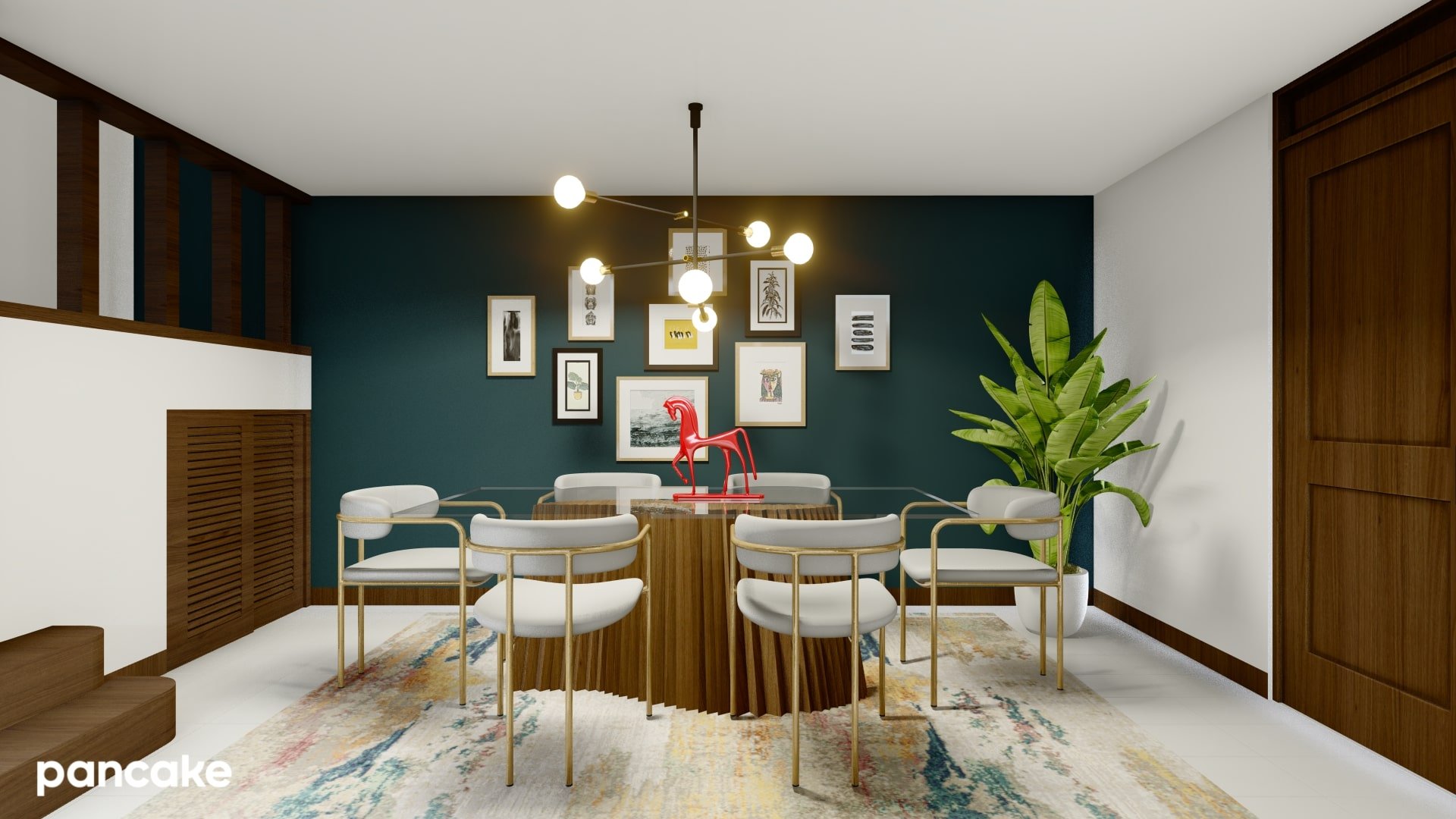
| Zone C (Mid-Section) | Dining & Conference | Large longitudinal tables seating 10–14 people. Hidden 8K displays for presentations. |
| Zone D (Aft-Mid) | Guest Suites | Individual cabins with "lie-flat plus" seating or full beds, each with en-suite capabilities. |
| Zone E (Aft) | Staff & Galley | High-capacity kitchens for Michelin-star catering; seating for support staff and security. |
| Upper Deck | The "Sky-Loft" or Office | Private workspace for the principal or an "AeroLoft" sleeping area for additional guests. |
Sustainability and Ethical Luxury in 2026
Sustainability has moved from a buzzword to a core requirement for VVIP completions. As the aviation industry faces pressure to reduce its carbon footprint, 747-8 owners are opting for "Green Completions."
- Sustainable Materials: The use of vegan leathers derived from mushroom or pineapple fibers, and carpets woven from recycled ocean plastics, is common.
- Weight Reduction for Efficiency: By using advanced carbon-fiber structures for internal cabinetry, completion centers can reduce the interior weight by up to 15%, significantly lowering fuel consumption per flight hour.
- Upcycling and Refurbishment: Rather than stripping an interior and discarding it, the 2026 trend is "Circular Refurbishment," where high-value components are refinished and reused in different parts of the cabin.
Common Challenges in 747-8 Refurbishment
While the 747-8 is a magnificent platform, it presents unique challenges for the modern owner. The sheer scale means that a full interior completion can take 24 to 36 months and cost upwards of $100 million to $200 million, often exceeding the cost of the aircraft itself.
- Maintenance Access: Designers must ensure that the beautiful interior panels are easily removable for mandatory heavy maintenance checks (C-checks and D-checks).
- Ventilation Engineering: Ensuring uniform air distribution in a cabin with high ceilings and disparate zones requires complex CFD (Computational Fluid Dynamics) modeling.
- Future-Proofing: With technology evolving faster than aviation certification, designers use "replaceable tech inserts," allowing hardware like monitors and routers to be upgraded without tearing out the bulkheads.
FAQ: VVIP 747-8 Interior Design
How much does a 747-8 VIP interior completion cost in 2026?
A full-scale VVIP completion for a 747-8 typically ranges from $120 million to $250 million. This price varies based on the complexity of the engineering, the rarity of materials (such as custom stone or hand-woven silks), and the level of technological integration, such as LEO satellite arrays and advanced soundproofing.
How many passengers can a VIP 747-8 carry?
While a commercial 747-8 can carry over 400 passengers, a VVIP version is usually certified for 20 to 50 passengers. This reduction allows for the installation of heavy luxury monuments, large open spaces, and master suites while staying within the maximum takeoff weight (MTOW) and ensuring sufficient oxygen and emergency exit access for all on board.
What is the "AeroLoft" on a 747-8?
The AeroLoft, developed by Greenpoint Technologies, is a modular sleeping area installed above the main deck in the aft section of the 747-8 (between the door 4 and door 5 area). It provides additional private sleeping berths without sacrificing main deck floor space, effectively utilizing the "crown" of the aircraft.
Can a 747-8 VIP interior be updated with 2026 technology?
Yes, most 747-8s are currently undergoing mid-life "AV/IT Refreshes." These involve replacing legacy satellite hardware with LEO-compatible antennas and upgrading Cabin Management Systems to support 8K video and AI-driven environmental controls. These updates are often timed with 6-year or 12-year heavy maintenance checks.
Is it possible to have a real shower or spa on a 747-8?
Yes, the 747-8 has the water capacity and structural integrity to support full showers and even steam rooms. However, this requires complex gray-water management systems and extensive waterproofing (TEDLAR lining) to prevent corrosion of the aircraft’s aluminum structure.
Practical Recommendation for Owners and Operators
For those looking to acquire or refurbish a 747-8 in 2026, the priority should be Modular Future-Proofing. Because this aircraft type is no longer in production, its value lies in its longevity. Ensure that the interior completion center uses a "bus-based" architecture for the Cabin Management System, allowing for software-defined updates. Additionally, prioritize "Weight Neutral" upgrades—if you add a heavy stone galley, balance it by using carbon-fiber skeletons for the seating. This preserves the aircraft’s legendary range, ensuring it remains a viable global asset for the next two decades.