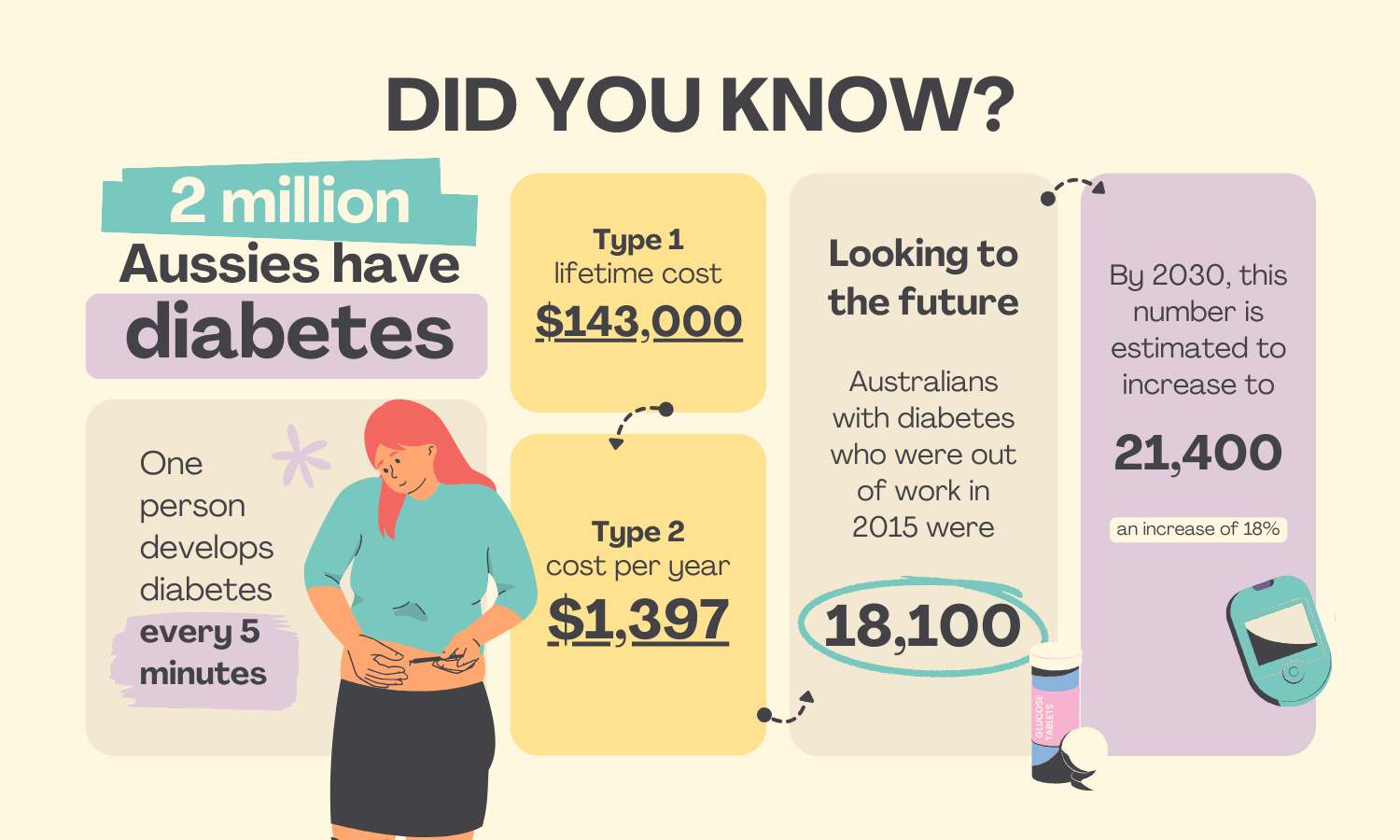
Securing life insurance while managing type 1 diabetes requires a strategic approach centered on demonstrating consistent glycemic control and proactive health management. By providing detailed medical records, working with specialized underwriters, and choosing the right policy structure, individuals can successfully navigate the underwriting process to obtain meaningful coverage at competitive rates.
Understanding the Underwriting Process for Type 1 Diabetes
Life insurance companies assess risk primarily through mortality statistics and individual health history. When you apply for coverage with type 1 diabetes, the insurance carrier’s underwriting department seeks to determine your "extra risk" compared to a standard healthy applicant. Historically, type 1 diabetes was often viewed as an uninsurable condition; however, as advancements in insulin delivery, continuous glucose monitoring (CGM), and digital health tracking have improved, life insurance companies have significantly updated their underwriting guidelines.
Underwriters will look for evidence of stability. They are not merely looking for a diagnosis, but rather for how well you mitigate the risks associated with the condition, such as cardiovascular complications, kidney function (nephropathy), and retinopathy. To secure a policy, you must transition from being perceived as a high-risk liability to a well-managed, predictable health profile.
1. Maintain Comprehensive Medical Documentation
The most critical factor in your application is the paper trail. Underwriters do not want to hear about your health status; they want to see it in clinical data. Compile at least two years of medical records from your endocrinologist. This includes your HbA1c history, which is the gold standard for measuring average blood sugar control over the previous three months.
Ensure your medical file is complete. If you have been treated for complications, be transparent. Discrepancies between your self-reported health and your medical records are the fastest way to have an application declined. Having a summary letter from your endocrinologist that explicitly mentions your compliance with treatment and the stability of your condition can significantly streamline the evaluation.
2. Prioritize Consistent Glycemic Control
Your HbA1c levels serve as the primary metric for risk classification. While targets vary by individual, life insurance companies generally prefer applicants who maintain an HbA1c below 7.5% or 8.0%. If your levels have been erratic, it is often better to wait six to twelve months to improve your numbers through consistent management before submitting a formal application.
Beyond the A1c, insurers will evaluate your blood pressure, lipid panels, and kidney function tests (e.g., microalbuminuria). Elevated blood pressure is a significant compounding risk factor for those with diabetes. Proactively managing your cardiovascular health through diet, exercise, and medication—and having those improvements documented by your physician—is essential for moving into a more favorable pricing tier.
3. Leverage Specialized Independent Brokers
Not all life insurance carriers view type 1 diabetes the same way. Some companies have rigid internal guidelines that automatically place applicants with type 1 diabetes into "substandard" or "table-rated" categories, leading to significantly higher premiums. Conversely, some carriers are "diabetic-friendly" and maintain specialized underwriting departments that understand the nuances of modern insulin pump therapy and CGM usage.
Working with an independent broker who has experience in "impaired risk" underwriting is vital. A generalist agent may only be familiar with standard policies, while a specialist knows which companies are currently offering the best ratings for type 1 diabetics. A broker can request "informal inquiries" or "trial applications," allowing them to shop your profile to multiple carriers anonymously to see who offers the best initial quote without creating a formal declination on your record.
4. Opt for Fully Underwritten Policies
Many consumers are tempted by "no-medical-exam" or "guaranteed issue" policies because they are easy to obtain. However, these policies are usually unsuitable for someone with a chronic health condition like type 1 diabetes. Guaranteed issue policies often have high premiums, low coverage caps, and long "graded benefit" periods, meaning the death benefit may not be paid in full if you pass away shortly after purchasing the policy.
A fully underwritten policy involves a medical exam, blood draw, and urine analysis. While this sounds daunting, it is the only way to prove to the insurer that your health is well-managed. By providing a clear snapshot of your health, you can qualify for "standard" or even "preferred" rates, which are significantly more affordable than the high costs associated with non-medical underwriting products.
5. Highlight Technological Integration
Modern diabetes management tools provide a high degree of data precision that underwriters find reassuring. If you use an insulin pump or a Continuous Glucose Monitor (CGM), be sure to emphasize this in your application. These devices provide a more stable, physiological delivery of insulin compared to traditional manual injections.
In your cover letter or during the medical interview, explain how these tools have enabled you to reduce hypoglycemic events and maintain a tighter range of glucose control. Underwriters are increasingly trained to recognize that the use of advanced medical technology correlates with fewer acute emergencies, which is a major factor in reducing your overall risk profile.
6. Consider Policy Laddering and Riders
If you are concerned about the cost of premiums due to your diabetes rating, consider a "laddered" approach. This involves purchasing a combination of term policies with different durations. For example, if you need $1,000,000 in coverage to protect your mortgage and income, you might buy one policy for $500,000 with a 10-year term and another for $500,000 with a 20-year term.
Additionally, investigate riders that offer protection against future health changes. A "guaranteed insurability" rider may allow you to purchase more coverage later without undergoing another medical exam, regardless of changes in your diabetes management. While these riders increase the upfront cost, they protect you against the risk of your condition progressing and making future insurance prohibitively expensive or unavailable.
7. Review and Reapply Periodically
Life insurance underwriting is not a permanent status. If you were previously declined for coverage or offered a rate that was too high, you are not necessarily barred for life. As treatments for type 1 diabetes improve and as you maintain your own health, your risk profile changes.
If you have significantly improved your blood sugar management, lost weight, or lowered your blood pressure over the last few years, ask your broker to conduct a "reconsideration" review. Many companies allow for a formal review of your current health status after a period of stability (typically 12 to 24 months). If the original insurer cannot offer a better rate, you can always apply to a different carrier with your improved medical data.
Comparison Table: Underwriting Factors for Type 1 Diabetes
| Factor | Preferred Profile | Impact on Premium |
|---|---|---|
| HbA1c Level | Below 7.5% | Lowers Risk Classification |
| Complications | None (No Retinopathy/Nephropathy) | Significantly Reduces Cost |
| Blood Pressure | Consistently < 130/80 mmHg | Improves Eligibility |
| Treatment Method | CGM + Insulin Pump | Viewed as Stable Management |
| Smoking Status | Non-Smoker | Essential for Affordable Rates |
| Age at Diagnosis | Older / Longer duration of stability | Improves Risk Assessment |
Frequently Asked Questions
Will my insulin pump or CGM make it harder to get approved? No, in fact, it is often the opposite. These technologies are viewed as proactive management tools. By providing evidence of steady, technology-aided glucose management, you signal to the insurer that you are actively minimizing the risk of diabetic ketoacidosis or severe hypoglycemia.
What should I do if I am declined for coverage? If you are declined, do not immediately apply to another company. Ask your broker for the specific reason for the decline. Sometimes a declination is based on a temporary issue, such as a recent change in medication or a one-time elevated blood test. Addressing the specific concern—and perhaps waiting six months for your health data to stabilize—is more effective than applying elsewhere and receiving another decline.
Can I get life insurance if I have had diabetic complications? Yes, it is possible, but it depends on the severity. Minor, treated complications are viewed differently than end-stage organ damage. If you have had complications, be prepared to provide medical records from your specialist to show that the condition is being managed and is not progressive.
Is it worth paying for a private "impaired risk" review? While you should not pay for a "service" to get you insured, working with a specialist broker is essentially a free way to get an expert review. These brokers are compensated by the insurance companies, not the applicants. Avoid any firm that asks for an upfront "consultation fee" to find you a policy.
Do insurance companies require a medical exam for type 1 diabetics? For the most competitive rates, yes. A medical exam allows you to prove your health status. Skipping the exam usually results in higher premiums, as the insurance company will charge a "risk premium" to compensate for their lack of information regarding your actual glucose levels and internal health markers.
Next Steps for Success
To begin the process, gather your last two years of endocrinology reports, including your HbA1c history and any recent lab results for kidney and cardiovascular function. Contact an independent insurance broker who explicitly lists "impaired risk" or "diabetes" as a specialty. Be transparent about your medical history from the start, and prioritize a fully underwritten, traditional term or permanent policy to ensure you receive the most accurate and affordable rate based on your personal health management.