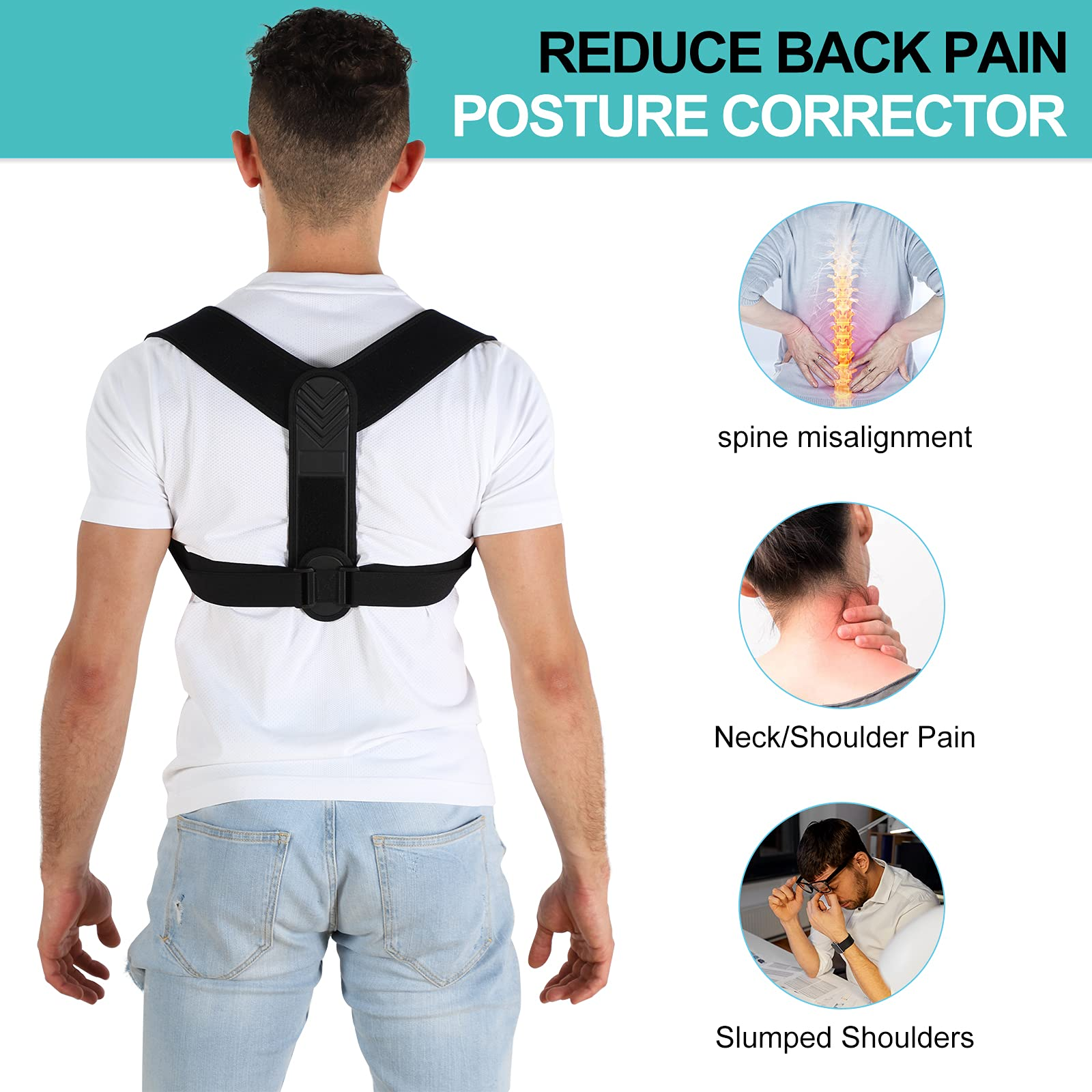
Choosing a shoulder posture corrector involves balancing ergonomic support, comfort, and ease of use to alleviate upper back strain caused by prolonged sitting or poor alignment. Effective braces gently pull the shoulders back, train muscular memory, and fit discreetly beneath clothing. This guide evaluates seven top-rated models, comparing their design, adjustability, comfort, and value to help you find the right device for your posture needs.
Poor posture is a modern epidemic. Whether you spend eight hours a day hunched over a desk, slouching over a smartphone, or lifting with improper form, your upper back, shoulders, and neck bear the brunt of the burden. Over time, rounded shoulders and forward-head posture can lead to chronic muscle fatigue, tension headaches, and persistent joint discomfort. While long-term relief ultimately requires strengthening core and upper-back muscles through targeted exercise, shoulder posture correctors provide valuable biofeedback and mechanical support during daily activities.
A high-quality shoulder brace works by applying gentle pressure to retract the scapula, reminding your central nervous system and muscular framework of proper alignment. However, not all correctors are created equal. Some are designed for heavy-duty support during physical labor, while others are ultra-thin and tailored for discreet office wear. To help you navigate the market, we have thoroughly analyzed and reviewed the seven best shoulder posture correctors available.
Understanding Shoulder Posture Correctors: Types and Mechanics
Before diving into individual product reviews, it is helpful to understand how these devices function and the different styles available on the market. Posturional correctors generally fall into three distinct categories, each serving a slightly different user profile and lifestyle requirement.
Figure-8 Straps
Figure-8 correctors loop around both shoulders and cross behind the back in an "X" or "8" configuration. They resemble a backpack worn backward. These are typically lightweight, highly portable, and focus almost exclusively on pulling the shoulders back. They are ideal for individuals experiencing mild slouching who want an affordable, low-profile option.
Brace-Style Correctors with Lumbar Support
These models combine a shoulder strap system with a wider waist belt or lumbar panel. By anchoring around the abdomen, they provide structural support to the entire spine, helping to prevent slouching from the lower back up. They offer more robust stability and are better suited for individuals with lower back fatigue or those requiring aggressive postural training.
Smart Posture Correctors
A relatively recent addition to the market, smart correctors utilize small sensor pods attached to the upper back or neck. Instead of mechanically forcing the shoulders back, these devices vibrate gently whenever you slump past a predetermined angle. They train your nervous system passively without restricting muscle movement, though they require battery charging and can be more expensive.
The 7 Best Shoulder Posture Correctors Reviewed
1. Upright GO 2 (Best Smart Posture Corrector)
For users who dislike the restrictive feeling of traditional straps, the Upright GO 2 offers a high-tech alternative. Rather than physically pulling your shoulders back, this tiny device adheres to your upper back using medical-grade silicone adhesive or clips onto an optional necklace.
- Design: Miniature electronic sensor pod measuring roughly the size of a postage stamp.
- Mechanism: Tracks micro-movements and vibrates gently when you slouch, training your core and back muscles to maintain proper alignment independently.
- Comfort: Highly comfortable because it does not restrict arm movement or chafe under the arms.
- Pros: Highly discreet; pairs with a smartphone app for real-time tracking; customizable sensitivity settings.
- Cons: Requires regular recharging; adhesive strips must be replaced periodically; relies entirely on user discipline rather than mechanical support.
2. Vive Posture Brace (Best Budget-Friendly Option)
The Vive Posture Brace is an accessible, no-frills option designed for individuals seeking reliable shoulder retraction without a significant financial investment. It features a lightweight neoprene construction that wraps around the shoulders and fastens securely across the abdomen.
- Design: Figure-8 style hybrid with a supportive waist strap.
- Mechanism: Mechanical pull that straightens the thoracic spine and prevents rounding of the shoulders.
- Comfort: Breathable neoprene material prevents excessive heat buildup, though the underarm area requires careful adjustment to prevent friction.
- Pros: Highly affordable; easy to put on and take off independently; adjustable sizing for a wide range of body types.
- Cons: Neoprene material can feel warm during intense summer months; bulkier under tight-fitting shirts.
3. Evoke Pro Posture Corrector (Best for Discreet Office Wear)
Designed specifically for professionals who need postural support during long desk shifts, the Evoke Pro Posture Corrector prioritizes a slim profile that remains virtually invisible beneath standard business attire.
- Design: Lightweight figure-8 strap system crafted from ultra-thin, breathable fabrics.
- Mechanism: Ergonomic pull targeting the clavicle area to encourage natural shoulder retraction.
- Comfort: Soft-touch padding on the shoulder straps minimizes pinching and chafing.
- Pros: Exceptionally low profile; durable stitching; excellent customer sizing guidelines.
- Cons: Offers minimal lower-back support; not suitable for severe postural deviations or heavy lifting.
4. Bauerfeind Ergopad / Posture Support (Best Premium Medical-Grade Option)
When medical-grade engineering is required, Bauerfeind sets the industry standard. Their posture support brace is designed in consultation with orthopedic specialists to provide targeted stabilization for the upper torso.
- Design: Anatomically knitted fabric vest with integrated plastic dorsal stays.
- Mechanism: Combines active muscular stimulation with passive mechanical support to correct slouching.
- Comfort: Premium moisture-wicking knit material offers superior breathability and long-term wearability.
- Pros: Exceptional build quality; medically validated design; machine washable.
- Cons: Significantly more expensive than standard consumer brands; requires careful sizing based on precise chest and waist measurements.
5. Selojoe Posture Corrector (Best Adjustable Full-Torso Support)
The Selojoe Posture Corrector provides comprehensive support by extending from the shoulders down to the lower lumbar region, making it an excellent choice for individuals who slouch from both the upper and lower back.
- Design: Full-torso vest style with double-pull adjustable straps.
- Mechanism: Dual-layer tension system that stabilizes the spine, shoulders, and waist simultaneously.
- Comfort: Generous padding under the armpits helps distribute pressure evenly across the shoulders.
- Pros: Excellent stability for heavy computer users; helps relieve combined upper and lower back fatigue.
- Cons: Takes longer to put on and adjust than simple strap models; difficult to conceal under lightweight summer clothing.
6. ComfyMed Posture Corrector (Best for Ease of Use)
The ComfyMed Posture Corrector is frequently praised by consumers and physical therapists alike for its intuitive design, which allows users to put it on and adjust it entirely by themselves without needing assistance.
- Design: Lumbar-anchored brace with wide, flexible straps.
- Mechanism: Firm vertical support combined with horizontal shoulder retraction.
- Comfort: Medical-grade fasteners and breathable fabrics reduce skin irritation.
- Pros: Very easy to put on independently; strong structural rigidity; backed by responsive customer support.
- Cons: Can feel restrictive if worn too tightly during the initial break-in period.
7. Leonisa Posture Support Bra / Vest (Best Dual-Purpose Apparel)
For women seeking integrated support without wearing an extra strap system, Leonisa manufactures specialized shaping garments that incorporate ergonomic posture-correcting bands directly into the garment design.
- Design: Cross-back power-net bands embedded inside a comfortable daily-wear top or bra.
- Mechanism: Gentle, continuous cross-band tension pulls the shoulders back naturally.
- Comfort: Feels like regular undergarments or shapewear rather than a medical brace.
- Pros: Completely hidden under clothing; serves dual functions as shapewear and posture support; highly comfortable for all-day wear.
- Cons: Limited sizing availability compared to dedicated medical braces; lower mechanical pull strength than heavy-duty straps.
Comparison of Top Shoulder Posture Correctors
| Product Name | Primary Style | Best Suited For | Key Advantage | Price Tier |
|---|---|---|---|---|
| Upright GO 2 | Smart Sensor | Habit training & tech users | Vibration biofeedback, ultra-discreet | Premium |
| Vive Posture Brace | Neoprene Hybrid | General budget-conscious users | Affordable, easy adjustment | Budget |
| Evoke Pro Corrector | Slim Figure-8 | Office workers & discreet wear | Very thin profile under clothing | Moderate |
| Bauerfeind Support | Medical Knit Vest | Clinical-grade rehabilitation | Superior orthopedic engineering | Luxury |
| Selojoe Corrector | Full-Torso Vest | Combined upper/lower back support | Dual-layer tension system | Moderate |
| ComfyMed Corrector | Lumbar Brace | Independent daily wear | Easy self-adjustment | Moderate |
| Leonisa Support | Apparel Integration | Everyday women's shapewear | Invisible integration into clothing | Moderate |
Key Factors to Consider When Buying a Posture Corrector
Selecting the right device requires evaluating several critical specifications to ensure safety, comfort, and effectiveness.
Fit and Sizing
An improperly sized posture corrector will either be completely ineffective or cause painful chafing. Always consult the manufacturer's sizing chart, measuring your chest circumference, waist size, or torso length as specified. Never guess your size based on standard clothing dimensions.
Material and Breathability
Because posture correctors sit directly against the skin or thin layers of clothing, material quality matters. Neoprene provides excellent stretch and durability but can trap heat and sweat. Breathable mesh fabrics, cotton blends, and medical knits are superior choices for warm climates or all-day wear.
Level of Support Needed
Determine whether you need active feedback (such as a smart sensor) or passive mechanical correction (such as rigid straps). Mild slouching usually responds well to lightweight figure-8 bands, whereas pronounced postural deviations require structured braces with lumbar panels.
Common Mistakes to Avoid When Using a Posture Corrector
Using a shoulder brace incorrectly can hinder your progress or cause muscular discomfort. Keep these guidelines in mind:
- Wearing It All Day: Posture correctors are training tools, not permanent crutches. Wearing a mechanical brace for 8 to 10 hours straight can cause your postural muscles to weaken through disuse. Start with 15 to 30 minutes a day, gradually increasing to a maximum of 2 hours.
- Pulling the Straps Too Tight: Overtightening the brace cuts off circulation, pinches nerves in the armpits, and causes sharp muscle spasms. The brace should provide a gentle reminder to stand straight, not act as a straitjacket.
- Neglecting Exercise: A brace cannot replace core and back strengthening exercises. Combine your corrector usage with targeted movements like rows, planks, and chest stretches for lasting results.
Frequently Asked Questions
Can a shoulder posture corrector fix rounded shoulders permanently?
No single device can fix posture permanently on its own. A posture corrector serves as a training aid that builds body awareness and relieves immediate strain. Permanent correction requires a combination of ergonomic adjustments, consistent stretching, and strengthening exercises targeting the rhomboids, traps, and core.
How long should I wear a posture corrector each day?
Most experts recommend wearing a mechanical posture corrector for 20 to 60 minutes daily during activities that trigger slouching, such as desk work or driving. Smart correctors can often be worn longer because they do not restrict muscle movement, but you should still follow manufacturer guidelines.
Will wearing a brace cause my muscles to atrophy?
If worn continuously for entire waking days without breaks or exercise, mechanical braces can contribute to muscle weakness. To prevent this, limit daily wear time to short training intervals and maintain an active routine of upper-back strengthening exercises.
Can I wear a posture corrector underneath my clothes?
Yes. Many modern correctors—such as the Evoke Pro, Leonisa apparel, and smart sensors like the Upright GO 2—are specifically engineered to remain hidden beneath standard shirts, blouses, and professional work attire.
What should I do if the straps pinch my underarms?
Underarm chafing usually indicates that the straps are adjusted too tightly or that the brace is improperly sized. Try loosening the tension slightly, repositioning the shoulder pads, or wearing the corrector over a snug undershirt rather than directly against bare skin.
Final Recommendation
If you want a low-profile, high-tech training device that builds permanent habits without physical restriction, invest in the Upright GO 2. For traditional mechanical support on a budget, the Vive Posture Brace offers reliable performance. If your daily routine demands professional discretion under formal office wear, the Evoke Pro Posture Corrector is the ideal choice for keeping your shoulders back and aligned throughout the workday.