For 50-year-olds, converting a term life insurance policy into a universal life policy offers a practical pathway to secure permanent coverage without undergoing a brand-new medical examination, though it requires carefully evaluating higher ongoing premium costs, policy structures, and long-term financial feasibility.
Understanding Life Insurance Conversion Options at Age 50
Reaching the milestone of age 50 often brings a renewed focus on long-term financial planning, estate preservation, and family protection. For many policyholders, the term life insurance policy they purchased in their 30s or 40s is approaching the middle or later years of its level-premium period—typically 10, 20, or 30 years. As term policies near expiration or as coverage needs shift from temporary income replacement to permanent estate planning, policyholders frequently look at their conversion privileges.
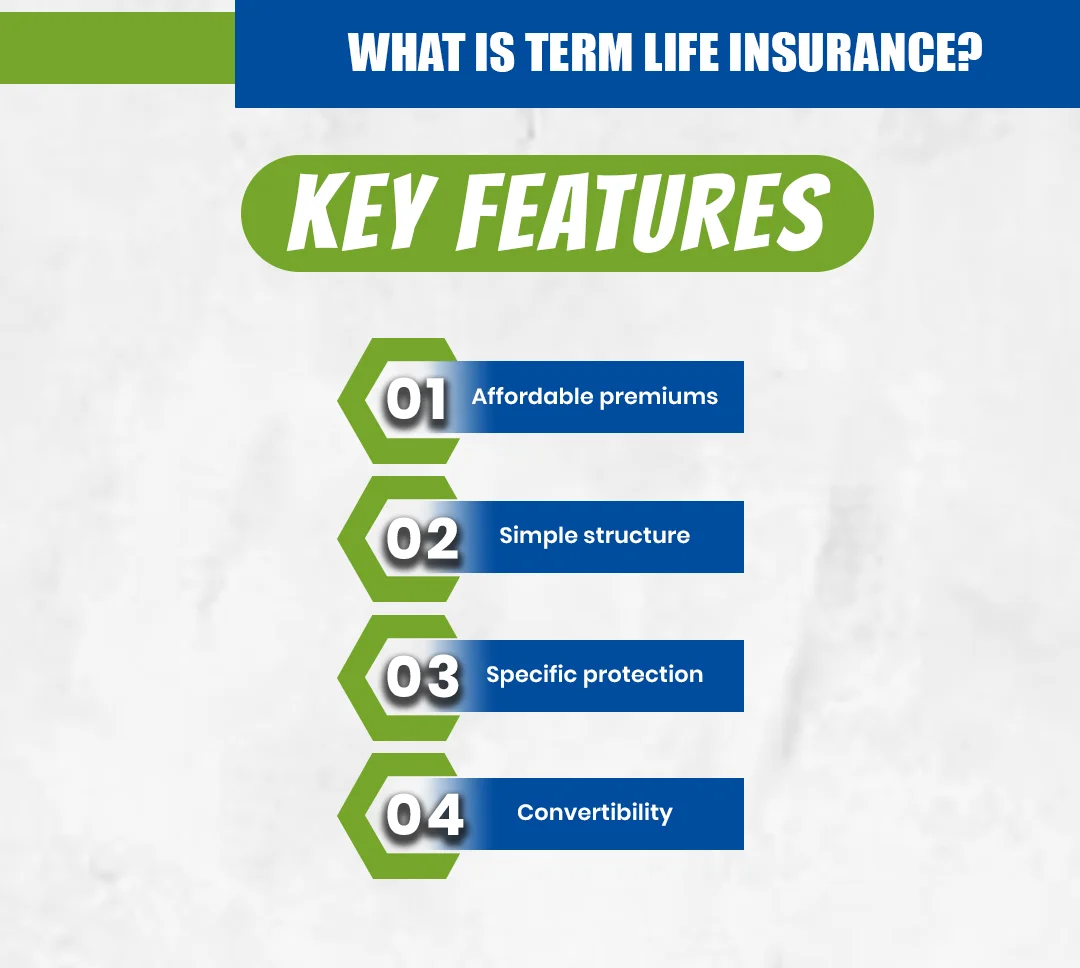
A conversion provision, built into many term life policies, grants the policyholder the contractual right to exchange their temporary term insurance for a permanent life insurance product offered by the same carrier. Crucially, this exchange is typically permitted without proof of insurability, meaning no medical exams, blood draws, or detailed health questionnaires are required. For a 50-year-old whose health may have changed since purchasing the original policy—whether through minor diagnoses, elevated cholesterol, or routine aging—this feature bypasses the underwriting hurdles that would make a new individual policy prohibitively expensive or difficult to obtain.
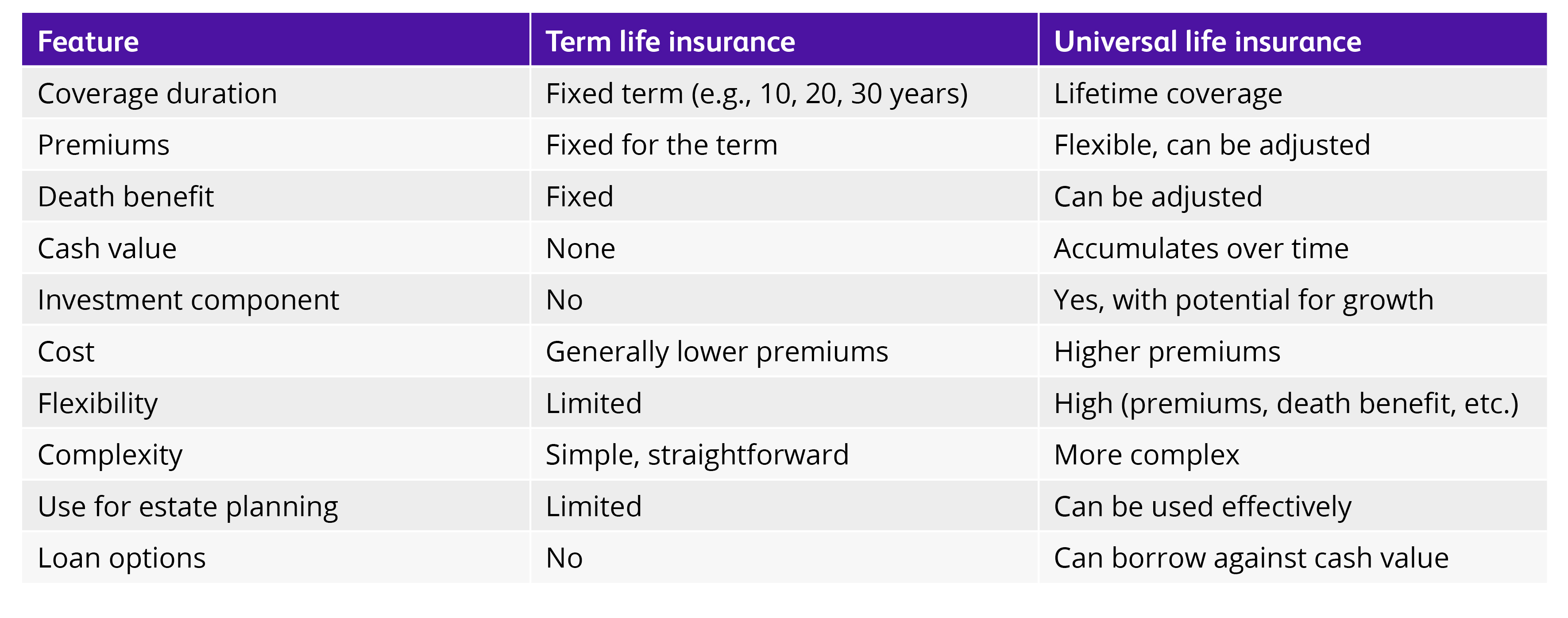
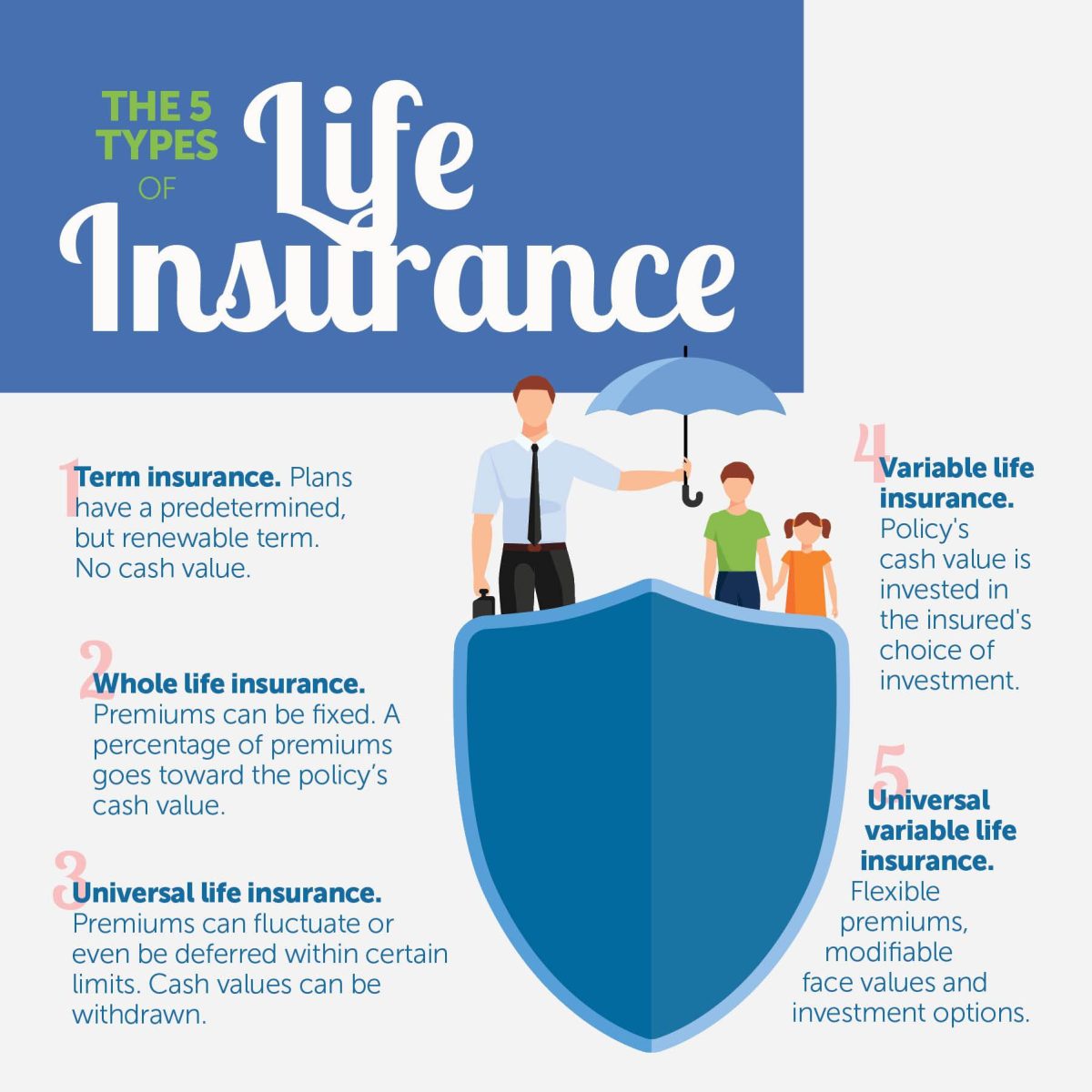
Universal life (UL) insurance is one of the most common permanent destinations for term conversions. Unlike whole life insurance, which features fixed premiums and fixed cash value growth, universal life is a form of permanent coverage that offers flexibility in premium payments and death benefits, coupled with an underlying cash value account that earns interest based on prevailing market rates or index performance. Understanding how this conversion mechanism works, the associated costs, and the structural differences between policies is essential for anyone navigating mid-life financial decisions.
How the Term-to-Universal Life Conversion Process Works
Exercising a conversion privilege is a formalized administrative process governed by the contract terms of the original term life policy. It is not an automatic renewal or an amendment; it is a full contractual transition from one type of risk pool to another.
The Conversion Window and Expiration Rules
Every term policy with a conversion option specifies a distinct timeframe during which the policyholder can convert. This is known as the conversion window. Typically, insurance carriers require conversion to occur before a certain age (such as age 65 or 70) or prior to a specific policy anniversary (such as the end of the 10th or 15th year of a 20-year term).
For a 50-year-old, monitoring this window is critical. If a term policy was bought at age 35 with a 20-year term and a conversion window lasting through year 15, the policyholder has until age 50 to make the decision. Missing this deadline permanently forfeits the right to convert without medical underwriting.
Underwriting and Health Exemptions
The primary advantage of conversion at age 50 is the waiver of medical underwriting. If a policyholder has developed health conditions over the intervening years, the insurance company cannot rate-up the policy or deny coverage based on those health changes. The insurer evaluates the new universal life policy based on the original risk class (e.g., Preferred, Standard) assigned when the term policy was first issued, though age-based rate adjustments apply.
Step-by-Step Conversion Workflow
- Review Original Contract: Examine the term policy documentation to identify the exact conversion deadline, available permanent product lines, and any administrative rules enforced by the carrier.
- Consult with the Carrier or Producer: Contact the issuing insurance company or an independent insurance professional to request a formal conversion quote.
- Compare Universal Life Options: Evaluate the types of universal life policies available for conversion, such as Guaranteed Universal Life (GUL) or Indexed Universal Life (IUL).
- Submit the Conversion Application: Complete the carrier-specific conversion paperwork, specifying the desired face amount (which can often be equal to or less than the original term amount) and the target universal life product.
- Execute the Policy Exchange: Pay the initial premium required to activate the universal life policy. The term policy is then terminated, and the universal life policy takes effect seamlessly.
| Conversion Phase | Key Considerations for 50-Year-Olds | Potential Pitfalls |
|---|---|---|
| Window Verification | Check exact contract clauses for age or duration limits. | Missing the deadline and losing the no-exam right. |
| Product Selection | Choose between guaranteed, indexed, or variable UL. | Selecting a product with excessive volatility or hidden fees. |
| Face Amount Adjustment | Decide whether to convert the full amount or a partial amount. | Over-insuring and triggering unsustainable premium bills. |
| Premium Transition | Prepare for an immediate and substantial step-up in monthly costs. | Underestimating cash flow impact during peak earning years. |
Financial Implications and Premium Realities at Age 50
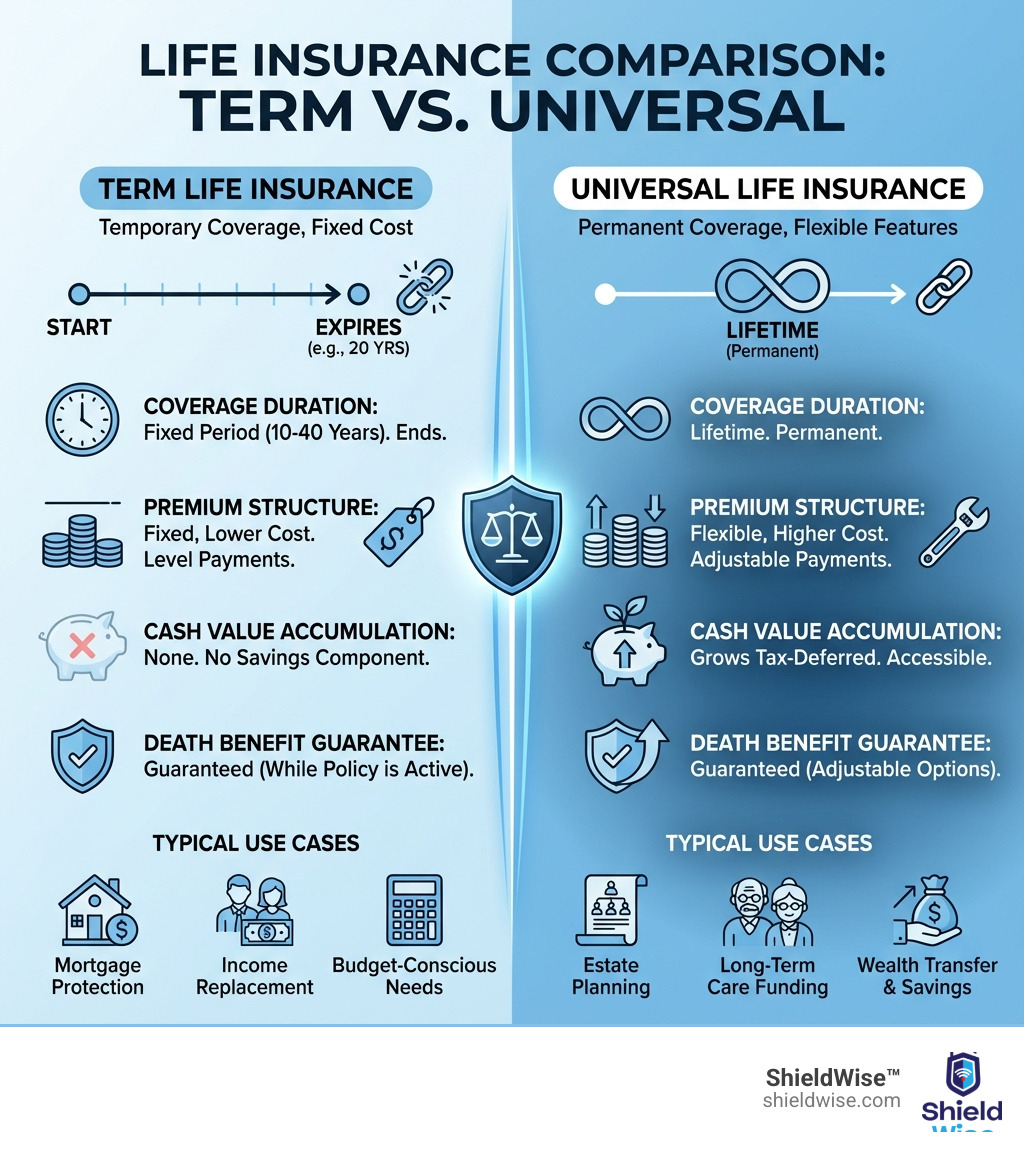
Transitioning from term life insurance to universal life insurance involves a profound financial shift. Term insurance is designed to be inexpensive because it provides pure death protection for a finite period, with zero cash value accumulation. Universal life insurance, conversely, is permanent and builds cash value, which requires significantly higher premiums—especially when initiated at age 50.
Premium Shock and Cost Comparisons
When a policyholder converts at age 50, their attained age is higher than when they bought the term policy. Consequently, the cost of insurance increases. While the lack of medical underwriting prevents health-related surcharges, the rate is recalculated based on the insured's age 50 status.
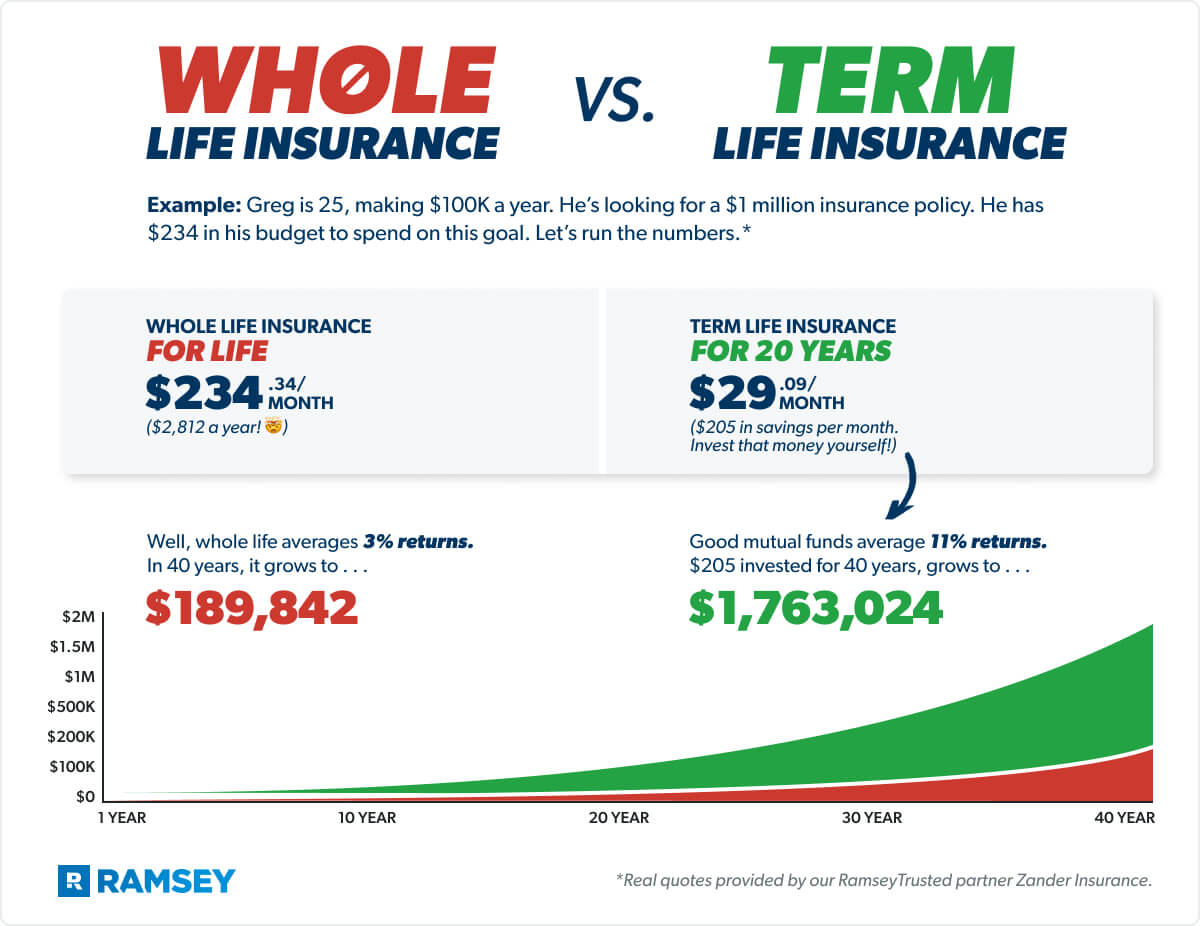
For example, a 20-year term policy for $500,000 bought at age 30 might cost $400 annually. Converting that same $500,000 into a universal life policy at age 50 will result in a much higher annual premium—often running into thousands of dollars per year depending on the specific universal life structure chosen. This "premium shock" catches many policyholders off guard, making it vital to run precise ledger illustrations before executing the paperwork.
Cash Value Mechanics
Universal life insurance introduces a cash value component alongside the death benefit. Part of each premium payment covers the cost of insurance and administrative expenses, while the remainder is deposited into a cash-value account. This account earns interest based on the insurer's general portfolio crediting rate (in traditional UL) or is tied to market indexes like the S&P 500 (in Indexed Universal Life).
Over time, this cash value can grow on a tax-deferred basis. Policyholders can access these funds through policy loans or withdrawals, though doing so reduces the death benefit and can potentially cause the policy to lapse if mismanaged. For a 50-year-old, building cash value over a 15-to-20-year horizon leading up to retirement can provide a supplementary financial reserve, but it requires disciplined, higher-level funding.
Choosing the Right Type of Universal Life Insurance
Insurance carriers typically offer several variations of universal life insurance eligible for term conversion. Selecting the appropriate variant depends entirely on the policyholder's financial goals at age 50.
Guaranteed Universal Life (GUL)
Guaranteed Universal Life is often the most straightforward choice for term conversion. GUL policies function similarly to term insurance in that they emphasize death benefit protection over aggressive cash value accumulation. They offer a guaranteed death benefit up to a specified age (such as age 90, 100, or 121) as long as the required premium is paid.
- Pros: Lowest premium among permanent options; predictable cost structure; no market exposure.
- Cons: Minimal cash value growth; lacks financial flexibility if the insured wants to use the policy as an investment vehicle.
Indexed Universal Life (IUL)
Indexed Universal Life ties cash value interest crediting to the performance of an external financial market index, such as the S&P 500, while offering a contractual floor (typically 0%) to protect against market downturns.
- Pros: Potential for higher returns than traditional UL; downside protection against market crashes; flexible premiums and adjustable death benefits.
- Cons: Subject to participation rates, caps, and administrative fees; performance is not guaranteed, and underperformance can require higher out-of-pocket premium payments later in life to keep the policy active.
Variable Universal Life (VUL)
Variable Universal Life allows policyholders to allocate their cash value directly into sub-accounts that invest in equities and bonds, much like mutual funds.
- Pros: Highest growth potential; direct control over investment allocations.
- Cons: Significant market risk; if investments perform poorly, policy fees can deplete cash value, forcing massive premium increases to sustain the coverage. VUL is rarely utilized for standard term conversions due to its complexity and risk profile.
Strategic Advantages of Converting at Age 50
Despite the higher cost relative to term insurance, converting at age 50 offers distinct strategic advantages for individuals whose financial profiles and life stages have evolved.
Mitigating Future Insurability Risks
At age 50, the biological reality of aging means that the probability of developing medical conditions—such as hypertension, diabetes, or cardiovascular issues—increases. By converting a term policy before these conditions manifest or before the term period expires, a policyholder locks in permanent protection. Waiting until a term policy completely expires at age 55 or 60 to buy a new policy could result in exorbitant rates or outright denial of coverage.
Estate Planning and Legacy Building
Many 50-year-olds are entering their peak earning years, paying off mortgages, and supporting teenage or college-aged children. However, their long-term objectives often extend beyond income replacement to estate liquidity, covering final expenses, or leaving a tax-free legacy to heirs or charitable organizations. Universal life insurance ensures that a death benefit will be paid regardless of when the insured passes away, providing certainty that term insurance cannot offer beyond its expiration date.
Premium Flexibility
Compared to whole life insurance, universal life provides the unique ability to adjust premium payments and death benefits within contractual limits. If a 50-year-old experiences temporary cash flow constraints, they can reduce premium payments by utilizing accumulated cash value to cover the cost of insurance, provided the account balance is sufficient. Conversely, in high-earning years, they can pump additional funds into the policy to accelerate cash accumulation.
Potential Risks and Common Pitfalls to Avoid
While conversion is a valuable contractual right, poor execution can lead to wasted money, lapsed policies, or unexpected tax liabilities.
Underestimating Long-Term Funding Requirements
The greatest risk in converting to universal life at age 50 is purchasing a policy based on minimum premium illustrations that cannot sustain the coverage into later decades. As the insured ages, the monthly cost of insurance rises. If the cash value fails to grow at the projected rate, the policyholder may be forced to pay significantly higher premiums in their 60s and 70s just to prevent the policy from lapsing.
Ignoring Policy Fees and Expenses
Universal life policies carry various internal charges, including administrative fees, premium taxes, and monthly cost of insurance (COI) charges. Policyholders must review the policy illustration carefully to understand how these fees erode cash value over time.
Partial Conversions vs. Full Conversions
Policyholders do not always need to convert the entire face amount of their term policy. If a $1,000,000 term policy generates a universal life premium that is too expensive at age 50, the policyholder can execute a partial conversion—for example, converting $250,000 into universal life and letting the remaining $750,000 term policy run its course until it expires. This strategy balances immediate budget constraints with long-term permanent coverage needs.
Frequently Asked Questions
Can I convert my term life insurance policy to universal life at age 50 without a medical exam?
Yes, provided your original term policy includes a contractual conversion privilege and you are within the designated conversion window specified in your contract. The insurance carrier cannot require medical underwriting, blood tests, or health questionnaires to execute the conversion, regardless of any health changes you have experienced since the policy was issued.
Is the premium for a universal life policy higher than a term policy?
Yes, universal life insurance premiums are substantially higher than term life insurance premiums for the same face amount. This price difference reflects the permanent nature of the coverage, the inclusion of a cash value component, and the higher mortality risk associated with aging policyholders.
What happens to the cash value of my term policy when I convert?
Term life insurance policies do not accumulate cash value. Therefore, when you convert a term policy to a universal life policy, you start with a zero cash value balance in the new permanent policy. Any cash value accumulation begins fresh from the date the universal life policy goes into effect.
Can I convert only a portion of my term insurance coverage?
Most insurance companies allow partial conversions. If converting your entire term face amount results in an unaffordable universal life premium, you can choose to convert a smaller portion of the coverage while leaving the remainder of your term policy active until its expiration date.
What is the deadline for converting a term life insurance policy?
Conversion deadlines vary by insurance carrier and specific contract terms. Common restrictions include a deadline based on the policyholder's age (such as age 65 or 70) or a duration limit (such as the first 10 or 15 years of the term period). Reviewing your specific policy document is essential to identify your exact conversion window.
Summary and Next Actions
For a 50-year-old, converting term life insurance to universal life is a strategic financial decision that bridges temporary income protection and permanent legacy planning. By leveraging the no-exam conversion privilege, policyholders can secure lifelong coverage despite normal age-related health changes. However, because universal life premiums are significantly higher at age 50, success depends on careful product selection, realistic premium budgeting, and thorough review of policy illustrations.
To take action, review your original term insurance contract today to confirm your conversion deadline and available product options. Request detailed, in-force ledger illustrations from your insurance carrier or an independent fiduciary financial professional to evaluate the long-term costs and cash value projections before submitting your conversion application.