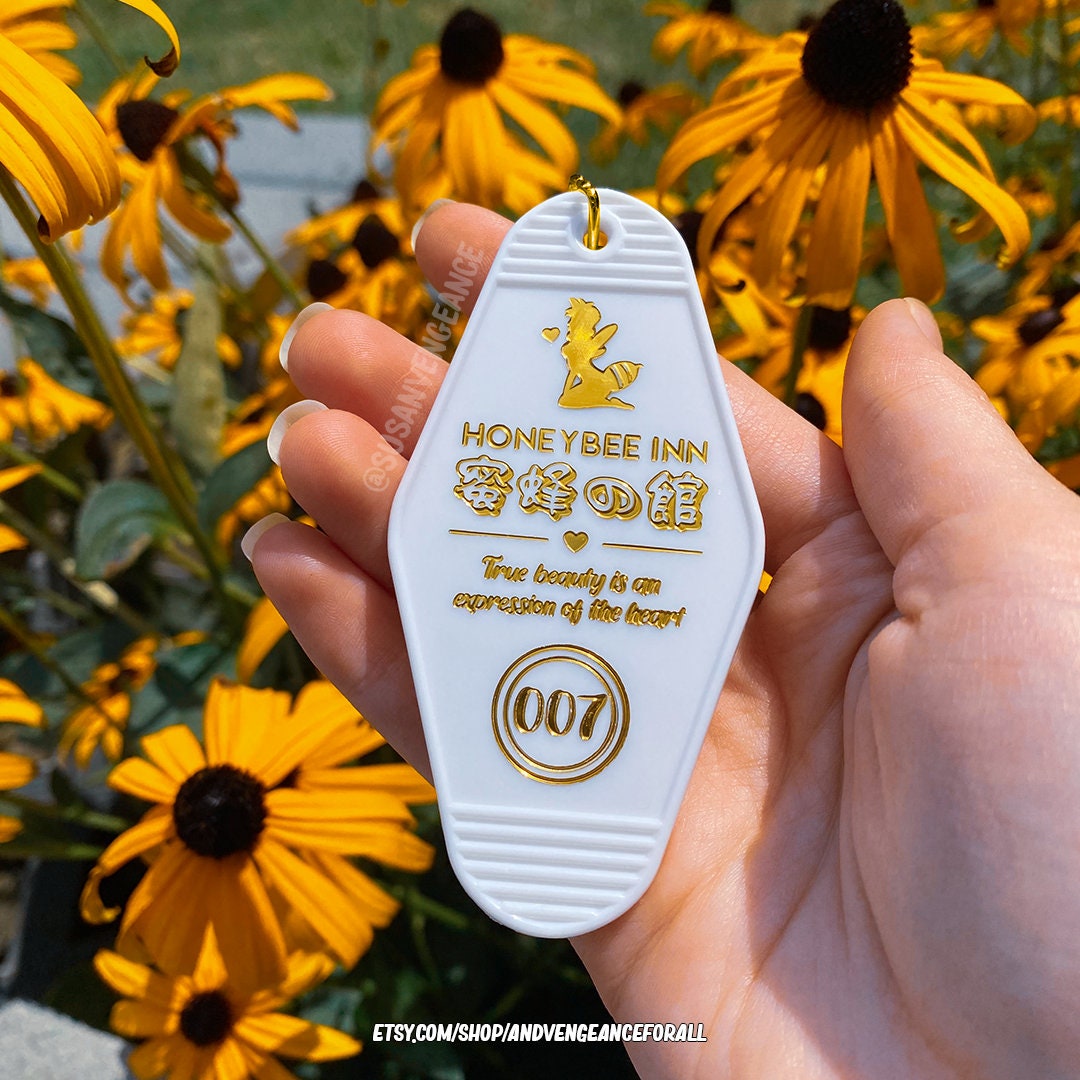
The Honeybee Inn in Final Fantasy VII Remake transforms a brief, controversial original 1997 location into a lavish, performance-driven masterpiece. It redefines Cloud Strife’s infiltration through elaborate musical numbers, gender-defying wardrobe makeovers, deep narrative subtext, and rich environmental storytelling that rewards observant fans.
The Evolution of Wall Market's Crown Jewel
When Square Enix announced that Final Fantasy VII Remake would split the original PlayStation narrative into multi-part installments, long-time fans immediately wondered how the game's most vibrant and culturally sensitive locations would transition to modern hardware. Chief among these was the Honeybee Inn. In the 1997 original, the establishment served as a comedic, pixelated neon-lit brothel in the heart of Wall Market, notable primarily for Cloud's forced cross-dressing sequence to rescue Tifa Lockhart from Don Corneo.
Rather than shying away from the source material or stripping it of its unique flavor, the development team reimagined the Honeybee Inn as a high-end, theatrical cabaret and performance club. This modernization maintained the core themes of theatricality, bodily autonomy, and self-expression while elevating the production values to match contemporary sensibilities. Examining the venue reveals a layer of intricate design choices, hidden character details, and narrative callbacks that elevate the sequence from a simple mini-game hub to one of the most memorable milestones in the entire project.
1. The Real-Time Synchronized Musical Numbers and Motion Capture Mastery
The centerpiece of the Honeybee Inn infiltration is Cloud's dance audition, led by the charismatic proprietor, Andrea Rhodea. Far from a simple sequence of button-prompted quick-time events, this segment represents a massive technical and artistic undertaking for Square Enix’s development teams.
To achieve fluid, professional choreography, the developers utilized extensive motion capture sessions with professional dancers. The physical movements required of Cloud—a stoic, heavy-swording mercenary suddenly thrust into high-heeled, high-tempo dance routines—demanded exact skeletal rigging adjustments. The animators had to ensure that Cloud's reluctant stiffness transitioned smoothly into uncanny, flawless synchronization as the music reached its crescendo.
Furthermore, the musical composition itself, arranged by Ryo Yamazaki and featuring vocal performances, dynamically shifts based on player inputs. Missing cues alters the rhythm subtly rather than causing an immediate failure state, preserving the theatrical flow of the performance. This attention to musical timing and kinetic energy ensures that the player feels the physical transformation Cloud undergoes, mirroring his psychological willingness to embrace the absurd to save his friend.
2. Andrea Rhodea’s Philosophy of Beauty Without Boundaries
In the original 1997 game, the patrons and employees of the Honeybee Inn were presented through a lens of 1990s comedic tropes. In Final Fantasy VII Remake, the character of Andrea Rhodea serves as the philosophical anchor of the venue, completely reframing what the Honeybee Inn represents to the marginalized residents of Sector 6 and Wall Market.
Andrea’s mantra, "True beauty is an expression of the heart," shifts the narrative from superficial cross-dressing for infiltration to a celebration of authentic self-identity. Andrea is not merely a club owner; they are an iconoclast who defies the rigid social hierarchies imposed by the Shinra Electric Power Company and the criminal syndicates of Midgar.
- Inclusive Environment: The staff and clientele of the Honeybee Inn span diverse gender expressions, body types, and backgrounds, creating a rare safe haven in the dystopian underside of Midgar.
- Empowerment Over Exploitation: Unlike Don Corneo’s mansion, which relies on coercion and objectification, the Honeybee Inn operates on consent, artistry, and the radical idea that anyone can claim their own beauty.
- Mentorship Role: Andrea immediately recognizes Cloud’s internal conflict and offers guidance not just on makeup and wardrobe, but on shedding the emotional armor that defines his Soldier persona.
3. Deep Lore and Environmental Storytelling Hidden in the Dressing Rooms
Players racing through the main objective often miss the staggering level of environmental detail packed into the Honeybee Inn's backstages, dressing rooms, and VIP lounges. The development team populated these areas with lore hints that connect the club to the broader socioeconomic fabric of Midgar.
If players take the time to explore the vanity tables, prop rooms, and corridors before the main performance begins, they will find numerous nods to the original game alongside entirely new world-building elements:
- Original Game Callbacks: Framed posters on the walls reference classic monster designs and obscure characters from the compilation of Final Fantasy VII, serving as Easter eggs for returning fans.
- Shinra Clientele Evidence: Subtly placed ledgers and VIP passes hint that high-ranking Shinra officials and corporate executives frequently visit Wall Market in secret, using the Honeybee Inn’s reputation for discretion to mask their illicit nightlife.
- Costume Archives: The racks of clothing backstage reveal that the Honeybee Inn produces custom theatrical costumes on a massive scale, functioning as both a performance venue and a clandestine tailoring collective.
Comparison of Honeybee Inn: 1997 Original vs. 2020 Remake
To understand the scope of the transformation, it helps to compare how key elements of the Honeybee Inn sequence were handled across the original release and the modern reimagining.
| Feature Area | 1997 Original (PlayStation) | 2020 Remake (PlayStation 4/5) |
|---|---|---|
| Primary Genre | Comedic dungeon crawl and item hunt | High-production theatrical musical performance |
| Character Role of Andrea Rhodea | Minor recurring NPC with brief dialogue | Central thematic mentor and master of ceremonies |
| Infiltration Method | Navigating themed rooms to collect items | Completing a dance audition and makeup styling |
| Thematic Focus | Slapstick humor and fish-out-of-water tropes | Bodily autonomy, self-expression, and breaking norms |
| Visual Design | Low-poly pixel art with text-heavy dialogue | Fully voiced, motion-captured cinematic spectacle |
4. The Intricate Mechanics of Cloud’s Makeover Combinations
Getting ready for the encounter with Don Corneo requires assembling three distinct components: a dress, a wig, and a tiara/perfume combination. While players might view this merely as a checklist, the game calculates specific branching outcomes based on side-quests completed for Madame M and Chocobo Sam in Wall Market.
The variety of Cloud's outfits—ranging from the sleek black-and-purple gown to the frilly blue dress and the elaborate white gown—reflects the different factions and influences operating within Wall Market. Each outfit alters how characters react to Cloud during subsequent cutscenes, providing subtle dialogue variations that reward completionists.
Furthermore, the makeup application room features interactive mirrors and cosmetic selections that allow players to customize Cloud's final presentation. The sheer number of asset variations dedicated solely to this single sequence highlights the immense production budget and creative freedom Square Enix granted the development team to expand secondary locations.
5. Narrative Foreshadowing and Cloud’s Psychological Unravelling
On a surface level, the Honeybee Inn sequence provides comic relief before the high-stakes raid on Don Corneo’s mansion. However, narratively, it serves as a crucial turning point for Cloud Strife’s psychological state.
Throughout the early chapters of Final Fantasy VII Remake, Cloud maintains a rigid, detached persona modeled after his memories of Sephiroth and his time as a Shinra Soldier. He insists that he is strictly a mercenary who does jobs for Gil, masking his genuine empathy behind cold professionalism.
When Andrea Rhodea and the honeybees compel Cloud to step onto the dance floor, they strip away his armor—not just physically by dressing him in feminine attire, but psychologically by forcing him to perform, smile, and lose control in front of an audience. Cloud’s initial hesitation gives way to total commitment, demonstrating that beneath the trauma and genetic modification lies a person capable of joy, theatricality, and uninhibited self-expression. This moment of vulnerability foreshadows the later shattering of his false memories and paves the way for his genuine emotional recovery.
Frequently Asked Questions
Can you miss the Honeybee Inn sequence in Final Fantasy VII Remake?
No, the infiltration of the Honeybee Inn is a mandatory main story event in Chapter 9 of Final Fantasy VII Remake. Players cannot progress through the main plot without completing the dance audition and securing the necessary garments to enter Don Corneo's mansion.
How do you get the best score on the Honeybee Inn dance minigame?
Achieving a "Great" rating on the dance minigame requires memorizing the rhythm of Andrea Rhodea's choreography and timing button presses to match the visual prompts rather than rushing inputs. Maintaining a continuous combo without missing beats unlocks top-tier performance rewards and unique dialogue praise from Andrea.
Does the Honeybee Inn appear in the original 1997 Final Fantasy VII?
Yes, the Honeybee Inn is an iconic location in the original 1997 game located in Wall Market. However, its layout, gameplay mechanics, and narrative tone were drastically expanded and modernized for the 2020 remake to fit contemporary game design standards.
Why was the Honeybee Inn changed so drastically in the remake?
The development team chose to redesign the Honeybee Inn to move away from dated 1990s comedic tropes and transform the venue into a celebration of self-expression, inclusivity, and high-end theatrical artistry, ensuring the sequence resonated with modern audiences while retaining its core narrative purpose.
Next Steps for Completionists
For players looking to experience everything the Honeybee Inn sequence has to offer, replay Chapter 9 via Chapter Select after finishing the main story. By altering your choices during the Wall Market side-quests—specifically balancing tasks between Madame M and Chocobo Sam—you can unlock alternative dresses for Cloud, Tifa, and Aerith, alongside unique cutscenes and collector items.