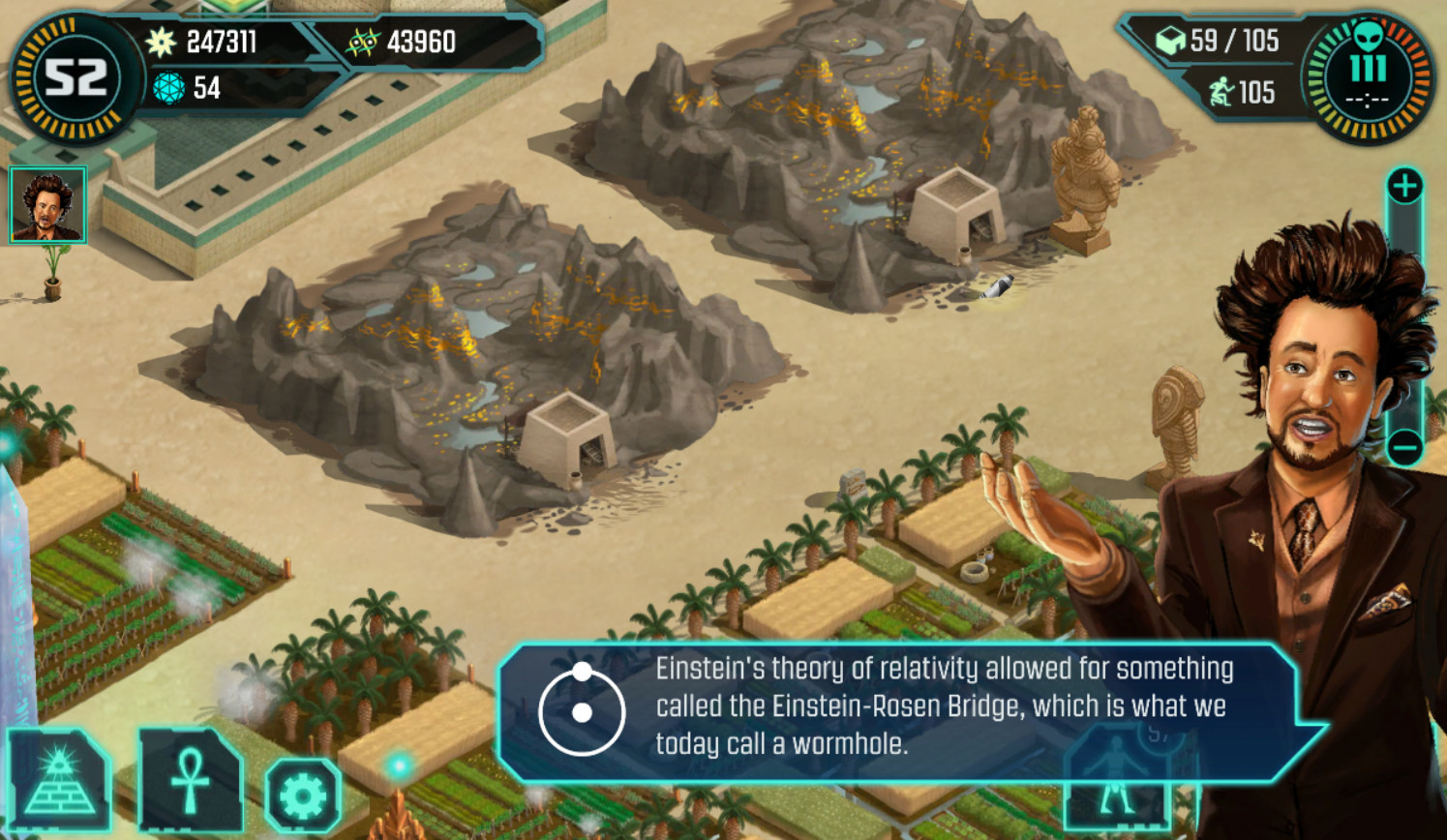
The debate over the ancient astronaut hypothesis pits mainstream scientific archaeology against alternative historical speculation popularized by media figures like David Hatcher Childress. As a mainstay expert on the History Channel series Ancient Aliens, Childress argues that extra-terrestrial intervention explains advanced ancient engineering, whereas academic researchers demonstrate that human innovation fully accounts for these historical accomplishments.
Who Is David Hatcher Childress? The Path to Ancient Aliens
David Hatcher Childress is an American author, publisher, and prominent proponent of alternative archaeology. Born in 1957, Childress spent much of his young adulthood traveling across Asia, Africa, and Central America during the 1970s and 1980s. His early travel experiences formed the foundation of his belief that mainstream historians overlooked evidence of high technology in antiquity.
In 1984, Childress founded Adventures Unlimited Press, an independent publishing house devoted to books on lost cities, anti-gravity research, alternative science, and forgotten civilizations. Through his press, Childress authored dozens of titles—including the Lost Cities book series—positioning himself as an independent researcher operating outside what he characterizes as dogmatic academic institutions.
| Evolution of Childress's Platform |
|---|
| 1970s–1980s: Global Backpacking & Field Observations |
| 1984: Founded Adventures Unlimited Press |
| 1990s: Books on Lost Cities, Vimanas, & Tesla Technologies |
| 2009–Present: Featured Commentator on History Channel's Ancient Aliens |
When Prometheus Entertainment launched Ancient Aliens on the History Channel in 2009, Childress was cast as one of its primary on-camera commentators alongside Erich von Däniken and Giorgio A. Tsoukalos. Known for his recognizable fedora and signature phrase asking whether ancient structures could be linked to extraterrestrial visitors, Childress transformed from a niche self-publisher into a global media personality. Within the show's structure, his role is to frame architectural anomalies as evidence of advanced technical knowledge transferred to early human societies by non-human intelligence.
Core Arguments of the Ancient Astronaut Theory in Media Debates
The ancient astronaut hypothesis, championed by Childress on television and in print, relies on several foundational premises that challenge established historical narratives. Understanding these arguments requires examining how alternative theorists reinterpret physical artifacts and written texts.
Megalithic Architecture and "Out-of-Place" Artifacts
A central pillar of Childress's commentary involves megalithic masonry found at sites such as Tiwanaku and Puma Punku in Bolivia, Baalbek in Lebanon, and Saxsayhuamán in Peru. Childress contends that the precision cutting, right-angled interior cuts, and massive weights of these stone blocks (some exceeding 100 metric tons) surpass the technological capabilities of the bronze-age or stone-age societies credited with their construction.
Childress frequently invokes the concept of "Out-of-Place Artifacts" (OOPArts)—objects or architectural feats that allegedly do not fit the accepted technological timeline of human development. In his view, features such as perfect drill holes in granite or complex interlocking masonry require powered machine tools, diamond-tipped saws, or levitation technologies provided by extraterrestrial overseers.
Reinterpreting Mythological Texts and Iconography
In addition to physical stone structures, Childress points to ancient literary traditions and religious iconography as historical documentation of space travel:
- Sanskrit Epic Literature: Childress often cites the Mahabharata and the Ramayana, interpreting references to Vimanas (flying chariots) and weapons like the Brahmashastra as literal descriptions of advanced aircraft and nuclear weaponry.
- Mesoamerican Artifacts: Sculptures such as the sarcophagus lid of Mayan ruler K'inich Janaab' Pakal at Palenque are interpreted by ancient astronaut proponents as depictions of pilots operating mechanical craft.
- Near Eastern Texts: References in the Sumerian Epic of Gilgamesh and the biblical Book of Ezekiel are cited as firsthand accounts of rocket propulsion, atmospheric reentry, and contact with non-human intelligence.
Mainstream Archaeology vs. Alternative History: Points of Contention
The debate between figures like David Childress and professional archaeologists centers on fundamentally different approaches to evidence, historical context, and scientific methodology. Mainstream scholars from institutions such as the Archaeological Institute of America reject ancient astronaut claims, emphasizing that alternative theories rely on logical fallacies and ignore extensive physical evidence.
Methodological Divide
| Mainstream Archaeology | Ancient Astronaut Theory |
|---|---|
| Empirical Fieldwork | Visual Inspection |
| Radiocarbon / Stratigraphy | Speculative Analogy |
| Contextual Artifacts | Hyper-Diffusionism |
| Replicative Experiments | Anomalous Selection |
Epistemology and Methodology: Evidence vs. Speculation
Academic archaeology relies on the scientific method, prioritizing stratified excavation, peer-reviewed analysis, radiometric dating, and material science. When analyzing a site like Puma Punku, mainstream archaeologists examine quarry marks, discarded stone chisels, copper-arsenic alloy clamps, and unfinished blocks that illustrate the step-by-step human work process.
In contrast, critics point out that Childress and Ancient Aliens employ a method known as anomaly hunting. Rather than evaluating a site holistically within its local cultural development, alternative theorists focus on isolated features that appear difficult to explain at first glance. If an exact tool mark is not instantly identifiable by visual inspection alone, the theory substitutes extraterrestrial intervention as an explanation, committing an argument from incredulity.
Engineering and Human Ingenuity: The Mainstream Consensus
Mainstream structural engineers, experimental archaeologists, and stone masons have repeatedly demonstrated that ancient societies possessed the organization and tools necessary to quarry, move, and shape massive megaliths.
- Stone-Tool Efficiency: Experimental archaeology demonstrates that pounding stones made of hard materials like basalt or diabase can effectively shape softer stones like granite and Andesite through controlled attrition.
- Transportation Dynamics: Experiments conducted by archaeologists like Jean-Pierre Protzen have shown that large stone blocks were moved using wooden rollers, sledges, lubricated clay pathways, and massive coordinated labor forces.
- Drafting and Fitting Techniques: Precise joints in Inca and Tiwanaku masonry were achieved using template scribing and trial-and-error abrasion, where stone blocks were placed, marked, removed, and reshaped until a flush fit was obtained.
The Critique of Ethno-Centric Implicit Bias
A major criticism leveled against the ancient astronaut hypothesis by anthropologists and historians involves implicit cultural bias. Scholars note that hyper-diffusionist theories—which attribute complex achievements in Africa, Asia, and the Americas to outside forces—frequently underestimate the intelligence and technical creativity of indigenous non-European populations.
By asserting that indigenous peoples like the Maya, Inca, ancient Egyptians, or native Bolivians could not have designed their own monuments without foreign intervention, alternative theories erase human agency and cultural evolution from the historical record. Academic researchers emphasize that attributing human achievements to extraterrestrials ignores centuries of local trial, error, and engineering progress documented in the archaeological record.
Comparative Analysis: Scientific Archaeology vs. Ancient Astronaut Claims
To understand the core differences in how evidence is interpreted, the table below compares key claims promoted by David Childress on Ancient Aliens against the established evidence published by scientific archaeologists and engineers.
| Historical Site / Topic | David Childress & Ancient Aliens Claim | Mainstream Archaeological & Scientific Evidence | Key Source / Methodology |
|---|---|---|---|
| Puma Punku (Bolivia) | Precision H-blocks were molded or cut with diamond-tipped laser tools provided by aliens. | Blocks were carved from local red sandstone and andesite using hard hammerstones, copper alloy clamps, and abrasive sand polish. | Fieldwork by Jean-Pierre Protzen & Alexei Vranich |
| Baalbek Trilithon (Lebanon) | 800-ton stones were levitated using anti-gravity acoustic technology. | Romans utilized heavy timber cranes, compound pulleys, capstans, and inclined earthen ramps. | Roman engineering manuals (Vitruvius) & crane reconstructions |
| Sanskrit Vimanas | Ancient Indian texts document real jet-powered spacecraft and nuclear warfare. | Vimanas are poetic, mythological flying palaces; technical texts like Vaimanika Shastra were written in the early 20th century. | IISc Aeronautical Engineering Study (Mukunda et al., 1974) |
| Palenque Sarcophagus (Mexico) | Lord Pakal's tomb lid depicts a Maya astronaut operating a rocket machine. | Carving represents Pakal descending into the Maya underworld (Xibalba) along the World Tree (Axis Mundi). | Maya epigraphy & hieroglyphic translation (Linda Schele) |
| Easter Island Moai (Chile) | Giant statues were placed using extraterrestrial antigravity beam technology. | Statues were moved upright using ropes and rhythmic rocking motions ("walking the moai") by coordinated teams. | Experimental archaeology by Terry Hunt & Carl Lipo |
Media Dynamics: How Ancient Aliens Shaped Public Perception
The long-running success of Ancient Aliens has redefined how millions of viewers encounter historical and scientific topics. While the show presents itself as a serious investigation into alternative history, media scholars and educators analyze it as a phenomenon in scientific communication and entertainment production.
Sensationalism vs. Scientific Communication
Television networks prioritize audience engagement, narrative drama, and speculative mystery over the slower, methodical pace of academic research. Ancient Aliens uses editing techniques that place qualified mainstream scholars alongside speculative alternative theorists, creating a false equivalence.
When an academic researcher explains a confirmed construction technique, the show often follows with Childress or Tsoukalos offering a speculative counter-explanation. To an audience unfamiliar with formal archaeological literature, both perspectives may appear equally plausible, masking the overwhelming scientific consensus that exists against extraterrestrial hypotheses.
Media Narrative Engine
- Unexplained Artifact / Architectural Feature
- Academic Scholar Explains Established Context
- Dramatic Music & Speculative Edit Transition
- David Childress / Theorist Proposes Alien Tech
- "Ancient Astronaut Theorists Say Yes" Framing
The Debunking Movement and Public Archaeology
The prominence of David Childress and Ancient Aliens has forced the scientific community to re-evaluate how it communicates with the public. Historically, professional archaeologists ignored alternative theories, viewing them as too implausible to warrant formal rebuttal. However, as speculative shows gained millions of viewers, scholars recognized that silence allowed misinformation to spread unchecked.
This shift gave rise to proactive public archaeology initiatives:
- Skeptical Media Rebuttals: Documentaries like Ancient Aliens Debunked (produced by Chris White) provided minute-by-minute textual and technical counter-analyses of specific episodes.
- Academic Blogging & Analysis: Independent researchers and archaeologists, such as Jason Colavito, established platforms dedicated to analyzing the historical sources and literary origins of claims aired on television.
- Accessible Science Outreach: Professional organizations now emphasize public engagement, producing accessible videos, podcasts, and articles explaining how ancient structures were genuinely engineered by human hands.
Frequently Asked Questions
Has David Childress ever published in peer-reviewed scientific journals?
No. David Hatcher Childress publishes his work primarily through his own company, Adventures Unlimited Press, and popular trade media. His books and television commentaries are aimed at a general public audience rather than academic journals, which require rigorous double-blind peer review, raw data publication, and verified methodological testing.
Why do mainstream archaeologists reject the claims made on Ancient Aliens?
Mainstream archaeologists reject these claims because they fail to meet the basic standards of the scientific method. Extraterrestrial hypotheses rely on selective evidence while ignoring abundant physical artifacts—such as discarded stone tools, quarry pits, worker housing, written construction logs, and carbon-dated organic material—that document human construction processes.
What is the origin of the Ancient Astronaut Theory promoted by Childress?
While popularised on television today, the theory originated in the mid-20th century. Early sci-fi literature and occult movements laid the groundwork, which was later compiled into popular speculative books such as Erich von Däniken’s Chariots of the Gods? (1968). Childress built upon von Däniken's work during the 1980s and 1990s by blending it with stories of lost continents like Atlantis and Lemuria.
Are the precision cuts at Puma Punku impossible with ancient tools?
No. Detailed studies by researchers like Dr. Jean-Pierre Protzen and Dr. Alexei Vranich have demonstrated that Puma Punku’s andesite and sandstone blocks were carved using local hammerstones made of dense diorite. Precise right angles and smooth surfaces were achieved through systematic pounding, grinding with abrasive sand, and polishing with fine mineral powders.
How do scholars explain the Sanskrit "Vimanas" discussed by Childress?
Indologists and aerospace engineers explain that ancient Sanskrit texts use Vimana as a poetic device for mythical flying palaces used by deities, similar to the flying chariots of Greek mythology. The detailed technical text often cited by alternative theorists, the Vaimanika Shastra, was not an ancient document; an investigation by the Indian Institute of Science confirmed it was dictated between 1918 and 1923.
Navigating the Debate: Critical Evaluation for Readers
When evaluating claims made by alternative history authors like David Childress or watching episodes of Ancient Aliens, applying critical thinking and scientific literacy allows readers to separate entertainment from historical reality.
- Verify Source Material: Check whether assertions about ancient texts or artifacts rely on modern translations, selective quoting, or speculative re-interpretations. Consult primary historical texts and academic translations alongside media claims.
- Apply Occam’s Razor: When presented with two competing explanations for a historical mystery, evaluate which explanation requires fewer unproven assumptions. Explaining a stone monument through organized human labor and simple tools relies on known human capabilities; attributing it to space travelers requires accepting unproven technologies and interstellar visits.
- Examine the Full Context: Look beyond isolated anomalies. A complete archaeological site includes quarry marks, tool residues, social structures, and historical antecedents that show how architectural techniques evolved over time.
- Consult Independent Peer-Reviewed Research: Explore resources provided by reputable academic bodies, such as the Society for American Archaeology or published excavation reports, to review the empirical data gathered directly from physical sites.
By contrasting television narratives with verified field evidence, readers gain a deeper appreciation for the genuine ingenuity, labor, and technical capabilities of ancient human civilizations.