Choosing a medical alert device involves balancing reliability, coverage, battery life, and specific lifestyle needs like fall detection or GPS tracking to ensure rapid emergency response for seniors or individuals with medical conditions.
Navigating the market for personal emergency response systems (PERS) requires an understanding of how these devices operate, what features are essential for different lifestyles, and how monitoring services handle distress signals. Whether you are looking for an in-home landline-connected base station or a lightweight cellular pendant with built-in GPS for outdoor use, selecting the right hardware can mean the difference between immediate medical intervention and prolonged waiting times during a crisis.
This guide examines the top-performing medical alert devices available, detailing their operational mechanics, technical specifications, and suitability for various user profiles.
Understanding Medical Alert Systems: Types and Core Mechanics
Before evaluating individual devices, it is vital to understand the two primary categories of medical alert systems: in-home systems and mobile systems. Each category serves a distinct operational purpose and comes with specific technical requirements.
In-Home Medical Alert Systems
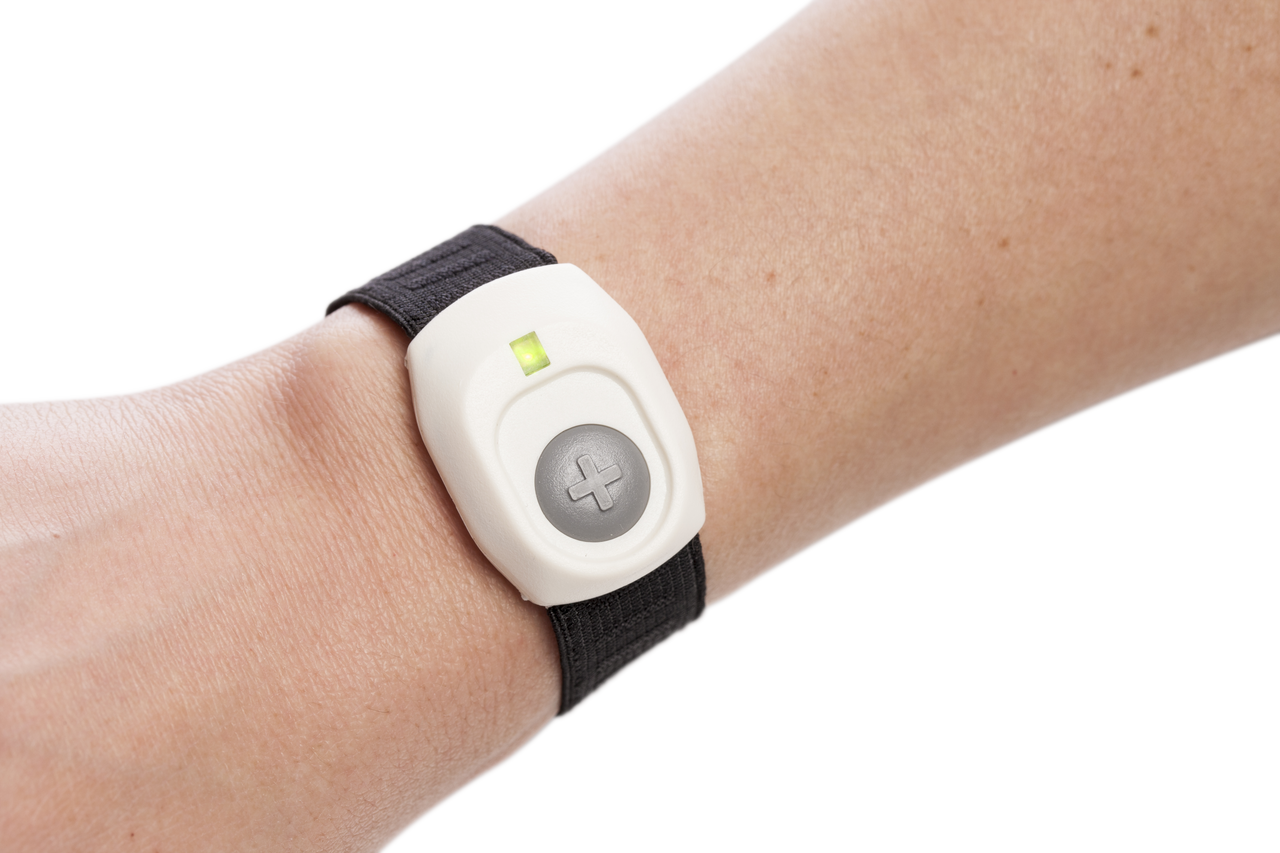
In-home units consist of a central base station plugged into an electrical outlet and a wearable button—either a pendant or a wristband. These systems rely on a landline, cellular network, or VoIP connection to link the base station to a monitoring center.
- Range Limitations: Most in-home base stations feature a radio frequency (RF) range of 300 to 1,400 feet. This means the wearable button will only communicate with the base station while the user is inside the house or immediately outside in the yard.
- Power Backup: High-quality in-home base stations include internal rechargeable backup batteries lasting anywhere from 12 to 32 hours in the event of a residential power outage.
Mobile Medical Alert Systems
Mobile devices integrate the cellular transmitter and the emergency button into a single, portable unit. These units rely on major cellular carriers (such as AT&T, Verizon, or T-Mobile) and utilize Global Positioning Systems (GPS) to pinpoint the user's location outside the home.
- Geographic Independence: Users are not restricted to their homes. These devices function anywhere cellular coverage is available.
- Charging Requirements: Because mobile devices house cellular chips and GPS tracking hardware, they require daily or near-daily recharging. Battery performance ranges from 24 hours to several days depending on the model and cellular signal strength.
Key Features to Evaluate
When shopping for a medical alert system, several technical and operational factors deserve careful consideration:
- Automatic Fall Detection: Accelerometers and gyroscopes inside the device measure sudden changes in motion and orientation. If a hard fall is detected, the device automatically initiates a call to the monitoring center without requiring the user to press the button. Note that fall detection is rarely 100% accurate and should be viewed as a secondary safety net.
- Monitoring Center Certification: Look for monitoring centers certified by organizations like The Monitoring Association (TMA) or listed by Underwriters Laboratories (UL). These certifications ensure staff undergo rigorous emergency dispatch training and adhere to strict redundancy standards.
- Water Resistance: Many emergencies occur in bathrooms during slips in the shower or tub. Devices should carry an IP rating (such as IP67 or IP68) indicating resistance to water immersion.
- Two-Way Communication: Clear speakerphones and sensitive microphones embedded directly in the pendant or base station allow users to speak with emergency dispatchers without holding the device to their ear.
Comparison of Top Medical Alert Devices
To assist in your evaluation, the following table compares five leading medical alert devices based on connectivity, range, and specialized features.
| Device Name | System Type | Primary Connectivity | Range / Coverage | Fall Detection Available? | Average Battery Life |
|---|---|---|---|---|---|
| Medical Guardian Mobile 2.0 | Mobile | 4G LTE Cellular | Nationwide (US) | Optional (Extra Fee) | Up to 5 Days |
| Bay Alarm Medical SOS Smartwatch | Mobile (Wearable) | 4G LTE Cellular | Nationwide (US) | Built-In (No Extra Fee) | Up to 24 Hours |
| Life Alert In-Home Classic | In-Home | Landline or Cellular | Up to 800 ft from base | Not Available | Up to 72 Hours (Backup) |
| Medical Alert Mobile Companion | Mobile | 4G LTE Cellular | Nationwide (US) | Optional (Extra Fee) | Up to 24 Hours |
| MobileHelp Solo | Mobile | 4G LTE Cellular | Nationwide (US) | Optional (Extra Fee) | Up to 24 Hours |
Detailed Review of the 5 Best Medical Alert Devices
1. Medical Guardian Mobile 2.0
The Mobile 2.0 by Medical Guardian represents a top-tier choice for active seniors who require reliable out-of-home protection. Housed in a compact, lightweight casing, it relies on dependable 4G LTE cellular networks to transmit emergency signals.
- Performance and Design: The device features a rugged, water-resistant build suitable for outdoor environments. Its standout feature is an extended battery life that can last up to five days on a single charge, minimizing the risk of a dead battery during multi-day outings or forgetfulness.
- Pros: Exceptional battery life, rapid response times, and an optional fall-detection pendant that pairs seamlessly with the mobile unit.
- Cons: Fall detection requires an additional monthly subscription fee, and the physical unit is slightly larger than a traditional smartwatch.
2. Bay Alarm Medical SOS Smartwatch
For users who dislike wearing traditional medical alert pendants or wrist buttons, the Bay Alarm Medical SOS Smartwatch offers a discreet, modern alternative that blends into everyday life while maintaining emergency connectivity.
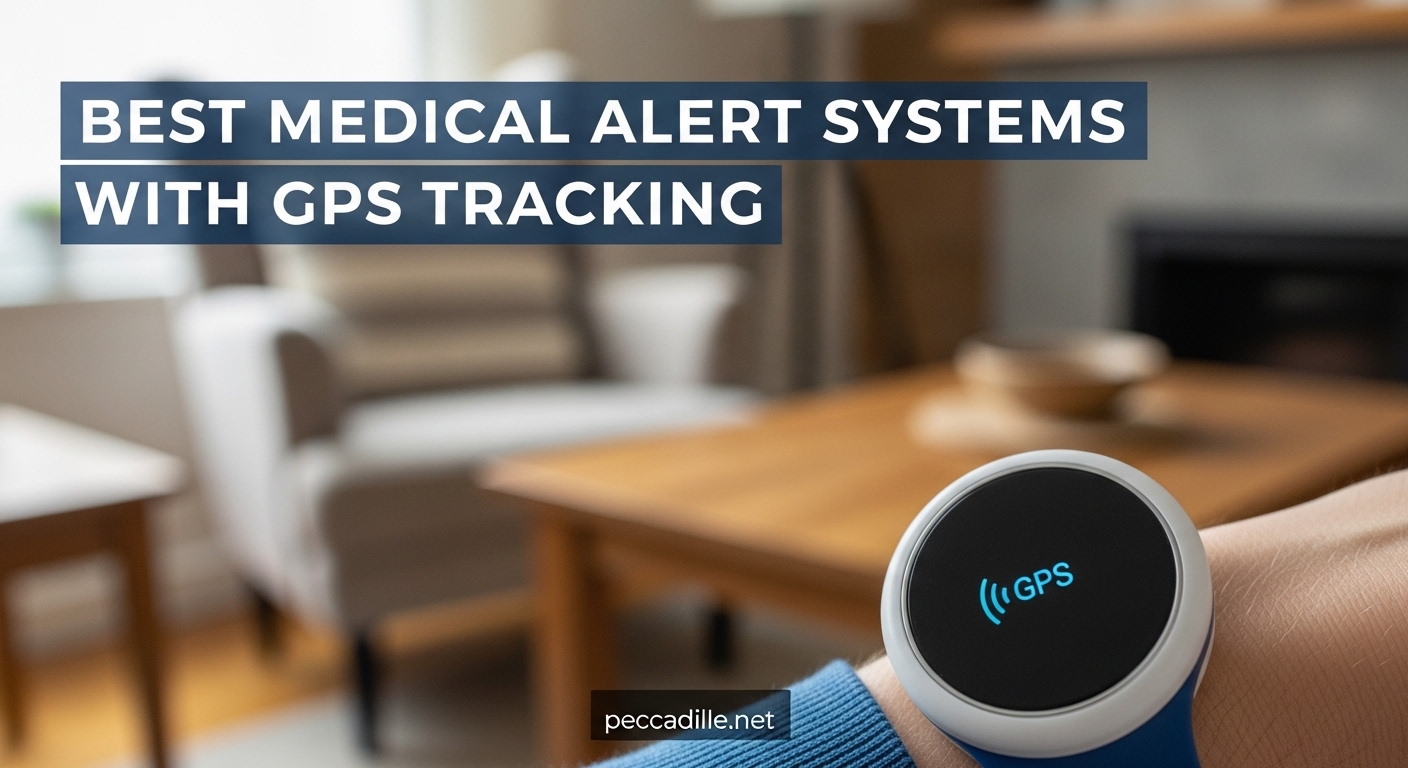
- Performance and Design: Styled like a standard digital watch, the touchscreen interface displays time, daily step counts, and a prominent SOS button. It features built-in GPS tracking and cellular connectivity, allowing family members to check the wearer's location via a companion smartphone application.
- Pros: Highly discreet appearance, built-in GPS, and integrated fall detection included without mandatory surcharges on select plans.
- Cons: Requires daily charging, and the touchscreen interface may prove challenging for individuals with severe dexterity or visual impairments.
3. Life Alert In-Home Classic
Life Alert remains a recognizable industry name, primarily recognized for its proprietary monitoring centers and reliable in-home hardware. The In-Home Classic system is designed for individuals who spend the majority of their time at home and prefer a dedicated landline or cellular base station setup.
- Performance and Design: The base station includes a powerful speakerphone capable of broadcasting audio across multiple rooms. The waterproof help button can be worn as a pendant or wristband and communicates via a secure, dedicated radio frequency.
- Pros: Operates independently of commercial cellular service if connected to a traditional landline; highly responsive proprietary monitoring dispatchers.
- Cons: Long-term contract commitments are standard, equipment technology is more traditional, and out-of-home protection requires purchasing a separate mobile package.
4. Medical Alert Mobile Companion
The Mobile Companion from Medical Alert is engineered for simplicity and ease of use. It is lightweight, features large, tactile buttons, and offers reliable nationwide GPS tracking.
- Performance and Design: Designed with a focus on straightforward operation, the device features a single prominent emergency button surrounded by a rubberized grip. It utilizes top-tier cellular networks to ensure connection in remote or suburban areas.
- Pros: Simple out-of-the-box setup, responsive customer service, and reliable GPS positioning.
- Cons: Battery life maxes out around 24 hours, necessitating a strict nightly charging routine.
5. MobileHelp Solo
The MobileHelp Solo is a compact, standalone mobile medical alert device that provides comprehensive safety features without tying the user to a home base station.
- Performance and Design: The Solo unit is small enough to be worn around the neck or clipped to a belt. It features fast location tracking and direct two-way communication routed through a dedicated central monitoring station.
- Pros: No landline required, quick activation, and access to a caregiver mobile app for location monitoring.
- Cons: Fall detection requires an upgraded plan, and the physical device must be kept charged daily.
Important Considerations Before Purchasing
Selecting a medical alert system requires evaluating more than just the hardware. Pay close attention to the following contractual and operational details:
- Contract Terms and Cancellation Policies: Many providers offer discounted monthly rates if you commit to an annual or quarterly contract. Ensure you understand the refund policy if the user refuses to wear the device or if living arrangements change.
- Hidden Fees: Inquire about activation fees, equipment lease versus purchase fees, and shipping costs. Some companies charge extra for replacement pendants if they are lost or damaged.
- Cellular Carrier Compatibility: Because mobile systems rely on cellular networks, verify which carrier provides the strongest signal in the user's specific geographic area—particularly in rural or mountainous regions.
Frequently Asked Questions
Do I need a home landline to use a medical alert device?
No. While older systems required a traditional landline, the vast majority of modern medical alert devices—including in-home base stations and mobile units—utilize cellular networks (4G LTE) or internet connections (VoIP) to communicate with monitoring centers.
How does automatic fall detection work?
Fall detection relies on internal sensors (accelerometers) that measure the speed and angle of a sudden drop. When the device registers parameters consistent with a hard fall, it alerts the monitoring center. If you experience a false alarm, you can press the button to cancel the call when the dispatcher speaks over the speakerphone.
Are medical alert systems covered by Medicare?
Standard Medicare (Part A and Part B) typically does not cover the monthly service fees for medical alert systems because they are classified as convenience or safety items rather than durable medical equipment (DME). However, some Medicare Advantage (Part C) plans, Medicaid programs, or long-term care insurance policies may offer partial reimbursements or stipends. Check directly with your plan administrator.
Can emergency services use GPS to find me if I am away from home?
Yes. Mobile medical alert devices equipped with GPS technology transmit your precise geographic coordinates to the monitoring center when an emergency call is initiated. Dispatchers then relay this location data to local emergency medical services (EMS).
Next Steps and Recommendation
To choose the right device, first assess the primary daily routine of the intended user. If the individual rarely leaves the home, an in-home system with a reliable backup battery provides cost-effective coverage. If the individual maintains an active lifestyle, travels, runs errands, or walks outdoors frequently, a mobile cellular device with GPS is essential. Contact prospective providers to confirm cellular coverage strength in your local area, review contract terms carefully, and verify whether fall detection is included or requires an additional monthly fee.