Auto insurance rates are determined by a complex interplay of risk assessment, legal requirements, and policy choices. Understanding these 36 essential terms allows policyholders to navigate premiums, deductibles, and coverage limits effectively, ensuring they receive the best value while maintaining comprehensive financial protection against vehicle-related liabilities and damages.
Navigating the landscape of auto insurance in 2026 requires more than just a cursory glance at a monthly bill. As the industry leans further into algorithmic pricing and real-time data, the vocabulary used by carriers has become increasingly technical. Whether you are a first-time driver or a seasoned vehicle owner, mastering these terms is the first step toward optimizing your coverage and reducing unnecessary costs.
Fundamental Cost Components
Before diving into specific coverage types, it is essential to understand the basic mechanics of how you pay for insurance and how you share financial responsibility with your provider.
1. Premium
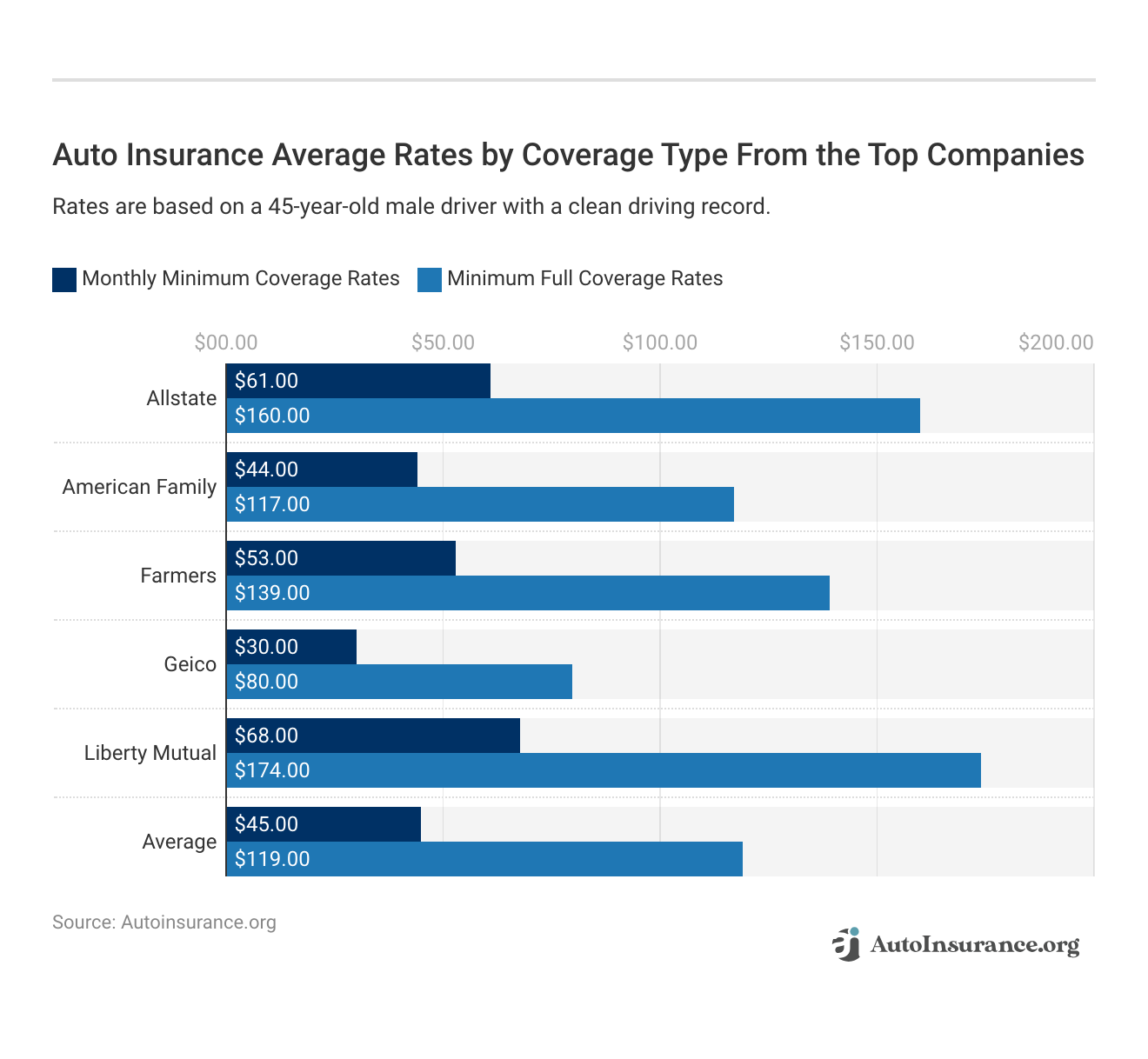
The premium is the total cost you pay to keep your insurance policy active. In 2026, premiums are often quoted as a semi-annual or annual figure, though most consumers opt for monthly installments. It is important to note that the premium is not a static number; it is calculated based on your risk profile, including your driving history, vehicle type, and even your geographic location.
2. Deductible
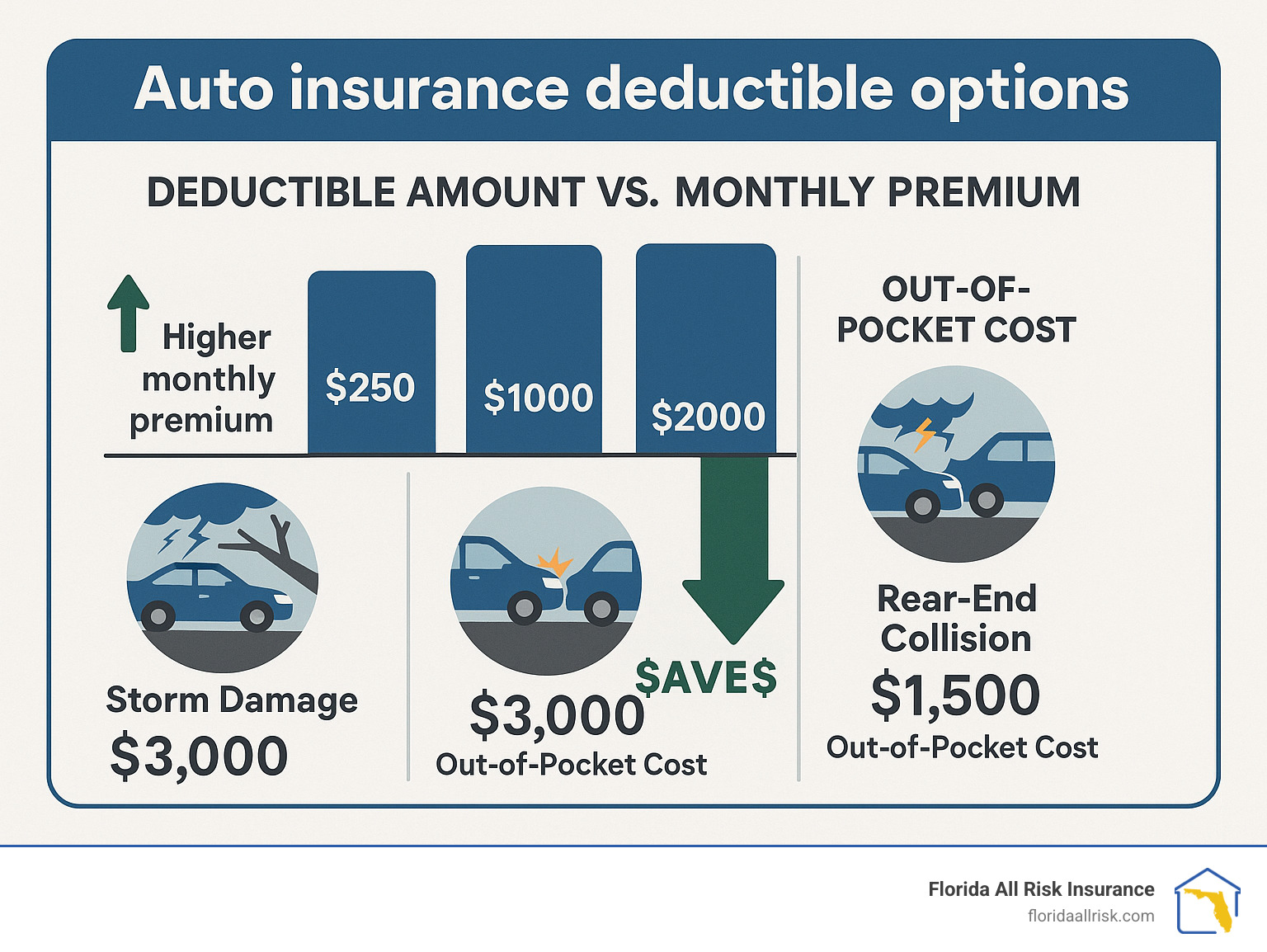
The deductible is the out-of-pocket amount you agree to pay before your insurance provider covers the remainder of a claim. For example, if you have a $500 deductible and sustain $2,000 in damages, you pay the first $500, and the insurer pays $1,500. Generally, choosing a higher deductible leads to a lower premium because you are assuming more of the financial risk.
3. Surcharge
A surcharge is an additional fee added to your premium following a "ratable event," such as an at-fault accident or a significant traffic violation. Surcharges are essentially penalties that reflect your increased risk to the insurer. Most surcharges remain on a policy for three to five years before they expire.
4. Multi-Policy Discount (Bundling)
Often referred to as bundling, this is a rate reduction offered to customers who purchase more than one type of insurance from the same carrier (e.g., auto and homeowners insurance). In the current 2026 market, bundling remains one of the most effective ways to lower overall insurance expenditures, often yielding discounts between 10% and 25%.
Core Coverage Terminology
The following terms define the actual protections provided by your policy. These are the components that satisfy legal requirements and protect your assets.
5. Liability Coverage
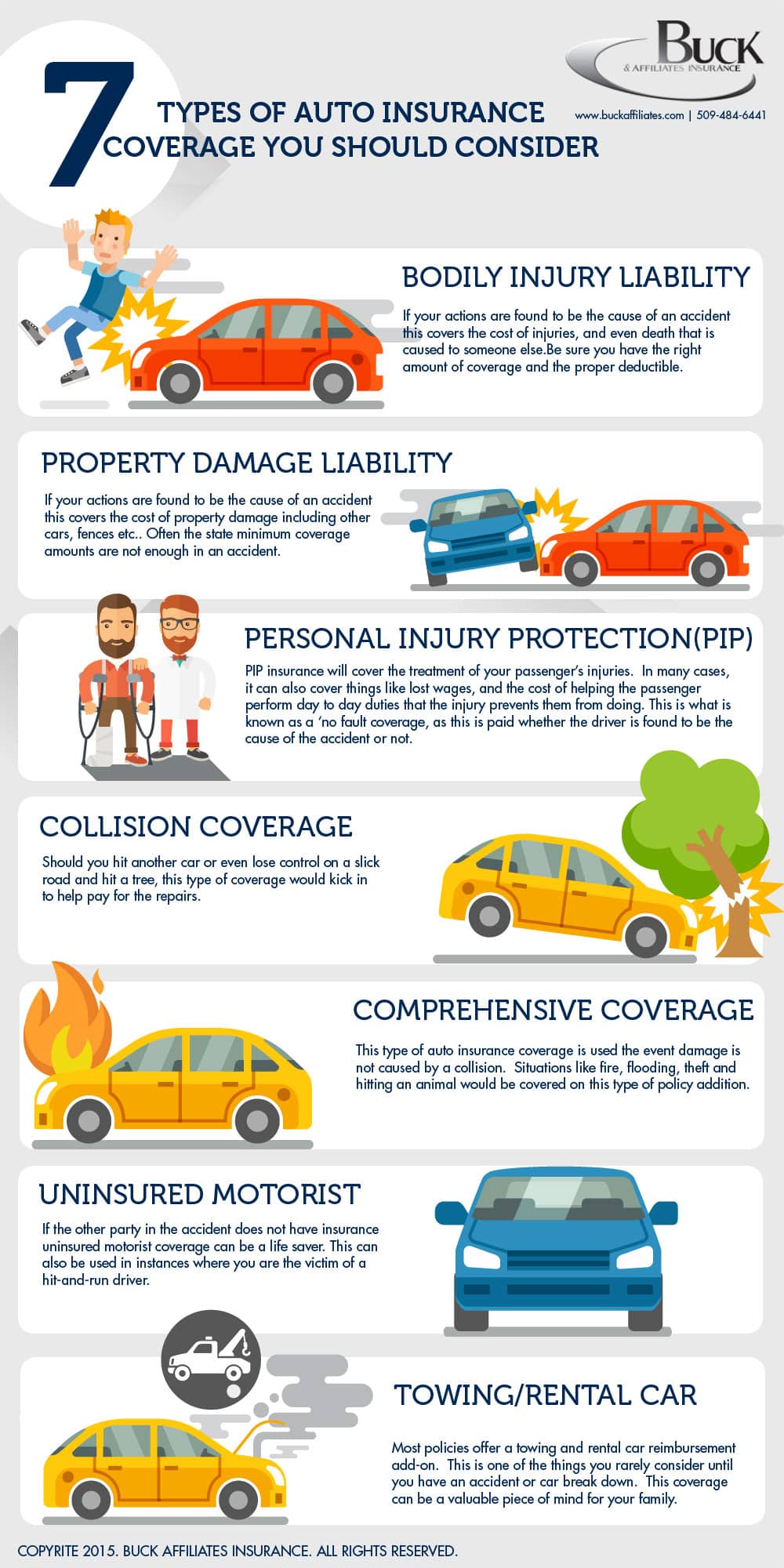
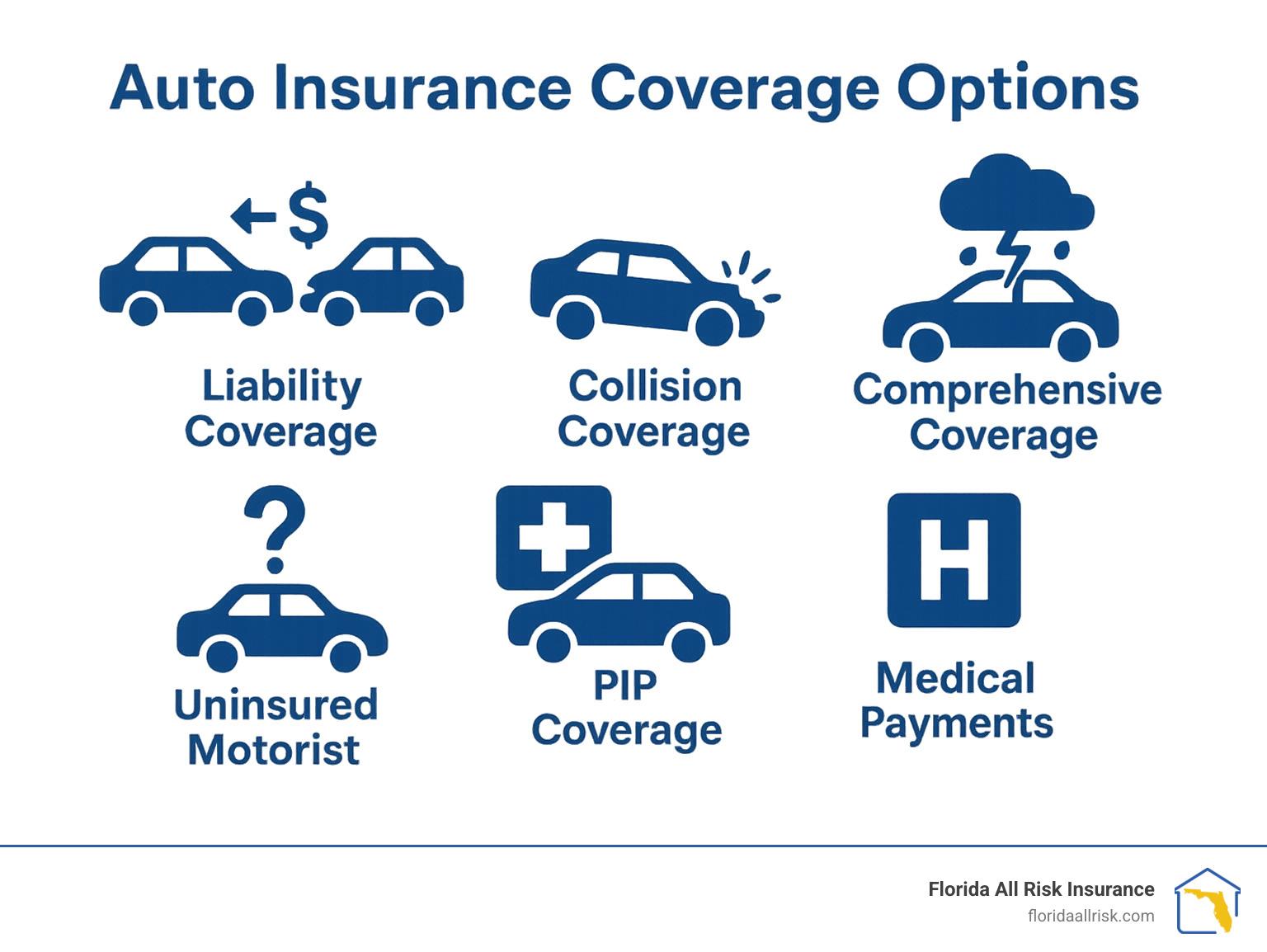
Liability coverage is the foundation of most auto insurance policies and is legally mandated in nearly every jurisdiction. It consists of two parts: Bodily Injury and Property Damage. This coverage pays for the injuries or damages you cause to others in an accident. It does not cover your own injuries or your vehicle's damage.
6. Collision Coverage
Collision coverage pays for damage to your vehicle resulting from a crash with another vehicle or an object (like a fence or a pole), regardless of who is at fault. While not required by law, it is almost always required by lenders if you are financing or leasing your vehicle in 2026.
7. Comprehensive Coverage
Comprehensive coverage (sometimes called "Other Than Collision") protects your vehicle against non-crash-related events. This includes theft, vandalism, fire, natural disasters, and animal strikes. Because these events are largely outside the driver’s control, comprehensive claims often have a different impact on future rates than collision claims.
8. Personal Injury Protection (PIP)
Personal Injury Protection, or PIP, is a "no-fault" coverage required in certain states. It covers medical expenses, lost wages, and even funeral costs for you and your passengers, regardless of who caused the accident. Because PIP covers a wide range of costs, it can significantly influence the baseline rate in no-fault jurisdictions.
9. Medical Payments (MedPay)
MedPay is similar to PIP but more limited in scope. It specifically covers medical or funeral expenses resulting from an accident. Unlike PIP, it does not typically cover lost wages or childcare expenses. It is often used to "bridge the gap" for those with high health insurance deductibles.
10. Uninsured/Underinsured Motorist (UM/UIM)
Despite legal requirements, many drivers operate vehicles without insurance. UM/UIM coverage protects you if you are hit by a driver who has no insurance or whose policy limits are too low to cover your total damages. This coverage is a critical safeguard for your financial stability.
Policy Limits and Valuation
How much an insurer pays out is governed by specific limits and the methods used to value your vehicle.
11. Split Limits
Split limits are the standard way liability coverage is expressed on a declarations page, usually shown as three numbers (e.g., 100/300/100). The first number is the maximum (in thousands) paid for one person’s injuries; the second is the maximum paid for all injuries in one accident; the third is the maximum for property damage.
12. Combined Single Limit (CSL)
A Combined Single Limit provides one total dollar amount of coverage that can be used for any combination of bodily injury and property damage. This offers more flexibility than split limits but is often associated with higher premiums.
13. Actual Cash Value (ACV)
Actual Cash Value is the standard method for valuing a vehicle in the event of a total loss. It is calculated as the replacement cost minus depreciation. If your car is five years old, the insurer will pay you what that five-year-old car was worth just before the accident, not what you paid for it originally.
14. Replacement Cost
Replacement cost coverage is an optional endorsement where the insurer pays to replace your vehicle with a new one of the same make and model, without deducting for depreciation. This is typically only available for new vehicles (usually less than two years old) and carries a higher premium.
15. Gap Insurance
Gap insurance covers the "gap" between the ACV of your vehicle and the amount you still owe on your auto loan or lease. In 2026, with vehicle prices remaining high, gap insurance is essential for anyone who made a small down payment, as cars often depreciate faster than the loan is paid down.
Technical Rating and Underwriting Factors
Insurance companies use sophisticated data to determine how much to charge you. These terms explain the "behind-the-scenes" mechanics of rate setting.
16. Underwriting
Underwriting is the process an insurance company uses to evaluate the risk of an applicant. During underwriting, the company reviews your driving record, vehicle type, and other factors to decide whether to offer you a policy and at what price.
17. Telematics (Usage-Based Insurance)
By 2026, telematics has become a primary driver of insurance pricing. This involves using a smartphone app or a plug-in device to monitor your driving habits—such as braking, speed, and time of day. Drivers who demonstrate safe habits can earn significant discounts, while "risky" drivers may see higher rates.
18. Credit-Based Insurance Score
In many states, insurers use a credit-based insurance score to help predict the likelihood of a policyholder filing a claim. Statistical data suggests a correlation between credit management and driving risk. Note that some states, such as California and Massachusetts, prohibit the use of credit scores in auto insurance rating.
19. Territory
Your territory refers to the specific geographic area where your vehicle is garaged. Insurers analyze claim frequencies and costs within specific zip codes. If you live in a high-traffic urban area with high rates of theft, your territory rating will likely be higher than in a rural area.
20. Loss Ratio
The loss ratio is a financial metric used by insurance companies, representing the ratio of claims paid out to premiums collected. While this is a business term, a high loss ratio in a specific region or for a specific vehicle model often leads to across-the-board rate increases for all policyholders in that group.
21. Risk Pool
A risk pool is a large group of individual policyholders whose premiums are combined to pay for the losses incurred by the few who have accidents. Your rate is partly determined by the performance of the pool you are in; if your "pool" (e.g., drivers of high-performance electric vehicles) has many claims, your rates may rise even if you have a clean record.
Legal and Administrative Terms
Managing a policy involves various legal documents and status changes that can impact your financial standing.
22. Declarations Page
Often called the "Dec Page," the declarations page is a summary of your policy. It lists the named insured, the covered vehicles, the coverage types, the limits, the deductibles, and the premium for the term. This is the document you use to provide proof of coverage to lenders or DMVs.
23. Binder
A binder is a temporary agreement that provides immediate insurance coverage until the formal policy is issued. Binders are usually valid for 30 to 60 days and are frequently used during vehicle purchases to ensure the car is insured before you drive it off the lot.
24. Endorsement (Rider)
An endorsement, also known as a rider, is an amendment to your policy that adds, deletes, or changes coverage. For example, adding "Roadside Assistance" or "Custom Equipment Coverage" is done through an endorsement.
25. Exclusion
An exclusion is a specific situation, item, or person that is not covered by your insurance policy. Common exclusions include intentional damage, racing, or using your personal vehicle for commercial delivery (without a specific business endorsement).
26. SR-22 (Certificate of Financial Responsibility)
An SR-22 is not actually an insurance policy but a form filed by your insurer with the state. It certifies that you carry at least the minimum required liability insurance. It is typically required for drivers with high-risk violations, such as DUIs or driving without insurance. Carriers often charge a filing fee and place these drivers in a higher-rated "non-standard" category.
27. Subrogation
Subrogation is the legal process by which your insurance company seeks reimbursement from the at-fault party's insurance company after they have paid your claim. If subrogation is successful, you may even get your deductible refunded.
28. Indemnity
The principle of indemnity is the backbone of insurance. It states that an insurance policy should return the insured to the same financial position they were in before the loss—no more, no less. You are not supposed to "profit" from an insurance claim.
29. Tort (Full vs. Limited)
In "tort" states (like Pennsylvania), you must choose between Full Tort and Limited Tort. Limited Tort offers a lower premium but restricts your right to sue for "pain and suffering" unless your injuries meet a certain threshold of severity. Full Tort allows for unrestricted legal action but costs more.
Policy Status and Lifecycle
How you manage your policy over time affects your eligibility for lower rates in the future.
30. Earned vs. Unearned Premium
Earned premium is the portion of the premium that the insurance company has "kept" for the time protection has already been provided. Unearned premium is the portion for the remaining time on the policy. If you cancel your policy early, the unearned premium is typically refunded to you.
31. Grace Period
A grace period is a short timeframe (usually 10 to 30 days) after your premium due date during which you can still make a payment without the policy canceling. Not all states or companies offer a grace period for auto insurance, so it is vital to check your specific policy terms.
32. Lapse
A lapse occurs when your insurance policy is cancelled or expires because of non-payment or other reasons. Having a lapse in coverage, even for a few days, can lead to significantly higher rates when you try to get insurance again, as insurers view it as a high-risk behavior.
33. Non-renewal
Non-renewal is different from cancellation. It happens at the end of a policy term when either you or the insurance company decides not to continue the policy for another term. Companies must provide advance notice (usually 30-60 days) if they intend to non-renew your policy.
34. Total Loss
A vehicle is declared a total loss when the cost to repair it exceeds a certain percentage of its ACV (usually 70% to 80%, depending on state law). At this point, the insurer pays out the ACV rather than paying for repairs.
35. Depreciation
Depreciation is the decrease in the value of your vehicle over time due to wear, tear, and age. This is a critical factor in ACV settlements. Understanding depreciation helps you decide when it might be time to drop collision or comprehensive coverage on an older vehicle.
36. Reinsurance
While you don't buy reinsurance directly, it impacts your rates. Reinsurance is "insurance for insurance companies." Carriers buy it to protect themselves against massive losses (like a hurricane damaging thousands of cars). If reinsurance rates rise globally, those costs are often passed down to consumers.
Comparison of Coverage Impact on Rates
| Term | Category | Impact on Rate | Primary Function |
|---|---|---|---|
| Deductible | Financial | High | Determines your out-of-pocket cost per claim. |
| Liability Limits | Legal/Coverage | High | Defines the maximum protection for others' losses. |
| Telematics | Rating Factor | Medium to High | Adjusts rate based on real-time driving behavior. |
| Comprehensive | Physical Damage | Medium | Protects against theft, fire, and weather. |
| Collision | Physical Damage | High | Protects your car in an accident. |
| Multi-Policy | Discount | High (Negative) | Lowers rate when you buy multiple products. |
| SR-22 | Administrative | High | Tracks high-risk drivers for state compliance. |
Frequently Asked Questions
Why did my auto insurance rate increase if I didn't have an accident?
Rates can increase due to factors outside your individual control, such as a general increase in "loss ratios" within your territory, rising costs of vehicle repairs (parts and labor), or an increase in the frequency of claims in your risk pool. Additionally, if you lose a "clean driving record" discount because of a minor speeding ticket, your premium will rise.
Can I change my deductible in the middle of a policy term?
Yes, you can typically increase or decrease your deductible at any time by requesting a policy endorsement. Increasing your deductible will lower your remaining premium installments, while decreasing it will raise them. However, lenders may require a maximum deductible (often $500 or $1,000) if you have a loan.
What is the difference between a "cancellation" and a "non-renewal"?
A cancellation happens during the policy term and is usually due to non-payment or a serious misrepresentation of facts. A non-renewal happens only at the end of the term. While both result in a loss of coverage, a cancellation is often viewed more negatively by future insurers and can lead to higher "non-standard" rates.
How does the 2026 telematics data affect my privacy?
In 2026, most carriers are required to provide a clear "Terms of Service" regarding telematics. While they track driving habits, most do not sell specific GPS location data to third parties. However, the data is used to build your risk profile. You should weigh the potential discount (often up to 30%) against your personal comfort with data sharing.
Is Gap Insurance necessary if I own my car outright?
No. Gap insurance is only relevant if you have a loan or lease where the balance exceeds the car's market value. If you own your vehicle or have substantial equity in it, gap insurance provides no benefit because there is no "gap" to cover.
Practical Recommendations
To optimize your auto insurance rates in 2026, start by reviewing your Declarations Page to ensure your coverage limits reflect your current assets. If your vehicle is older and its Actual Cash Value is low, consider whether the cost of Collision and Comprehensive coverage is still worth the potential payout. Finally, inquire about Telematics programs if you are a safe, low-mileage driver, as this remains the most direct way to decouple your rates from general "risk pool" increases and pay based on your own performance.